ULTRASONIC ENERGY METER
What are Energy / BTU Meters in HVAC?
A BTU meter for chilled water, often referred to as an energy meter, quantifies the thermal energy transfer in chilled water systems, offering valuable data for energy optimization and billing.
In simpler terms, BTU meters are electronic devices typically installed on the return line of chilled water systems to measure the flow of chilled water in GPM (Gallons per Minute). They convert thermal energy usage into BTU readings, indicating how much chilled water the HVAC system has consumed over a month.
Function: A BTU meter usually comprises two temperature sensors (one positioned at the inlet and the other at the outlet of the heat exchanger), a flow sensor, and a calculator. The flow sensor measures the chilled water flow rate, while the temperature sensors determine the temperature differential between the inlet and outlet.
The most commonly used types of Energy Meters include:
- Ultrasonic Energy Meters
- Electromagnetic Energy Meters
- Mechanical Energy Meters
Let’s explore each of these topics in detail.
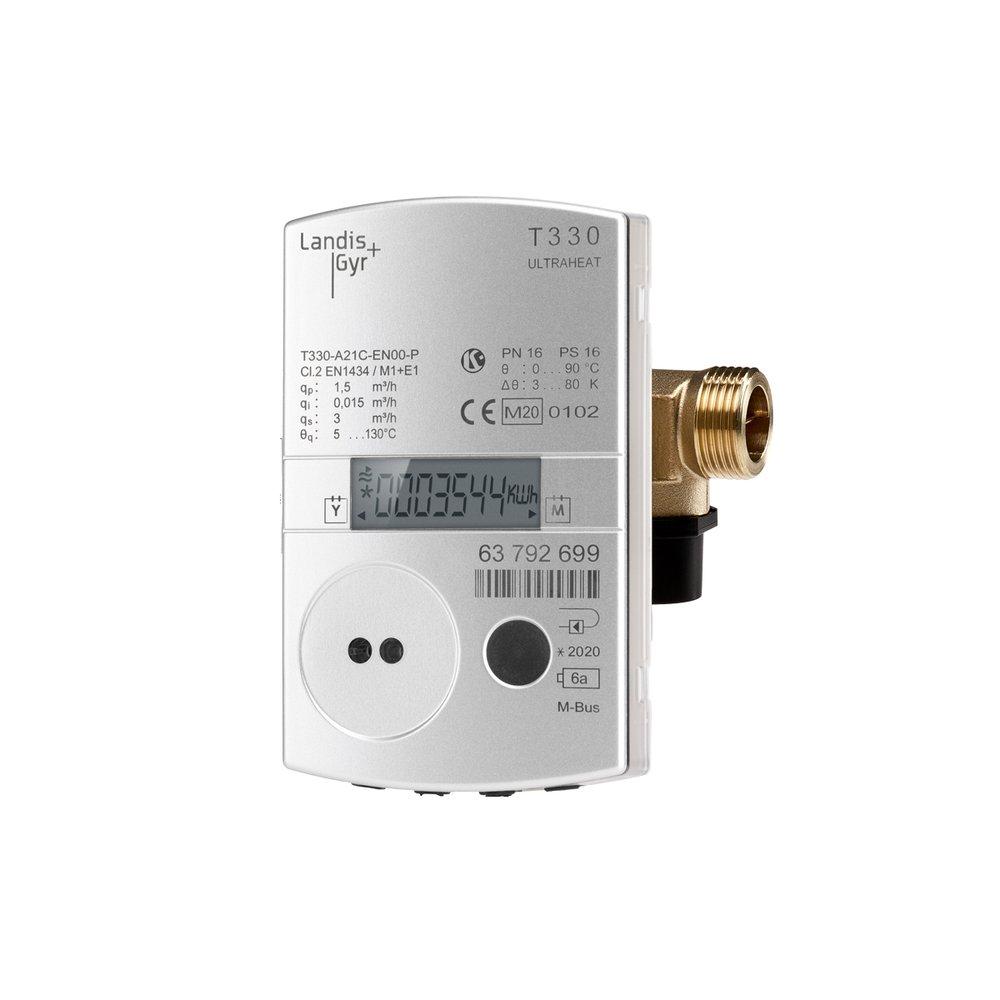
ULTRASONIC ENERGY METER
What is an Ultrasonic Energy Meter in HVAC? In a chilled water system, an ultrasonic flow meter utilizes sound waves to measure the velocity of chilled water flowing through a pipe, offering an accurate and non-invasive method for monitoring flow rates.
Learn More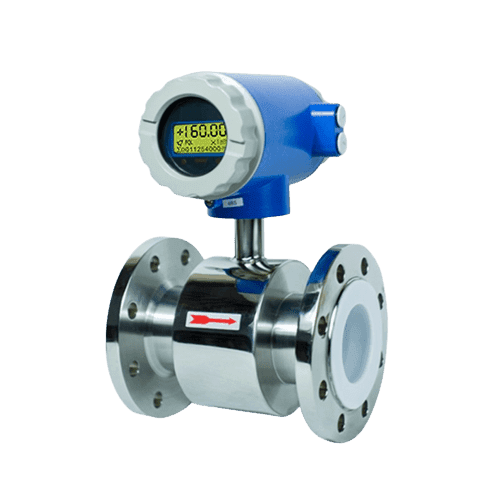
ELECTROMAGNATIC ENERGY METER
What Are Electromagnetic Energy Meters in HVAC? In a chilled water system,an electromagnetic flow meter, commonly referred to as a mag meter, gauges the flow of conductive liquids like chilled water based on Faraday's law of electromagnetic induction.This principle states that a magnetic field generates a voltage that is proportional to the velocity of the liquid.
Learn More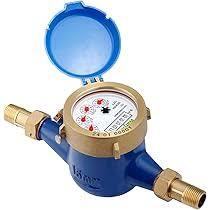
MECHANICAL ENERGY METER
What Are Mechanical Energy Meters in HVAC? In the HVAC field, a mechanical BTU meter, commonly referred to as a heat meter, is a device that gauges the thermal energy used in heating or cooling systems. It typically assesses the flow rate and temperature difference of the fluid (such as water) circulating within the system.
Learn MoreFrequently Asked Questions
Who is Compress India, and what sets you apart?▼
Compress India has grown from humble beginnings into a respected leader in industrial HVAC and customized cooling solutions. With over 30 years of experience, we deliver turnkey systems, chillers, and bespoke services across diverse industries, underpinned by innovation, customer satisfaction, and trust.
What industries do you serve?▼
We’re proud to serve a wide range of sectors, including pharmaceuticals, healthcare, IT, telecommunications, logistics, warehousing, steel, textiles, chemicals, food processing, finance, and educational institutions—tailoring solutions to meet each industry's unique needs.
What services do you provide?▼
We offer end-to-end HVAC services, including system design, installation, turnkey project execution, chiller and VRV/VRF system solutions, ducting, fabrication, automation, electrical works, and industrial refrigeration. Whether it’s a small requirement or a large-scale project, we deliver reliable, energy-efficient, and cost-effective solutions.
Do you provide customized HVAC solutions?▼
Yes. Every client has different needs, and we specialize in offering tailored services—ranging from inspection and preventive maintenance to upgrades like insulation replacement, motor servicing, and specialized fabrication. Our customized approach ensures you get solutions that truly fit your operations.
What common AC problems do you address?▼
We handle issues like water leakage (caused by clogged drains or trays), poor airflow (due to dirty filters or fan faults), and cooling failures (caused by refrigerant leaks, outdoor unit problems, or electrical issues). Our expert technicians ensure quick, lasting fixes for all major and minor problems.
How can I reduce AC energy consumption?▼
We recommend regular servicing, using the timer function, keeping rooms sealed, and setting the temperature to 24 °C for maximum efficiency. Upgrading to inverter ACs with higher star ratings is also an effective long-term solution for reducing energy bills.
What is the lifespan of an AC system?▼
On average, centralized HVAC systems last 10–15 years, while room or split AC units run efficiently for 3–6 years under normal daily usage. With regular servicing and proper care, their lifespan can be extended.
How do you ensure quality in your HVAC projects?▼
Every project we undertake goes through strict quality checks at every stage—right from design to installation and maintenance. We use trusted brands, follow industry standards, and our team of skilled engineers ensures that the systems are safe, reliable, and long-lasting.
Do you provide consultation before starting a project?▼
Yes. We believe every client has unique requirements, so we offer detailed consultation and site inspections before starting any project. This helps us understand your needs better and design a solution that balances performance, cost-efficiency, and sustainability.
Can businesses upgrade their existing HVAC systems with you?▼
Absolutely. We specialize in retrofitting and upgrading older HVAC systems with the latest technology. Whether it’s energy-efficient chillers, modern ducting, or smart automation, we help businesses transition to advanced systems without disrupting ongoing operations.