HVAC Automation & Instrumentation
(Engineered control, monitoring & optimization systems for intelligent HVAC operation)
Engineered Intelligence for HVAC System Performance
HVAC automation and instrumentation systems form the control and decision-making layer of modern HVAC installations. These systems monitor operating parameters, regulate equipment performance, and ensure HVAC systems operate safely, efficiently, and in line with design intent under all operating conditions.
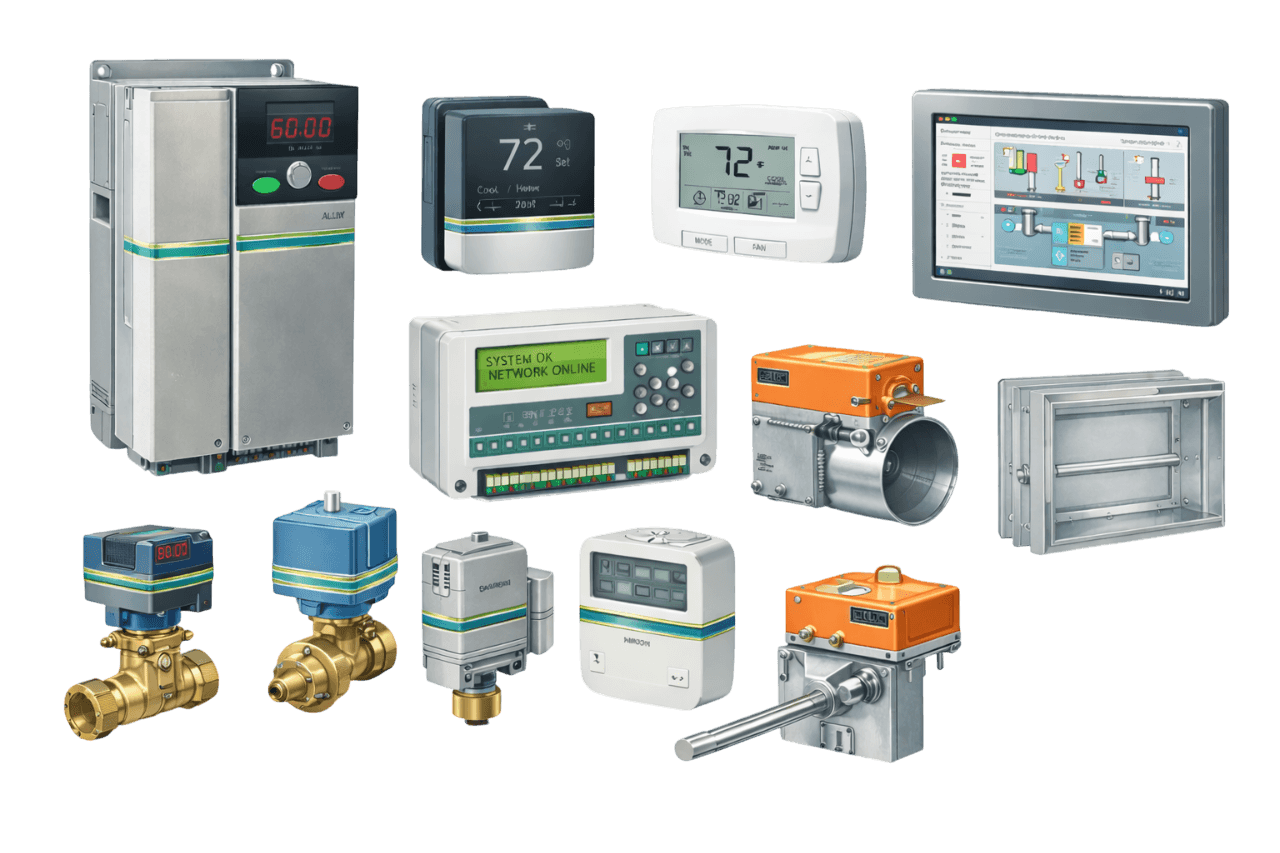
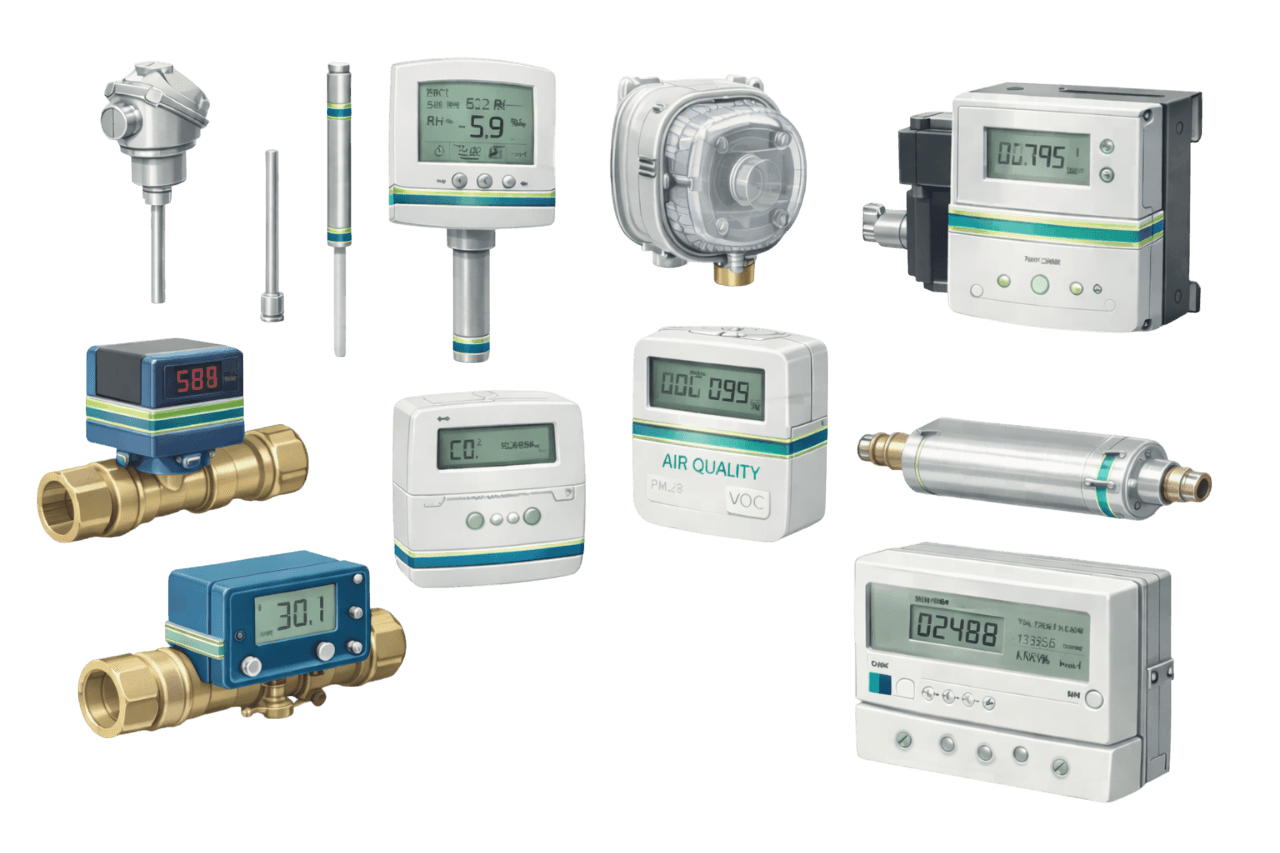
At Compress India, HVAC automation is engineered as an integrated control architecture, combining field instrumentation, control panels, variable frequency drives, and supervisory systems. Our approach focuses on reliability, clarity of control logic, expandability, and long-term operational stability rather than over-complex automation.
Scope of Services of HVAC Automation & Instrumentation
What HVAC Automation & Instrumentation Involve?
- Monitoring of temperature, pressure, flow, and air quality
- Equipment sequencing and interlocks
- Variable speed control of motors and fans
- Alarm, safety, and fault management
- Centralised and local system monitoring
- Integration with HVAC and utility systems
System Types & Configurations
Explore our comprehensive range of HVAC automation and instrumentation systems designed for intelligent control, monitoring, and optimization of HVAC operations.
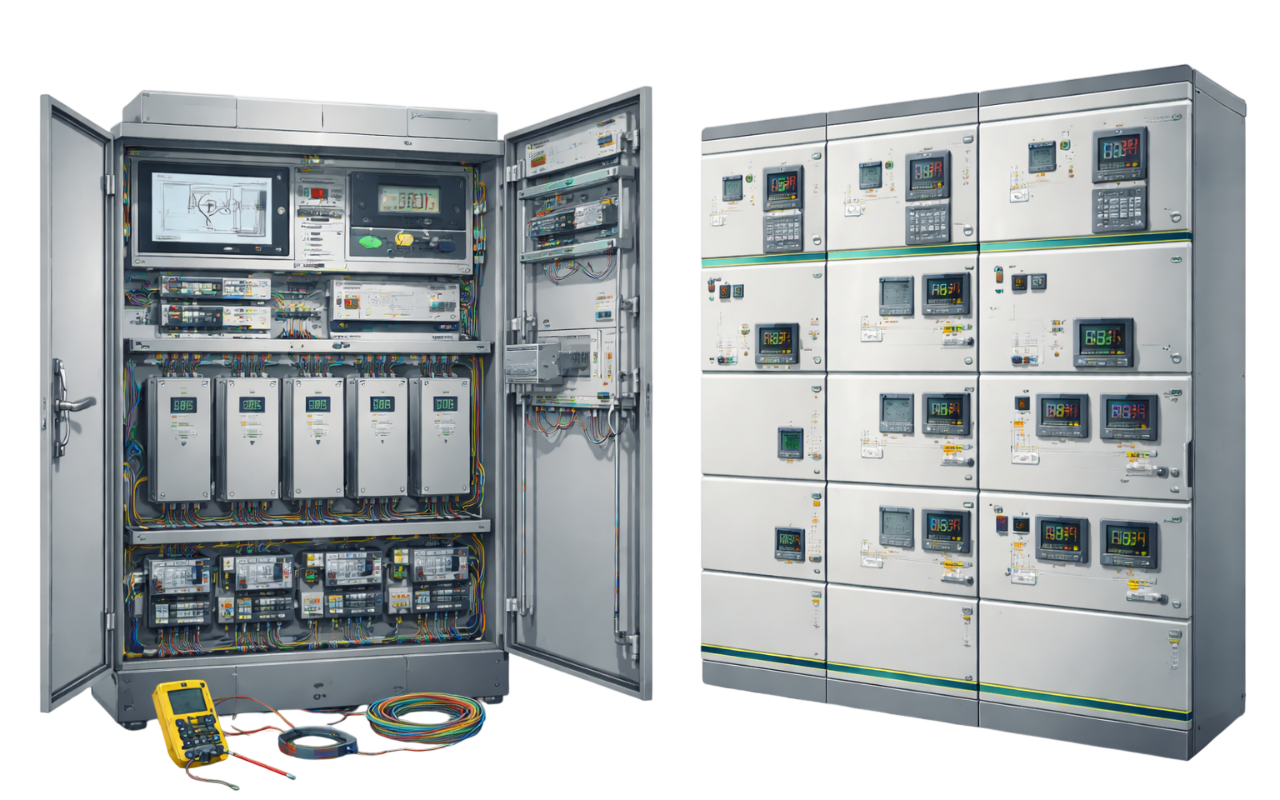
HVAC Control Panels & MCC Systems
Learn More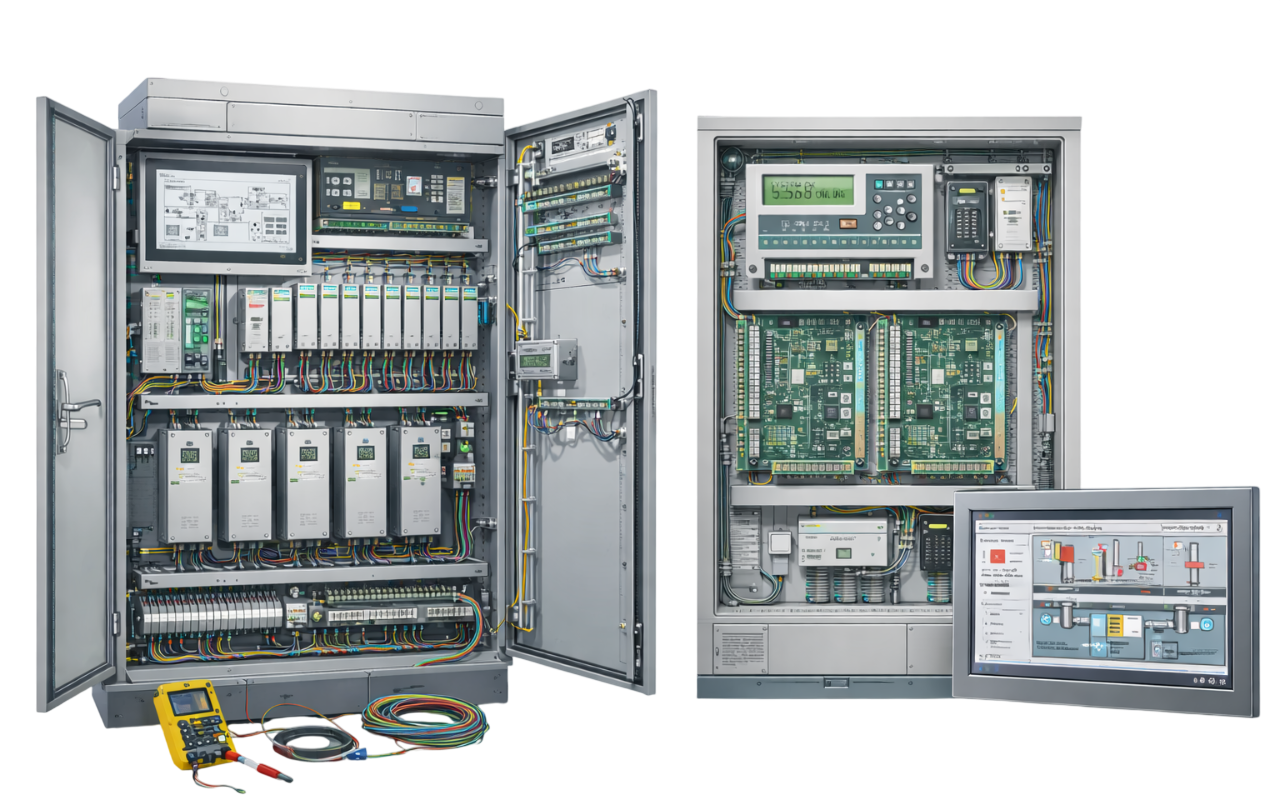
PLC / DDC Based Control Systems
Learn More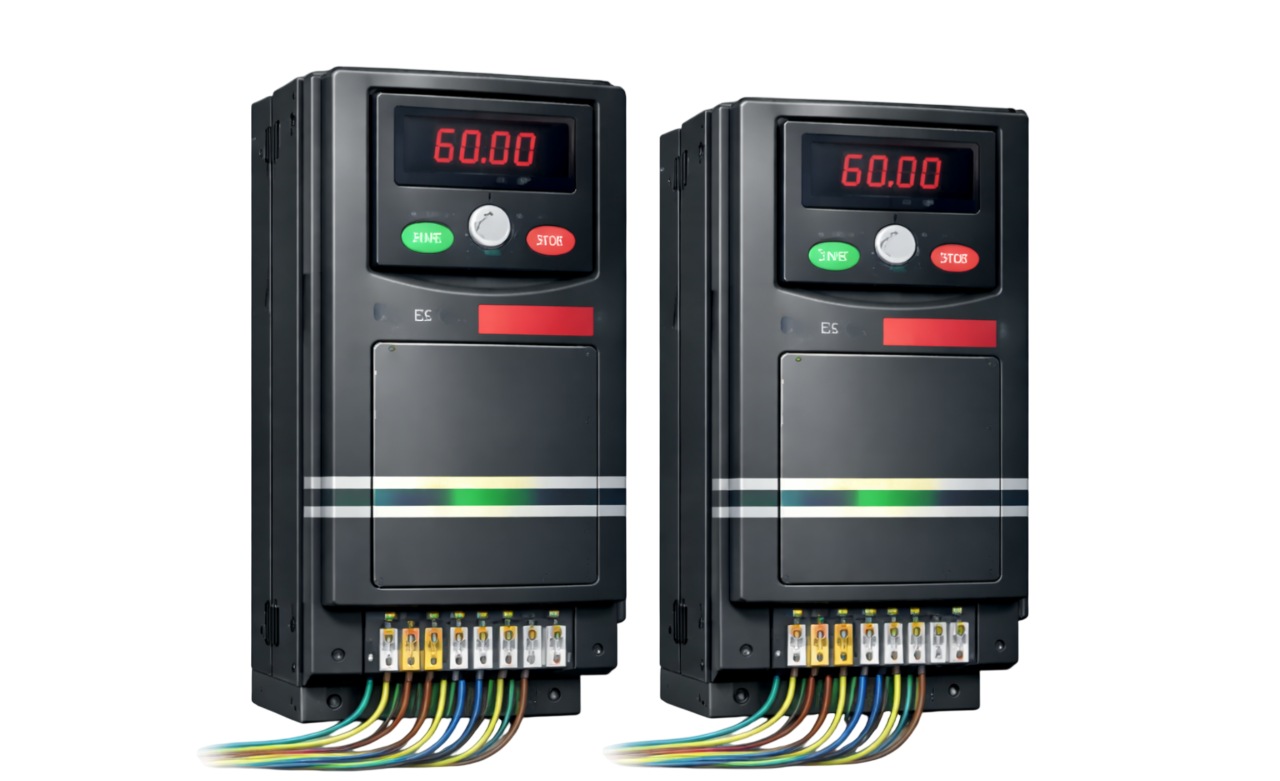
Variable Frequency Drives (VFDs)
Learn More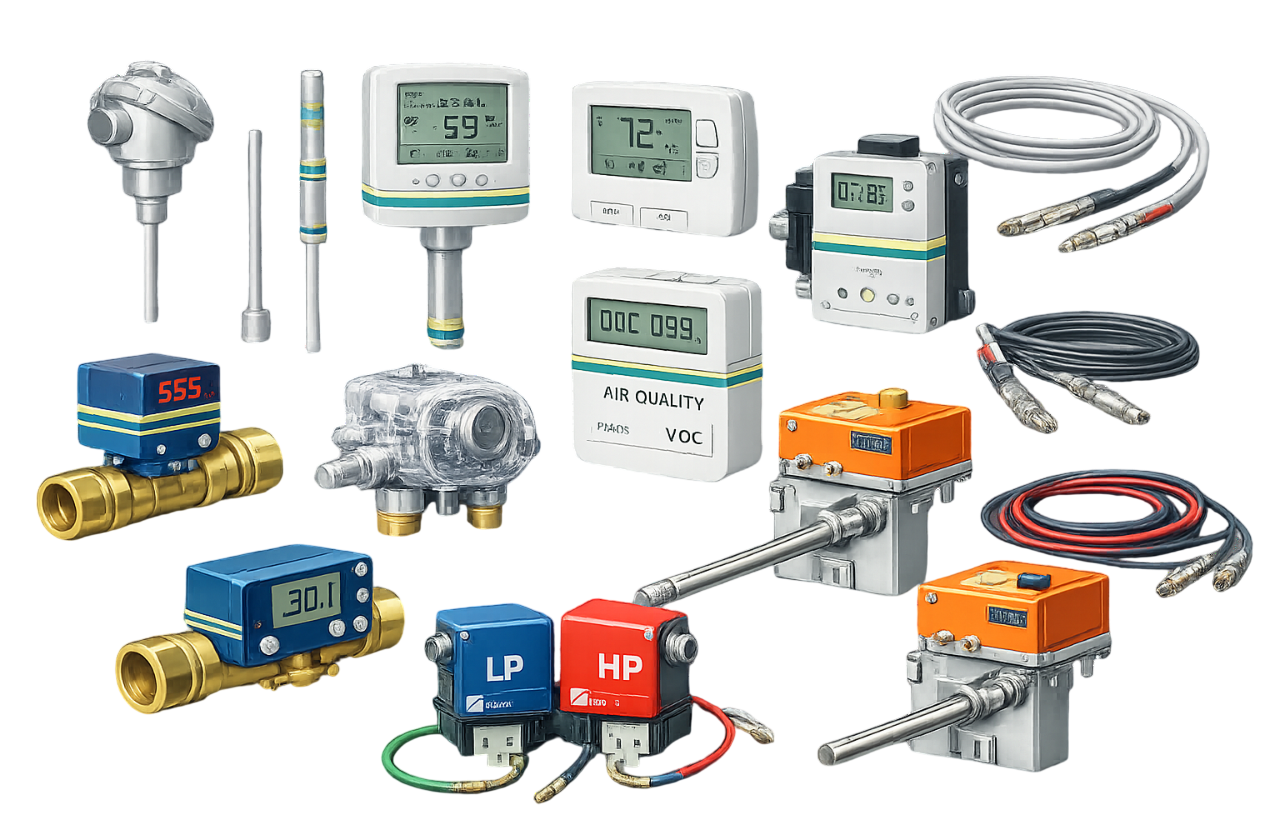
Field Sensors, Actuators & Instruments
Learn More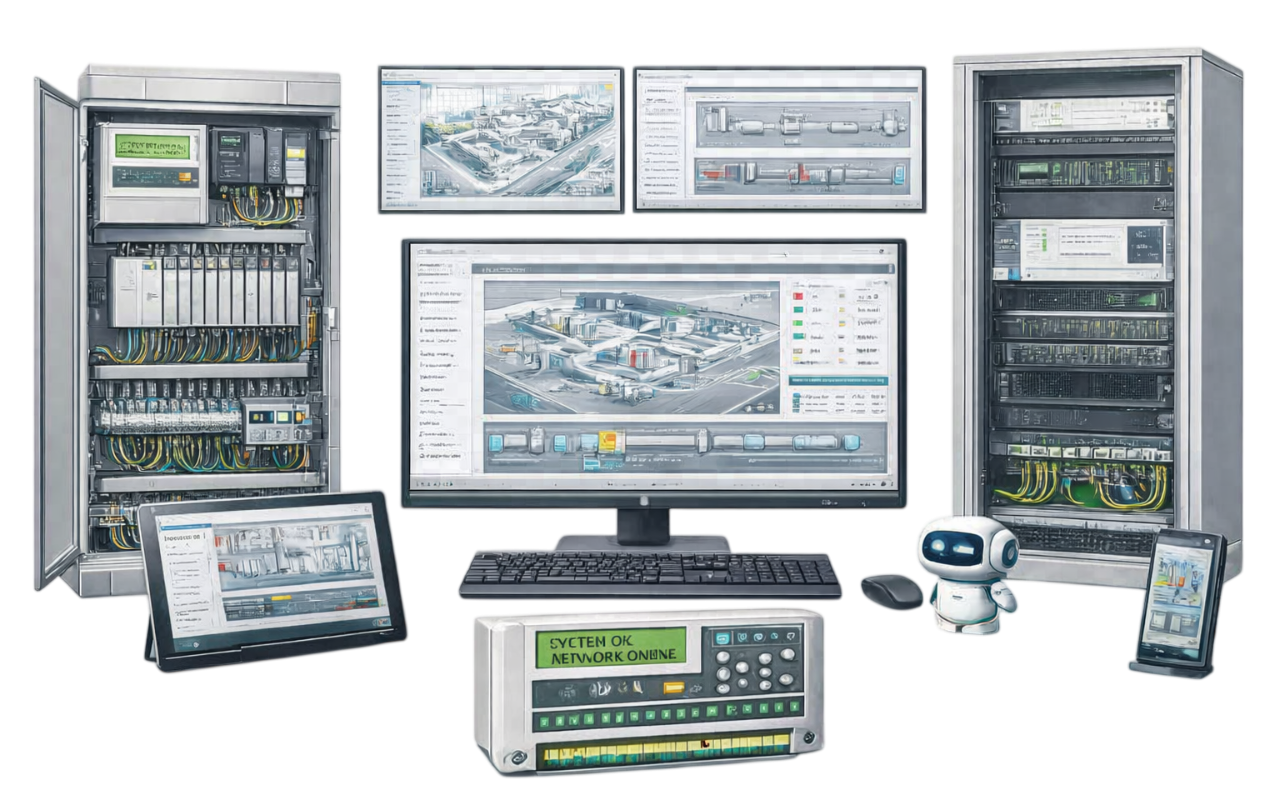
BMS / SCADA Integration
Learn More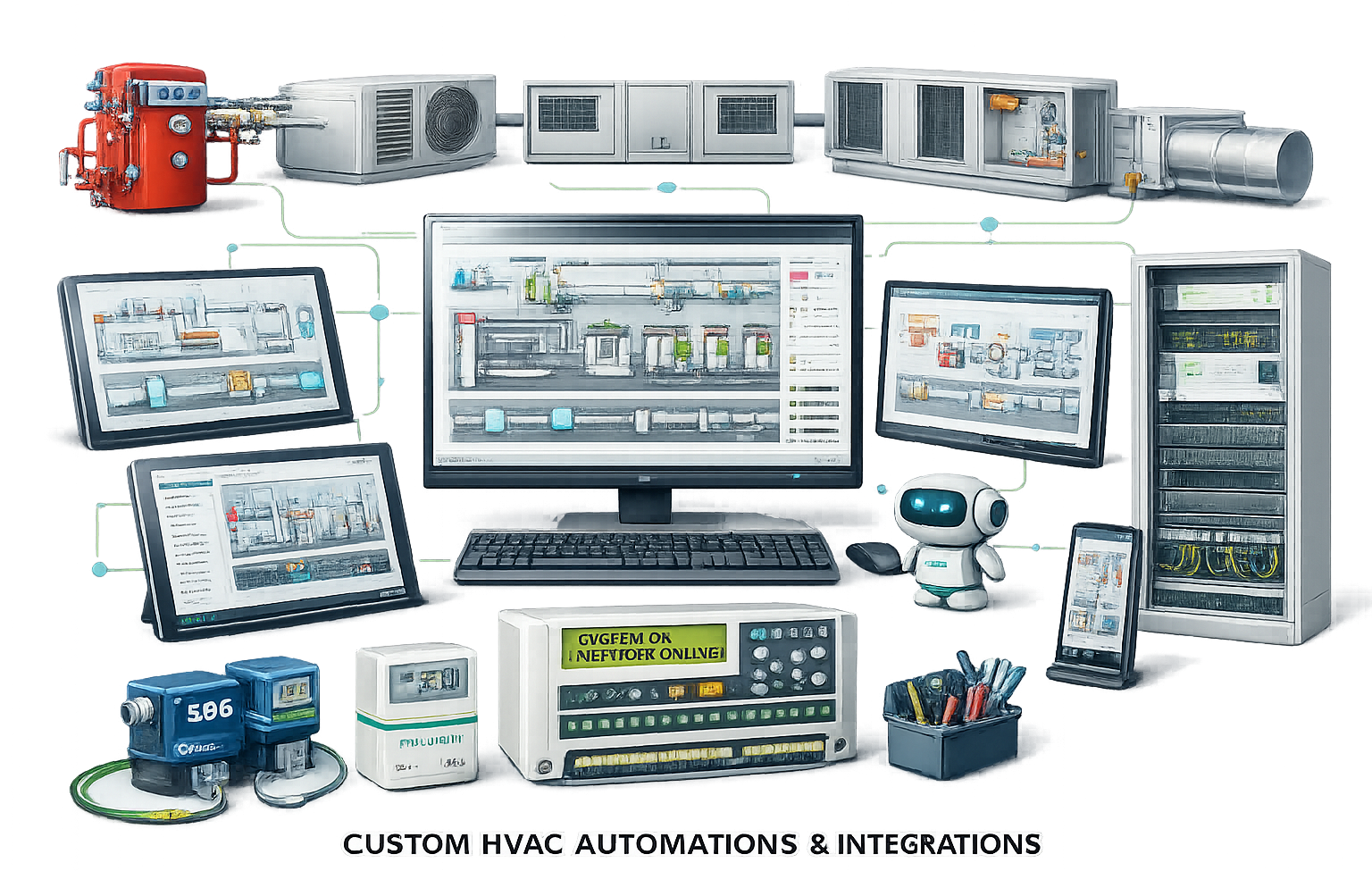
Additional Automation & Monitoring Solutions
Learn MoreOur Engineering Approach – How We Execute
Structured methodology for HVAC automation system design and implementation, ensuring technical accuracy, optimal control logic, and system reliability.
System requirement and control philosophy definition
Control panel and wiring architecture design
Integration with mechanical and electrical systems
Instrumentation selection and I/O mapping
Logic development and functional sequencing
Testing, validation, and commissioning support
Applications & Project Environments
Our automation solutions serve diverse commercial, industrial, healthcare, and specialized environments requiring intelligent HVAC control and monitoring.
- Central HVAC plants and utilities
- Commercial and institutional buildings
- Industrial process HVAC systems
- Pharmaceutical and cleanroom environments
- Data centres and critical facilities
- Healthcare and laboratory facilities
Engineering-Led Value Outcomes
Measurable performance, efficiency, and reliability advantages delivered through disciplined HVAC automation engineering and system-level validation.
- Stable and predictable HVAC operation
- Optimised energy consumption
- Reduced manual intervention and errors
- Improved fault detection and diagnostics
- Enhanced system reliability and uptime
Consult with Our Engineering Team
Automation systems define how HVAC installations actually operate in real life. Our engineering team supports automation projects from control philosophy development through execution, commissioning, and operational optimization. Connect with our engineering team to develop reliable, application-specific HVAC automation and instrumentation strategies aligned with your system design and operational objectives.
Related HVAC Systems & Services
HVAC systems operate as an integrated ecosystem. Explore related services that support system performance, reliability, and lifecycle efficiency.
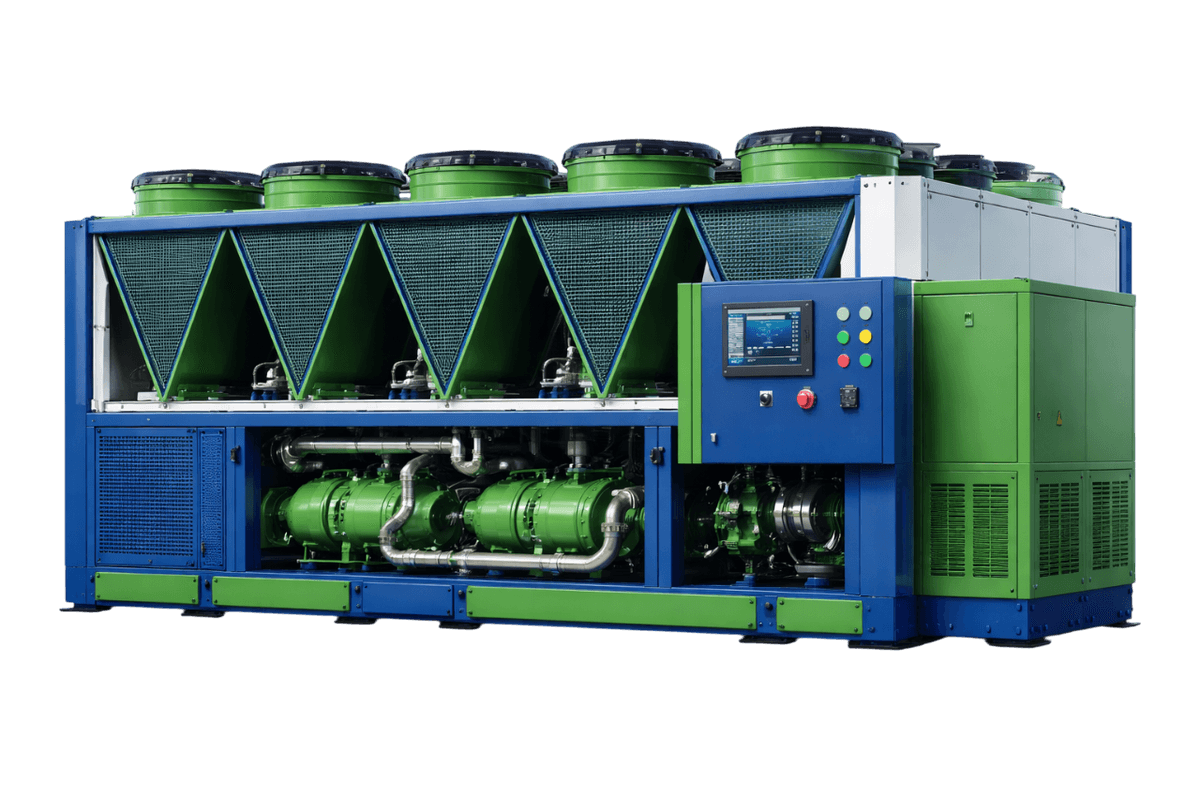
Chillers & Central Cooling
Learn More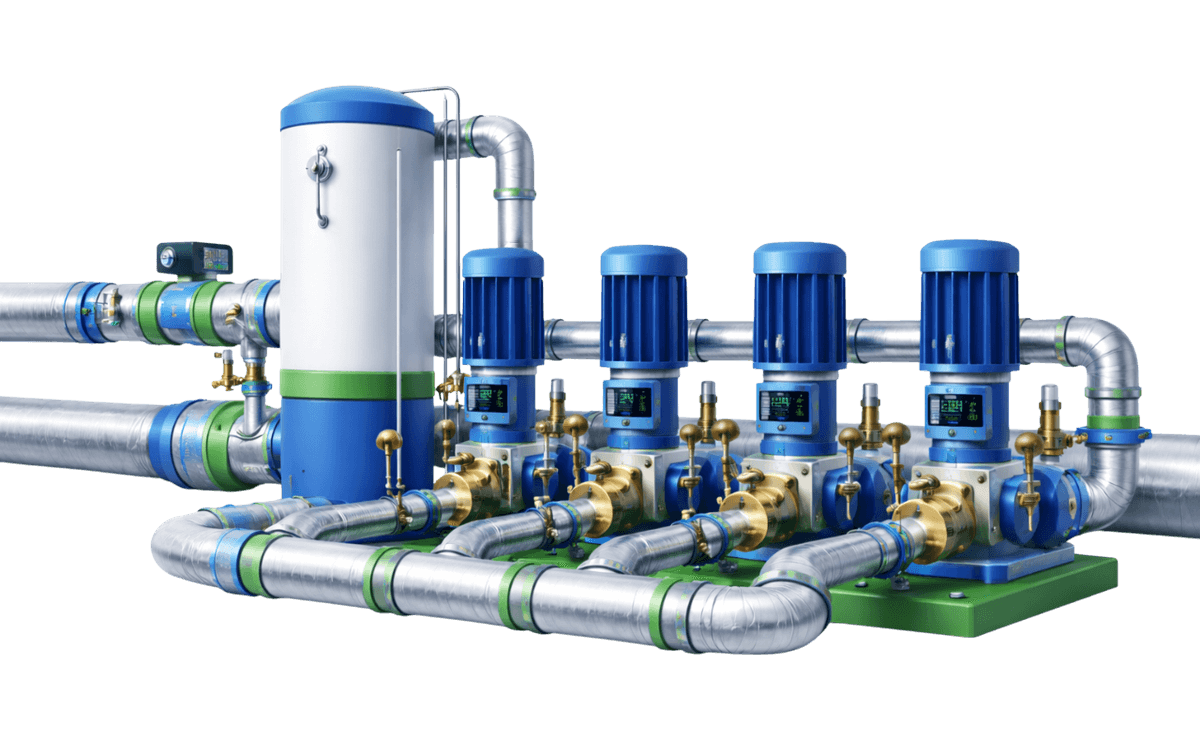
Hydronic Distribution & Flow Control
Learn More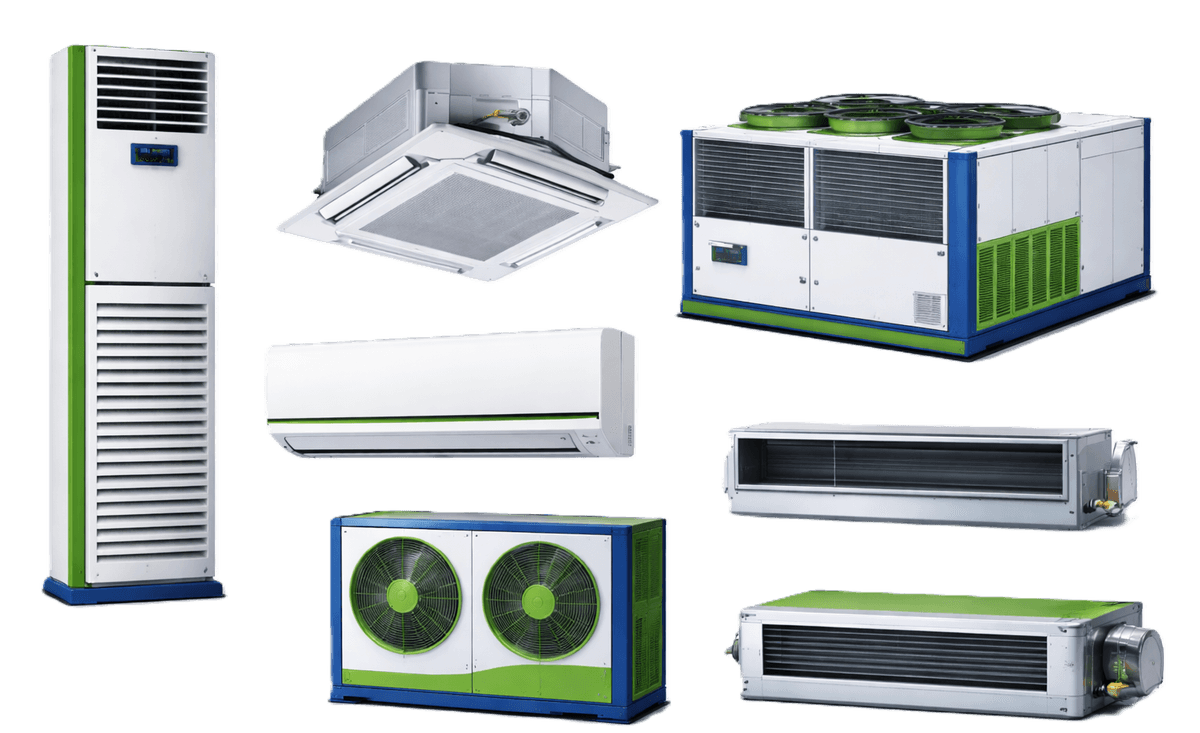
Air Conditioning Systems
Learn More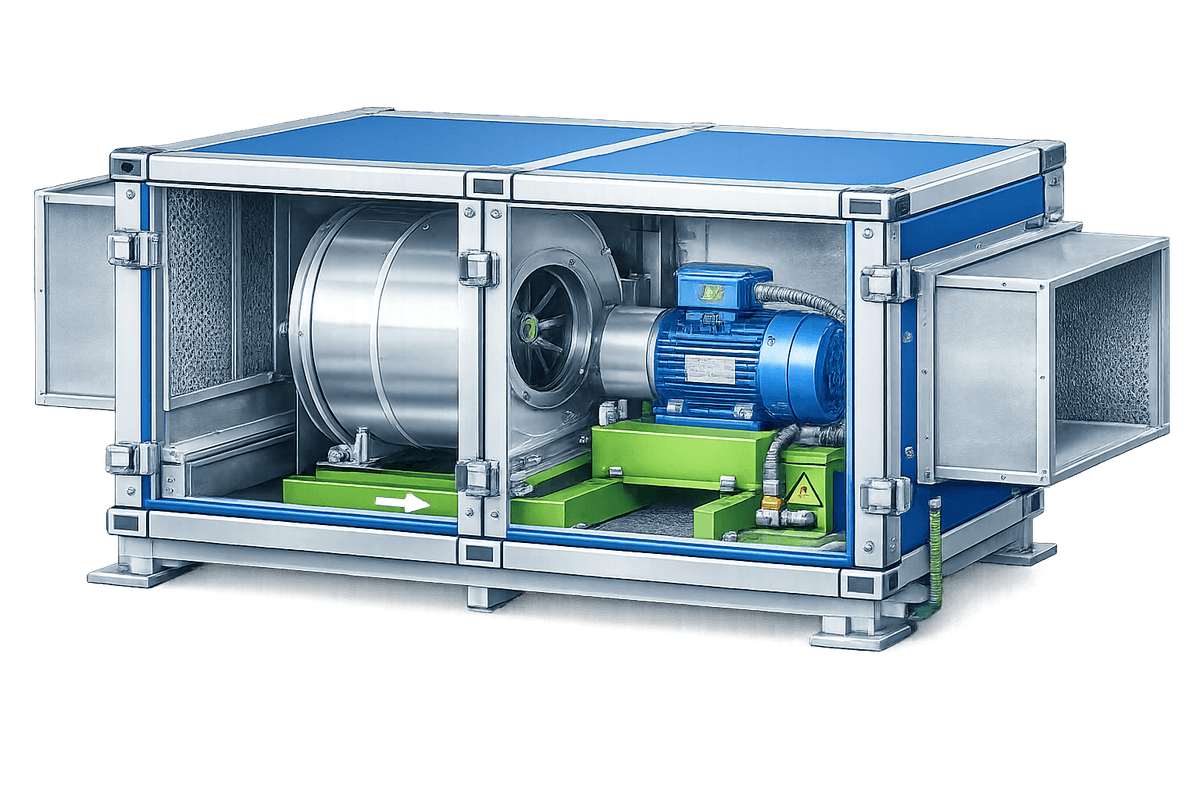
Fresh Air & IAQ Systems
Learn More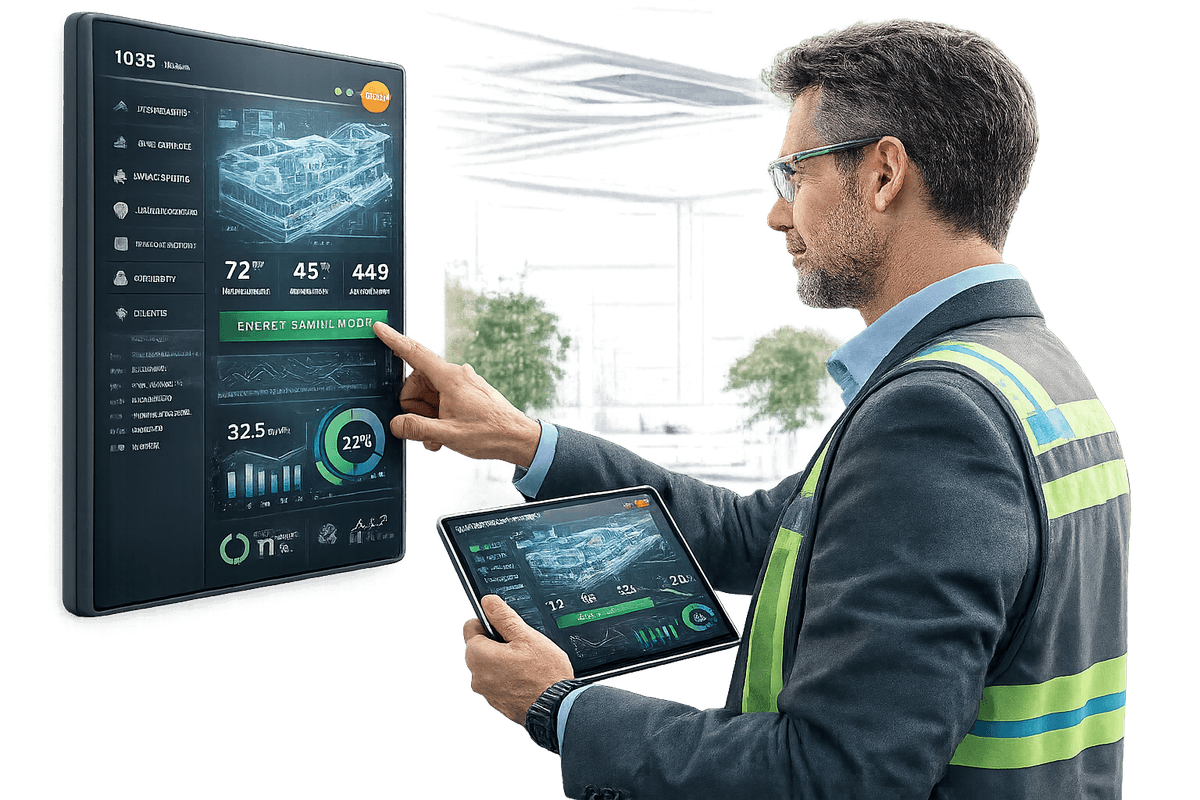
Testing & Commissioning
Learn MoreFrequently Asked Questions
What is the difference between PLC and DDC systems?
PLC (Programmable Logic Controller) systems are industrial-grade controllers for robust process control, while DDC (Direct Digital Control) systems are building automation controllers optimized for HVAC with pre-programmed HVAC functions. PLCs offer more flexibility; DDCs are HVAC-specific.
What are the key components of an HVAC automation system?
Key components include sensors (temperature, pressure, humidity), actuators (valves, dampers), controllers (PLC, DDC), operator interfaces (HMIs, SCADA), control panels, variable frequency drives (VFDs), communication networks, and software for programming/monitoring.
How do variable frequency drives save energy in HVAC systems?
VFDs control motor speed to match actual load requirements rather than running at full speed. Energy savings follow the affinity laws: reducing fan/pump speed by 20% reduces power consumption by approximately 50%. VFDs also reduce mechanical stress during start-up.
What is Building Management System (BMS) integration?
BMS integration connects HVAC automation systems with other building systems (lighting, security, fire alarms, power monitoring) using communication protocols (BACnet, Modbus, LonWorks, OPC). This enables centralized monitoring, coordinated control, and comprehensive energy management across all building systems.
How are control sequences developed for HVAC equipment?
Control sequences define equipment operation logic based on design requirements. They include start/stop sequences, safety interlocks, modulation strategies, alarm conditions, and failure responses. Sequences are developed using flowcharts, sequence of operations documents, and ladder logic/function block programming.
What maintenance is required for HVAC automation systems?
Regular maintenance includes sensor calibration, actuator verification, control panel inspections, software backups, communication network checks, battery replacements (UPS), firmware updates, and documentation updates. Preventive maintenance ensures accuracy and reliability.
What are the communication protocols used in HVAC automation?
Common protocols include BACnet (Building Automation and Control Networks) for building automation, Modbus for industrial communication, LonWorks for device networks, OPC (OLE for Process Control) for Windows-based data exchange, and MQTT for IoT applications. Ethernet/IP and PROFIBUS are also used.
How does automation improve HVAC energy efficiency?
Automation improves efficiency through optimal start/stop, demand-controlled ventilation (CO2-based), reset controls (chilled/hot water temperature), load shedding, night purge, equipment sequencing, VFD optimization, and continuous monitoring for fault detection and diagnostics (FDD).
What is the typical ROI for HVAC automation upgrades?
ROI typically ranges from 1-3 years based on energy savings of 15-30%. Additional benefits include reduced maintenance costs, extended equipment life, improved comfort, better fault detection, and compliance with energy codes/standards. Critical facilities also benefit from improved reliability.
How are HVAC control panels designed and certified?
Control panels follow electrical standards (IEC 61439, UL 508A), with proper component sizing, short circuit protection, wire sizing, segregation of power/control circuits, labeling, and documentation. Certification includes type testing, temperature rise verification, and compliance with local electrical codes.
What are the cybersecurity considerations for HVAC automation?
Cybersecurity includes network segmentation, firewalls, secure authentication, regular software updates, encryption for remote access, disabling unused ports/services, audit trails, and compliance with standards like IEC 62443. Critical infrastructure requires additional security measures.
How do you commission an HVAC automation system?
Commissioning includes point-to-point verification, control logic testing, sequence of operations validation, alarm testing, trending verification, operator training, documentation review (as-built drawings, software backups, manuals), and performance testing under various operating conditions.