Fresh Air & IAQ Systems
(Engineered fresh air treatment solutions for indoor air quality, hygiene & compliance)
Engineered Fresh Air Treatment for Healthy Indoor Environments
Fresh Air and Indoor Air Quality (IAQ) systems are designed to treat, condition, and deliver outdoor air into occupied spaces while maintaining hygiene, comfort, and regulatory compliance. Unlike comfort cooling or basic ventilation, IAQ engineering focuses on air filtration, thermal treatment, humidity control, and contaminant reduction before air enters the occupied zone.


At Compress India, Fresh Air & IAQ systems are engineered as dedicated air treatment solutions, ensuring controlled fresh air delivery, stable indoor air quality, and compatibility with air conditioning and ventilation systems across commercial, industrial, and specialised environments.
Scope of Services of Fresh Air & IAQ Systems
WHAT FRESH AIR & IAQ SYSTEMS INVOLVE
- Outdoor air intake and treatment
- Multi-stage air filtration
- Temperature and humidity control
- Indoor air quality management
- Positive / neutral pressurisation
- Integration with HVAC & ventilation systems
System Types & Configurations
Explore our comprehensive range of fresh air treatment and IAQ systems designed for optimal indoor air quality, comfort and compliance in various applications.
Treated Fresh Air Units (TFA)
Learn MorePrimary Air Handling Units (PAU)
Learn More
Heat Recovery Units (HRU / ERV)
Learn More
Filtration & Air Cleaning Systems
Learn More
Hygienic & Process Fresh Air Systems
Learn More
Additional IAQ & Ventilation Solutions
Learn MoreOur Engineering Approach – How We Execute
Structured methodology for fresh air and IAQ system design and implementation, ensuring technical accuracy, optimal air quality, and regulatory compliance.
Indoor air quality requirement assessment
Filtration level and hygiene strategy definition
Equipment selection and system integration
Outdoor air quantity and quality evaluation
Cooling, heating & dehumidification design
Performance validation and commissioning support
Applications & Project Environments
Our fresh air and IAQ solutions serve diverse commercial, healthcare, industrial, and specialized environments requiring optimal indoor air quality and compliance.
- Commercial offices and IT buildings
- Hospitals, laboratories & healthcare facilities
- Pharmaceutical and cleanroom environments
- Industrial buildings with IAQ requirements
- Hospitality, retail & public buildings
- Educational and institutional facilities
Engineering-Led Value Outcomes
Measurable performance, efficiency, and compliance advantages delivered through disciplined fresh air and IAQ engineering and system-level validation.
- Improved indoor air quality and hygiene
- Controlled temperature and humidity of fresh air
- Reduced airborne contaminants and pollutants
- Stable integration with HVAC systems
- Long-term reliability and ease of maintenance
Consult with Our Engineering Team
Fresh air and IAQ systems directly impact occupant health, productivity, and regulatory compliance. Our engineering team supports IAQ projects from concept design through execution and long-term operation.
Related HVAC Systems & Services
HVAC systems operate as an integrated ecosystem. Explore related services that support system performance, reliability, and lifecycle efficiency.
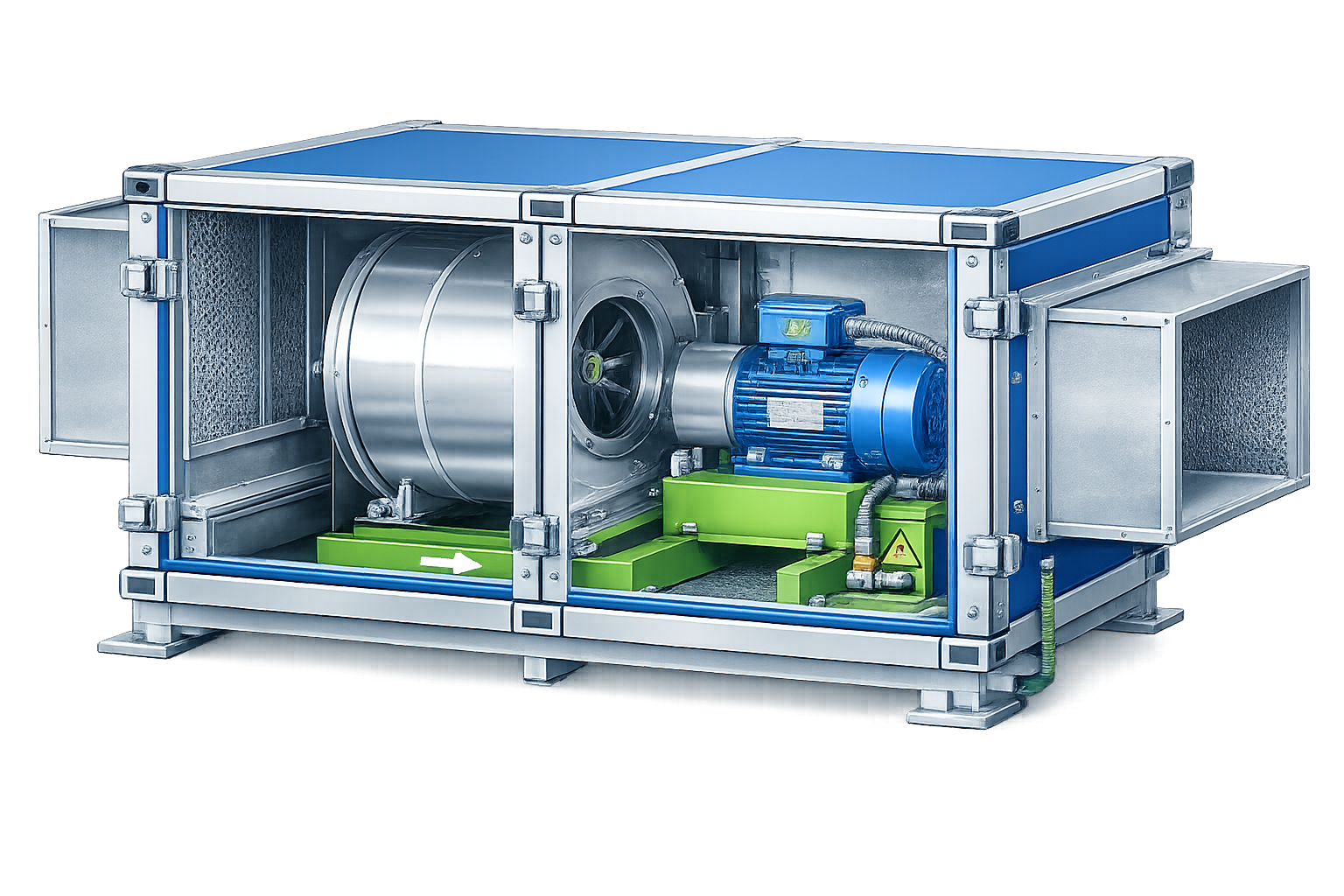
Ventilation & Air Management
Learn More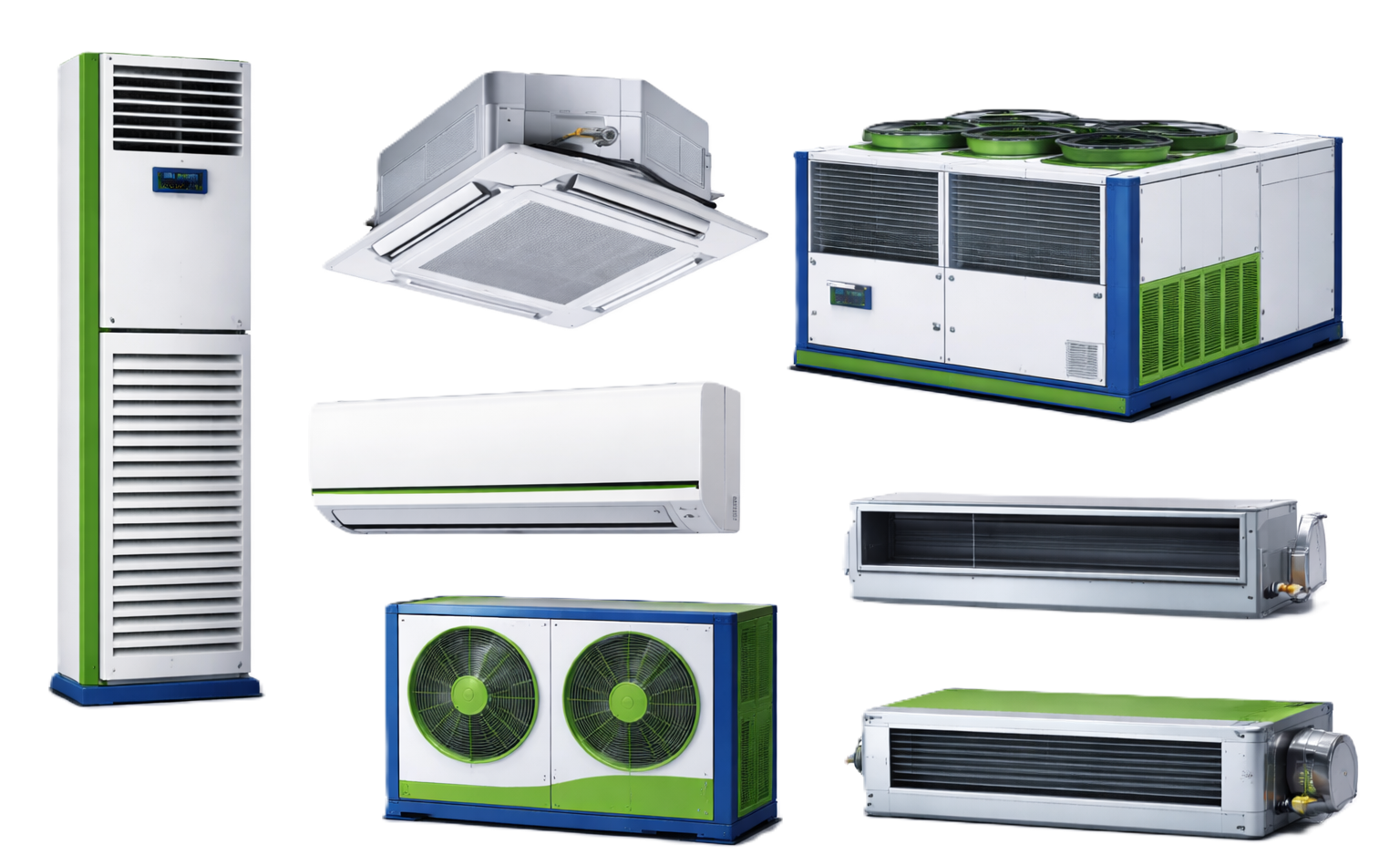
Air Conditioning Systems
Learn More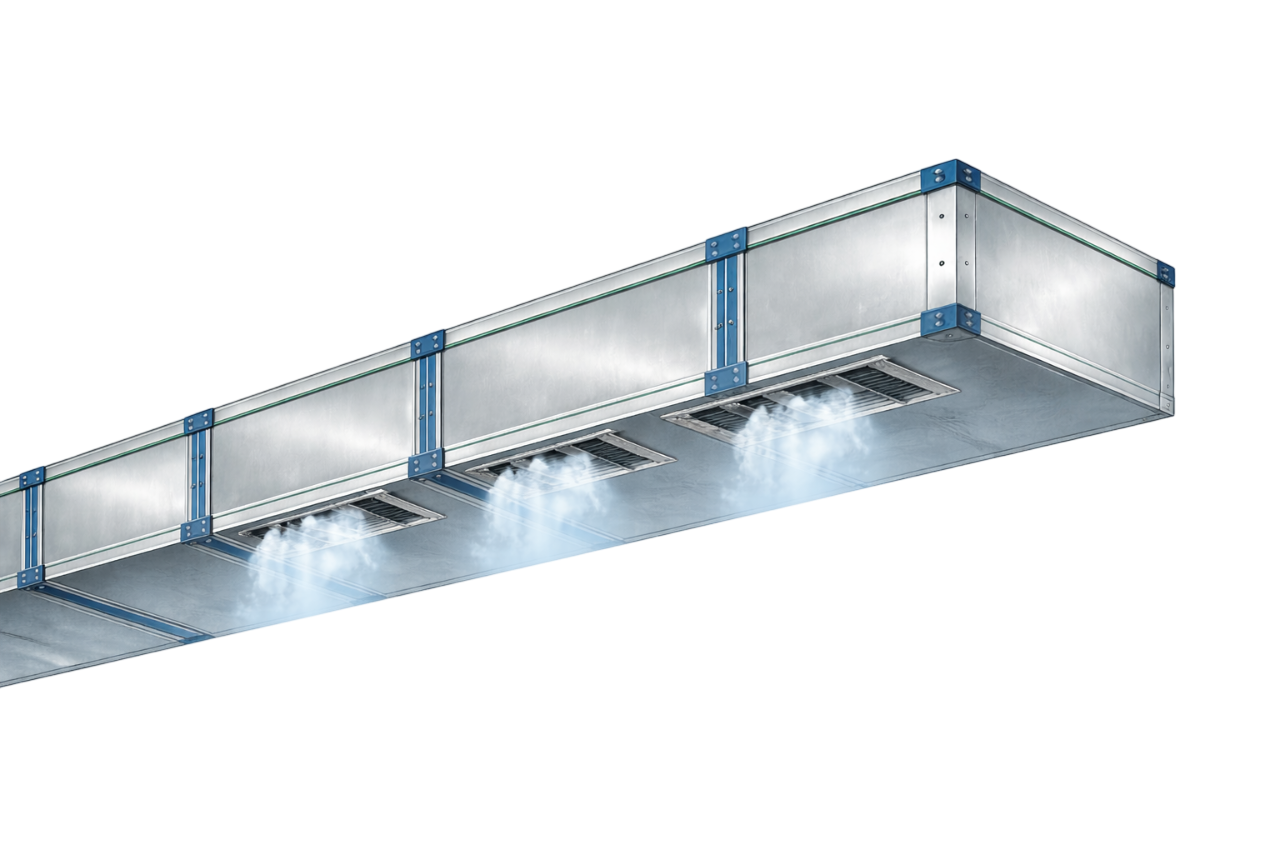
Ducting & Air Distribution
Learn More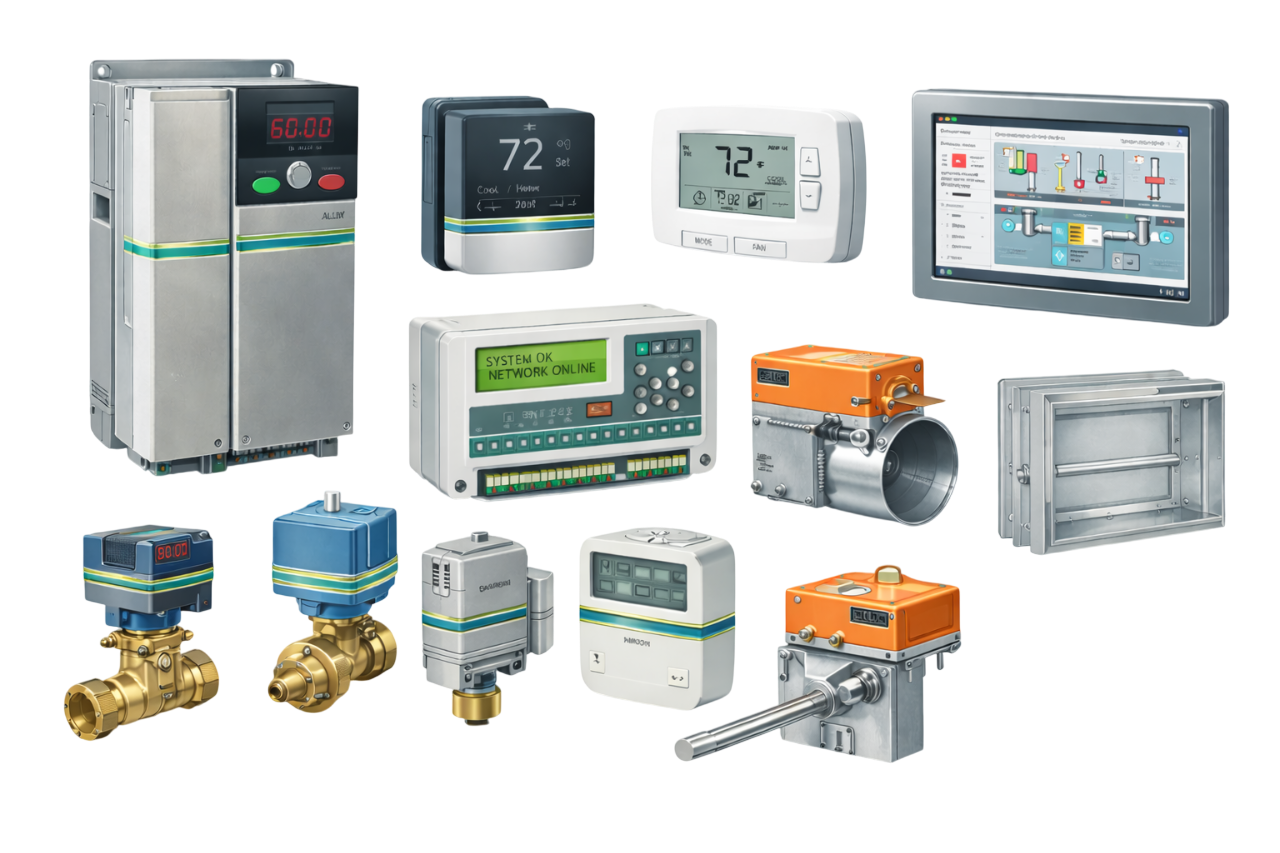
HVAC Automation & Instrumentation
Learn More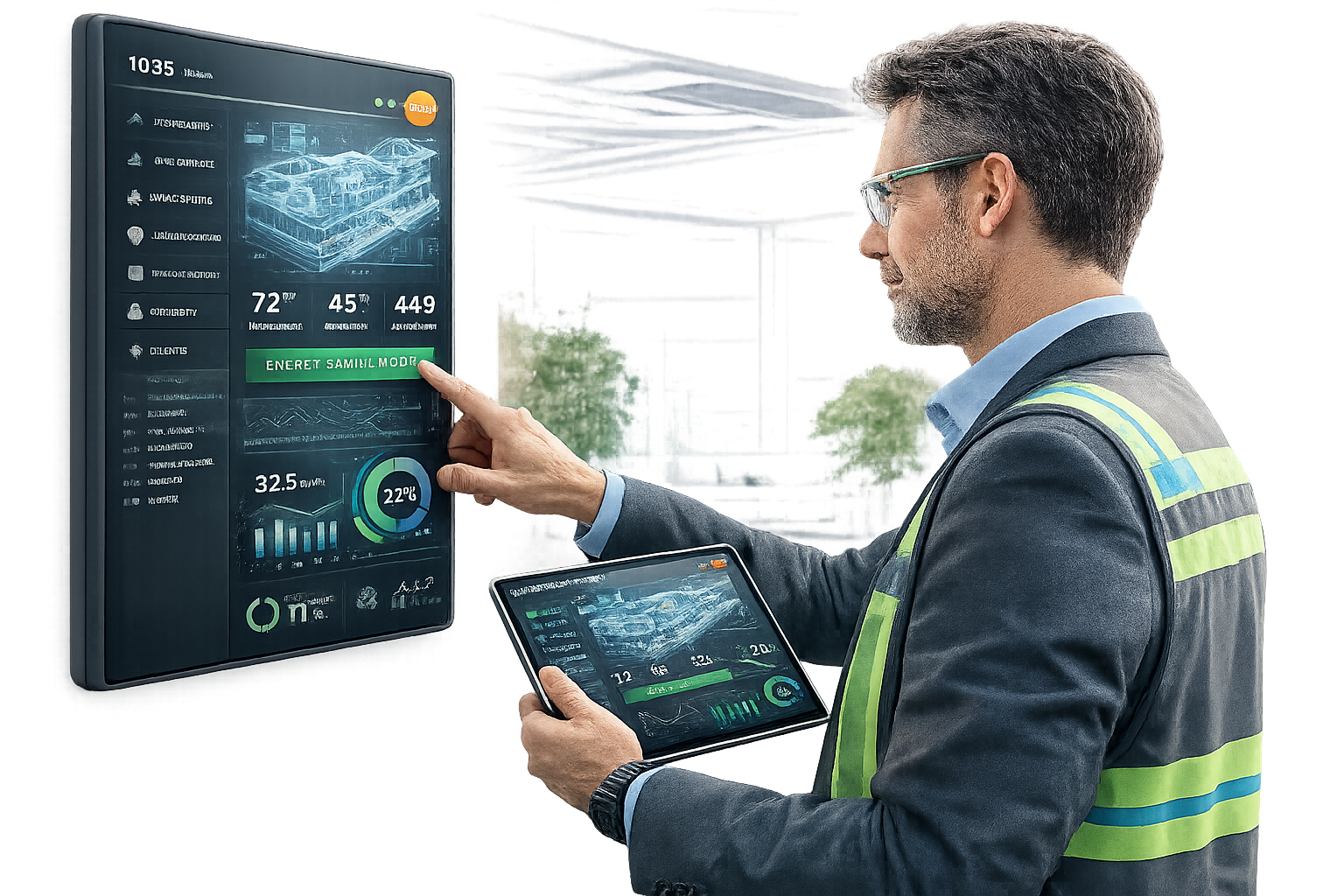
Testing & Commissioning
Learn MoreFrequently Asked Questions
What is the difference between ventilation and fresh air treatment?
Ventilation moves air in/out of spaces for air exchange. Fresh air treatment conditions outdoor air (filters, heats/cools, dehumidifies) before introduction to maintain indoor air quality, comfort, and hygiene standards.
How much fresh air is required per person in commercial buildings?
ASHRAE Standard 62.1 recommends 5-20 CFM per person depending on space type. Offices typically require 5 CFM/person, while restaurants need 7.5 CFM/person. Healthcare and laboratory spaces have higher requirements.
What are the key components of a fresh air treatment system?
Key components include outdoor air intake with weather protection, multi-stage filtration (pre-filters, bag filters, HEPA/ULPA for critical applications), cooling/heating coils, humidification/dehumidification, fans, controls, and energy recovery devices.
What is the purpose of energy recovery in fresh air systems?
Energy Recovery Ventilators (ERVs) or Heat Recovery Ventilators (HRVs) transfer energy between exhaust and fresh air streams, reducing heating/cooling loads, improving efficiency by 50-80%, and maintaining humidity control.
How often should air filters be replaced in IAQ systems?
Pre-filters: 3-6 months, Bag filters: 6-12 months, HEPA filters: 1-3 years depending on usage and air quality. Pressure drop monitoring provides the most accurate replacement timing.
What are the common indoor air pollutants addressed by IAQ systems?
Common pollutants include particulate matter (PM2.5, PM10), volatile organic compounds (VOCs), carbon dioxide, carbon monoxide, allergens, mold spores, bacteria, viruses, and odors from building materials/occupants.
What is the difference between TFA and PAU units?
TFA (Treated Fresh Air) units condition outdoor air to neutral conditions before mixing with return air. PAU (Primary Air Handling Units) handle 100% outdoor air with full conditioning (heating/cooling/dehumidification) for spaces requiring dedicated fresh air supply.
How does building pressurization affect IAQ?
Positive pressure prevents unfiltered outdoor air infiltration. Negative pressure contains contaminants (labs, isolation rooms). Neutral pressure maintains balance. Proper pressurization is critical for infection control, contamination prevention, and energy efficiency.
What are the standards for indoor air quality?
Key standards include ASHRAE 62.1 (ventilation), 55 (thermal comfort), 170 (healthcare), ISO 16890 (air filters), WHO air quality guidelines, LEED/IGBC green building standards, and local building codes.
Can existing HVAC systems be upgraded for better IAQ?
Yes, through adding dedicated fresh air units, upgrading filtration (MERV 13+), adding UV-C germicidal irradiation, installing energy recovery, improving controls, and enhancing duct cleaning/maintenance protocols.
What is the typical ROI for IAQ system improvements?
ROI includes reduced absenteeism (8-12% productivity gain), lower healthcare costs, decreased energy consumption through recovery systems, extended equipment life, and improved occupant satisfaction/retention.
How do IAQ systems integrate with building automation?
Integration includes CO2-based demand control ventilation, pressure monitoring/alarms, filter status monitoring, energy optimization, remote access, data logging for compliance, and coordination with fire/safety systems.