Hydronic Distribution & Flow Control
(Engineering, execution & balancing of chilled and hot water distribution networks)
Engineered Water Distribution for HVAC Performance & Stability
Hydronic distribution systems form the backbone of central air conditioning and heating applications by ensuring accurate and stable circulation of chilled and hot water across HVAC equipment. Even the most efficient chillers and air handling units cannot perform reliably without a properly engineered hydronic network.
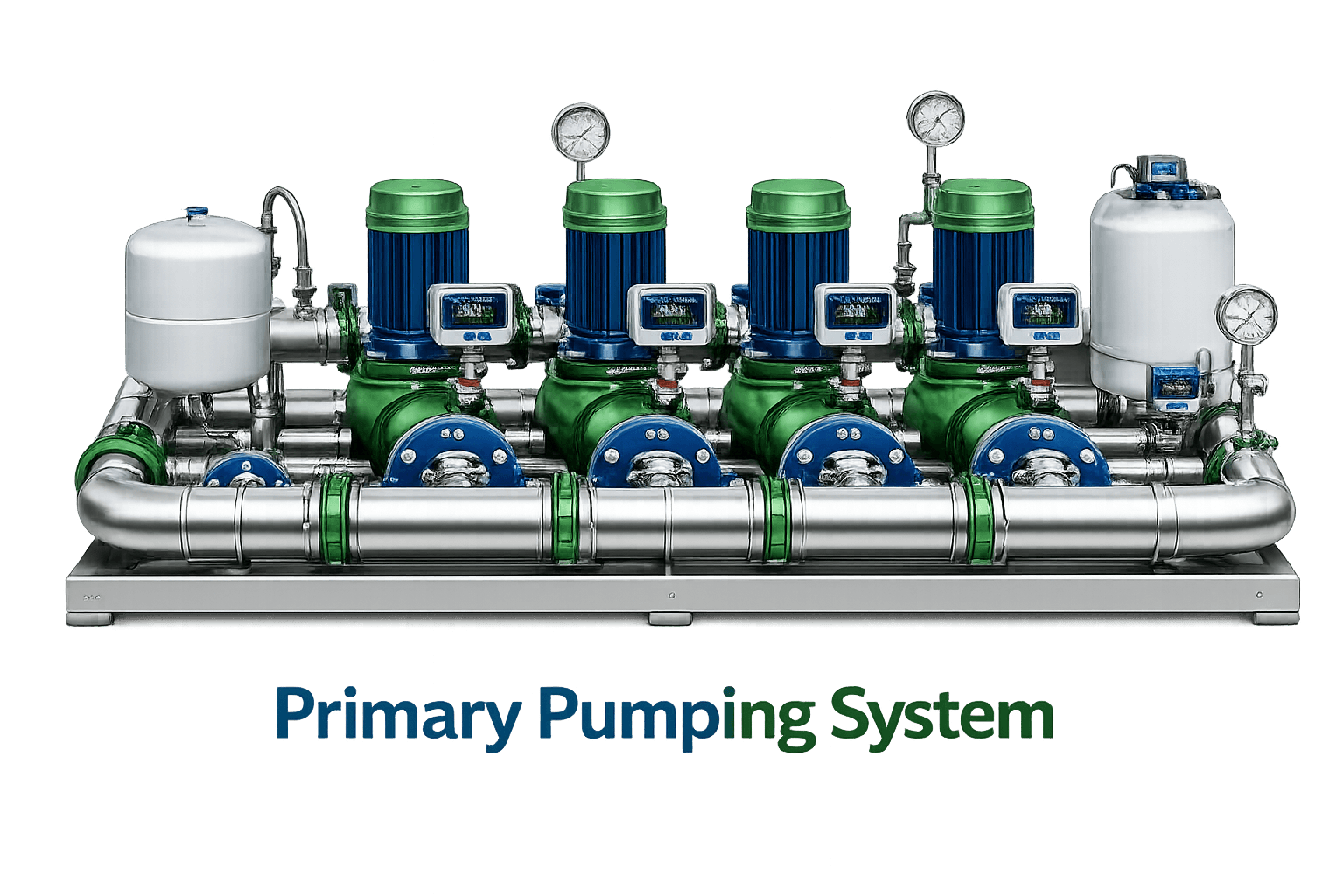
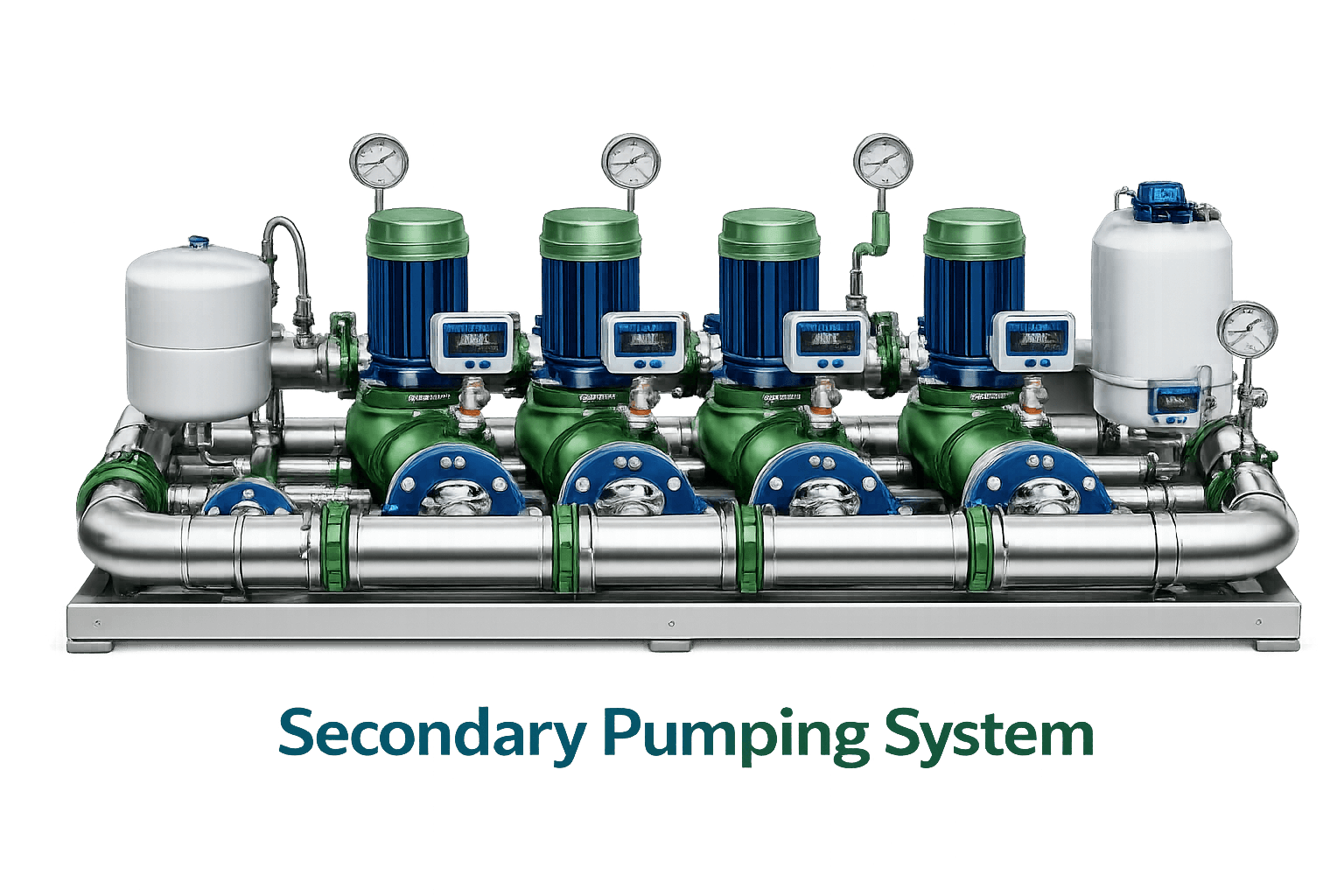
At Compress India, hydronic distribution is approached as a critical engineering discipline. Our designs focus on correct flow rates, pressure stability, energy-efficient pumping, and precise control to deliver predictable system performance, operational reliability, and ease of maintenance throughout the system lifecycle.
Scope of Services – What We Deliver?
Comprehensive hydronic system engineering covering design, implementation, and optimization of water distribution networks for HVAC applications.
- Chilled and hot water piping network engineering
- Pump selection and head loss calculations
- Hydronic zoning and pressure management
- Flow control valve engineering and selection
- Differential pressure and balancing strategies
- System flushing, descaling, balancing, and performance validation
System Types & Components
Explore our comprehensive range of hydronic system configurations and components designed for efficient water distribution.
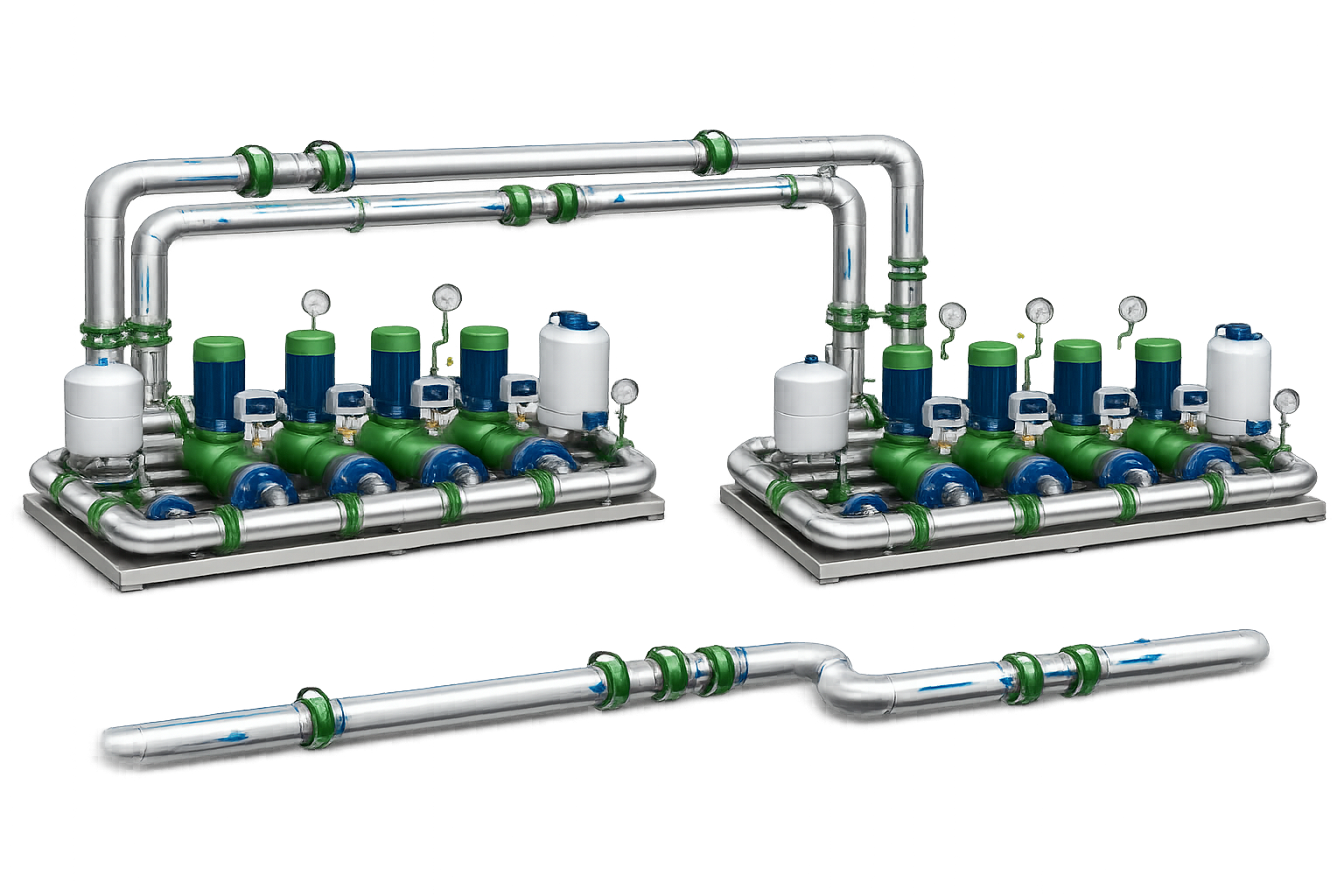
Primary-Secondary Pumping Systems
Learn More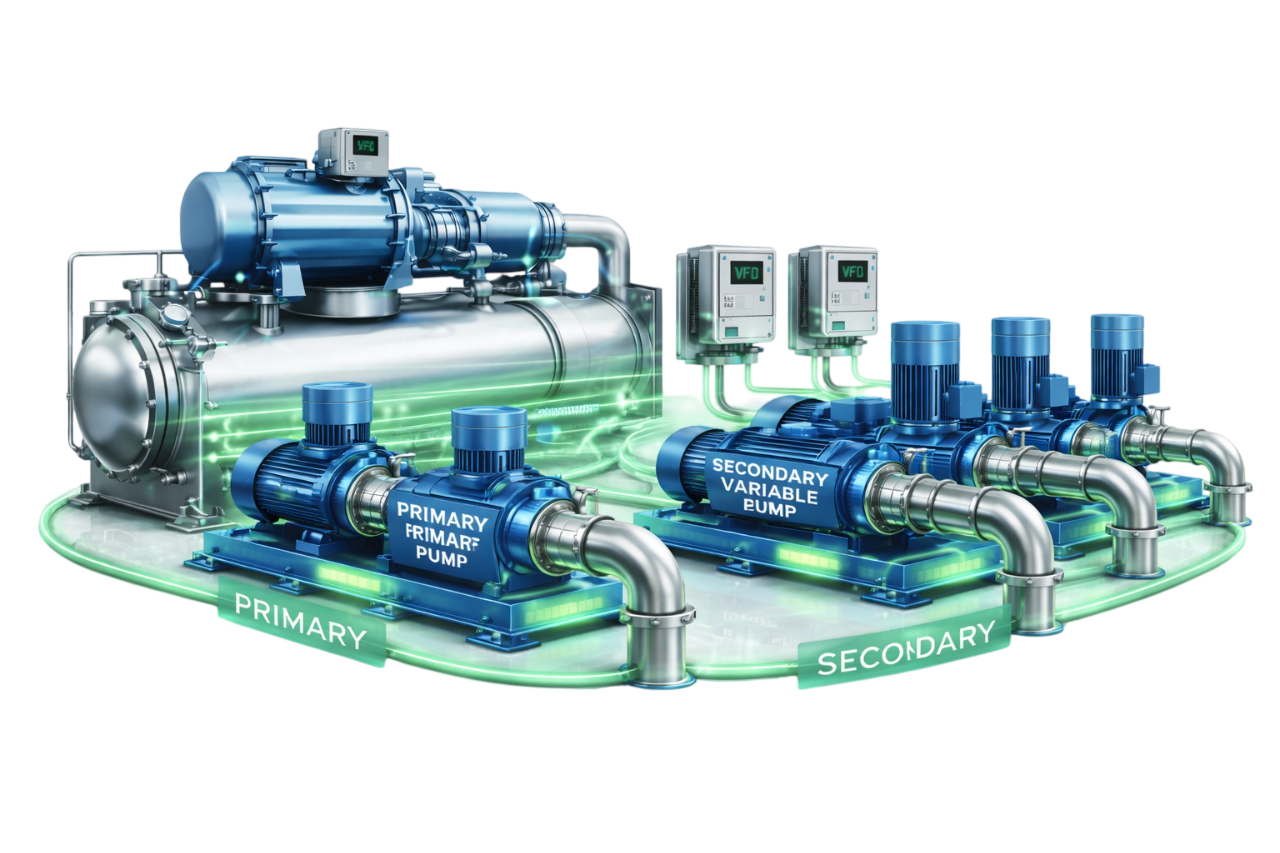
Variable Flow Hydronic Systems
Learn More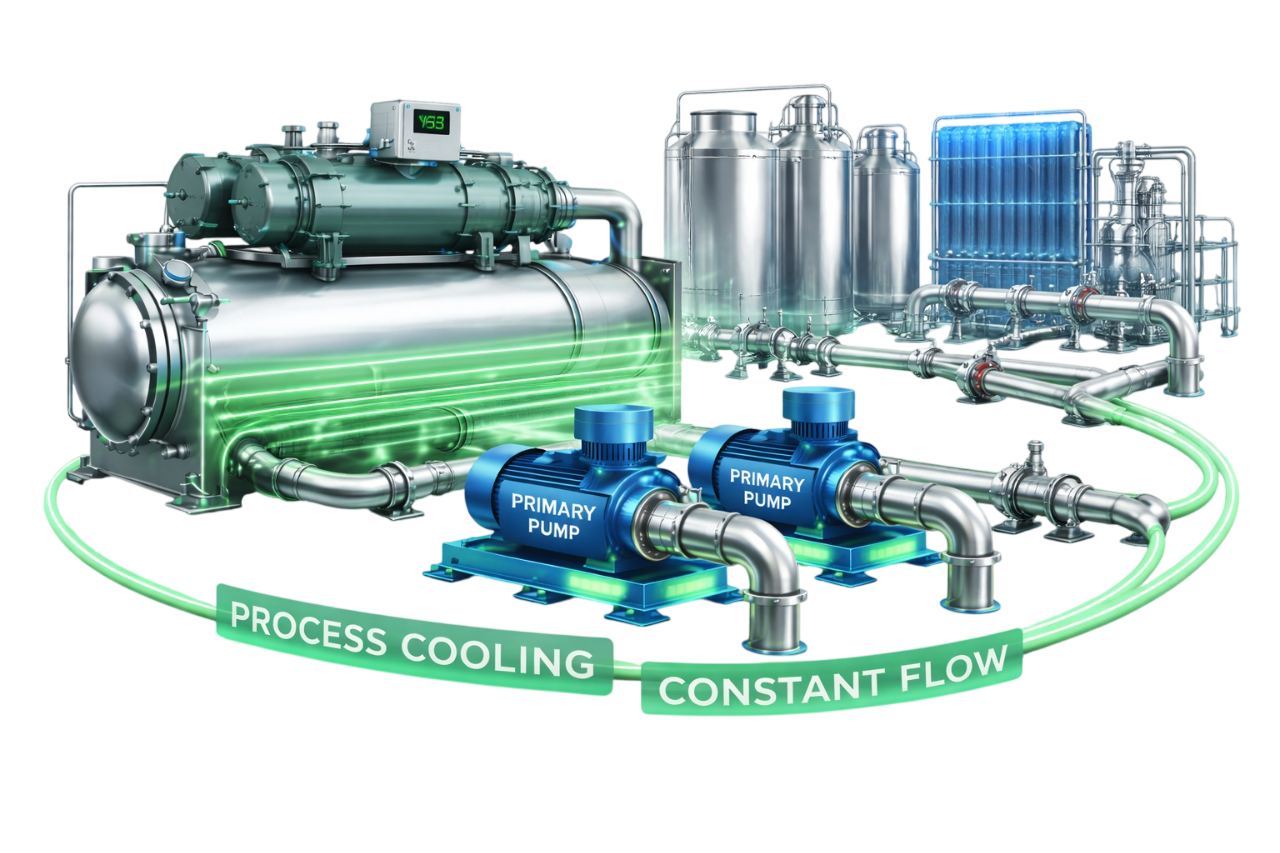
Constant Flow Hydronic Systems
Learn More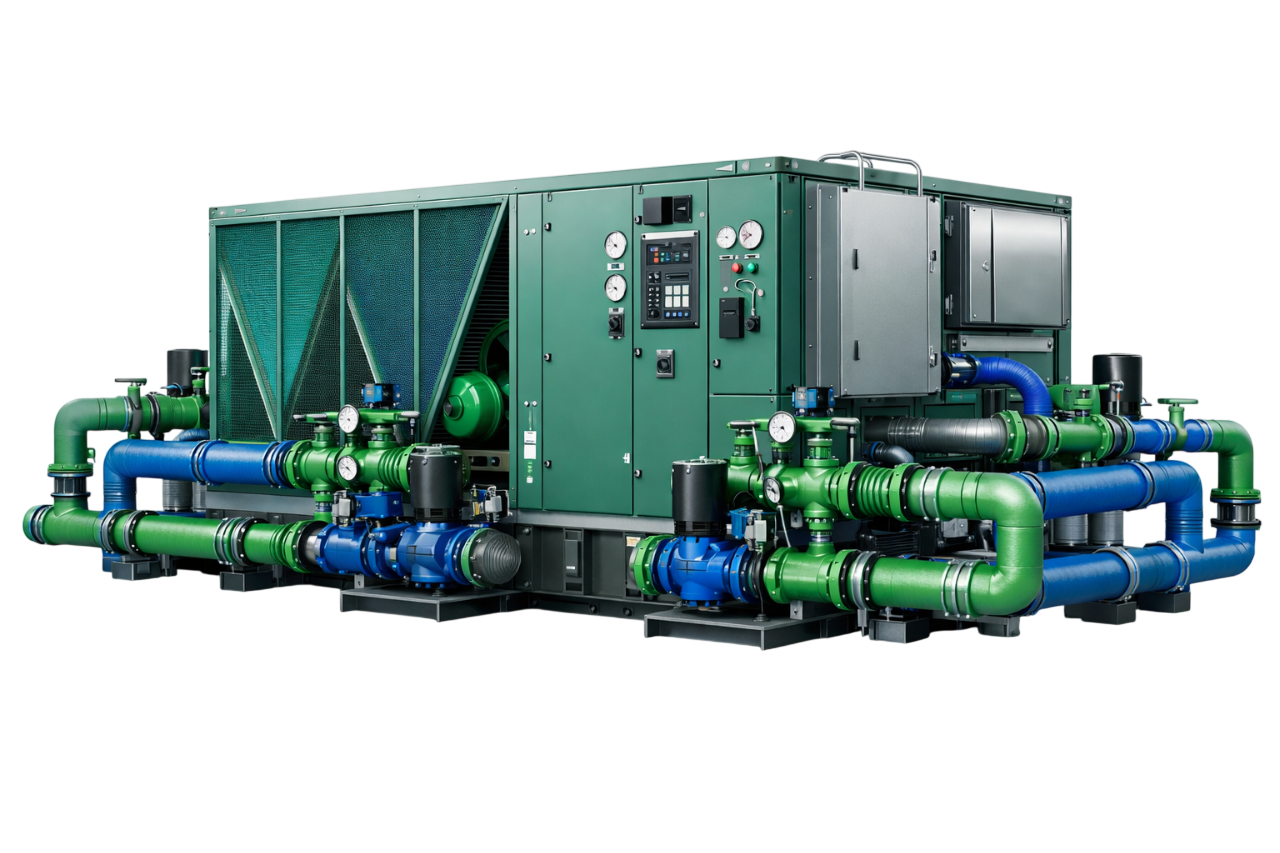
Two-Pipe & Four-Pipe Networks
Learn More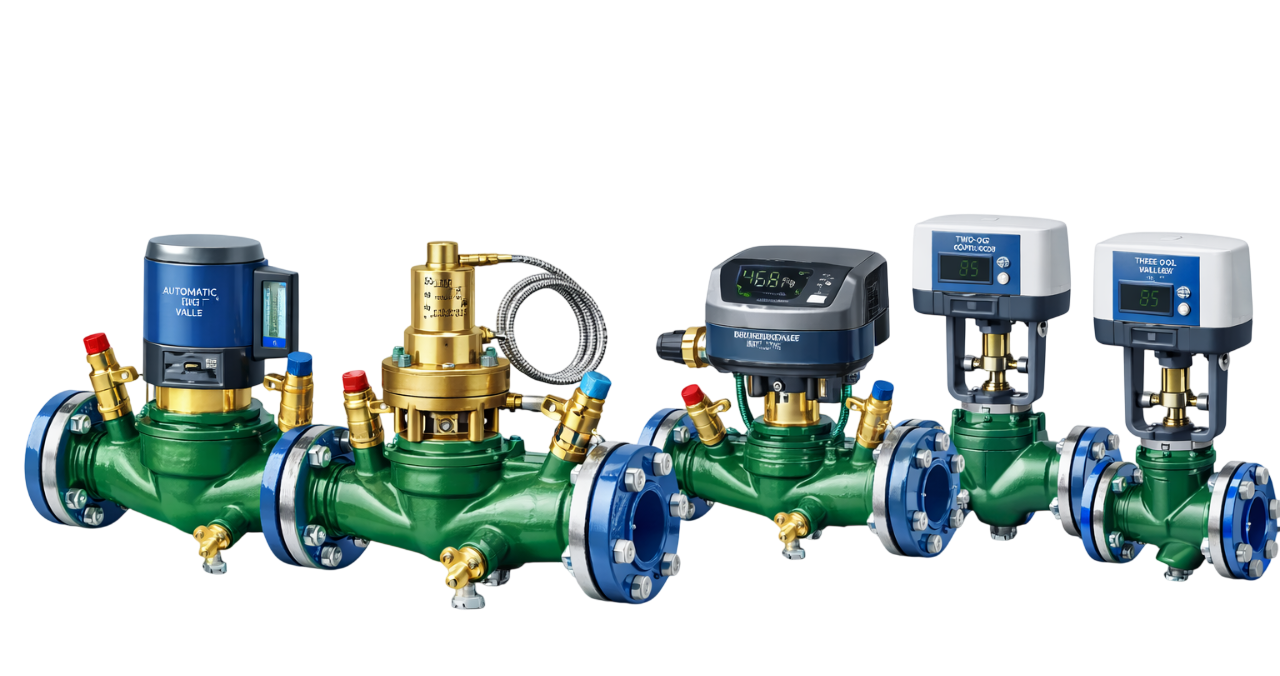
Balancing Valves & PICVs
Learn More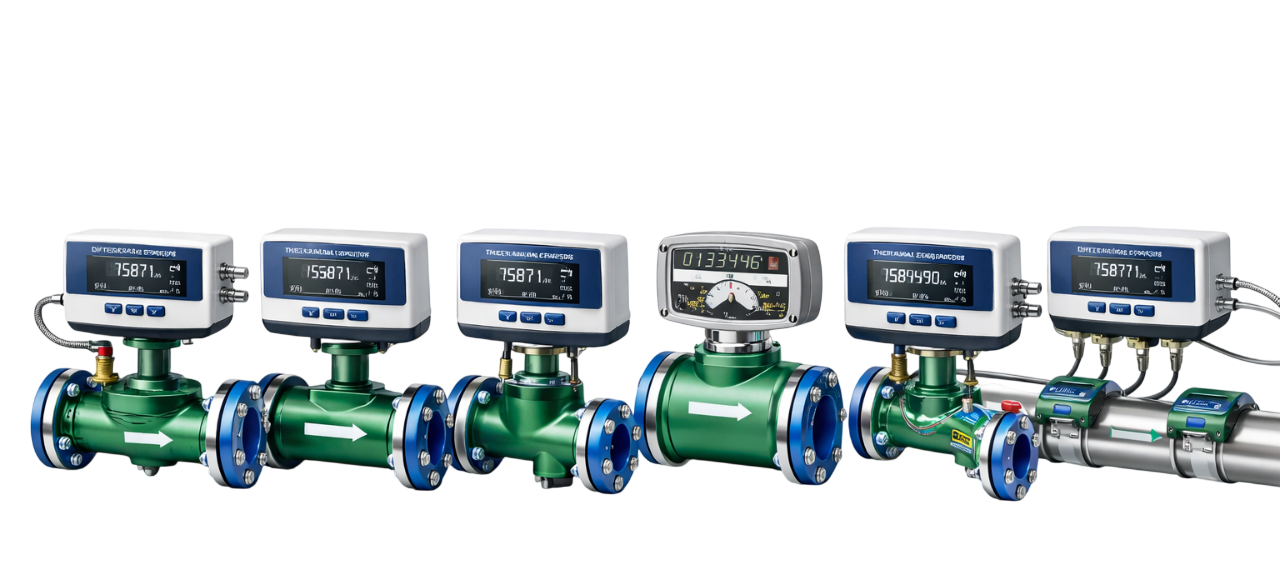
Flow Meters & Instruments
Learn MoreOur Engineering Approach – How We Execute
Structured engineering methodology for hydronic system design, ensuring technical accuracy, energy efficiency, and long-term performance stability.
System load analysis and hydraulic zoning
Pump head calculations and energy-efficient selection
Hydronic balancing methodology definition
Pipe sizing with velocity and pressure optimization
Valve and control strategy development
System testing, verification, and documentation
Applications & Project Environments
Our hydronic distribution solutions serve diverse commercial, industrial, and specialized environments.
- Central air conditioning plants
- Industrial process cooling systems
- Commercial HVAC installations
- Data centers and mission-critical facilities
- Pharmaceutical and cleanroom environments
- District cooling and utility networks
Engineering-Led Value Outcomes
Measurable performance, reliability, and cost advantages delivered through disciplined hydronic engineering and system-level validation.
- Stable and predictable system operation
- Reduced pump energy consumption
- Accurate flow distribution across HVAC equipment
- Improved equipment life and reduced wear
- Simplified system maintenance and troubleshooting
Consult with Our Engineering Team
Designing or upgrading a hydronic HVAC system requires careful engineering to ensure performance stability and efficiency. Our team supports hydronic systems from concept design through commissioning and long-term operation.
Related HVAC Systems & Services
HVAC systems operate as an integrated ecosystem. Explore related services that support system performance, reliability, and lifecycle efficiency.
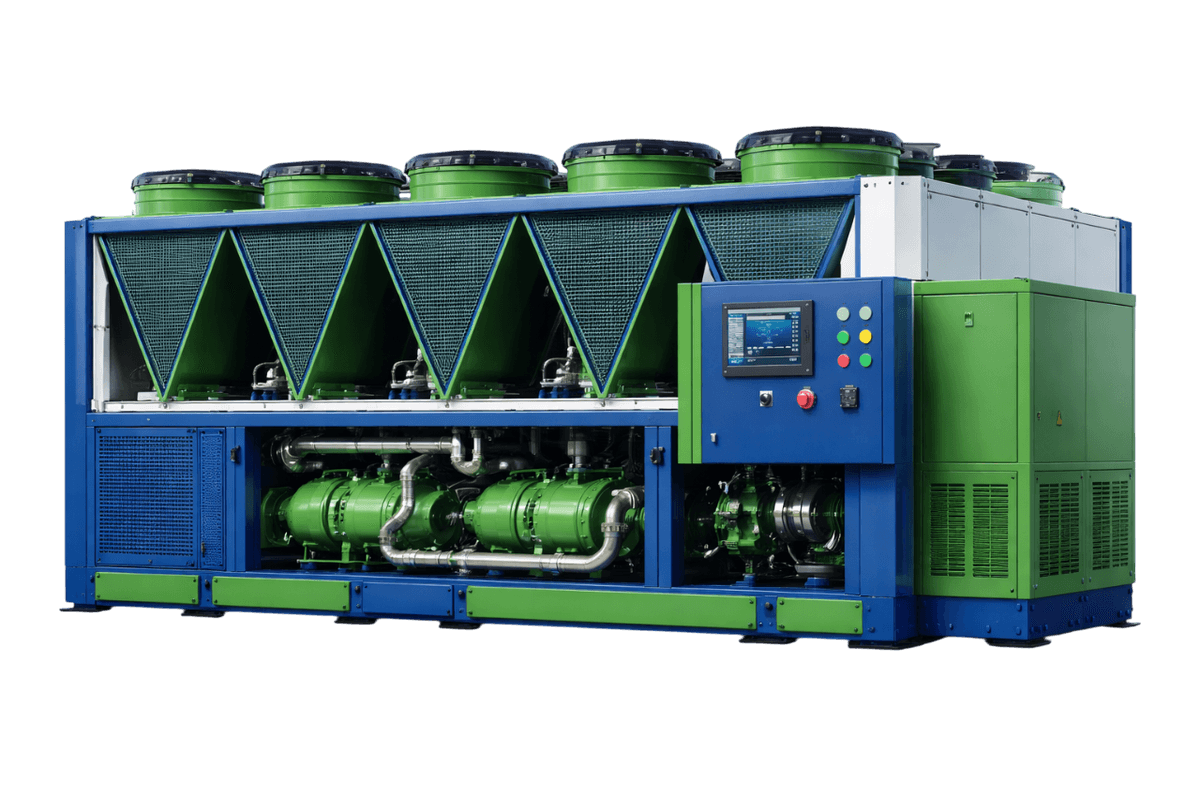
Chillers & Central Cooling Systems
Learn More
Air Conditioning Systems
Learn More
HVAC Automation & Instrumentation
Learn More
Testing & Commissioning
Learn More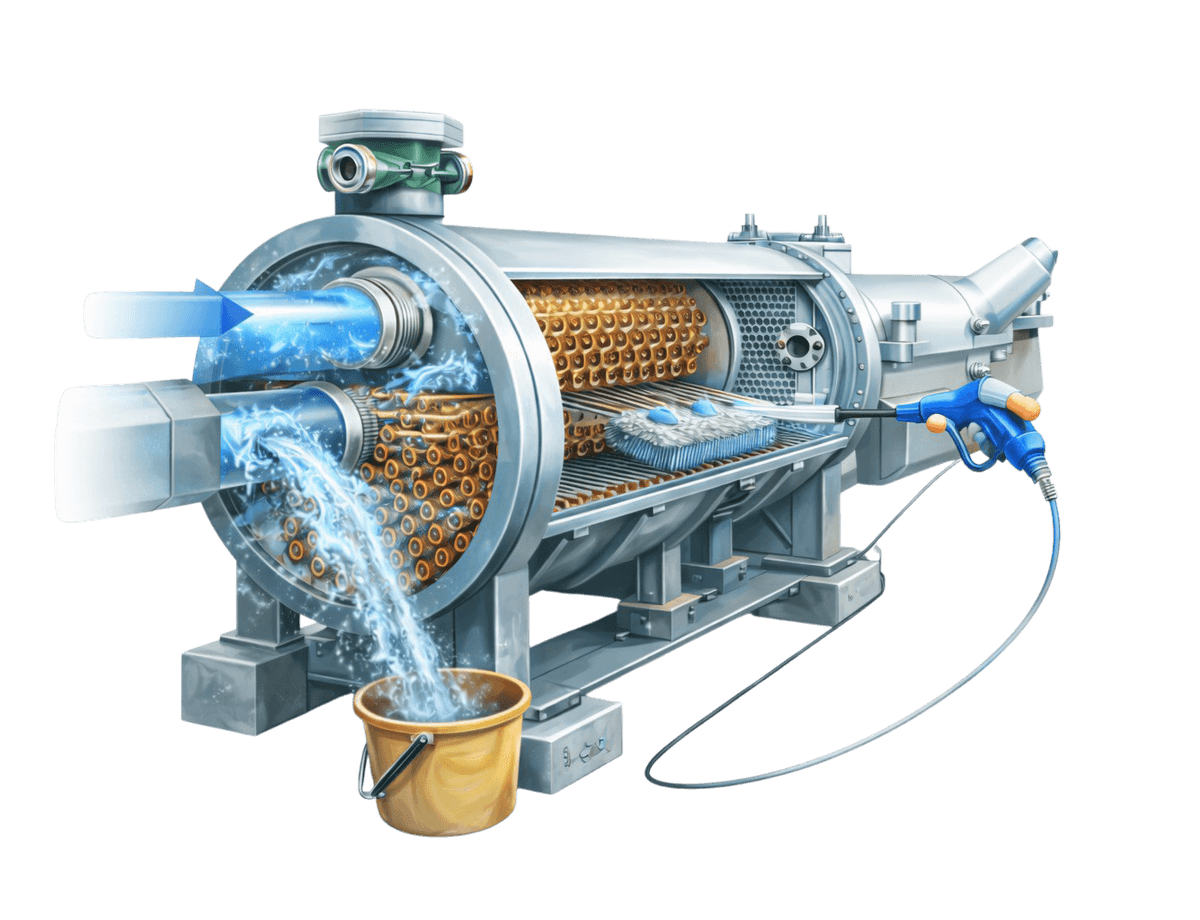
System Cleaning, Descaling & Overhauling
Learn More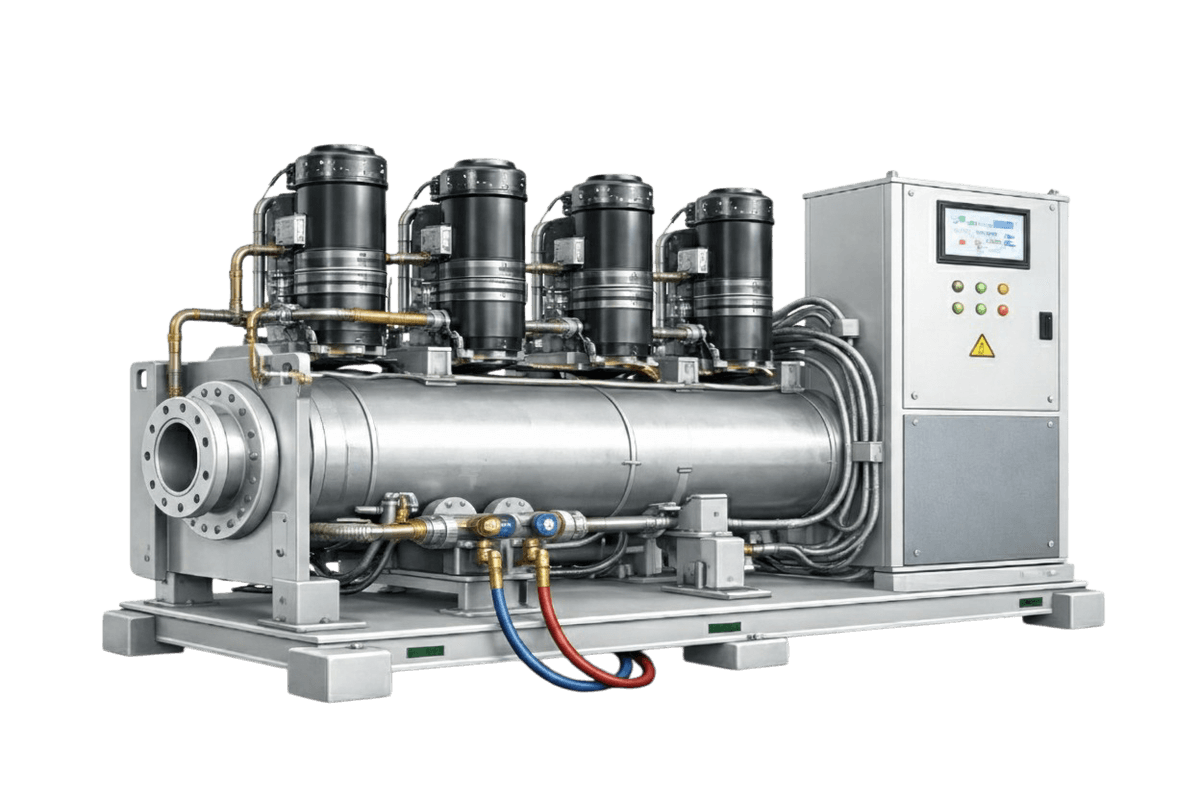
O&M / AMC Services
Learn MoreFrequently Asked Questions
What is a hydronic distribution system in HVAC?
A hydronic distribution system is a network of pipes, pumps, valves, and controls that circulates chilled or hot water throughout a building to provide heating and cooling through terminal units like fan coils, air handling units, and radiators.
Why is proper hydraulic balancing important?
Proper hydraulic balancing ensures even flow distribution to all terminal units, prevents over-pumping, reduces energy consumption, eliminates noise issues, and extends equipment life by preventing strain on pumps and valves.
What are Pressure Independent Control Valves (PICVs)?
PICVs are advanced control valves that maintain constant flow regardless of system pressure variations. They combine balancing, control, and shut-off functions in one unit, ensuring precise temperature control and energy efficiency.
How often should hydronic systems be balanced?
Hydronic systems should be balanced after initial installation, after major modifications, and during periodic maintenance (typically every 2-3 years) to maintain optimal performance and energy efficiency.
What is the difference between constant and variable flow systems?
Constant flow systems maintain fixed water flow rates, while variable flow systems adjust pump speed and flow based on demand, offering significant energy savings (30-50%) in partial load conditions.
How do you prevent corrosion in hydronic systems?
Corrosion prevention involves proper water treatment, using corrosion inhibitors, maintaining correct pH levels, installing air separators, using non-ferrous materials where possible, and regular system flushing.
What are primary-secondary pumping systems?
Primary-secondary systems use separate pump circuits: primary pumps circulate water through chillers/boilers, while secondary pumps distribute water to building zones. This decoupling allows independent flow control and better part-load performance.
How do you calculate pump head for hydronic systems?
Pump head calculation considers friction losses in pipes, fittings, valves, equipment (chillers, coils), static head, and safety factors. Proper calculation ensures adequate pressure without over-sizing pumps.
What is system flushing and why is it necessary?
System flushing removes debris, rust, scale, and contaminants from new or existing piping systems. It's essential for preventing clogged valves, protecting equipment, ensuring proper flow, and maintaining system efficiency.
What are the benefits of variable speed drives on pumps?
Variable speed drives reduce pump energy consumption by 30-60%, minimize wear and tear, provide soft starting, improve system control, and extend equipment life by matching pump speed to actual demand.
How do you prevent water hammer in hydronic systems?
Water hammer prevention includes proper valve selection (slow-closing valves), installing water hammer arrestors, maintaining appropriate flow velocities, ensuring adequate pipe support, and proper system design with gradual pressure changes.
What maintenance is required for hydronic systems?
Regular maintenance includes checking pump bearings and seals, verifying pressure gauges, inspecting expansion tanks, testing safety valves, water quality testing, balancing verification, and cleaning strainers/filters.