Air Conditioning Systems
(Engineered cooling solutions for comfort, control, and reliability)
Engineered Cooling for Occupied Spaces
Air conditioning systems are designed to control temperature, humidity, and air movement within occupied spaces to ensure comfort, process stability, and operational reliability. The effectiveness of an air conditioning system depends not only on equipment selection, but on correct system engineering, integration, and application-specific design.
At Compress India, air conditioning systems are engineered with a focus on load accuracy, system suitability, energy efficiency, serviceability, and long-term operational performance across commercial, industrial, and specialized environments.
Scope of Services – What We Deliver?
Comprehensive air conditioning solutions covering design, installation, and optimization for various commercial and industrial applications.
- Cooling and heating load assessment
- Indoor and outdoor unit selection
- Air distribution and space comfort control
- Humidity management and fresh air integration
- Electrical and control system coordination
- System performance validation
System Types & Configurations
Explore our comprehensive range of air conditioning systems designed for efficient temperature control in various applications.
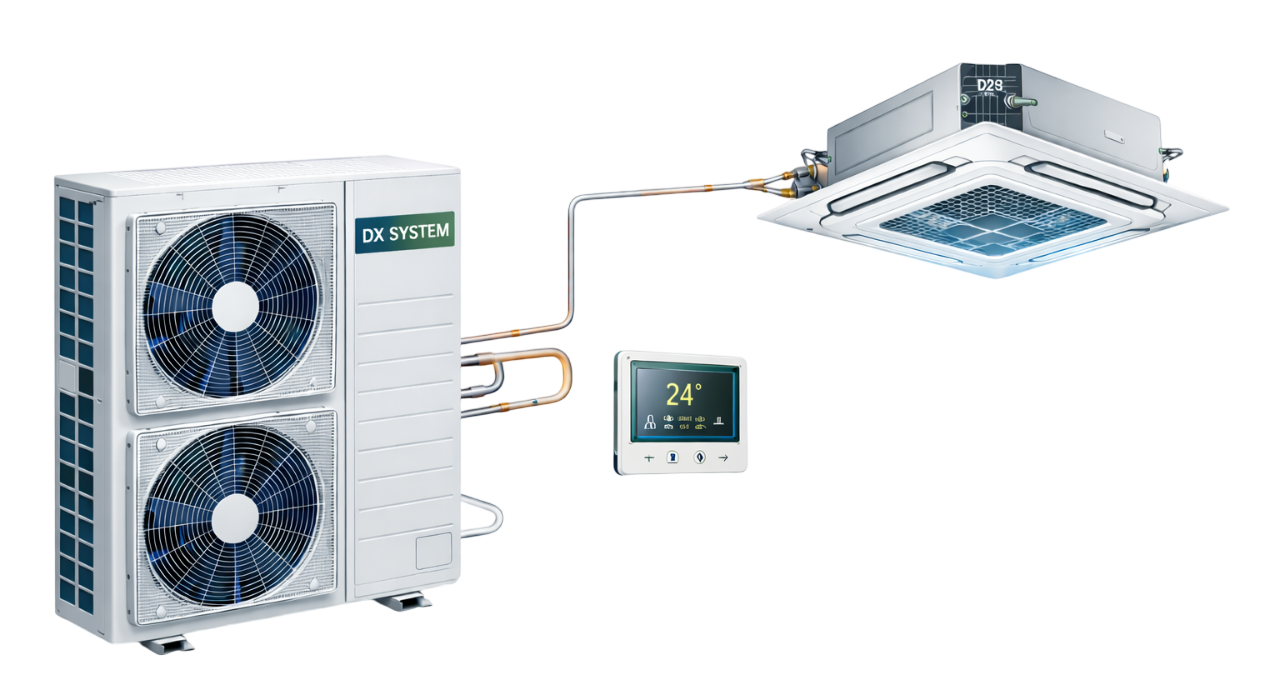
DX Air Conditioning Systems
Learn More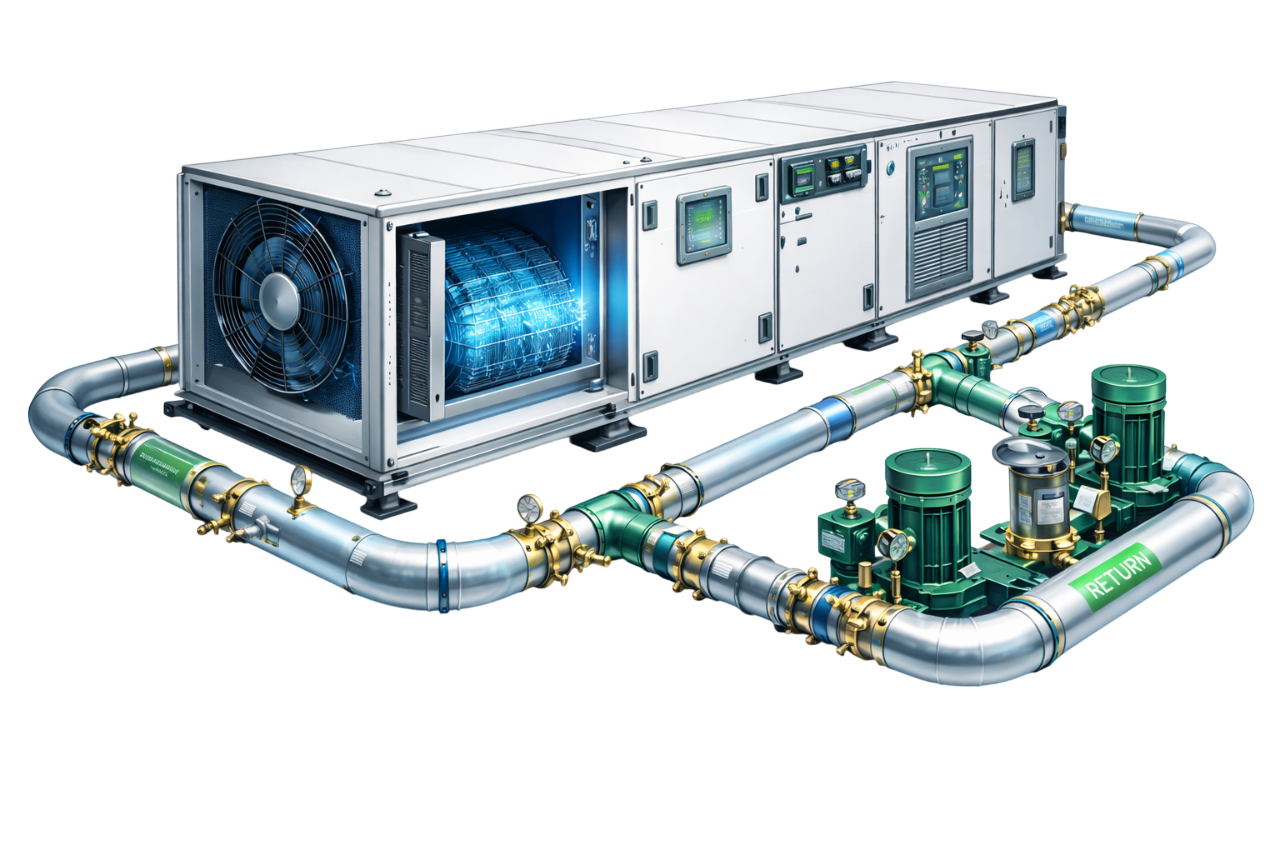
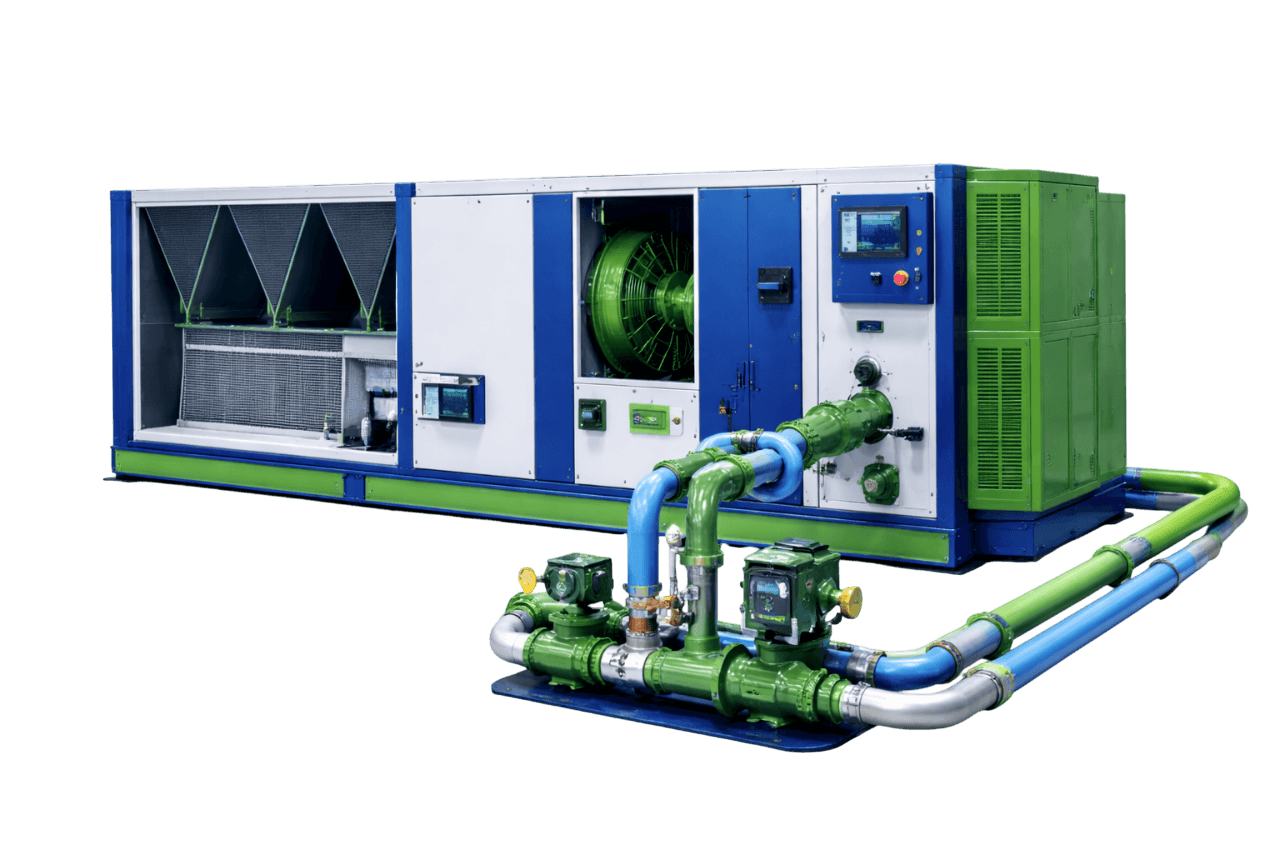
Hydronic Air Conditioning Systems
Learn More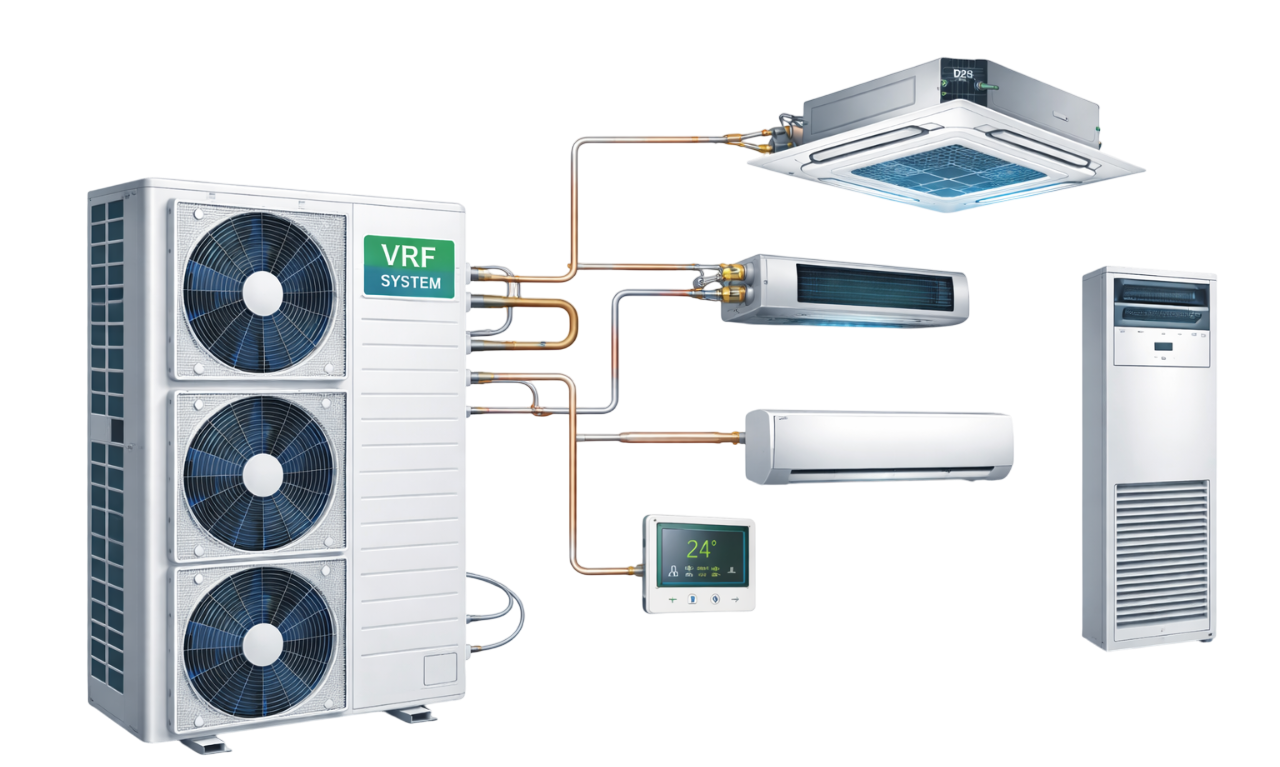
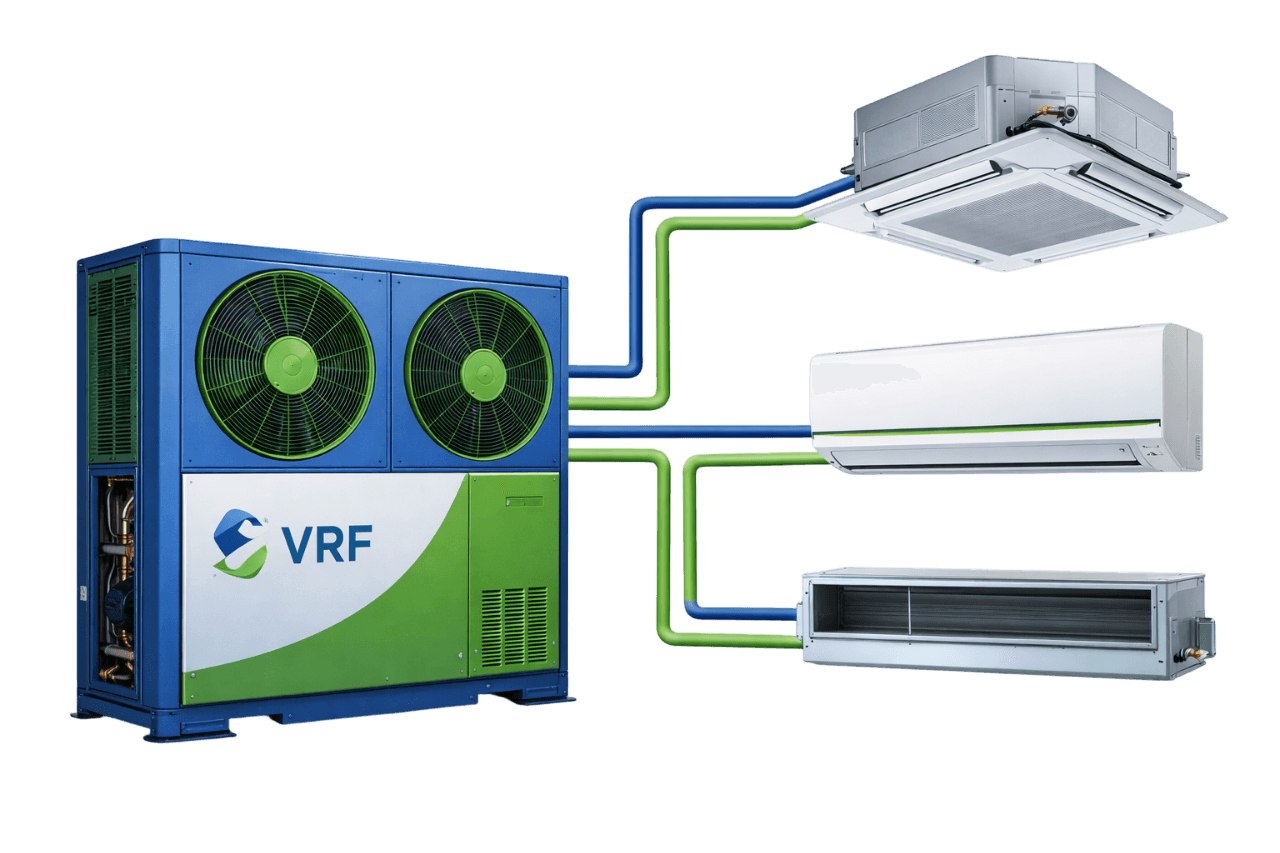
VRF / VRV Systems
Learn More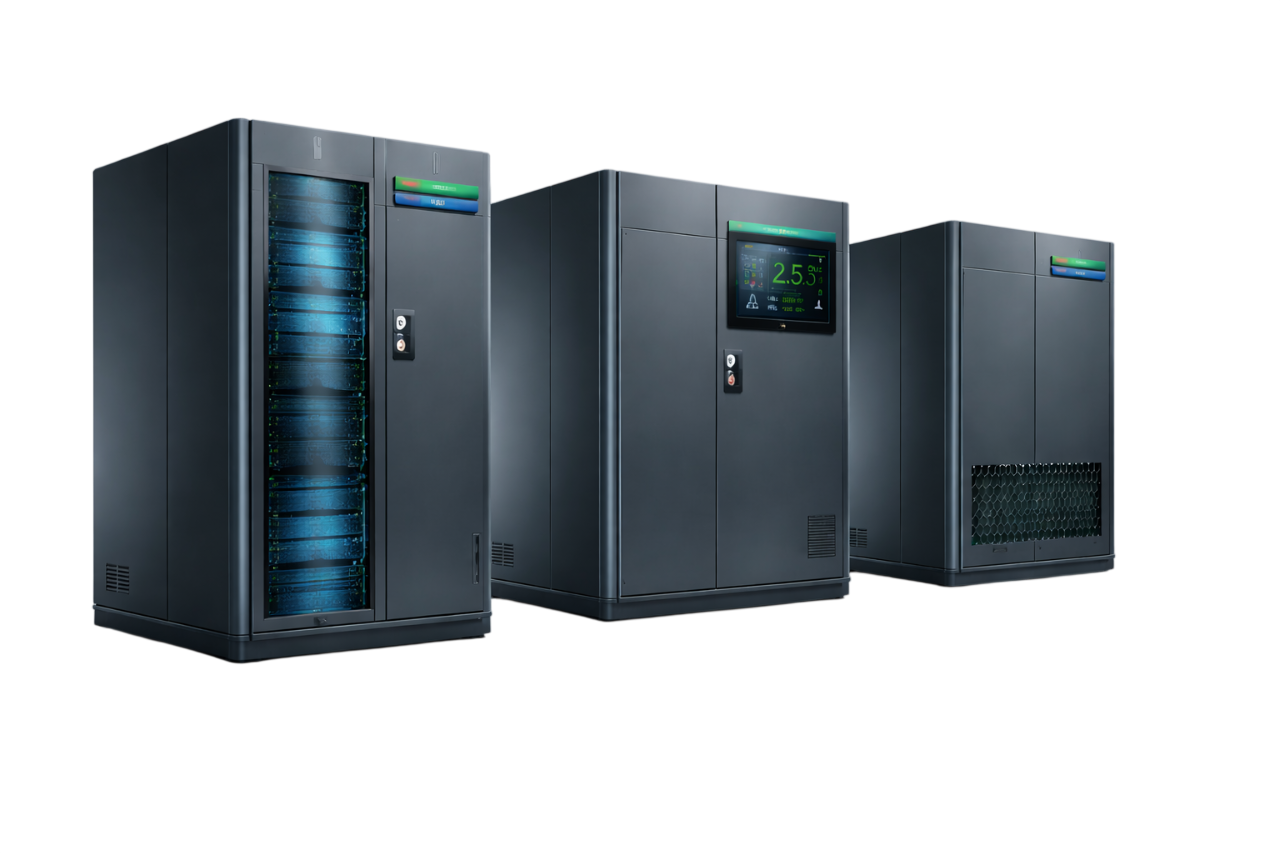
Precision Air Conditioning Systems
Learn MoreOur Engineering Approach – How We Execute
Structured methodology for air conditioning system design and implementation, ensuring technical accuracy, energy efficiency, and optimal comfort performance.
Project requirement analysis and space usage evaluation
System selection based on application suitability
Control philosophy definition
Cooling and heating load calculations
Equipment sizing and layout coordination
Design validation and optimisation
Applications & Project Environments
Our air conditioning solutions serve diverse commercial, industrial, healthcare, and specialized environments.
- Commercial offices and corporate buildings
- Hospitals, laboratories, and healthcare facilities
- Industrial workspaces and production areas
- Retail, hospitality, and public buildings
- Data centers and controlled environments
Engineering-Led Value Outcomes
Measurable performance, reliability, and cost advantages delivered through disciplined air conditioning engineering and system-level validation.
- Stable indoor comfort and temperature control
- Energy-efficient system operation
- Reduced equipment stress and longer service life
- Ease of maintenance and system scalability
- Reliable performance under real operating conditions
Consult with Our Engineering Team
Selecting the right air conditioning system requires a clear understanding of load characteristics, space usage, and operational expectations. Our engineering team supports air conditioning projects from concept design through execution and long-term operation.
Related HVAC Systems & Services
HVAC systems operate as an integrated ecosystem. Explore related services that support system performance, reliability, and lifecycle efficiency.
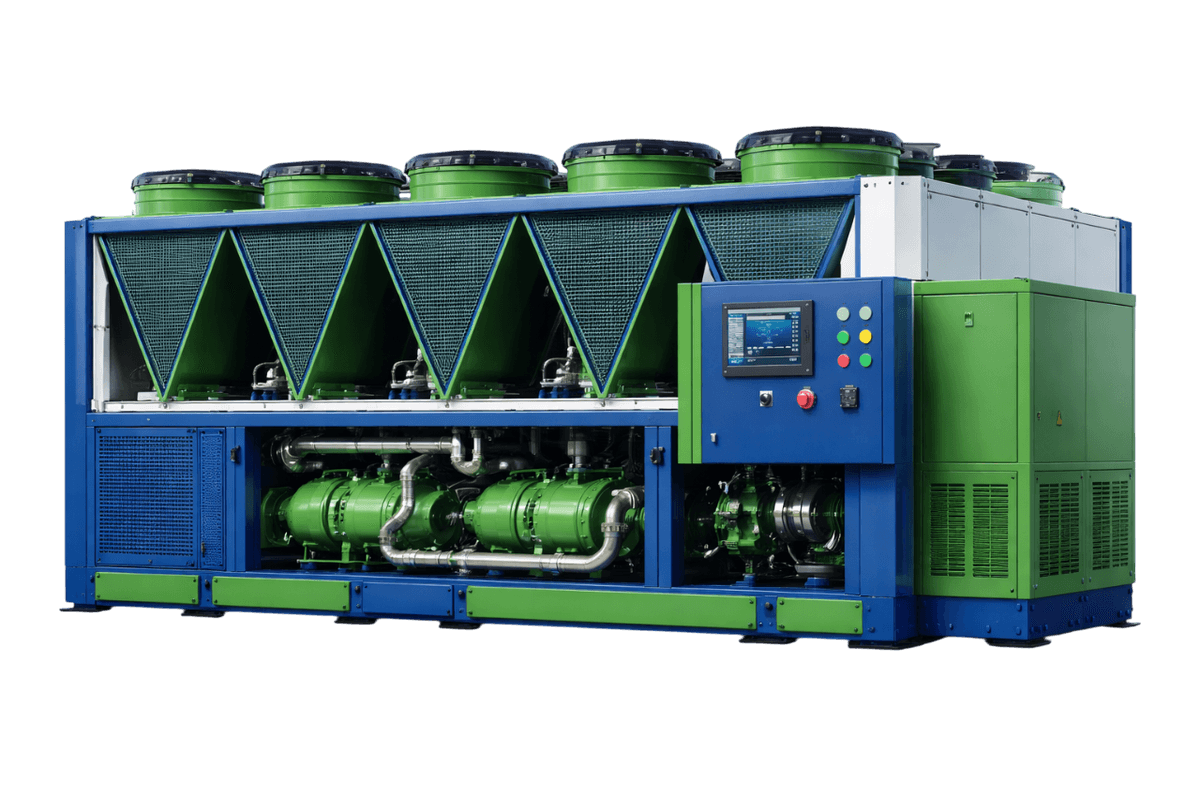
Chillers & Central Cooling
Learn More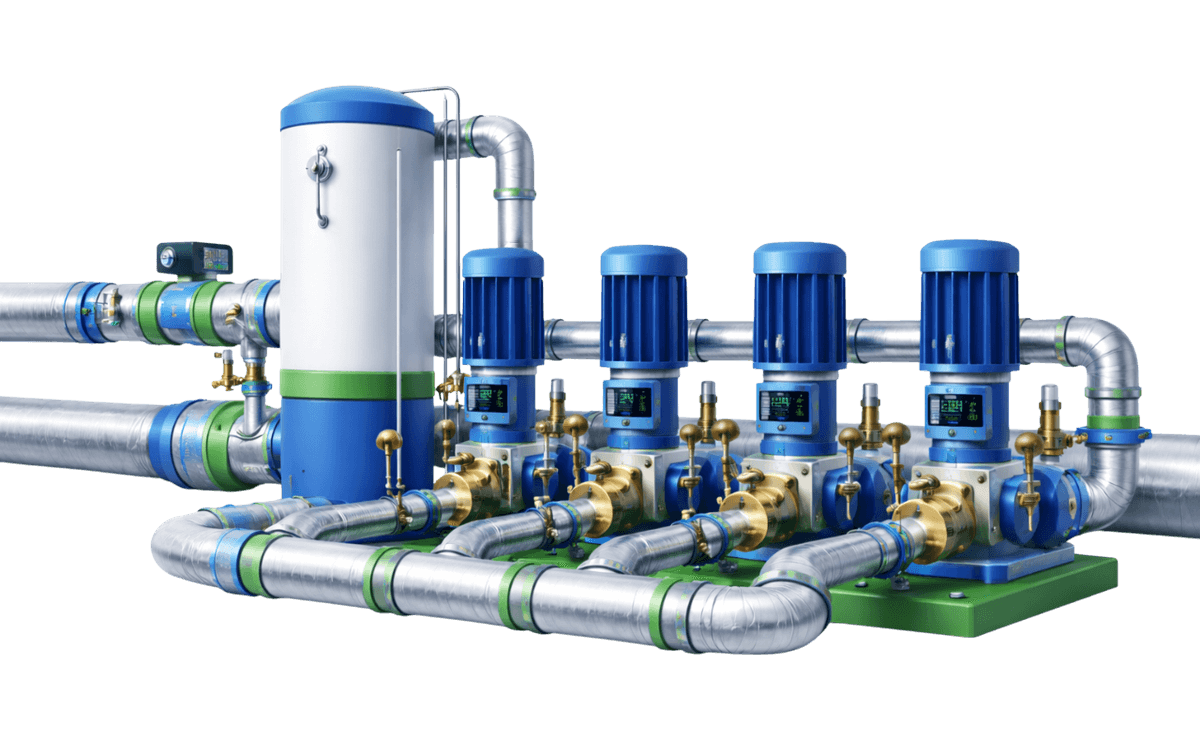
Hydronic Distribution & Flow Control
Learn More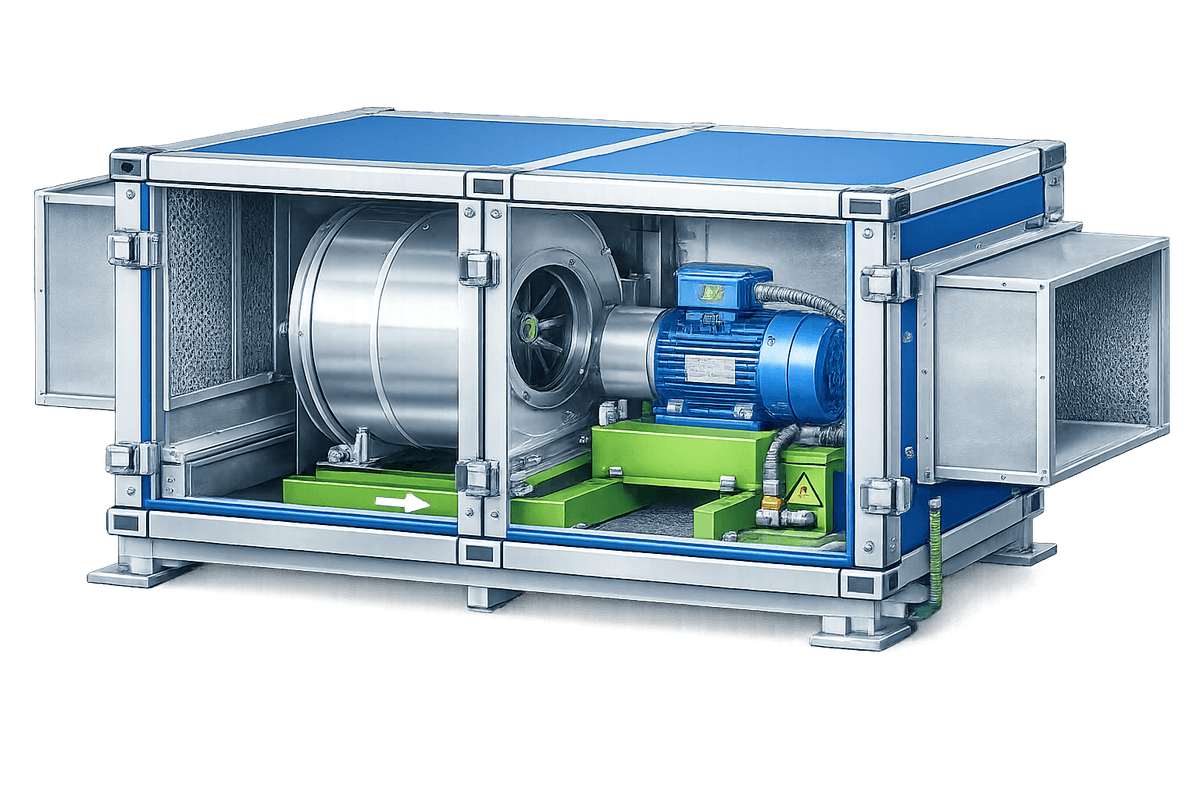
Ventilation & Air Management
Learn More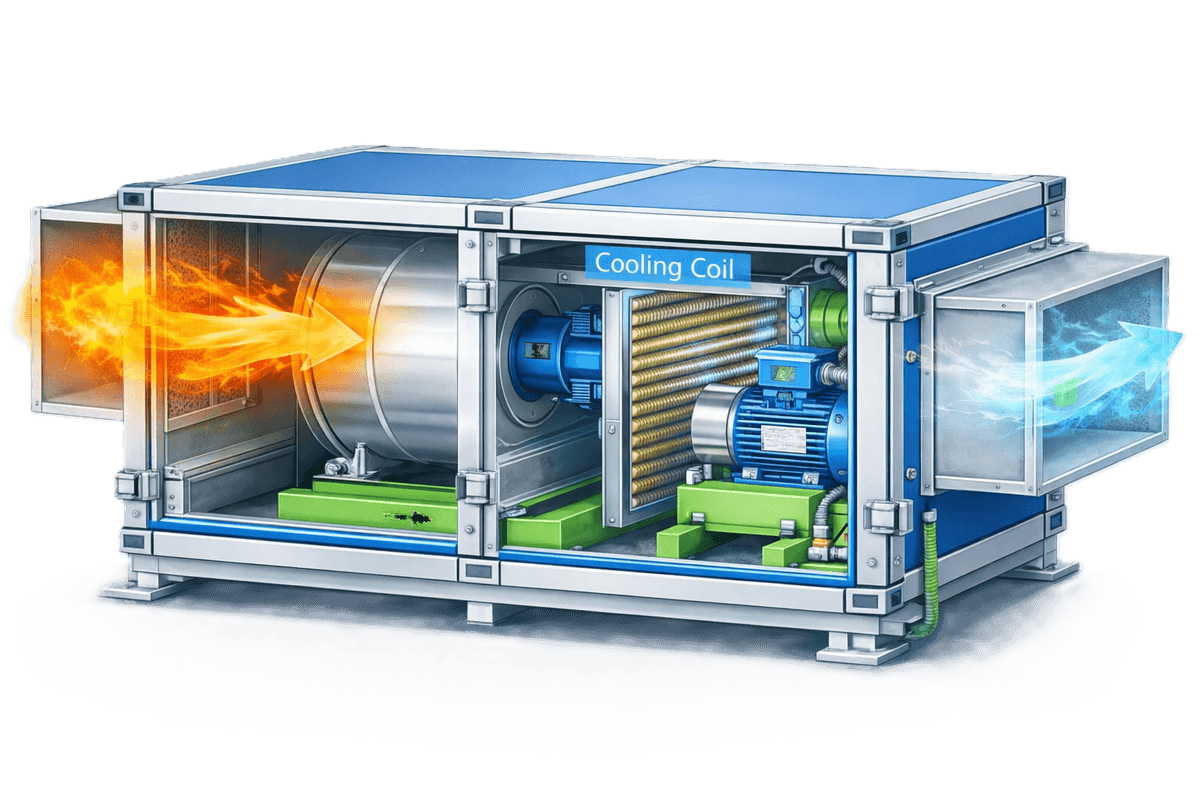
Fresh Air & IAQ Systems
Learn More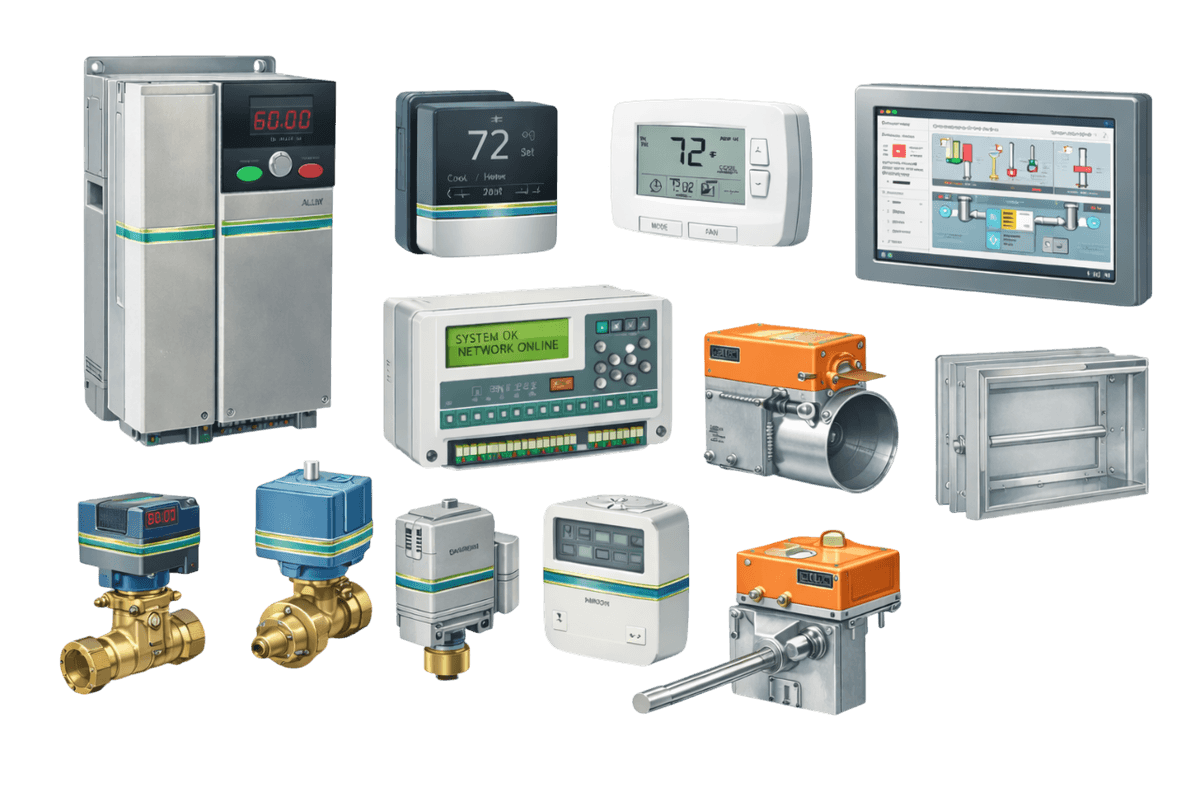
HVAC Automation & Instrumentation
Learn More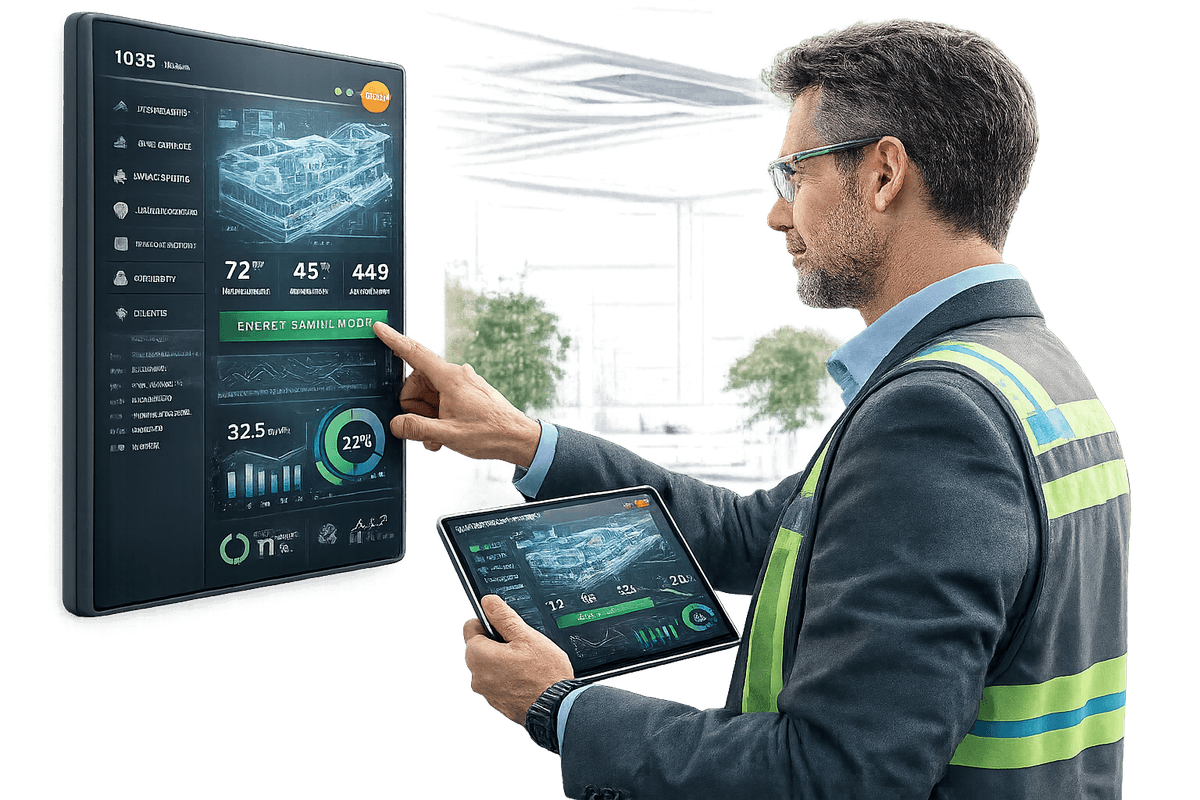
Testing & Commissioning
Learn MoreFrequently Asked Questions
What types of air conditioning systems are suitable for commercial buildings?
Commercial buildings typically use VRF systems, packaged rooftop units, split systems, or central chilled water systems depending on building size, usage patterns, and budget considerations.
What is the difference between VRF and split AC systems?
VRF systems use variable refrigerant flow technology allowing multiple indoor units to connect to a single outdoor unit with precise temperature control, while split systems have dedicated indoor-outdoor pairs with limited zoning capabilities.
How do I calculate cooling load for my space?
Cooling load calculations consider space dimensions, occupancy, lighting, equipment heat gain, orientation, insulation, fresh air requirements, and local climate conditions using standardized methods like CLTD or HAP software.
What is precision air conditioning and where is it used?
Precision AC provides precise temperature (±1°C) and humidity control (±5% RH) for sensitive environments like data centers, server rooms, laboratories, pharmaceutical facilities, and telecom exchanges.
How important is proper duct design in AC systems?
Proper duct design ensures adequate airflow distribution, minimizes pressure losses, reduces noise, improves energy efficiency, and maintains comfort levels throughout all conditioned spaces.
What maintenance is required for commercial AC systems?
Regular maintenance includes cleaning filters and coils, checking refrigerant levels, inspecting electrical connections, verifying thermostat calibration, cleaning drain lines, and checking compressor operation.
What are energy-efficient features in modern AC systems?
Modern systems feature inverter compressors, variable speed drives, heat recovery, smart controls, high-efficiency heat exchangers, EC fans, and advanced refrigerants for improved energy performance.
How do I choose between air-cooled and water-cooled systems?
Air-cooled systems are simpler and cost-effective for smaller applications, while water-cooled systems offer higher efficiency for large installations but require cooling towers and more maintenance.
What is the typical lifespan of commercial AC systems?
With proper maintenance, commercial AC systems typically last 10-15 years for rooftop units, 15-20 years for chillers, and 8-12 years for split systems depending on usage and environmental conditions.
How can I improve indoor air quality with AC systems?
IAQ can be improved with proper fresh air intake, high-efficiency filters (HEPA/MERV), UV germicidal lamps, humidity control, regular duct cleaning, and maintaining adequate ventilation rates.
What are the benefits of HVAC automation and controls?
Automation provides energy savings (15-30%), remote monitoring, predictive maintenance, optimized operation, data analytics, fault detection, and integration with building management systems.
What factors affect AC system installation costs?
Installation costs depend on system type, capacity, building complexity, ductwork requirements, electrical upgrades, control systems, insulation needs, and local labor and material costs.