Thermal & Acoustic Insulation
(Engineered insulation solutions for energy efficiency, condensation control & noise reduction)
Engineered Intelligence for HVAC System Performance
HVAC automation and instrumentation systems form the control and decision-making layer of modern HVAC installations. These systems monitor operating parameters, regulate equipment performance, and ensure HVAC systems operate safely, efficiently, and in line with design intent under all operating conditions.
At Compress India, HVAC automation is engineered as an integrated control architecture, combining field instrumentation, control panels, variable frequency drives, and supervisory systems. Our approach focuses on reliability, clarity of control logic, expandability, and long-term operational stability rather than over-complex automation.
Scope of Services of Thermal & Acoustic Insulation
What Thermal & Acoustic Insulation Involve?
System Types & Configurations
Explore our comprehensive range of thermal and acoustic insulation systems designed for energy efficiency, condensation control, and noise reduction in various applications.
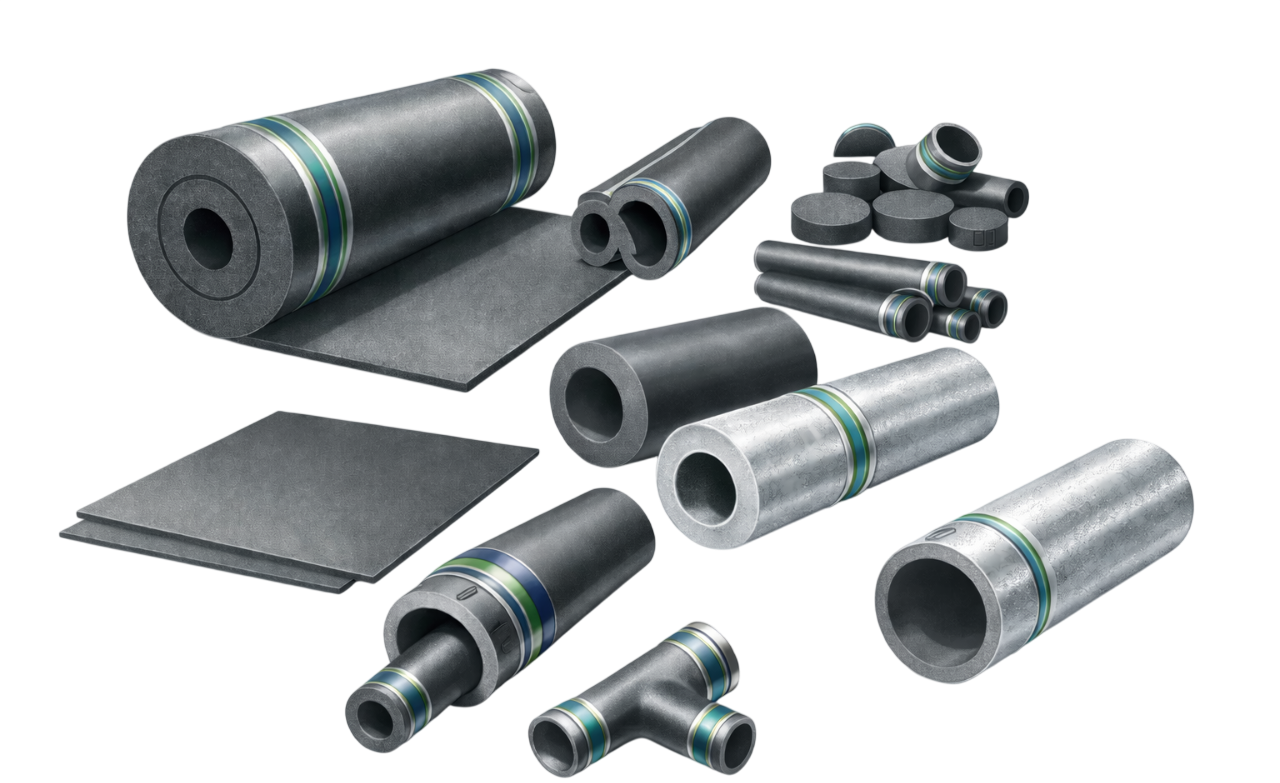
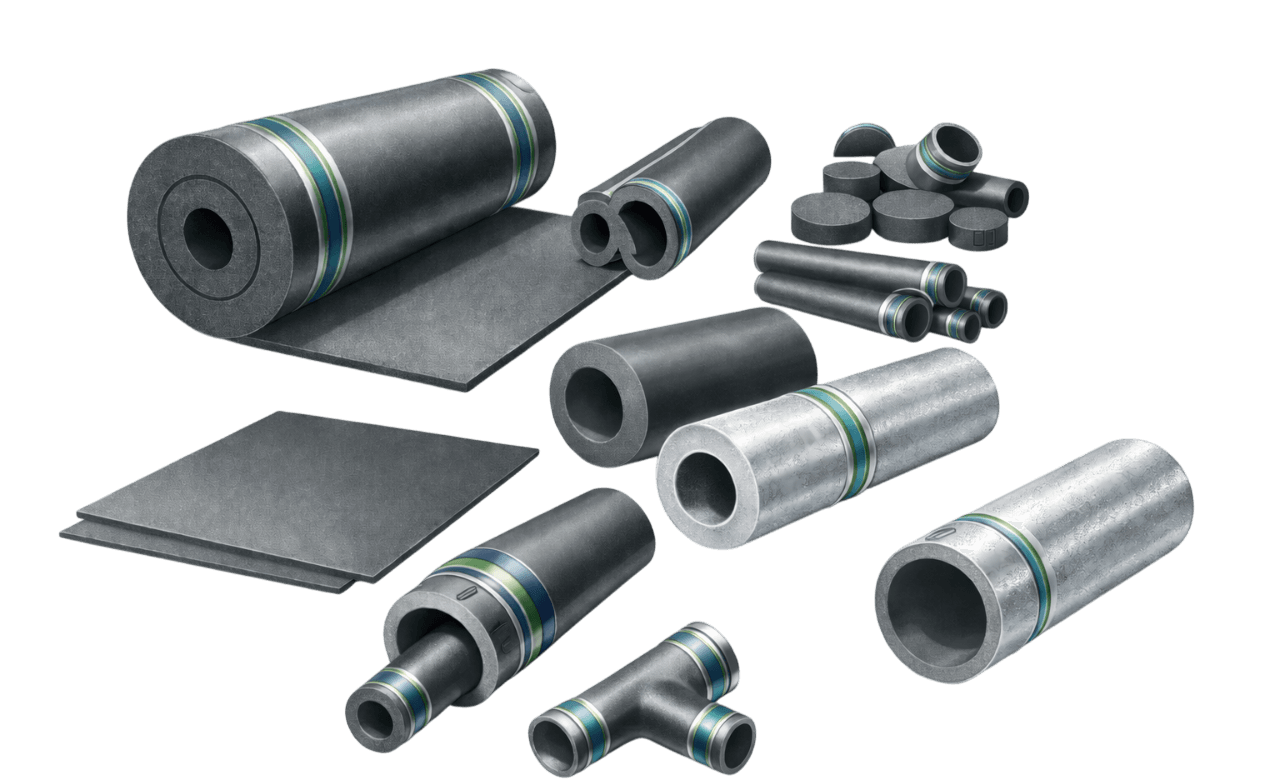
Chilled Water & Cold Insulation Systems
Learn More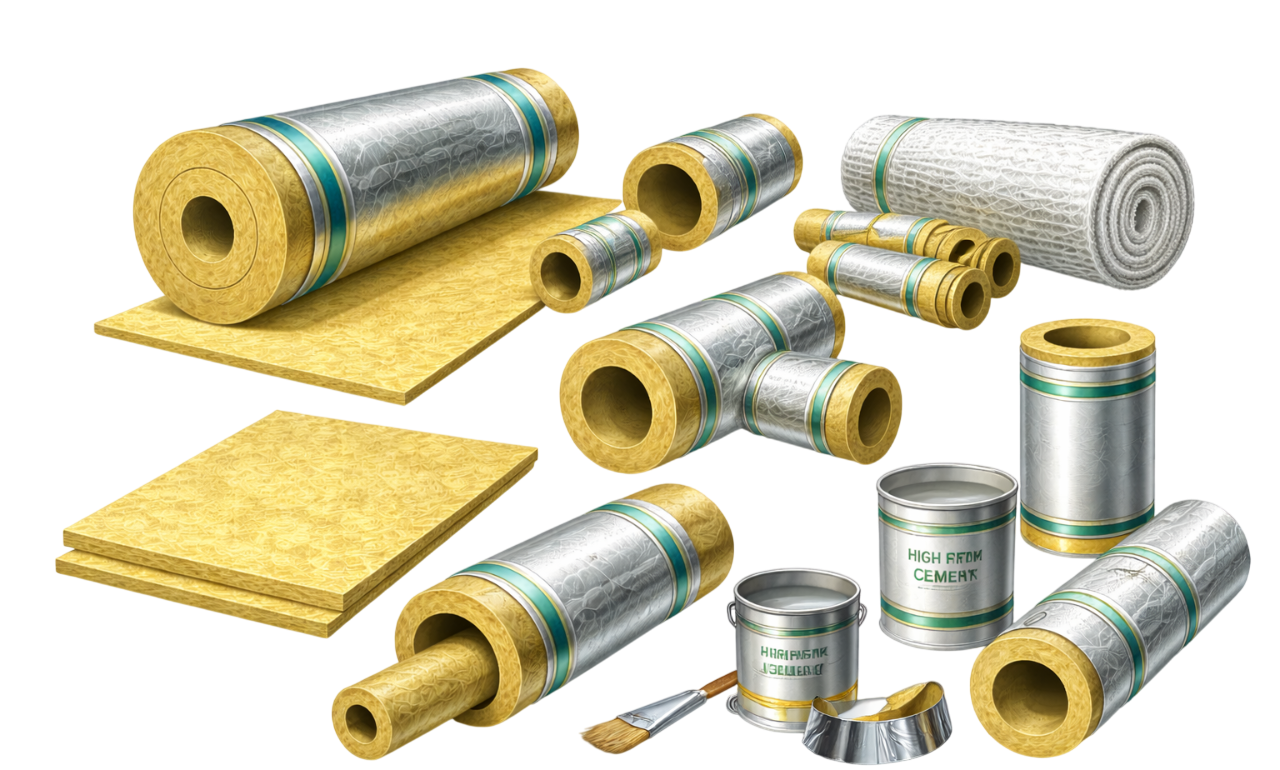
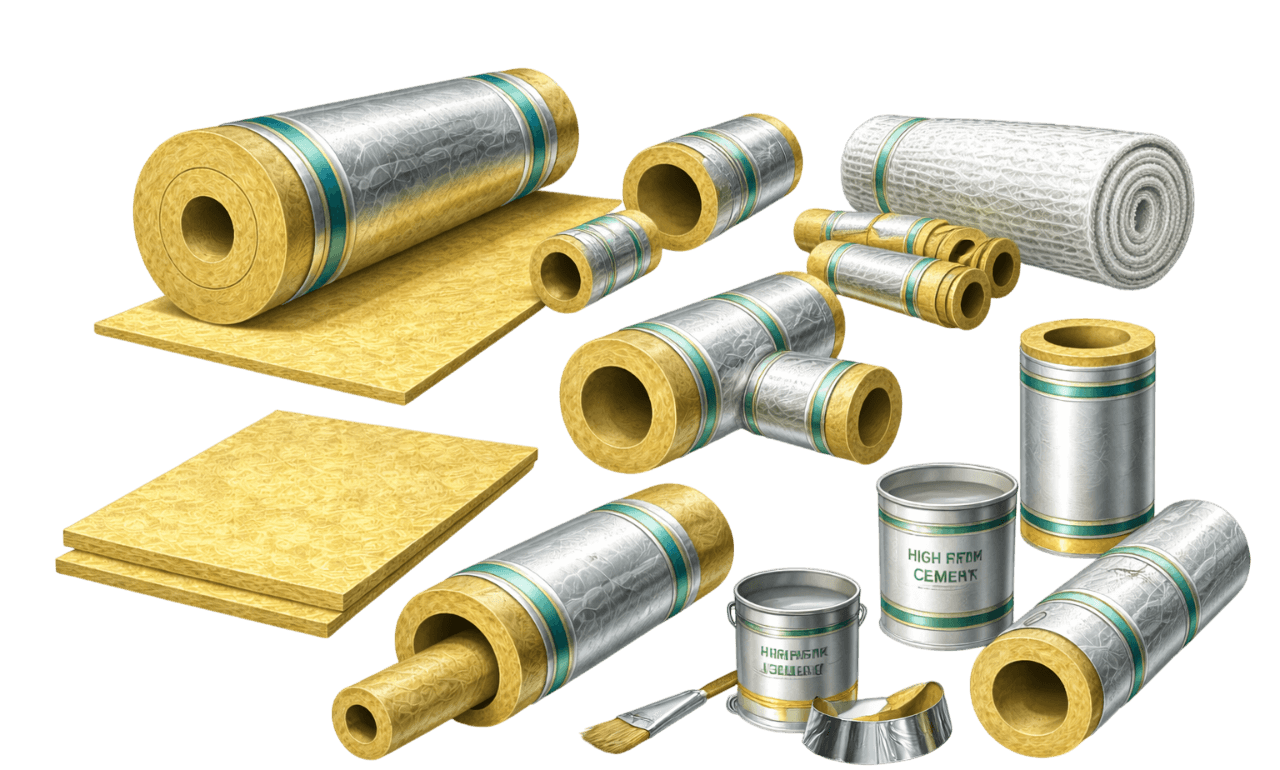
Hot Water & High-Temperature Insulation
Learn More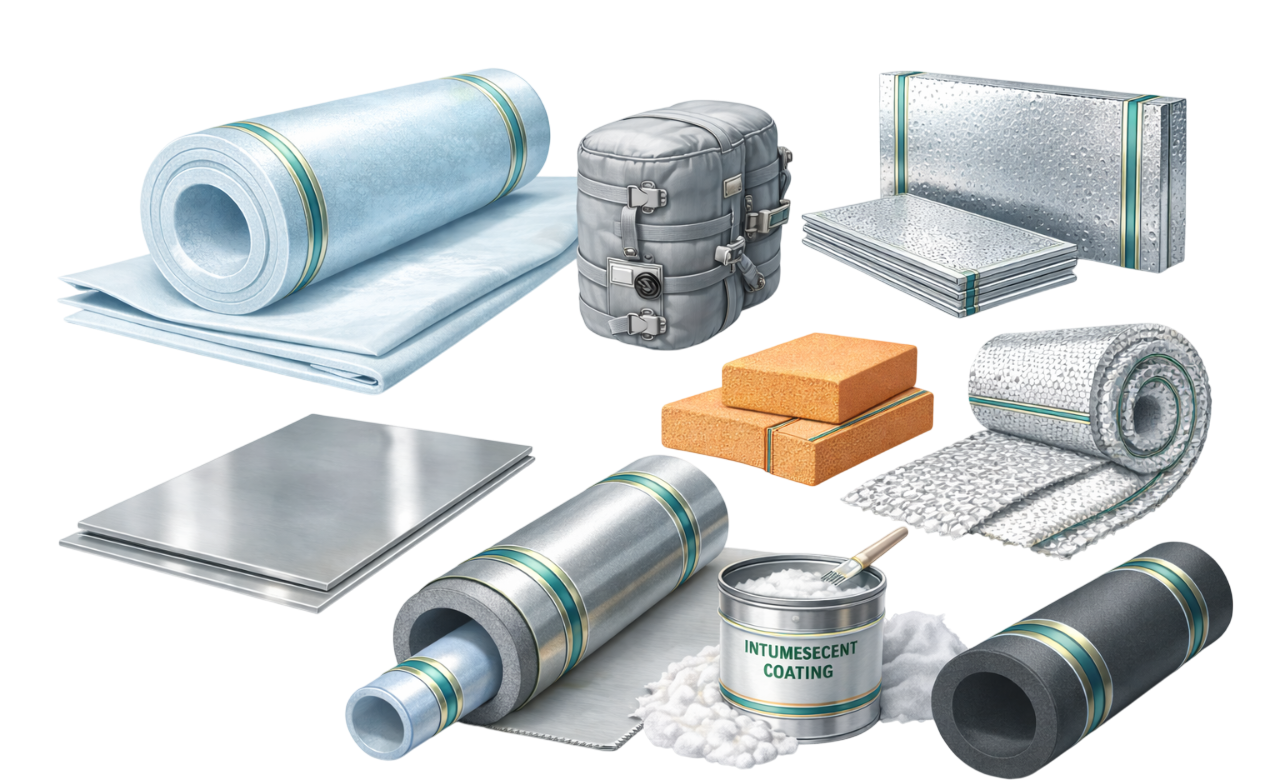
Custom & Specialized Insulation Solutions
Learn More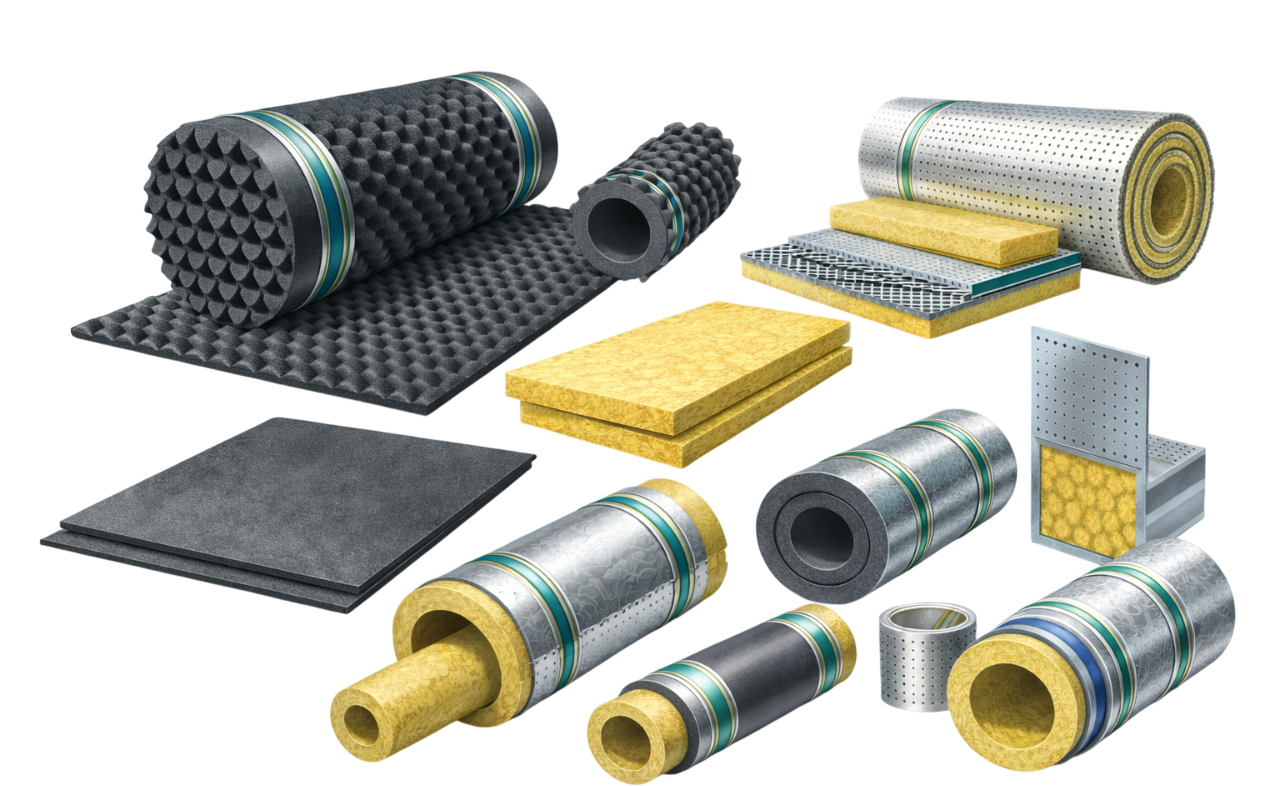
Acoustic Insulation & Noise Control
Learn More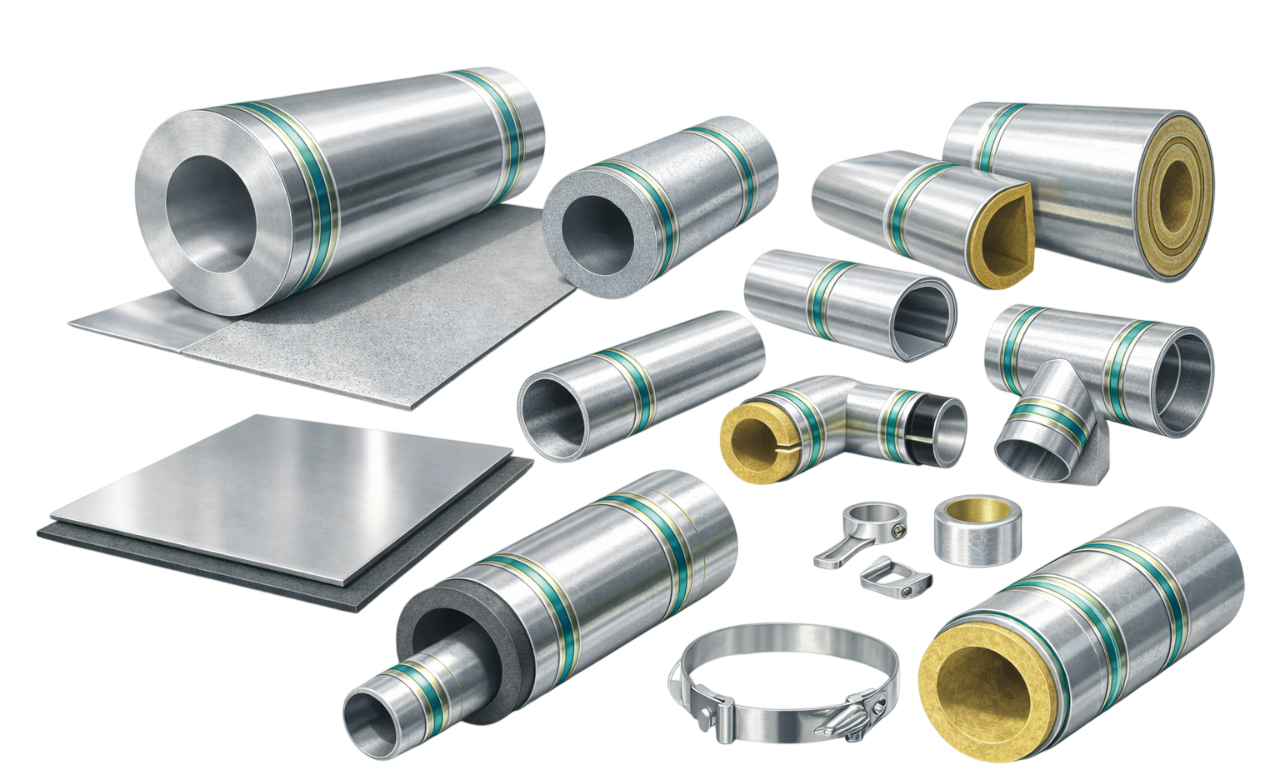
Vapour Barriers, Cladding & Jacketing
Learn More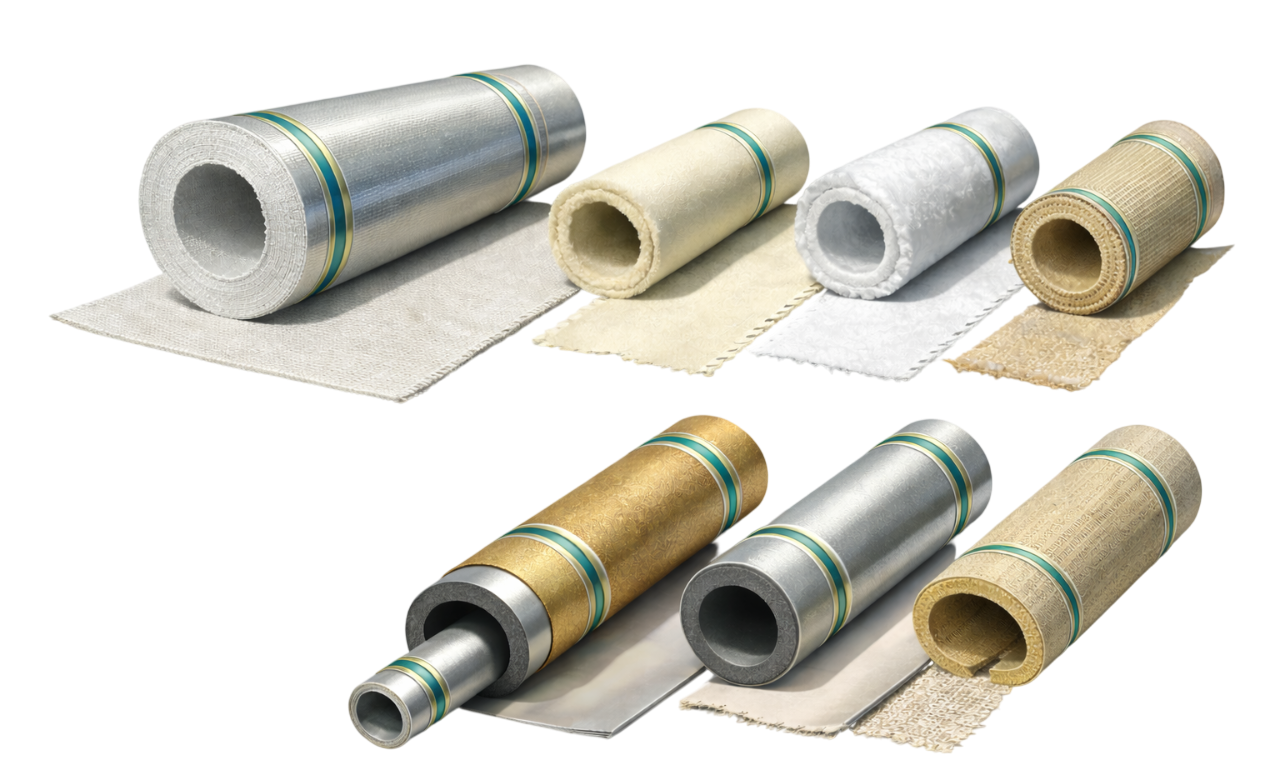
HVAC Specialized Protective Coating
Learn MoreOur Engineering Approach – How We Execute
Structured methodology for insulation system design and implementation, ensuring technical accuracy, optimal performance, and long-term reliability.
Operating temperature and environmental assessment
Vapour barrier and condensation analysis
Installation detailing and protection strategy
Insulation thickness and material selection
Acoustic performance requirement evaluation
Inspection and performance verification
Applications & Project Environments
Our insulation solutions serve diverse commercial, industrial, healthcare, and specialized environments requiring efficient thermal and acoustic performance.
Engineering-Led Value Outcomes
Measurable performance, efficiency, and compliance advantages delivered through disciplined insulation engineering and system-level validation.
Consult with Our Engineering Team
Insulation performance directly impacts HVAC efficiency and equipment protection. Our engineering team supports insulation design, specification, execution coordination, and long-term performance assurance. Connect with us for all your HVAC industrial & commercial insulation requirements.
Related HVAC Systems & Services
HVAC systems operate as an integrated ecosystem. Explore related services that support system performance, reliability, and lifecycle efficiency.
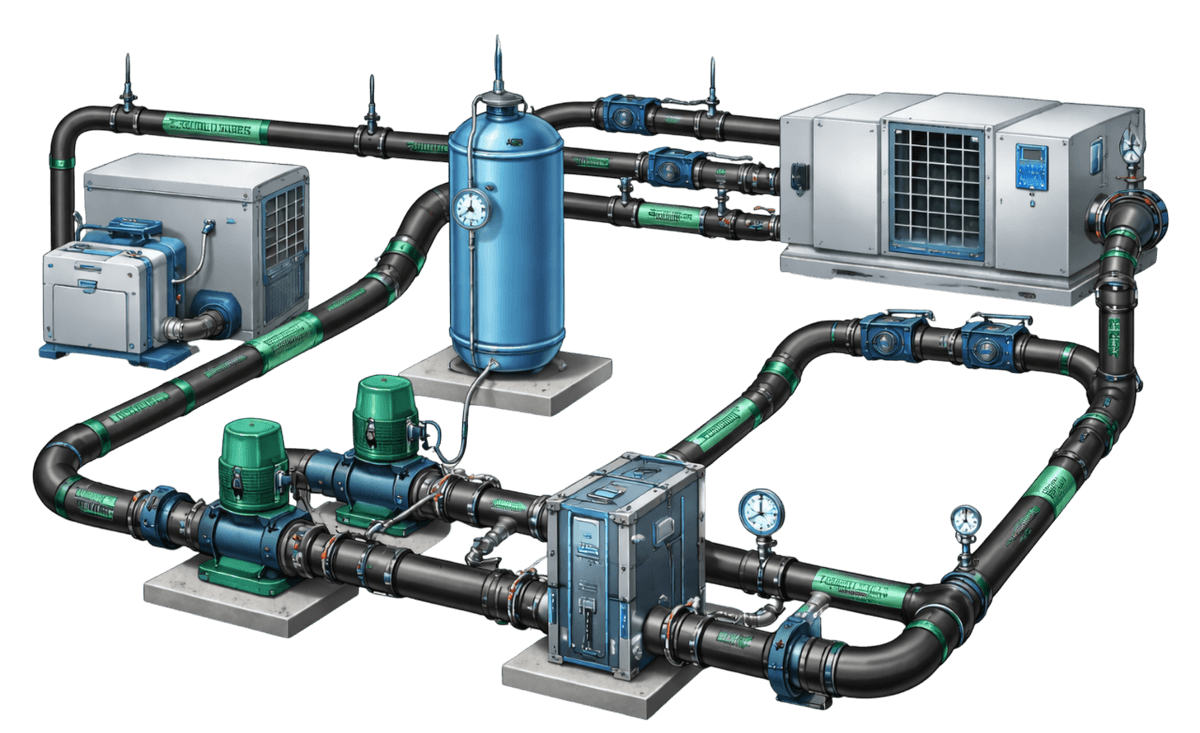
Piping & Utility Systems
Learn More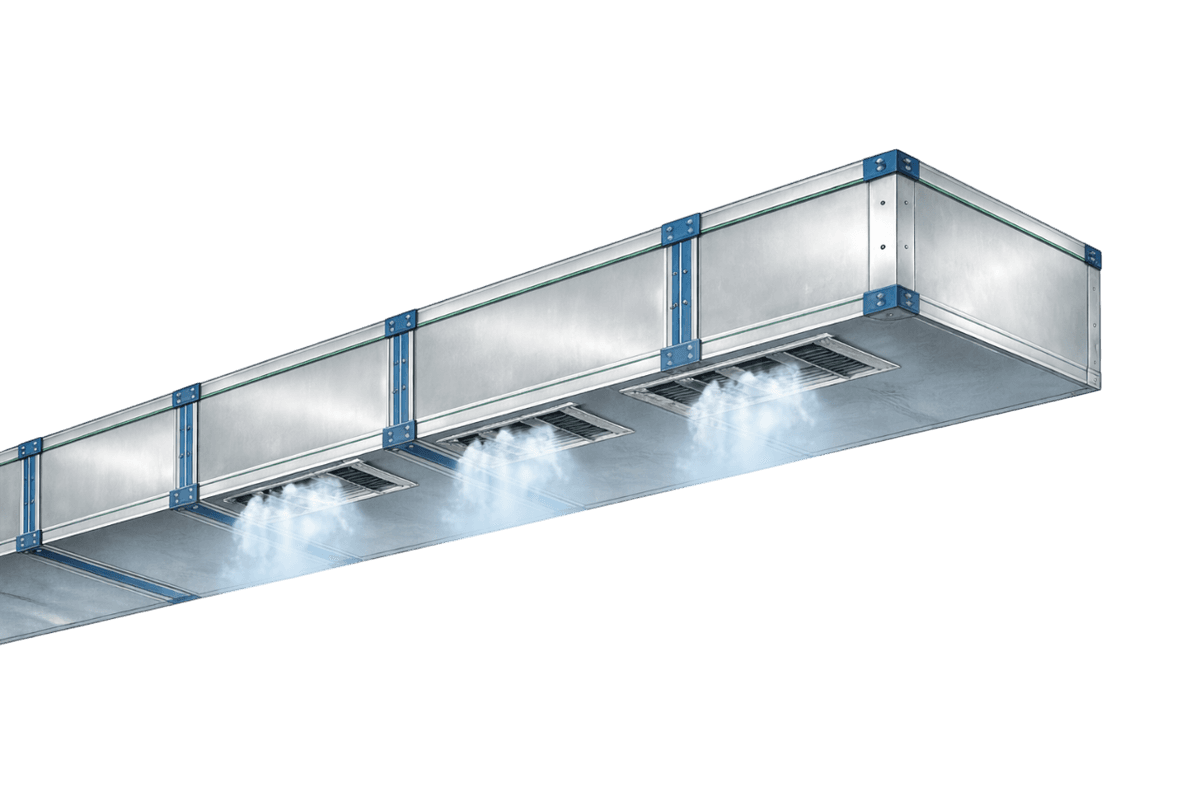
Ducting & Air Distribution
Learn More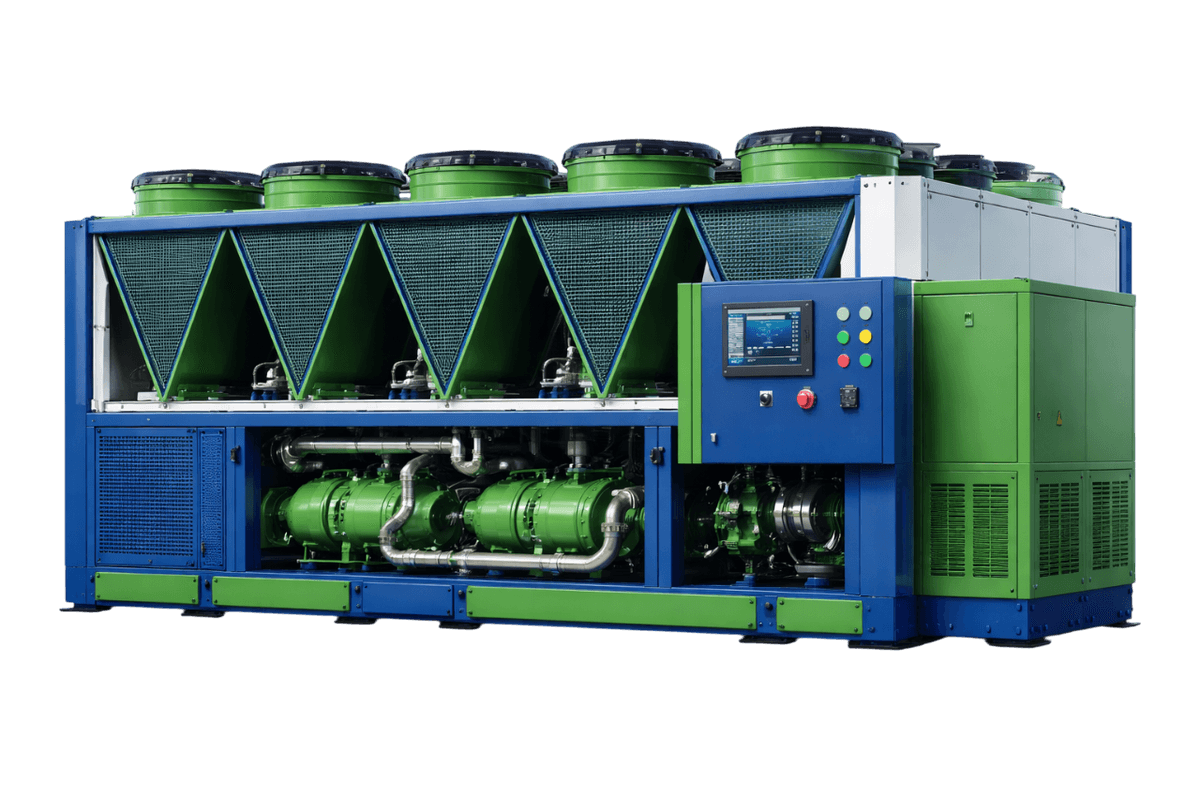
Chillers & Central Cooling
Learn More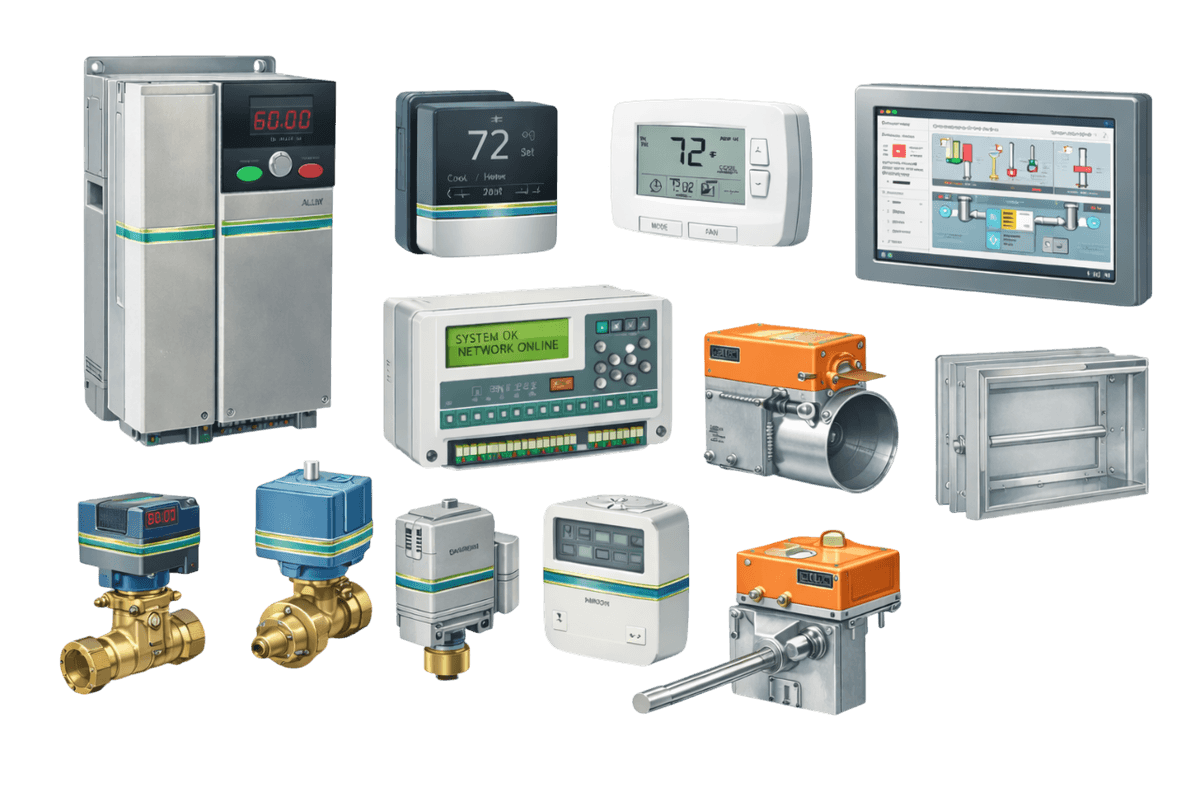
HVAC Automation & Instrumentation
Learn More
Testing & Commissioning
Learn MoreFrequently Asked Questions
What factors determine insulation thickness?
Key factors include operating temperature, ambient conditions, pipe/duct size, insulation material thermal conductivity (k-value), desired surface temperature, condensation prevention requirements, energy efficiency targets, and applicable codes/standards.
How do I prevent condensation on chilled water pipes?
Use sufficient insulation thickness to keep outer surface above dew point, proper vapour barriers (typically on warm side), sealed joints, and ensure insulation remains dry. Calculations consider worst-case ambient temperature/humidity.
What are the common insulation materials for HVAC systems?
Common materials include elastomeric (rubber) foam for chilled water, fiberglass for ducts/hot pipes, mineral wool for high temperatures, phenolic foam (PIR), polyurethane foam (PUF), polyethylene foam, and aerogel for space-constrained applications.
What is the purpose of vapour barriers?
Vapour barriers prevent moisture migration into insulation, which can reduce thermal performance, cause corrosion, and promote mold growth. They're critical for cold systems and should be installed on the warm side (typically outside) of insulation.
How does insulation affect energy efficiency?
Proper insulation reduces heat gain on chilled systems (reducing cooling load) and heat loss on hot systems (reducing heating load). Typically, 1-2 inch insulation on chilled water pipes can reduce heat gain by 90-95% compared to bare pipes.
What are fire safety requirements for insulation?
Insulation materials must meet fire safety ratings (ASTM E84 for surface burning characteristics), smoke development index, and flame spread ratings. Critical areas may require fire-rated insulation, firestop systems at penetrations, and compliance with NFPA standards.
How is acoustic insulation different from thermal insulation?
Acoustic insulation focuses on sound absorption (reducing reverberation) and sound transmission loss (blocking noise). Materials are typically denser, with specific noise reduction coefficients (NRC) and sound transmission class (STC) ratings. Thermal insulation focuses on reducing heat transfer.
What insulation is needed for outdoor applications?
Outdoor insulation requires UV-resistant and weatherproof jacketing (aluminum, stainless steel, PVC), proper sealing at joints, additional thickness for wind/rain exposure, and consideration of solar radiation. Metal jacketing also provides mechanical protection.
How often should insulation be inspected/maintained?
Annual visual inspections for damage, moisture, gaps, or deterioration. More frequent inspections in areas with high traffic, vibration, or potential for mechanical damage. Repair damaged sections promptly to maintain performance and prevent moisture ingress.
What are the standards for insulation installation?
Key standards include ASTM C585 for pipe insulation dimensions, ASTM C921 for insulation specifications, SMACNA for duct insulation, ASHRAE 90.1 for energy code compliance, and manufacturer installation guidelines. Proper adhesion, sealing, and support are critical.
What is the typical ROI for insulation upgrades?
ROI varies but typically 1-3 years for energy savings alone. Additional benefits include reduced maintenance (corrosion prevention), extended equipment life, improved comfort, noise reduction, and safety compliance. Thicker insulation yields diminishing returns beyond optimum thickness.
How does insulation affect system balancing?
Consistent insulation maintains designed temperature differentials (ΔT) in hydronic systems. Inadequate or missing insulation causes temperature variations affecting system balance. Proper insulation ensures heat gains/losses are controlled as per design assumptions.