Chillers & Central Cooling Systems
(Engineering, Execution, retrofitting & lifecycle support for central cooling plants)
Centralized Cooling Solutions for Industrial & Commercial Facilities
Chiller-based central cooling systems form the backbone of large-scale air conditioning and process cooling applications. These systems are designed to efficiently generate and distribute chilled water for temperature control across buildings, industrial processes, and mission-critical environments. Central cooling plants offer scalability, operational stability, and superior control compared to standalone air conditioning units, making them the preferred choice for facilities with high cooling loads and continuous operation requirements.
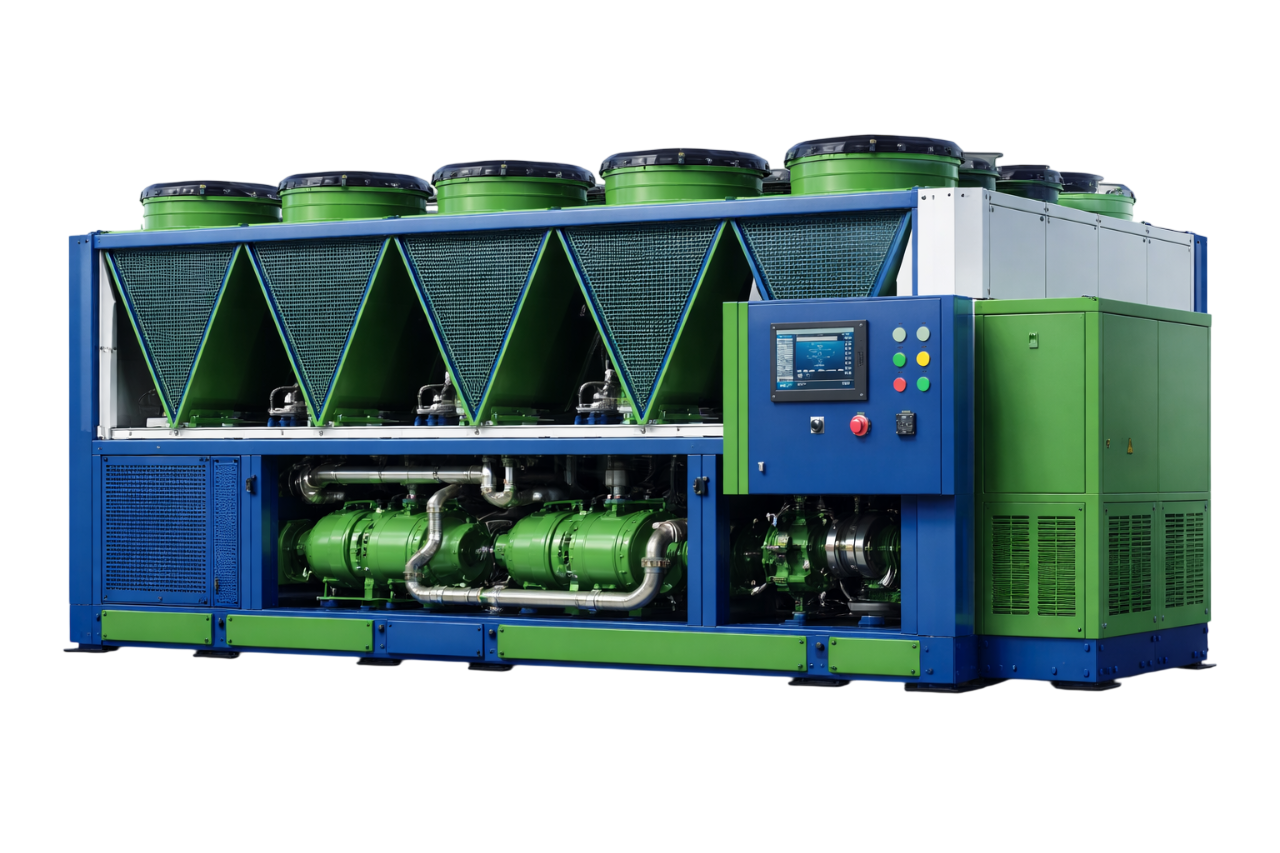

At Compress India, we deliver end-to-end chiller and central cooling solutions engineered to suit project-specific requirements. Our approach combines sound thermal engineering, practical execution experience, and lifecycle-focused design to ensure reliable, efficient, and maintainable cooling plants.
Scope of Services
Comprehensive chiller system solutions and engineering capabilities covering the complete lifecycle of industrial and commercial cooling plants — from concept design and detailed engineering to installation, optimization, and long-term performance assurance.
- Chiller System Engineering
- Central Plant Layout Planning
- Installation & Erection
- Plant Retrofitting & Modernization
- Energy Efficiency Improvement
- Testing & Commissioning
Types of Chiller Systems
We offer air-cooled chillers, water-cooled chillers, centrifugal chillers, reciprocating chillers, screw chillers, and scroll mini chillers. Explore our comprehensive range of chiller systems designed for efficient temperature control in various applications.

Air Cooled Chillers
Learn MoreWater Cooled Chillers
Learn MoreOur Engineering Approach
Every central cooling project is approached through a structured engineering methodology to ensure technical accuracy and long-term performance. Our execution framework typically includes:
Cooling load assessment and operating profile analysis
Evaluation of suitable chiller technologies based on capacity, efficiency, and redundancy requirements
Central plant configuration design including pumping, piping, and heat rejection systems
Coordination with electrical, automation, and building services
Supervised installation with quality and safety controls
System commissioning, testing, and handover documentation
Applications & Project Environments
Our cooling solutions are designed for diverse industries and specialized environments.
- Industrial manufacturing facilities
- Commercial and institutional buildings
- Data centres and IT infrastructure
- Pharmaceutical and cleanroom environments
- Process cooling and utility systems
- Infrastructure and utility projects
Engineering-Led Value Outcomes
Measurable performance, reliability, and cost advantages delivered through disciplined engineering and system-level validation.
- Reduced installation and system integration risks
- Improved commissioning quality and predictable performance
- Enhanced system reliability and operational continuity
- Lower operating costs and optimized lifecycle expenditure
Consult with Our Engineering Team
Whether you are planning a new central cooling plant or upgrading an existing chiller system, our engineering team can support your project from concept development through commissioning and long-term operation
Related HVAC Systems & Services
Central cooling systems are closely integrated with multiple HVAC subsystems. Explore related services that support chiller plant performance, reliability, and lifecycle efficiency.
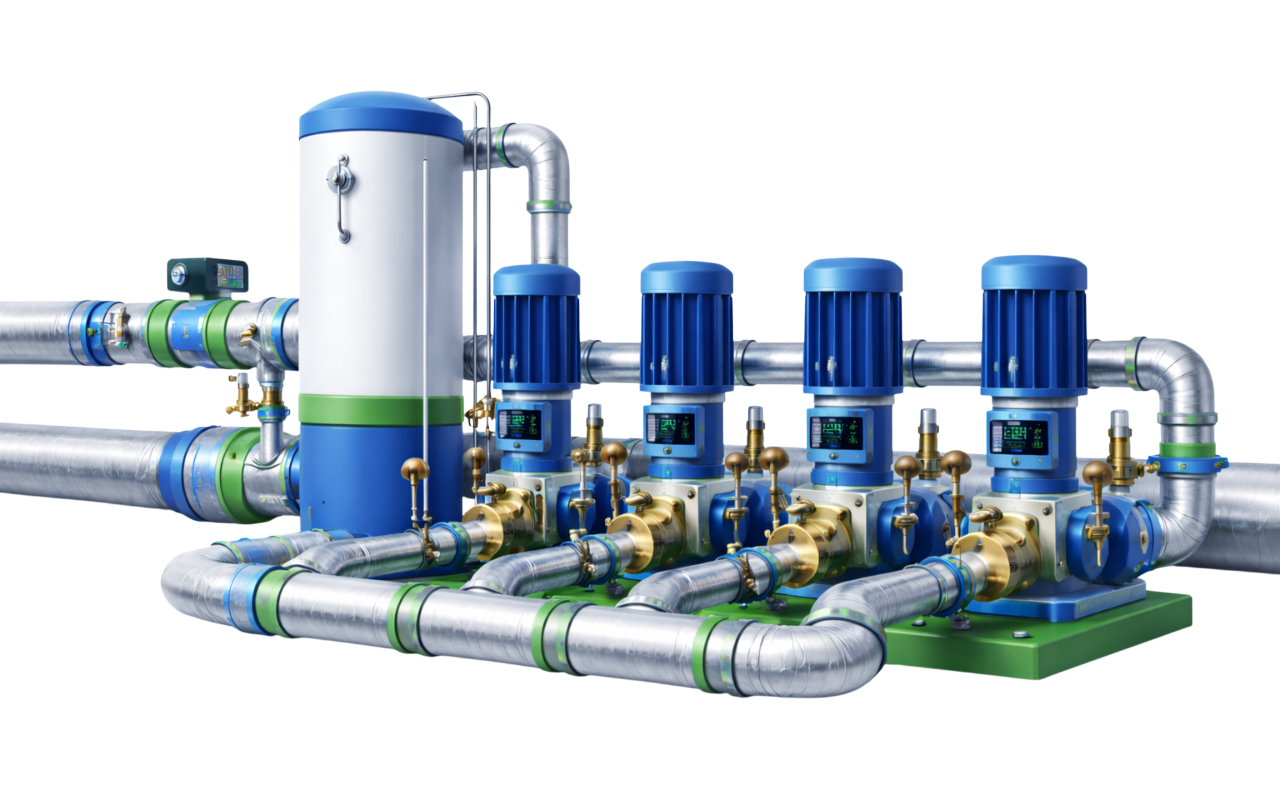
Hydronic Distribution & Flow Control
Learn More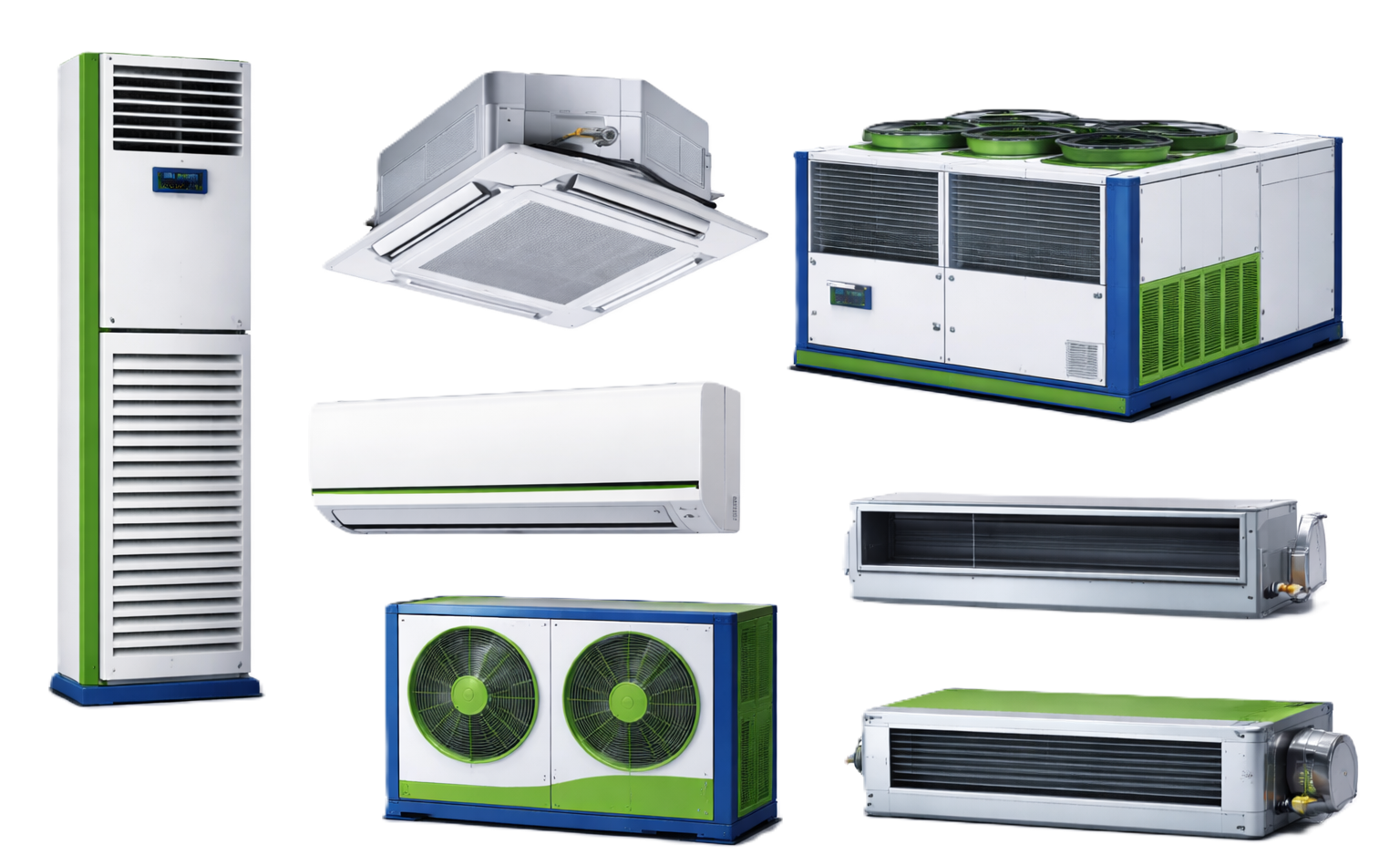
Air Conditioning Systems
Learn More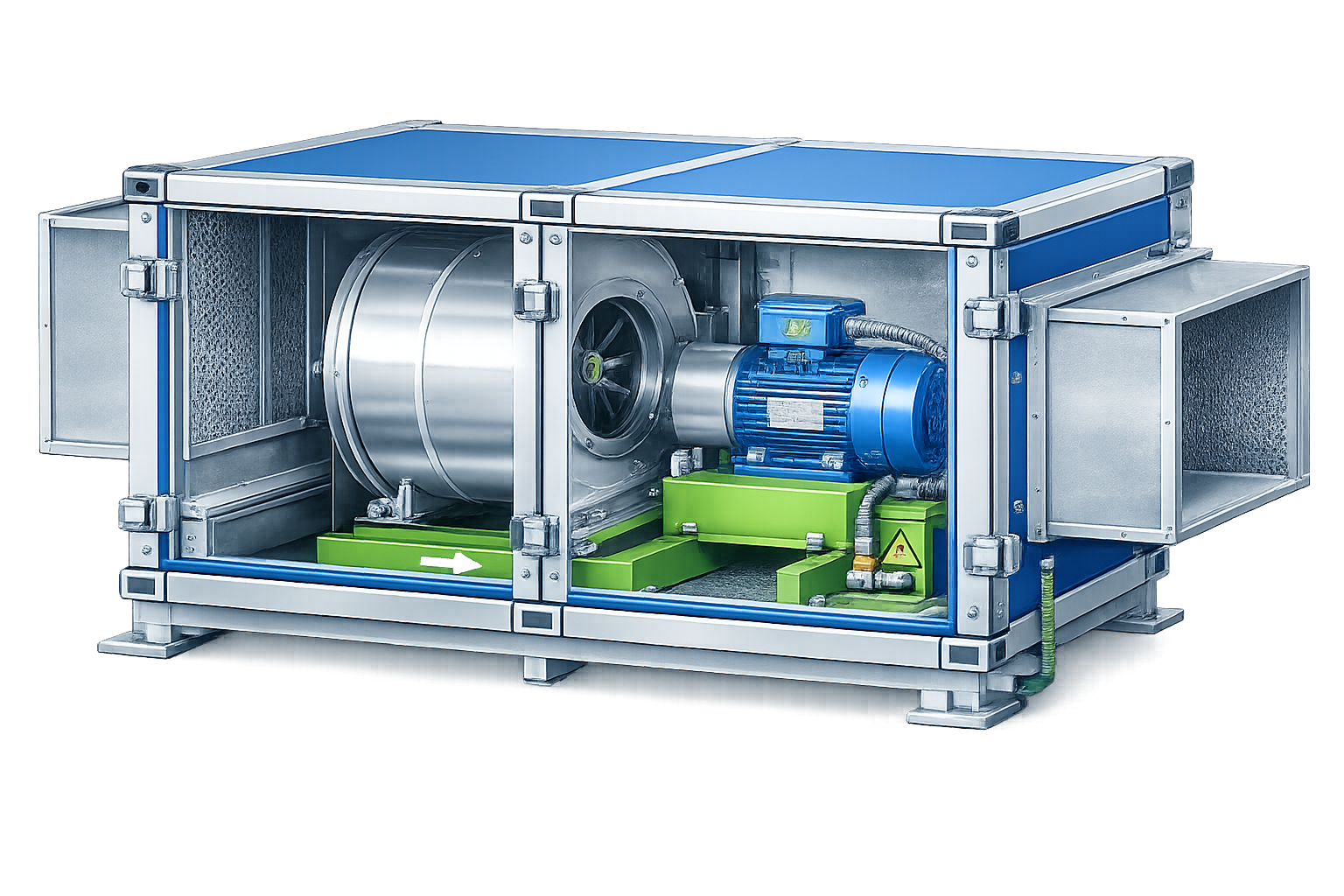
Ventilation & Air Management
Learn More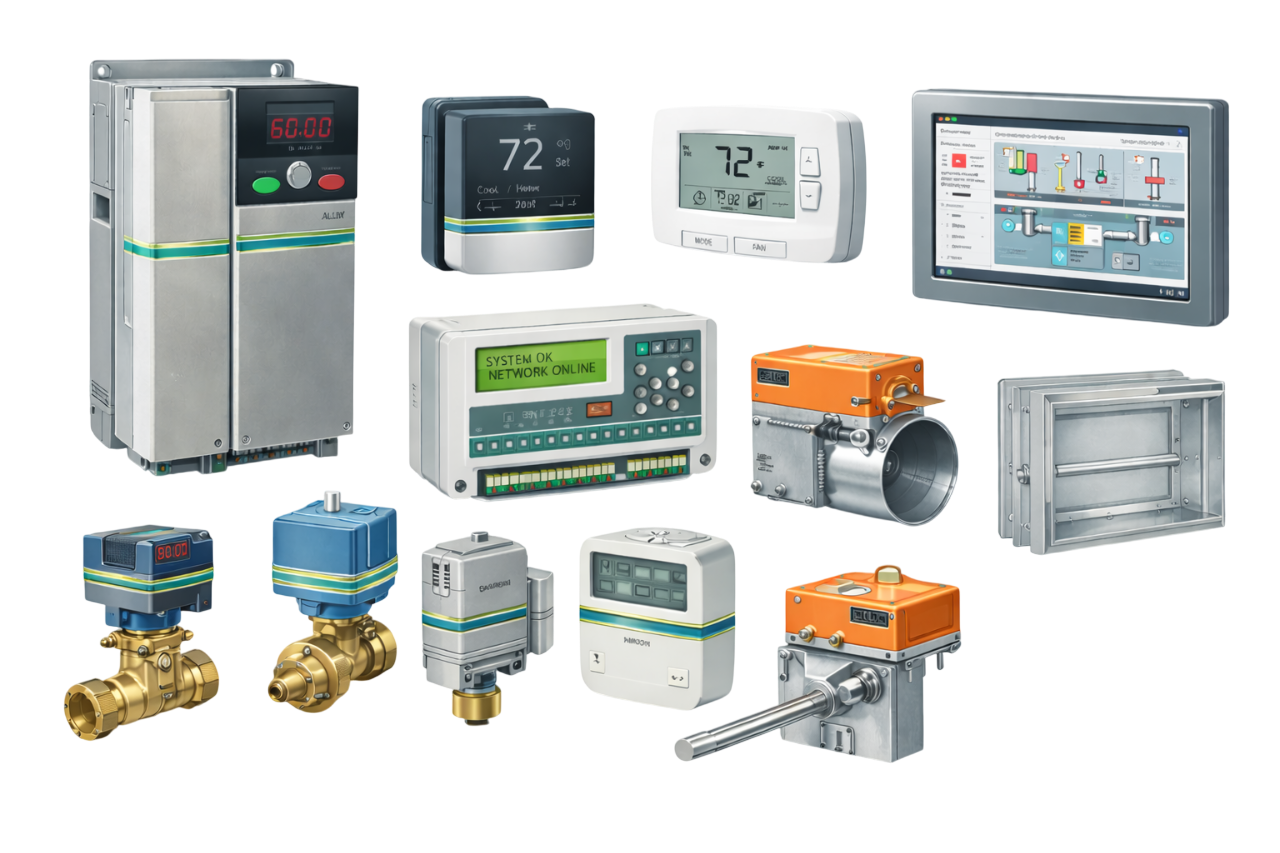
HVAC Automation & Instrumentation
Learn More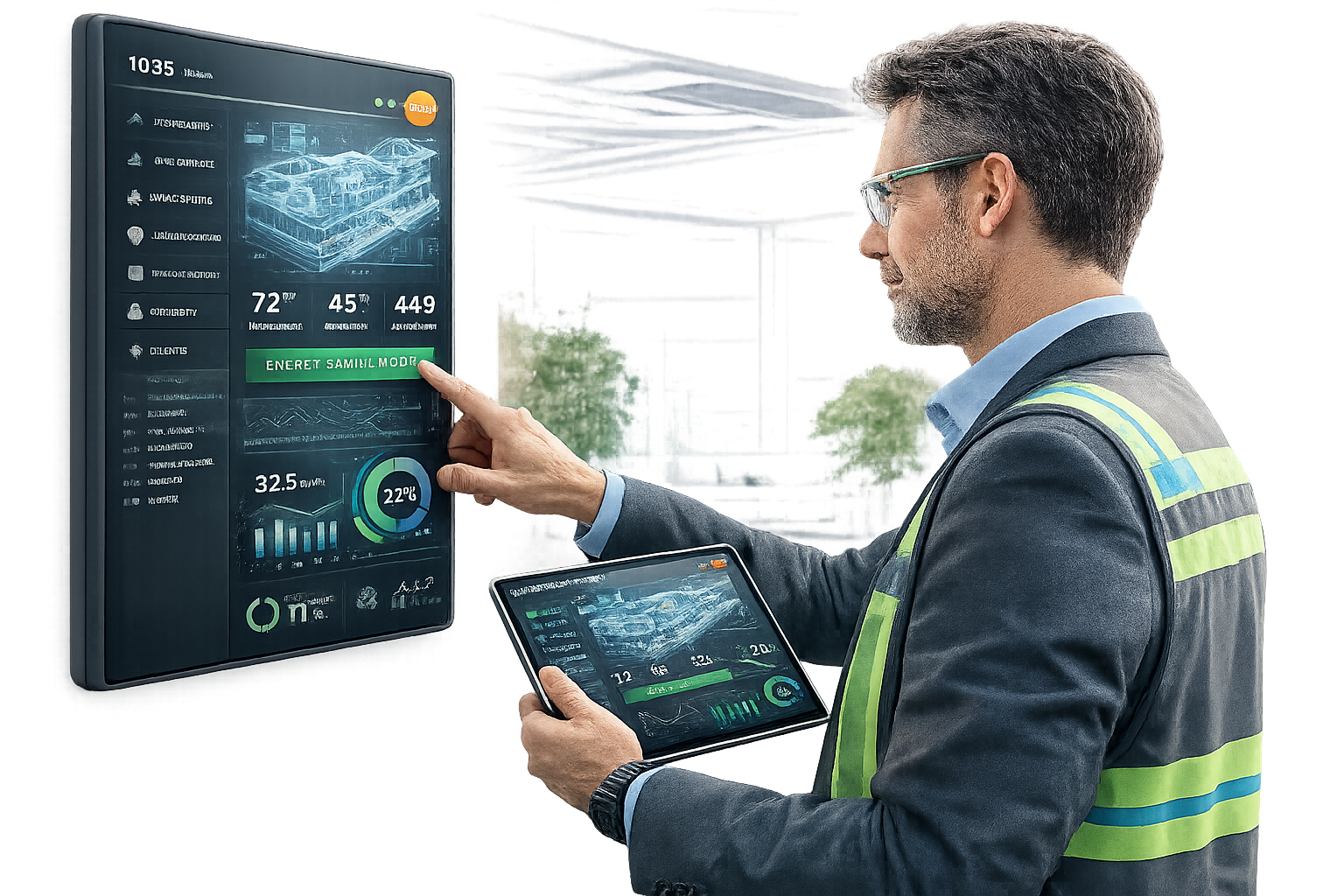
Testing & Commissioning
Learn More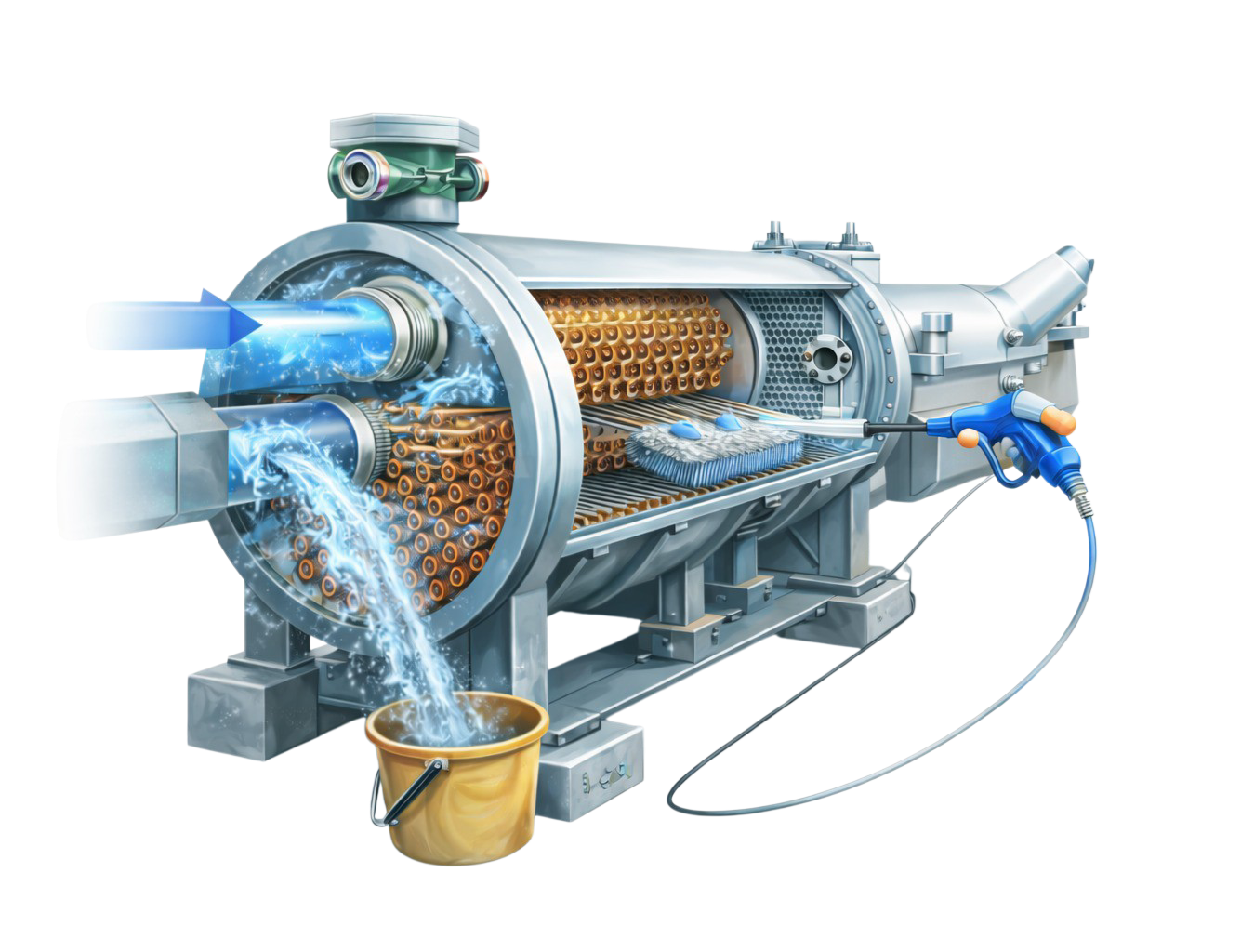
System Cleaning, Descaling & Overhauling
Learn More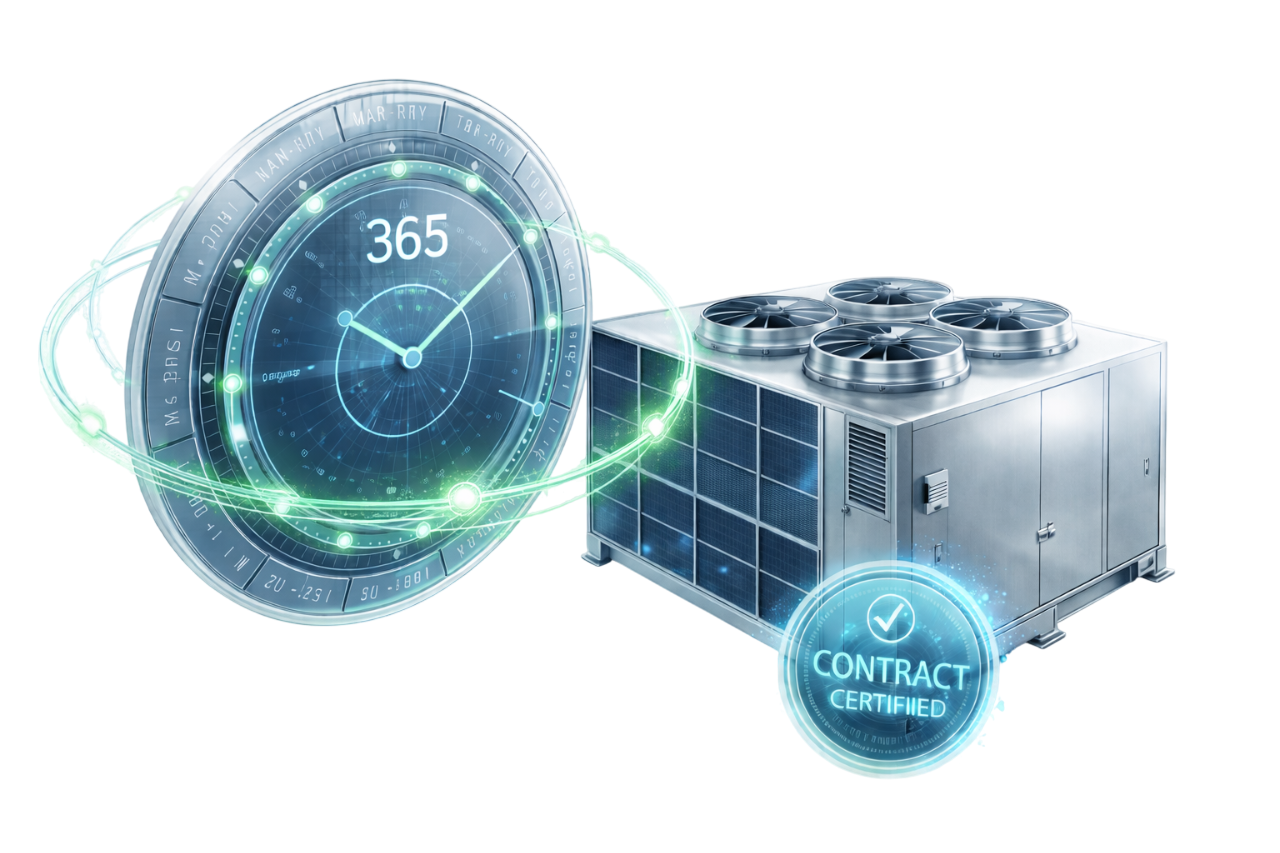
O&M / AMC Services
Learn MoreFrequently Asked Questions
What is a chiller and how does it work in industrial cooling?
A chiller is a mechanical refrigeration system that removes heat from water or process fluids to provide cooling for buildings, factories, and industrial processes. It works through a refrigeration cycle involving a compressor, condenser, expansion valve, and evaporator to extract heat and maintain controlled cooling.
What types of chillers are used for commercial and industrial applications?
Common chiller types include air-cooled chillers, water-cooled chillers, screw chillers, reciprocating chillers, and centrifugal chillers. Each type is selected based on cooling capacity, efficiency requirements, space availability, and application needs.
What is the difference between air-cooled and water-cooled chillers?
Air-cooled chillers use ambient air to reject heat and are easier to install, while water-cooled chillers use cooling towers and offer higher efficiency for large-scale and continuous cooling applications.
How do I select the right chiller capacity for my facility?
Chiller capacity selection is based on detailed heat load calculations considering building size, occupancy, equipment heat, process load, and ambient conditions. Our range of screw chillers, centrifugal chillers, and scroll mini chillers offer various capacity options to match your requirements.
Why is professional chiller installation important?
Professional installation ensures proper system design, correct piping and electrical connections, optimized performance, compliance with safety standards, and long equipment life for all chiller types including air-cooled and water-cooled systems.
Why is regular chiller maintenance necessary?
Regular maintenance improves efficiency, prevents unexpected breakdowns, reduces operating costs, and extends the lifespan of all chiller systems including screw, reciprocating, and centrifugal types.
How often should chillers be serviced?
Chillers should typically be inspected quarterly and undergo comprehensive maintenance annually or semi-annually, depending on operating hours and application severity. This applies to air-cooled, water-cooled, and scroll mini chillers.
What are common signs that a chiller needs repair?
Common warning signs include reduced cooling capacity, unusual noise, frequent tripping, higher energy consumption, refrigerant leaks, and unstable operating temperatures across all chiller types.
What services are included in a chiller AMC (Annual Maintenance Contract)?
A chiller AMC generally includes scheduled preventive maintenance, performance checks, priority breakdown support, system optimization, and compliance documentation for all chiller types.
What factors affect chiller energy efficiency?
Energy efficiency depends on chiller type, compressor technology, part-load performance, control systems, refrigerant selection, and condenser efficiency. Modern screw chillers and centrifugal chillers offer excellent efficiency for large applications.
What is the typical lifespan of an industrial or commercial chiller?
With proper installation and regular maintenance, chillers typically last between 10 to 20 years or more depending on operating conditions. This applies to all types including air-cooled, water-cooled, and scroll mini chillers.
Can chiller systems be customized for specific industrial applications?
Yes, chiller systems can be engineered and customized to match specific process cooling requirements, capacity demands, and operational conditions. Our range of air-cooled, water-cooled, screw, and reciprocating chillers can be configured to meet your specific needs.