Canvas & Connection Joints
(Flexible Connections, Vibration Isolation & Duct Jointing Services)
Canvas & Connection Joints – Engineering Execution & Field Services
Canvas and Connection Joints are flexible duct connectors installed between HVAC equipment and ducting systems to absorb vibration, reduce noise transmission, and prevent structural stress on air distribution networks.
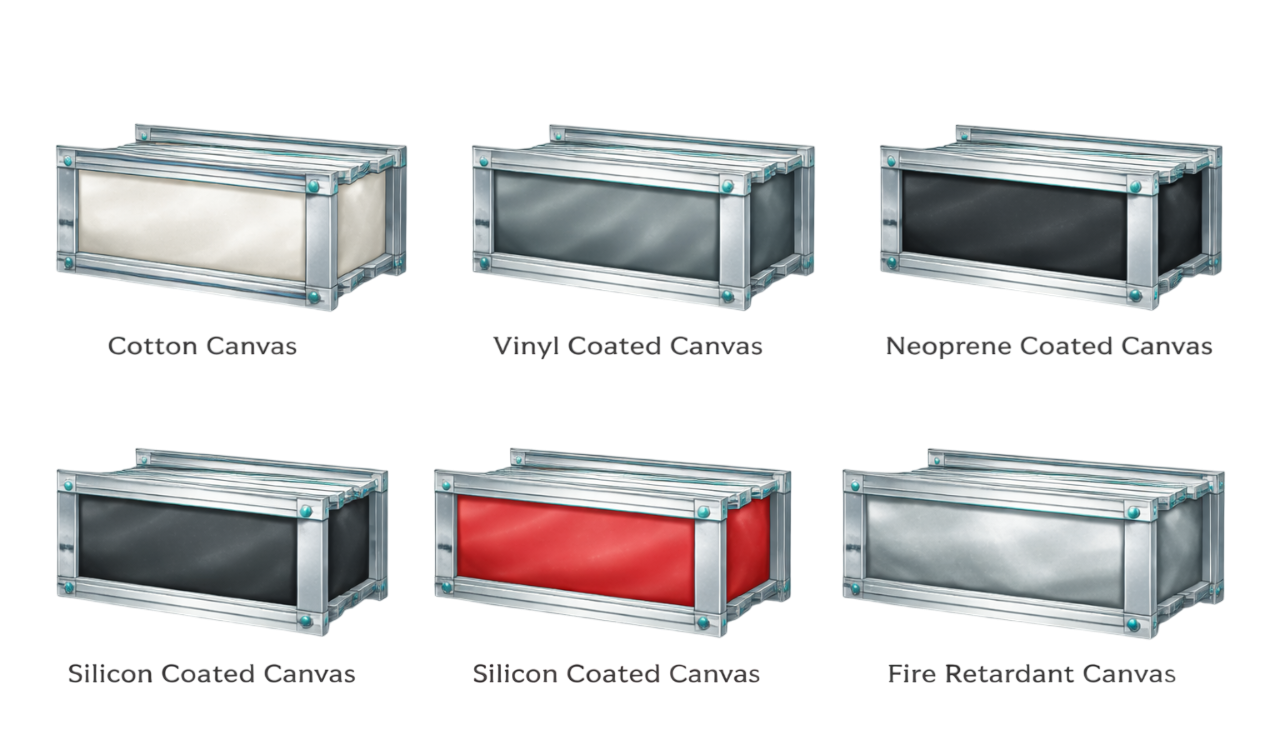
These components are critical in:
- Preventing vibration transfer from AHUs and fans
- Reducing structure-borne noise
- Compensating for thermal expansion
- Allowing minor misalignment correction
- Preventing duct cracking
- Enhancing overall HVAC system durability
Canvas connections are typically installed at:
- AHU discharge connections
- Fan inlet and outlet sections
- TFA / PAU connections
- Exhaust fan connections
- Vibration-prone equipment interfaces
Compress India provides complete engineering execution services for Canvas & Connection Joints including fabrication, installation, sealing, vibration isolation integration, replacement, repair, and AMC services.
Flexible Canvas Connection Installation Services
We fabricate and install high-quality flexible connectors as per HVAC design standards.
Scope of work includes:
Canvas flexible joint fabrication
Fire-retardant fabric selection
Neoprene / rubberized flexible joint installation
Double-layer canvas installation
Flange fixing and clamping
Airtight sealing
Reinforcement strip installation
Alignment correction
Engineering focus areas:
Air leakage prevention
Vibration absorption capacity
Static pressure compatibility
Temperature resistance rating
Fire-retardant compliance
Noise reduction optimization
Equipment Connection & Vibration Isolation
Proper flexible joint installation prevents system damage.
We ensure:
- Proper alignment between equipment and duct
- Stress-free duct connection
- Reduction of vibration transmission
- Noise attenuation improvement
- Isolation pad coordination
- Secure clamping and sealing
System Protection
Improper installation can lead to leakage, tearing, or noise amplification.
Inspection, Testing & Airtightness Verification
Proper inspection ensures durability and performance.
We conduct:
- Visual inspection of stitching
- Leakage inspection
- Tension verification
- Flange tightness inspection
- Vibration response check
- Noise assessment
Long-Term Reliability
Testing ensures reliable long-term performance.
Repair & Replacement Services
We provide corrective services for:
- Torn canvas joints
- Air leakage at equipment connections
- Loose clamps
- Noise and vibration issues
- Fire-retardant fabric replacement
- Deteriorated flexible joints
Timely Replacement
Timely replacement prevents air loss and structural damage.
Retrofitting & System Upgradation
Existing systems may require improved vibration isolation.
We execute:
- Replacement of rigid connections with flexible joints
- Upgrade to fire-retardant canvas
- Double-layer reinforcement installation
- Leakage control improvement
- Noise reduction enhancement
Enhanced Durability
Retrofitting enhances system durability and acoustic comfort.
Preventive Maintenance & AMC Services
Routine inspection ensures long-term reliability.
Our AMC services include:
- Periodic inspection
- Leakage monitoring
- Stitching condition check
- Clamp tightening
- Fabric integrity check
- Replacement planning
Customized AMC Plans
Customized Annual Maintenance Contracts (AMC) are structured for commercial and industrial HVAC systems.
System Durability & Noise Optimization
Optimized flexible connections improve acoustic performance and reduce mechanical stress.
We conduct:
- Vibration analysis
- Noise transmission assessment
- Joint tension optimization
- Structural load review
- Performance benchmarking
Long-Term Reliability
Proper installation ensures long-term HVAC reliability.
Connect with Our HVAC Engineering Team
For professional installation, repair, retrofitting, testing, or AMC services for Canvas & Connection Joints, connect with our HVAC engineering team for reliable and vibration-controlled duct system connections.
Related HVAC Systems & Engineering Services
Canvas & Connection Joints are closely associated with:
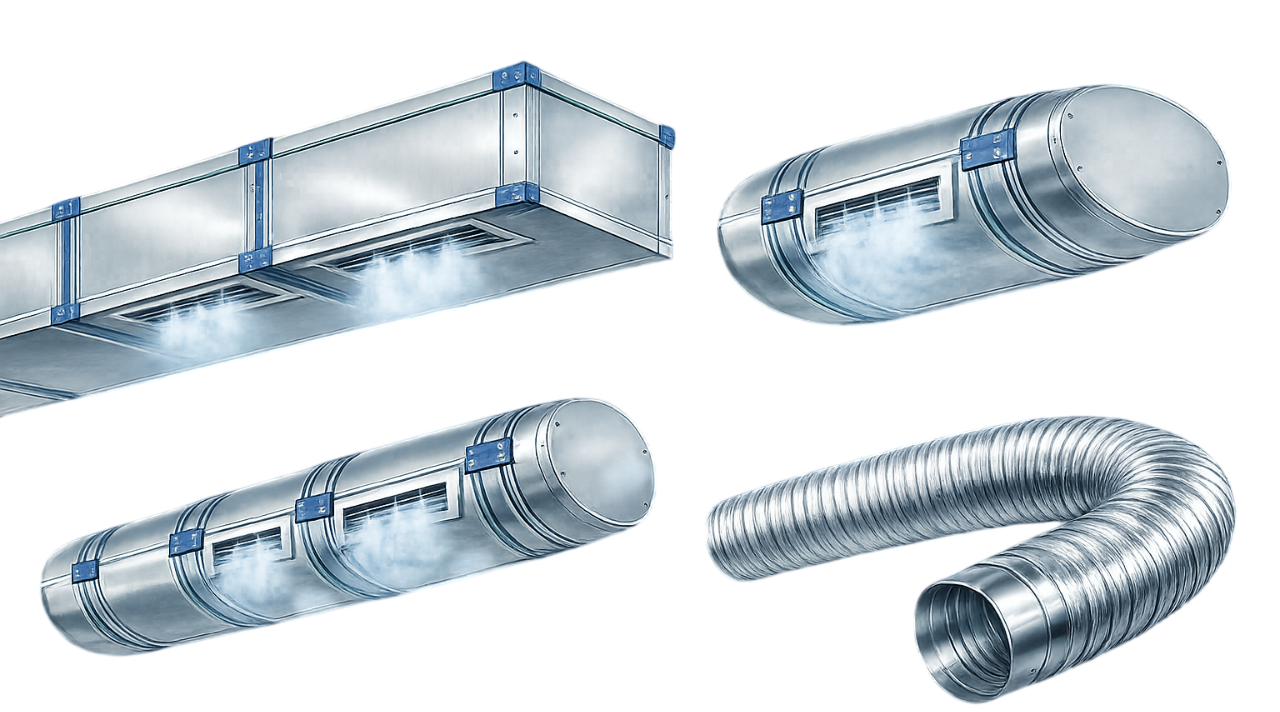
GI / MS / SS / Aluminium Ducting Systems
Learn More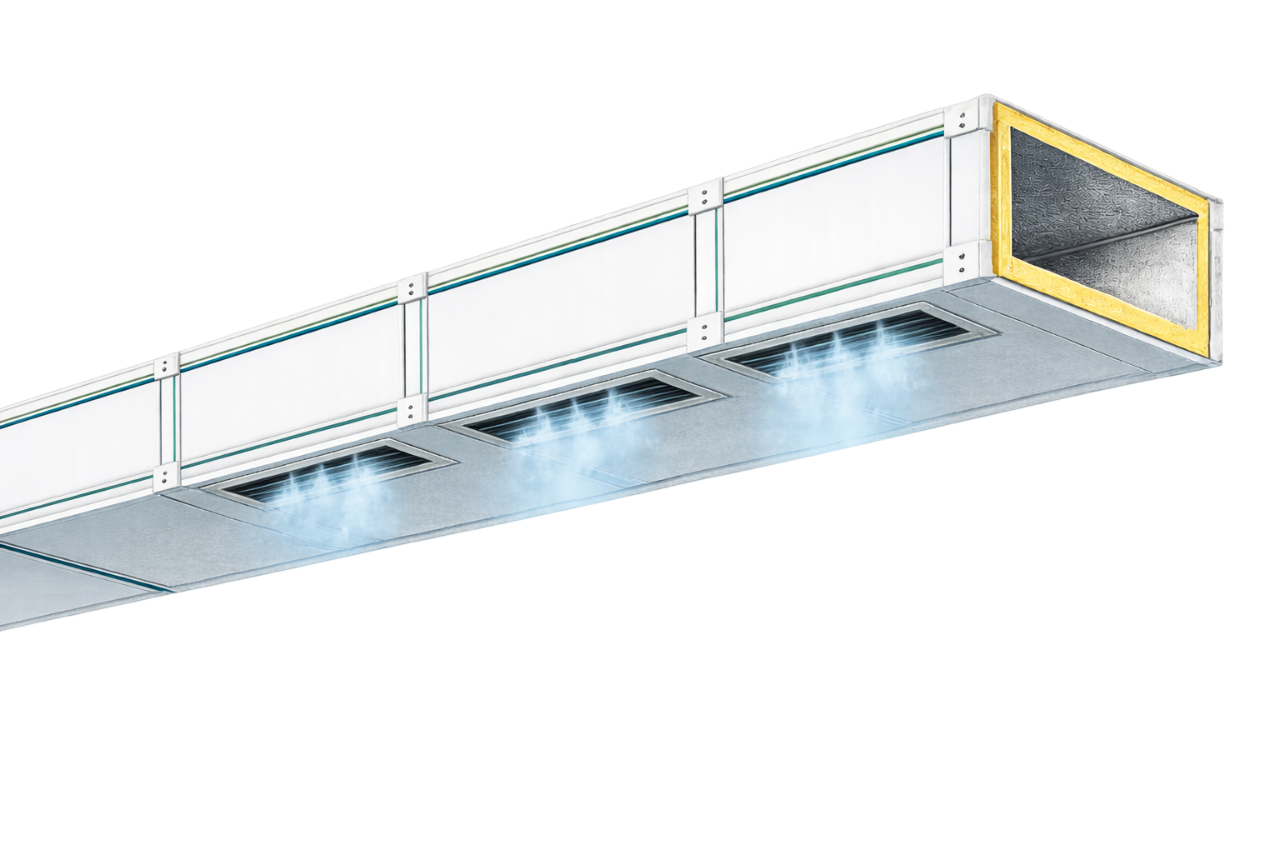
Pre-Insulated (PIR / PUF) Ducting
Learn More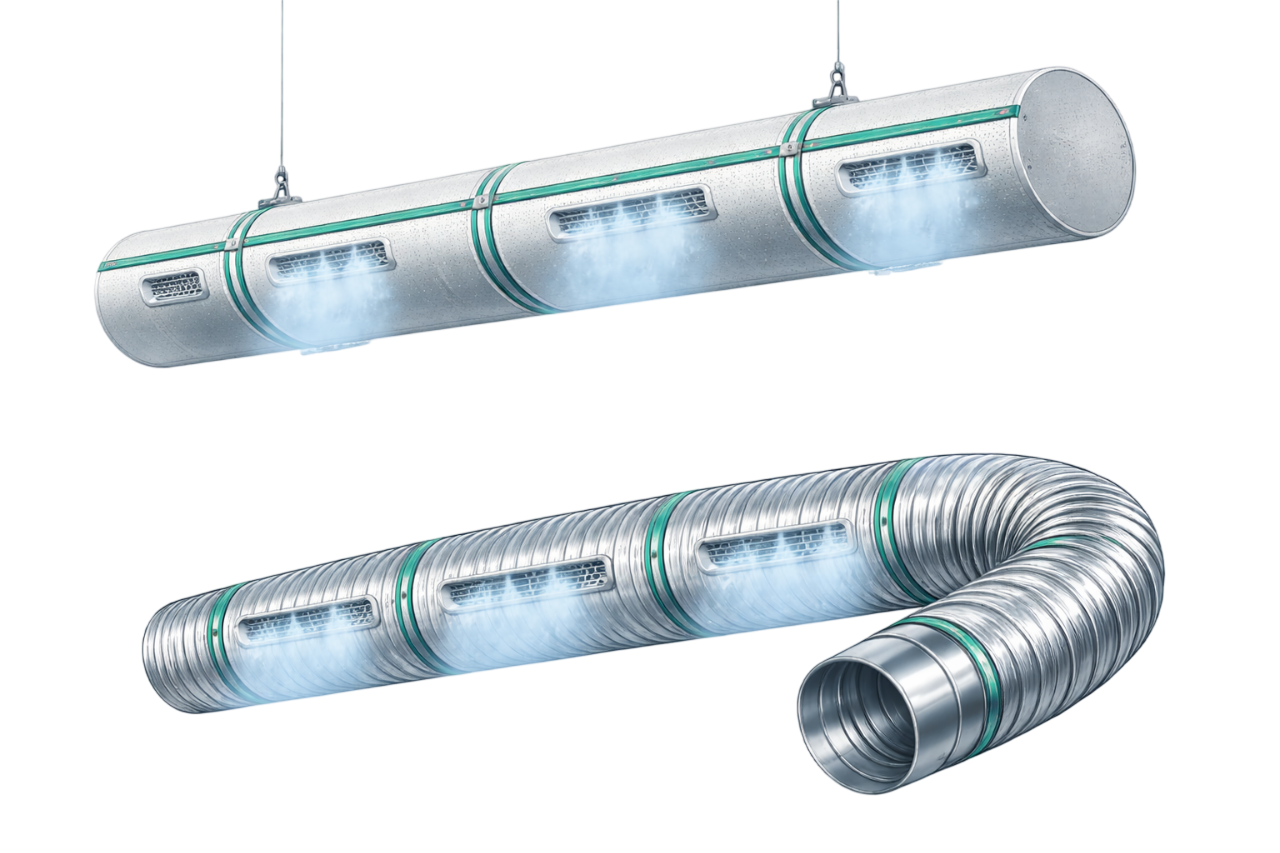
Fabric & Flexible Duct Systems
Learn More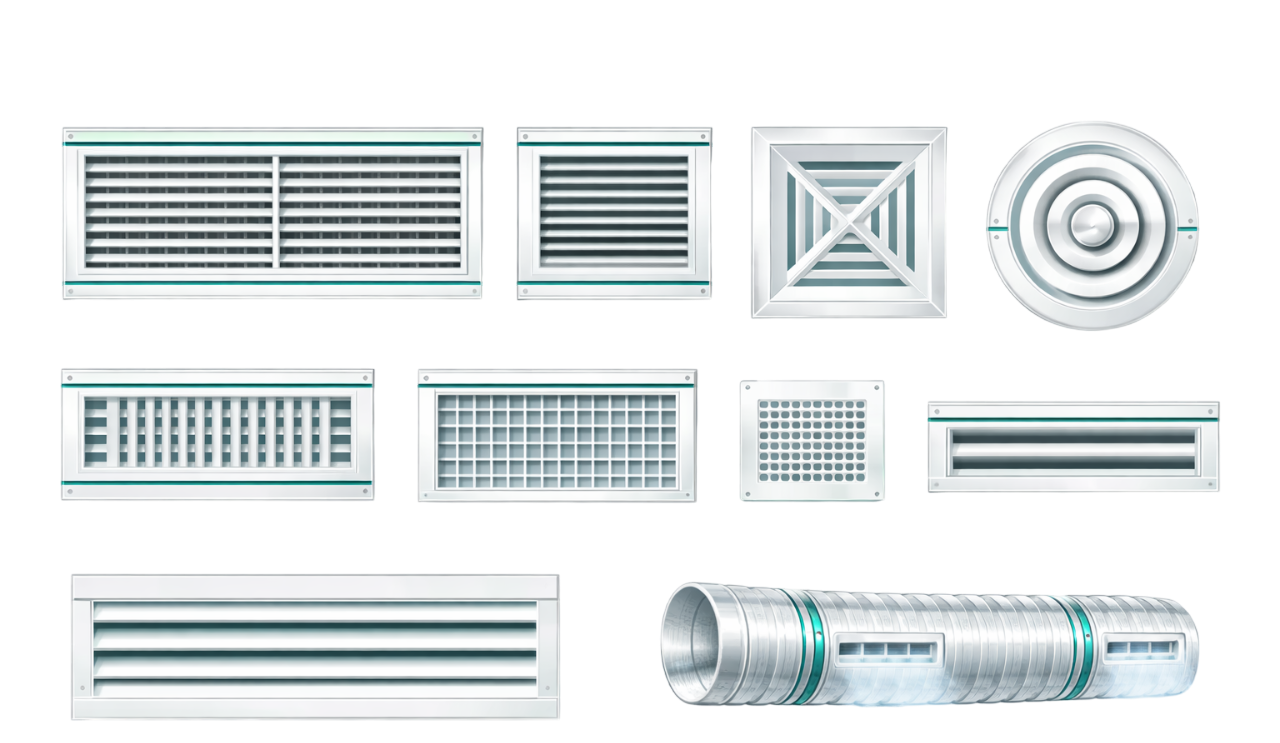
Air Diffusers & Grilles
Learn More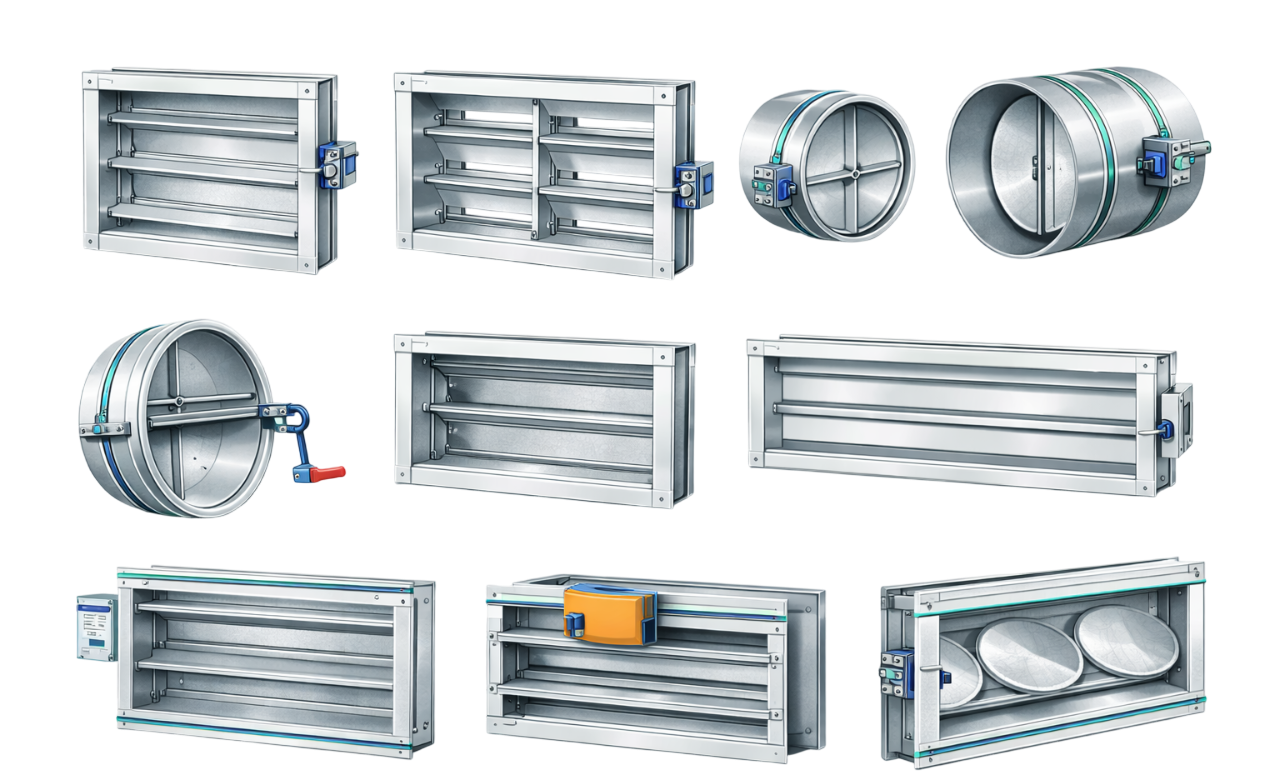
Dampers & Airflow Control Devices
Learn More
Fresh Air & IAQ Systems
Learn MoreFrequently Asked Questions
What are canvas connections used for in HVAC systems?
Canvas connections are flexible connectors installed between HVAC equipment (like AHUs and fans) and ducting systems. Their primary purpose is to absorb vibration, reduce noise transmission, compensate for thermal expansion, correct minor misalignments, and prevent structural stress that could lead to duct cracking.
What materials are used for flexible duct connections?
We use various materials including fire-retardant canvas, neoprene, and rubberized flexible fabrics. Selection depends on application requirements such as temperature resistance, fire safety compliance, static pressure rating, and vibration absorption capacity. Double-layer canvas is used for reinforced applications.
How often should canvas joints be inspected?
Canvas joints should be inspected periodically as part of routine HVAC maintenance, typically every 6-12 months. Inspection includes checking for tears, air leakage, loose clamps, stitching condition, fabric deterioration, and vibration response. Timely inspection prevents air loss and structural damage.
What causes canvas joints to fail?
Common causes include material deterioration over time, excessive vibration, improper installation leading to stress concentration, tearing from sharp edges, loose clamps, exceeding temperature or pressure ratings, and fire damage. Our repair services address these issues through replacement and reinforcement.
Do you provide AMC for canvas connections?
Yes, we offer Annual Maintenance Contracts (AMC) for canvas and connection joints. Our services include periodic inspection, leakage monitoring, stitching condition check, clamp tightening, fabric integrity verification, and replacement planning to ensure long-term reliability.
How do canvas joints reduce noise in HVAC systems?
Canvas joints act as a flexible barrier that breaks the rigid connection between vibrating equipment and ductwork. This decoupling prevents structure-borne noise and vibration from transmitting through the duct system. Proper installation with correct tension and material selection optimizes noise attenuation.
Can rigid duct connections be retrofitted with flexible joints?
Yes, we execute retrofitting projects where existing rigid connections are replaced with flexible canvas joints. This improves vibration isolation, reduces noise, and prevents stress on ductwork. Upgrades can include fire-retardant canvas, double-layer reinforcement, and improved sealing for better performance.
What are the signs of a failing canvas joint?
Signs include visible tears or holes in the fabric, air leakage felt near connections, increased noise or vibration, loose or missing clamps, frayed stitching, fabric deterioration, and misalignment between equipment and ductwork. Prompt replacement prevents further system damage.
Are fire-retardant canvas joints mandatory?
Fire-retardant canvas is typically required in commercial, industrial, and healthcare buildings to comply with fire safety regulations. We select materials based on fire-retardant compliance requirements, ensuring that flexible connections do not compromise the fire safety integrity of the HVAC system.
What engineering factors are important for canvas joint installation?
Key factors include air leakage prevention, vibration absorption capacity, static pressure compatibility, temperature resistance rating, fire-retardant compliance, noise reduction optimization, proper alignment, and secure clamping. Proper engineering ensures long-term durability and system protection.