Fabric & Flexible Duct Systems
(Textile Ducting, Flexible Air Duct Installation & Air Distribution Services)
Fabric & Flexible Duct Systems – Engineering Execution & Field Services
Fabric and Flexible Duct Systems are specialized air distribution solutions designed for lightweight installation, uniform air diffusion, and adaptable routing in HVAC networks.
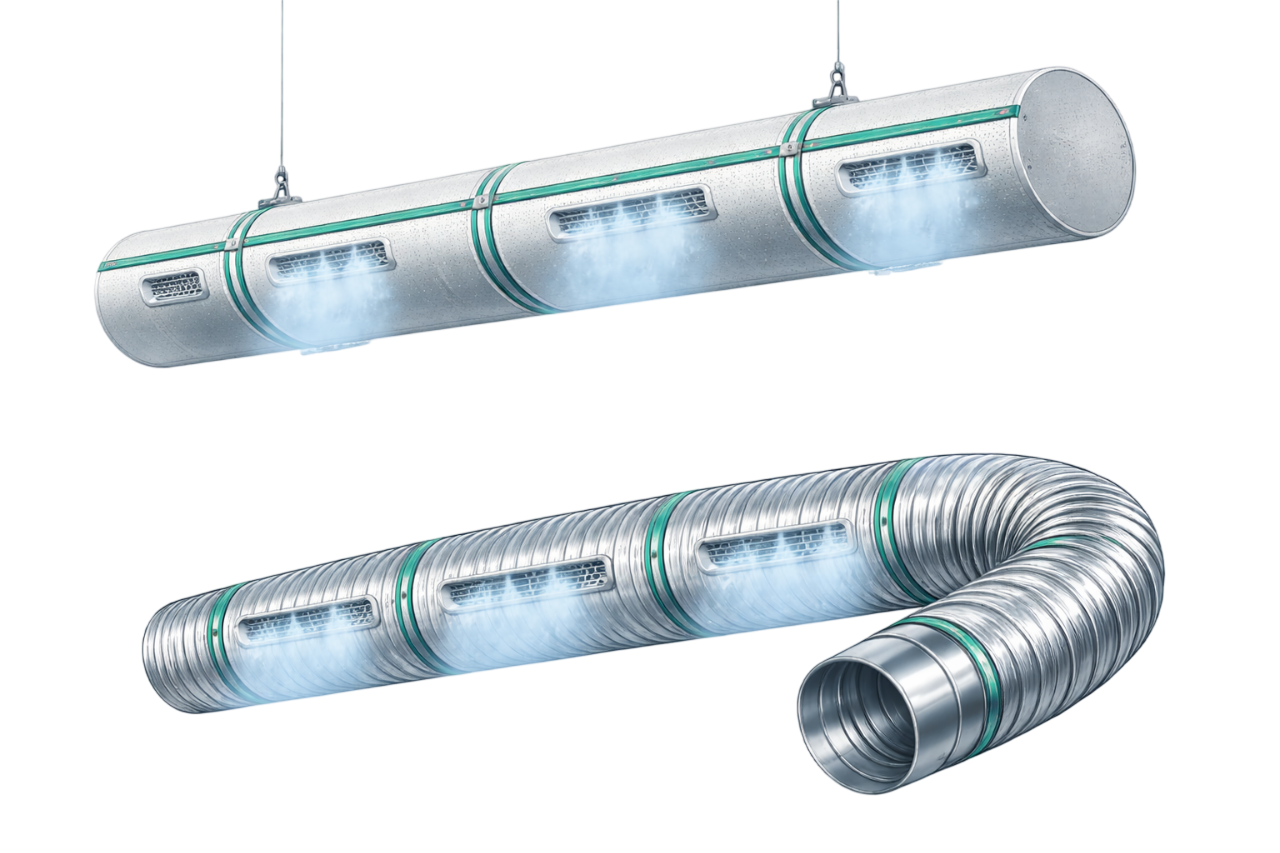
Unlike rigid GI or PIR duct systems, fabric and flexible ducts provide:
- Even air distribution
- Reduced noise
- Lightweight suspension
- Faster installation
- Aesthetic integration in exposed ceilings
- Adaptability in confined spaces
These systems are widely used in:
- Commercial offices
- Shopping malls
- Showrooms
- Restaurants
- Warehouses
- Gymnasiums
- Industrial production areas
- Temporary HVAC installations
Compress India provides complete engineering execution services for Fabric & Flexible Duct Systems including installation, airflow pattern design, suspension systems, testing, repair, retrofitting, and AMC services.
Fabric (Textile) Duct Installation Services
Fabric ducting systems distribute air through engineered perforations or linear diffusers integrated within textile tubes.
Scope of work includes:
Textile duct system installation
Suspension cable system installation
Diffusion pattern configuration
Airflow distribution slot alignment
Zipper section joining
End cap installation
Mounting bracket installation
Integration with main rigid duct
Engineering focus areas:
Airflow CFM distribution per meter
Perforation sizing and pattern design
Throw distance calculation
Draft control
Static pressure compatibility
Washable fabric material selection
Hygienic compliance (where required)
Flexible Duct Installation Services
Flexible ducts are used for terminal air distribution connections.
Scope of work includes:
Insulated flexible duct installation
Non-insulated flexible duct installation
Spiral wire flexible duct fitting
Connection to diffusers and grilles
Clamp and sealing installation
Support strap installation
Elbow and transition fitting
Engineering focus areas:
Maximum length limitation compliance
Static pressure drop control
Airflow resistance reduction
Sag prevention
Insulation integrity
Airtight sealing
Air Distribution & Performance Optimization
Proper design ensures uniform airflow and minimal pressure loss.
We conduct:
- Air balancing coordination
- Diffusion pattern optimization
- Noise reduction analysis
- Static pressure validation
- Terminal airflow measurement
- Velocity control
Occupant Comfort
Optimized distribution ensures occupant comfort and efficient system operation.
Repair & Maintenance Services
We provide corrective services for:
- Fabric duct tearing or damage
- Sagging flexible ducts
- Air leakage issues
- Poor airflow distribution
- Insulation damage
- Connection seal failure
- Dust accumulation cleaning
Root Cause Analysis
Root cause analysis ensures restoration of proper airflow and aesthetic appearance.
Retrofitting & System Upgradation
Existing rigid ducts can be supplemented or replaced with fabric systems.
We execute:
- Replacement of rigid ducts with textile ducts
- Flexible duct re-routing
- Air distribution improvement upgrades
- Lightweight conversion projects
- Acoustic performance enhancement
Enhanced Aesthetics
Retrofitting improves aesthetics and airflow distribution efficiency.
Preventive Maintenance & AMC Services
Routine inspection ensures long-term durability and airflow performance.
Our AMC services include:
- Fabric duct cleaning
- Flexible duct inspection
- Suspension system inspection
- Airflow validation
- Seal integrity check
- Replacement planning
Customized AMC Plans
Customized Annual Maintenance Contracts (AMC) are structured for commercial and industrial facilities.
Connect with Our HVAC Engineering Team
For professional installation, testing, repair, retrofitting, or AMC services for Fabric & Flexible Duct Systems, connect with our HVAC engineering team for lightweight and performance-driven air distribution solutions.
Related HVAC Systems & Engineering Services
Fabric & Flexible Duct Systems are closely associated with:
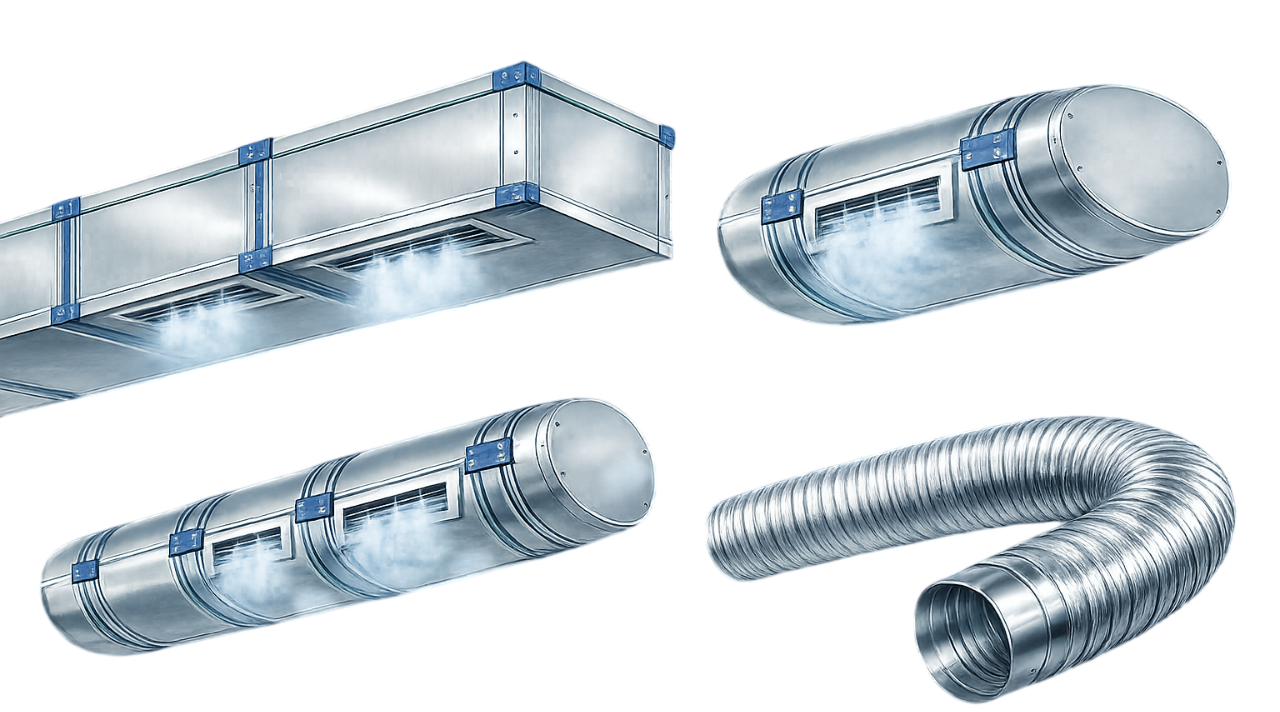
GI / MS / SS / Aluminium Ducting Systems
Learn More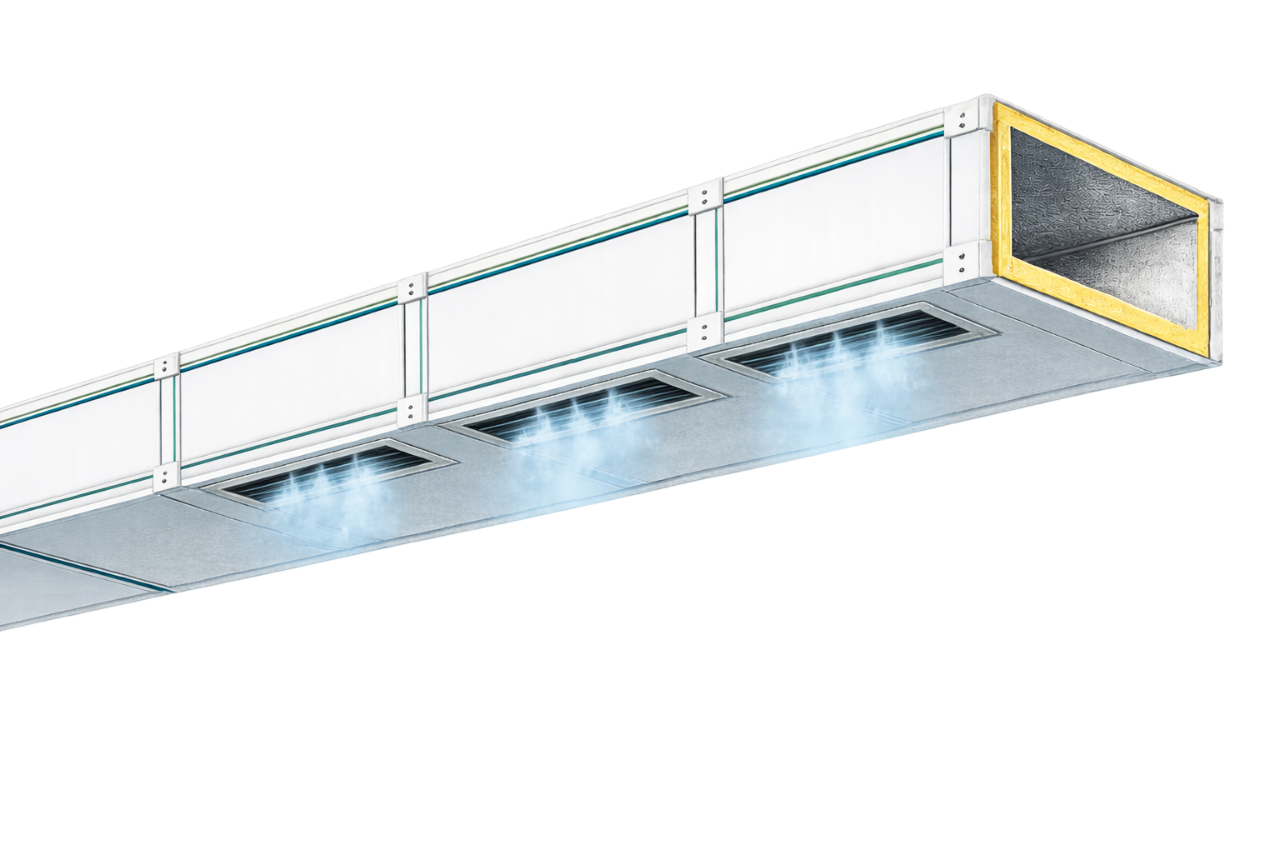
Pre-Insulated (PIR / PUF) Ducting
Learn More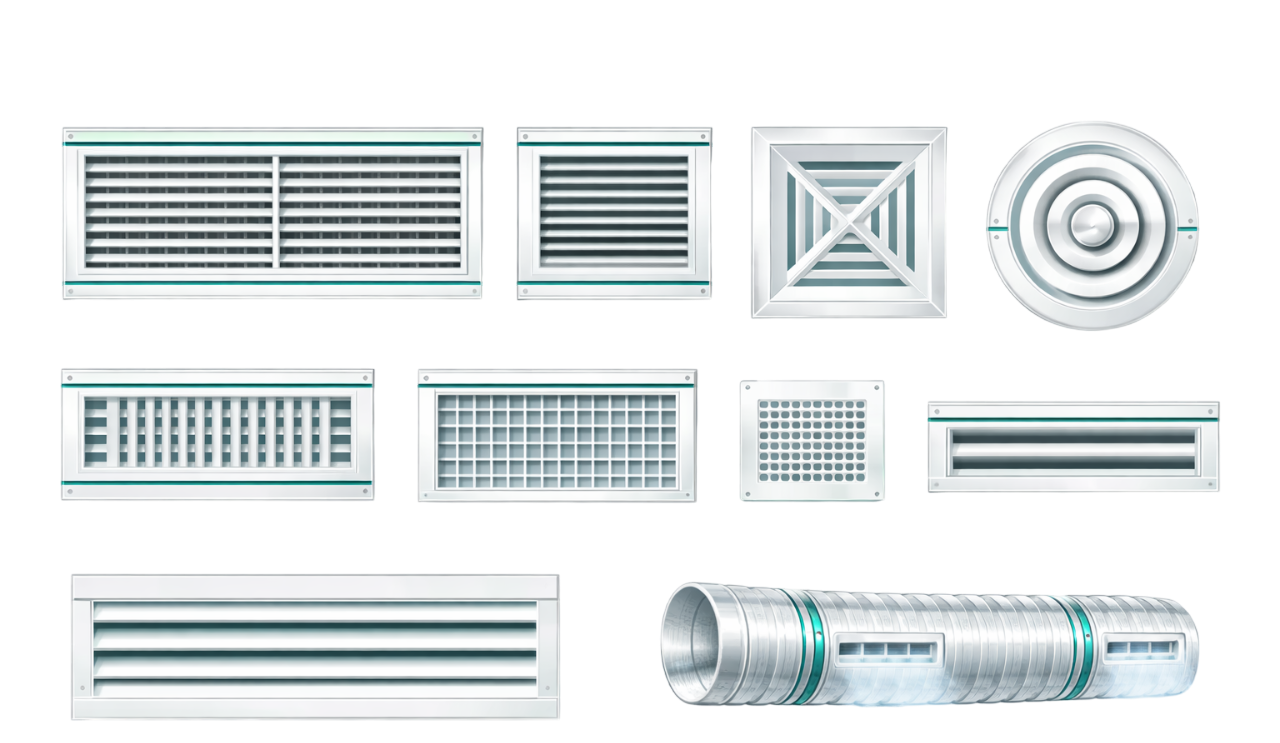
Air Diffusers & Grilles
Learn More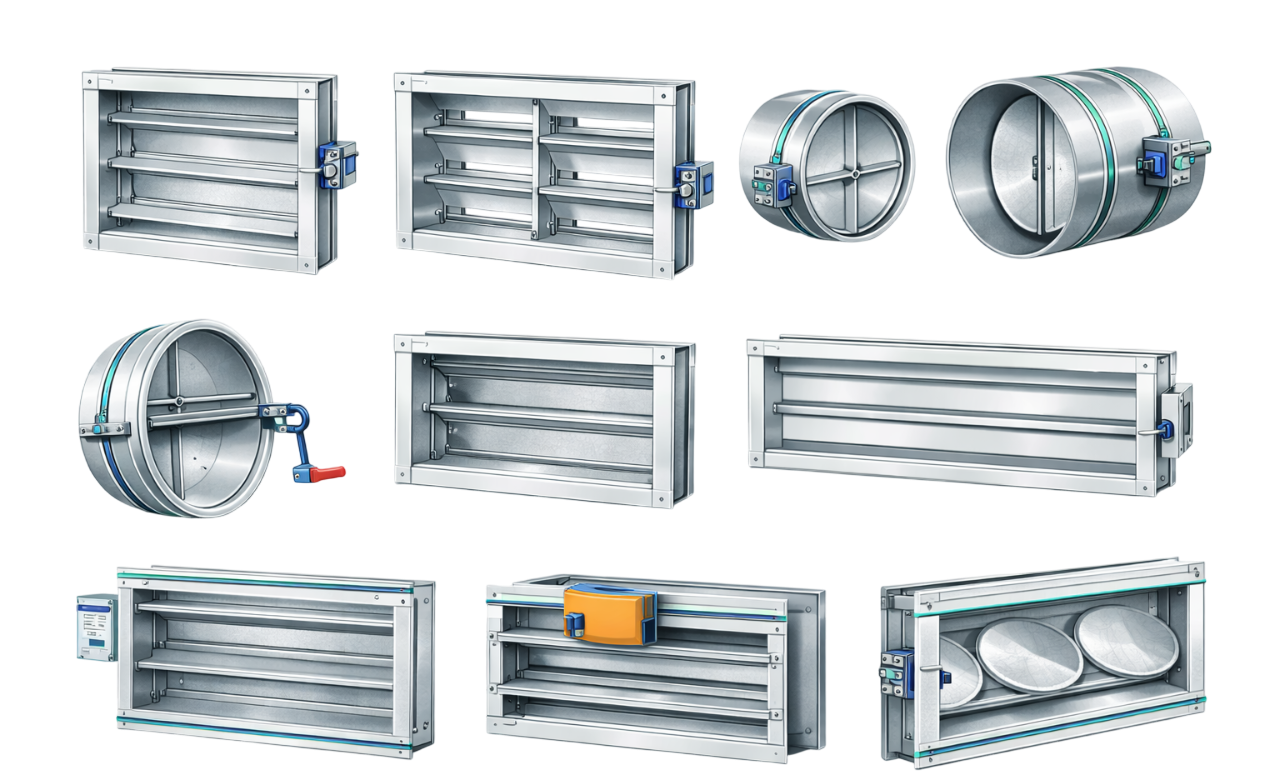
Dampers & Airflow Control Devices
Learn More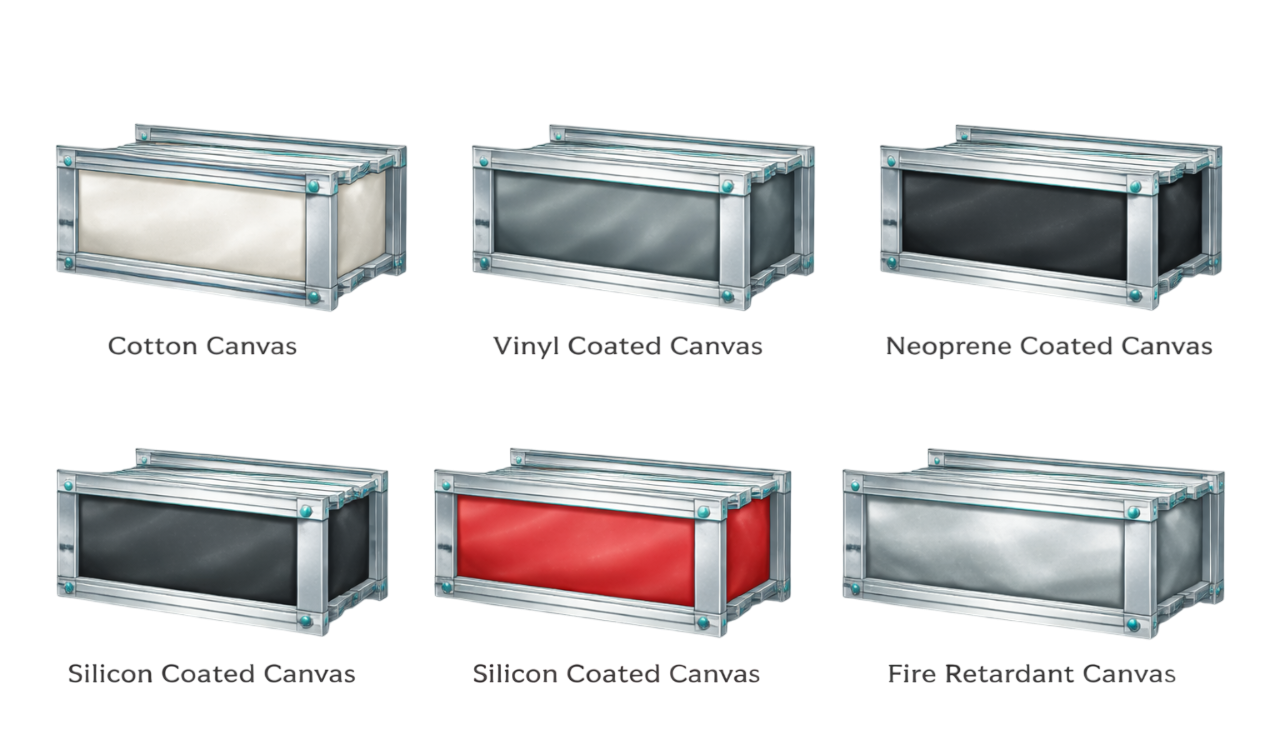
Canvas & Connection Joints
Learn More
Fresh Air & IAQ Systems
Learn MoreFrequently Asked Questions
What are Fabric & Flexible Duct Systems?
Fabric & Flexible Duct Systems are specialized air distribution solutions designed for lightweight installation, uniform air diffusion, and adaptable routing in HVAC networks. Fabric (textile) ducts distribute air through engineered perforations, while flexible ducts are used for terminal connections, providing even air distribution, reduced noise, and faster installation compared to rigid systems.
Where are fabric duct systems commonly used?
Fabric duct systems are widely used in commercial offices, shopping malls, showrooms, restaurants, warehouses, gymnasiums, industrial production areas, and temporary HVAC installations. They are ideal for exposed ceiling applications where aesthetics and uniform air diffusion are important.
What are the advantages of fabric ducts over metal ducts?
Fabric ducts provide even air distribution without drafts, reduced noise levels, lightweight suspension requiring less structural support, faster installation, aesthetic integration in exposed ceilings, no condensation issues, and are washable for hygienic applications. They also eliminate the need for separate diffusers and insulation.
What is the maximum length for flexible duct runs?
Flexible duct runs should be kept as short as possible, typically not exceeding 1.5 to 2 meters, to minimize static pressure drop and airflow resistance. Longer runs require careful engineering and larger diameters. We ensure compliance with maximum length limitations and proper support to prevent sagging.
Do you provide AMC for fabric duct systems?
Yes, we offer Annual Maintenance Contracts (AMC) for fabric and flexible duct systems. Our services include fabric duct cleaning, flexible duct inspection, suspension system inspection, airflow validation, seal integrity check, and replacement planning to ensure long-term durability and performance.
How is airflow distribution controlled in fabric ducts?
Airflow distribution is controlled through engineered perforation patterns or linear diffusers integrated within the textile tubes. We configure diffusion patterns based on CFM requirements per meter, calculate throw distance, control drafts, and ensure static pressure compatibility for uniform air distribution across the entire length.
Can fabric ducts be cleaned?
Yes, fabric ducts are washable and can be removed for cleaning. We select washable fabric materials suitable for the application and provide cleaning services as part of our maintenance packages. This is particularly important for hygienic applications in healthcare, food processing, and cleanroom environments.
What causes poor airflow in flexible ducts?
Common causes include excessive length causing pressure drop, sharp bends or kinks, sagging due to inadequate support, crushed sections, insulation damage, and connection seal failures. Our repair services address these issues through re-routing, proper support installation, and replacement of damaged sections.
Can existing metal ducts be replaced with fabric ducts?
Yes, we execute retrofitting projects where existing rigid ducts are replaced with textile duct systems. This provides benefits like improved aesthetics, better air distribution, reduced noise, and lighter structural load. We also perform flexible duct re-routing and air distribution improvement upgrades.
What engineering considerations are important for fabric duct design?
Key considerations include airflow CFM distribution per meter, perforation sizing and pattern design, throw distance calculation, draft control, static pressure compatibility, washable fabric material selection, and hygienic compliance where required. Proper engineering ensures uniform airflow and occupant comfort.