HVAC Fabrication & Structures
(Engineered fabrication and structural solutions for safe, precise & durable HVAC installations)
Engineered Structural Support for HVAC Systems
HVAC fabrication and structural systems provide the physical foundation for safe installation and long-term operation of HVAC equipment, ducting, piping, and utilities. Properly engineered fabrication ensures load stability, alignment accuracy, vibration control, and maintenance accessibility across the system lifecycle.
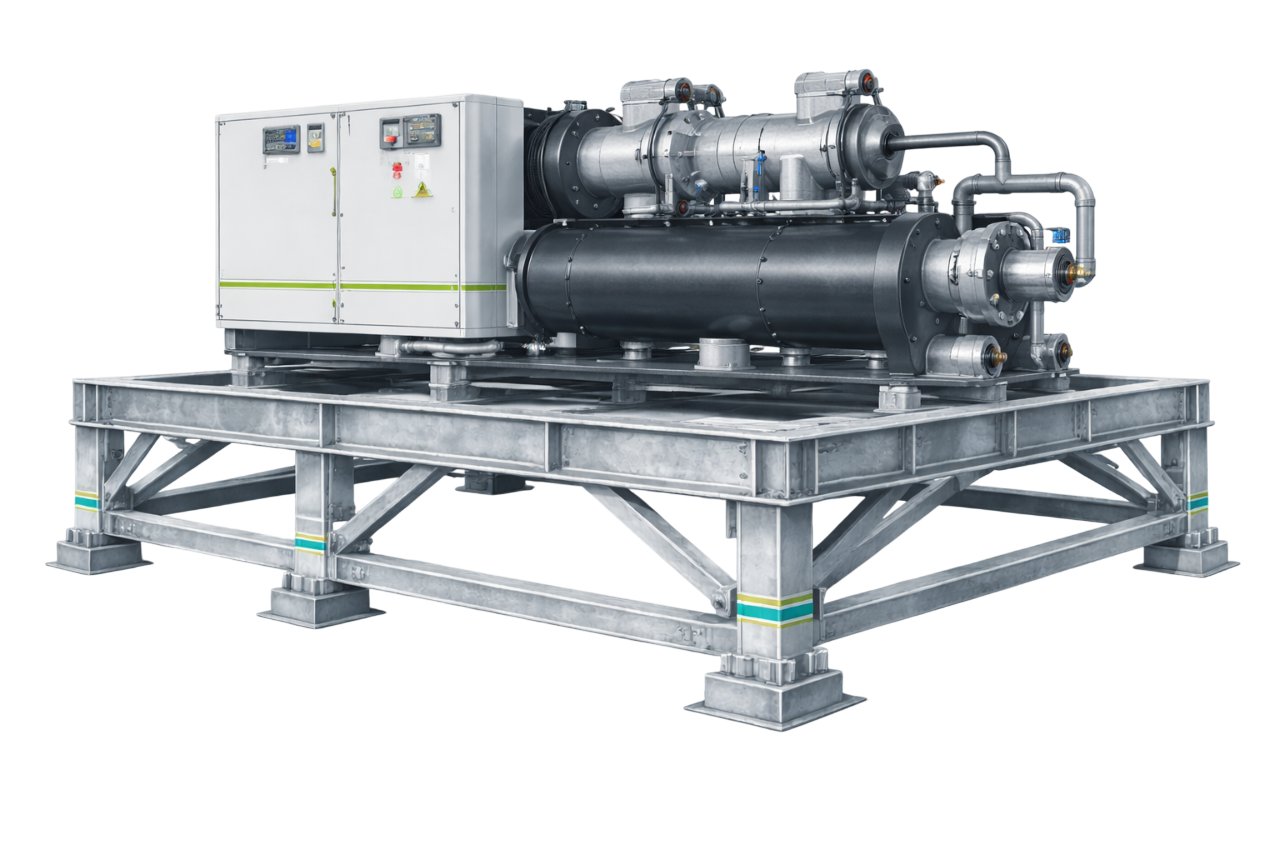
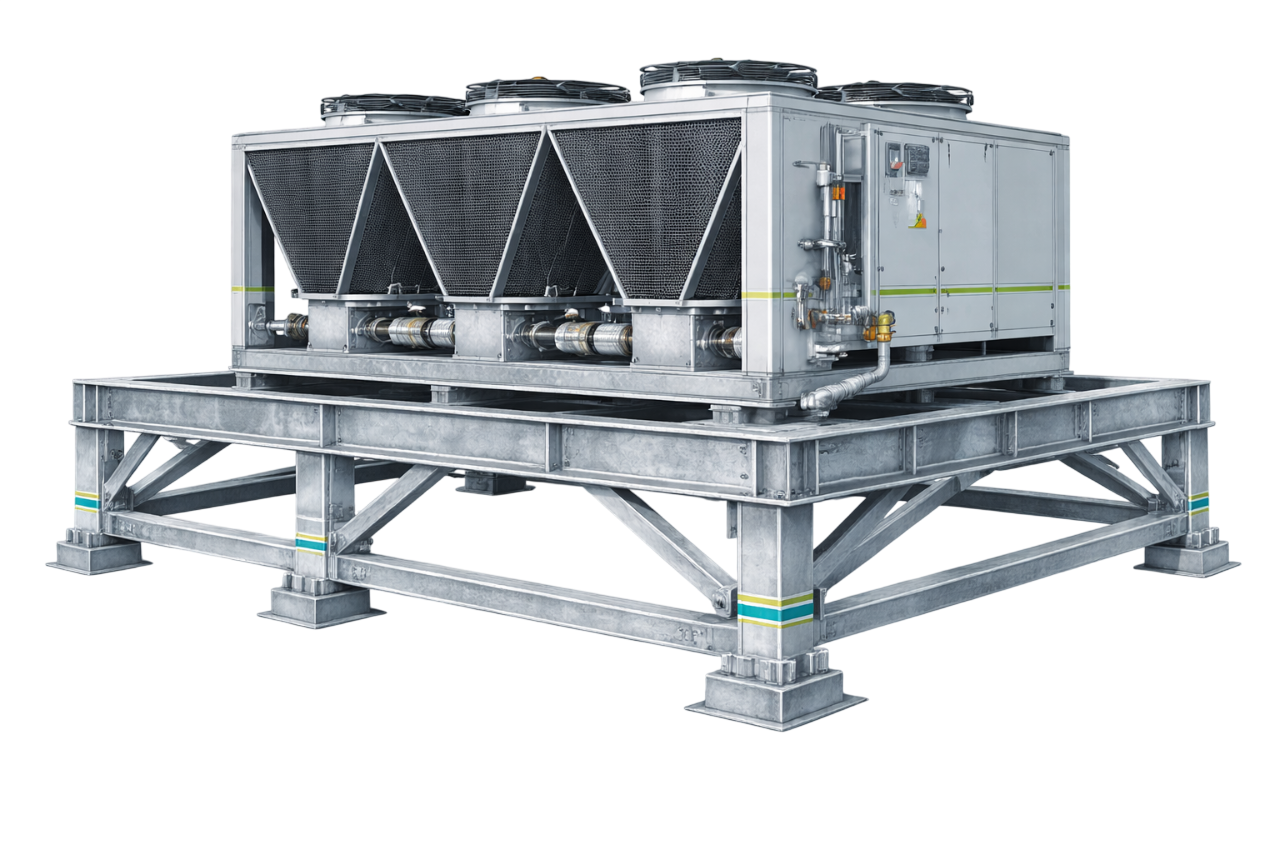
At Compress India, fabrication and structural works are engineered—not improvised. Our approach integrates structural analysis, fabrication detailing, corrosion protection, and site coordination to ensure HVAC systems are supported safely and efficiently under real operating conditions.
Scope of Services of HVAC Fabrication & Structures
What HVAC Fabrication & Structures Involve?
- Structural supports for HVAC equipment
- Ducting and piping support systems
- Equipment skids, frames, and bases
- Vibration isolation and load distribution
- Corrosion protection and finishing
- Installation access and serviceability planning
System Types & Configurations
Explore our comprehensive range of HVAC fabrication and structural systems designed for safe, precise and durable support of HVAC installations.
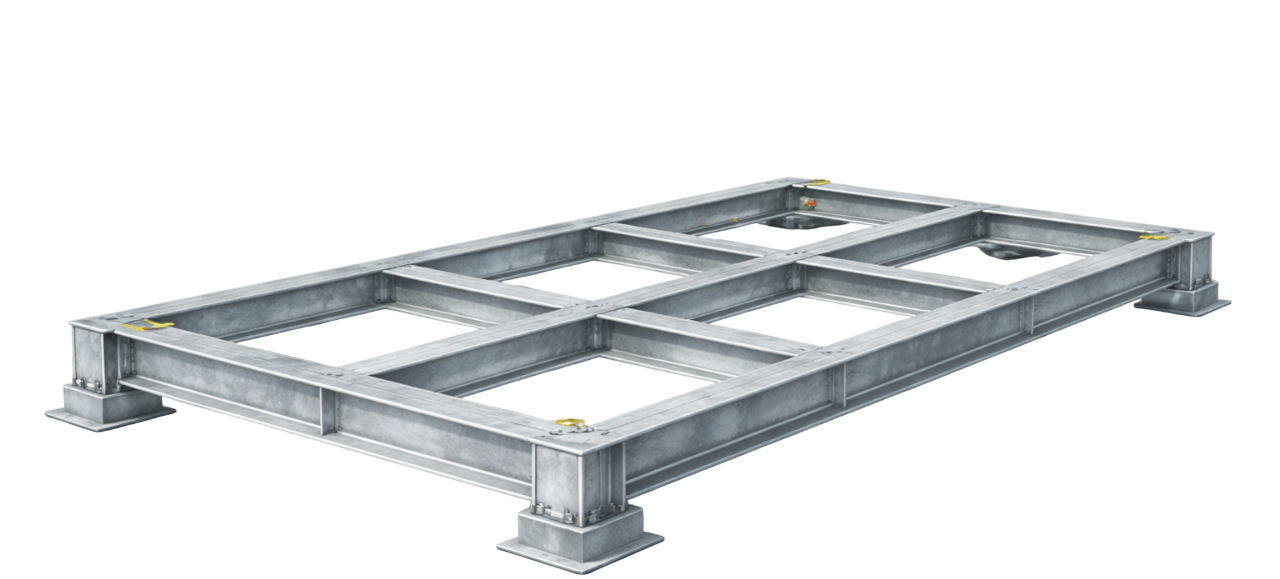
Equipment Skids & Base Frames
Learn More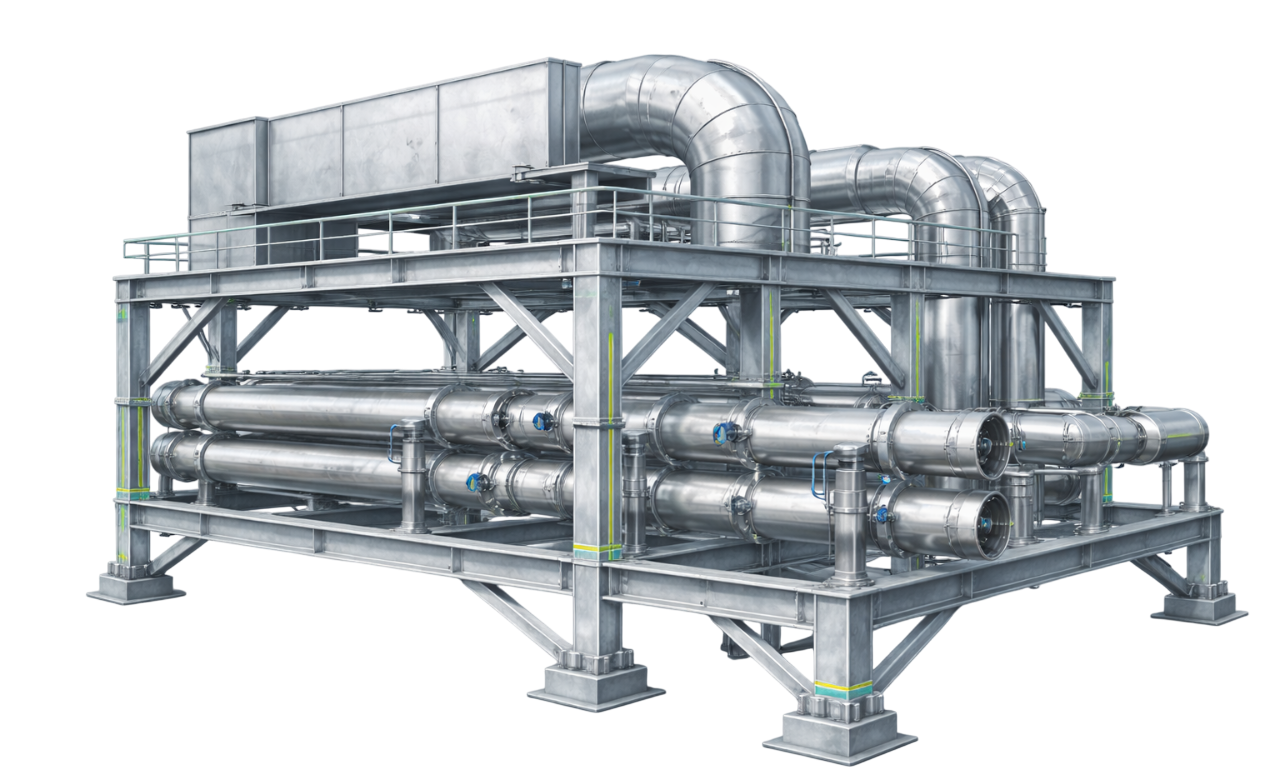
Ducting & Pipe Support Structures
Learn More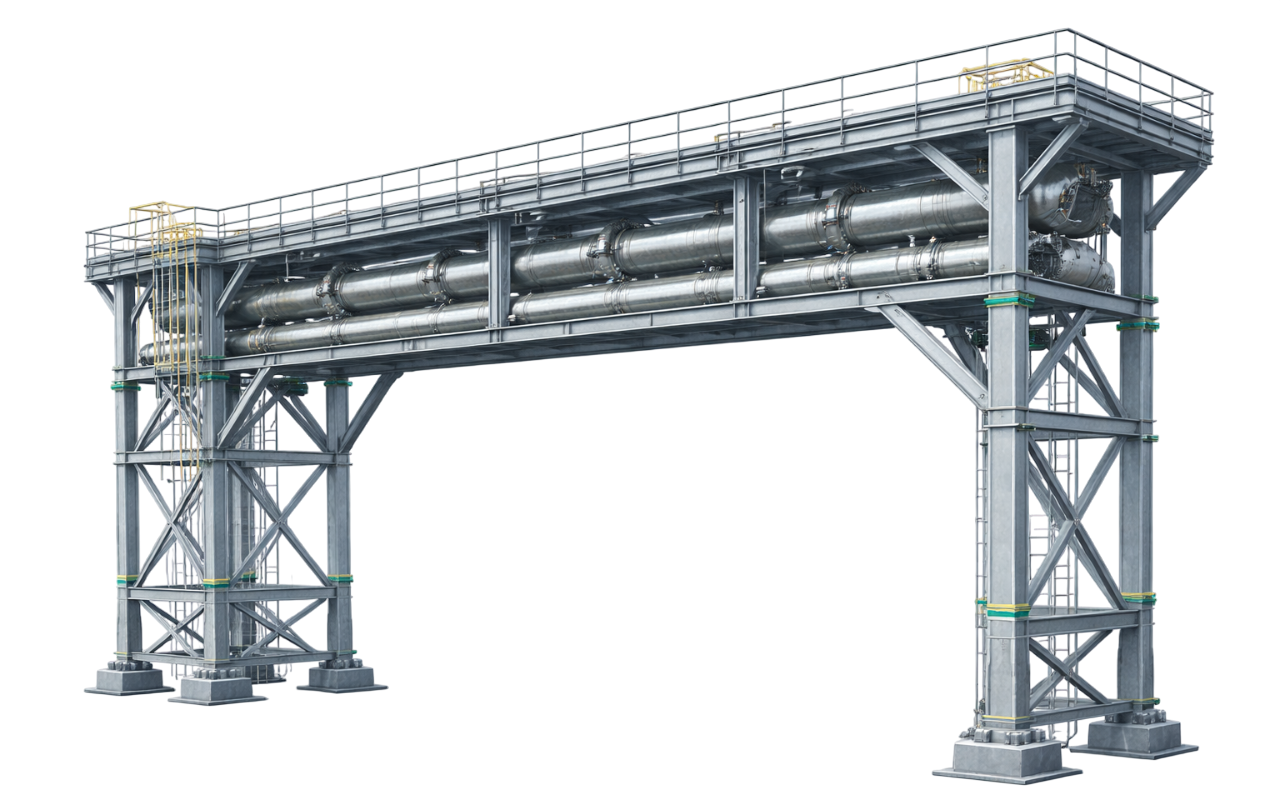
Elevated Process & Utility Structures
Learn More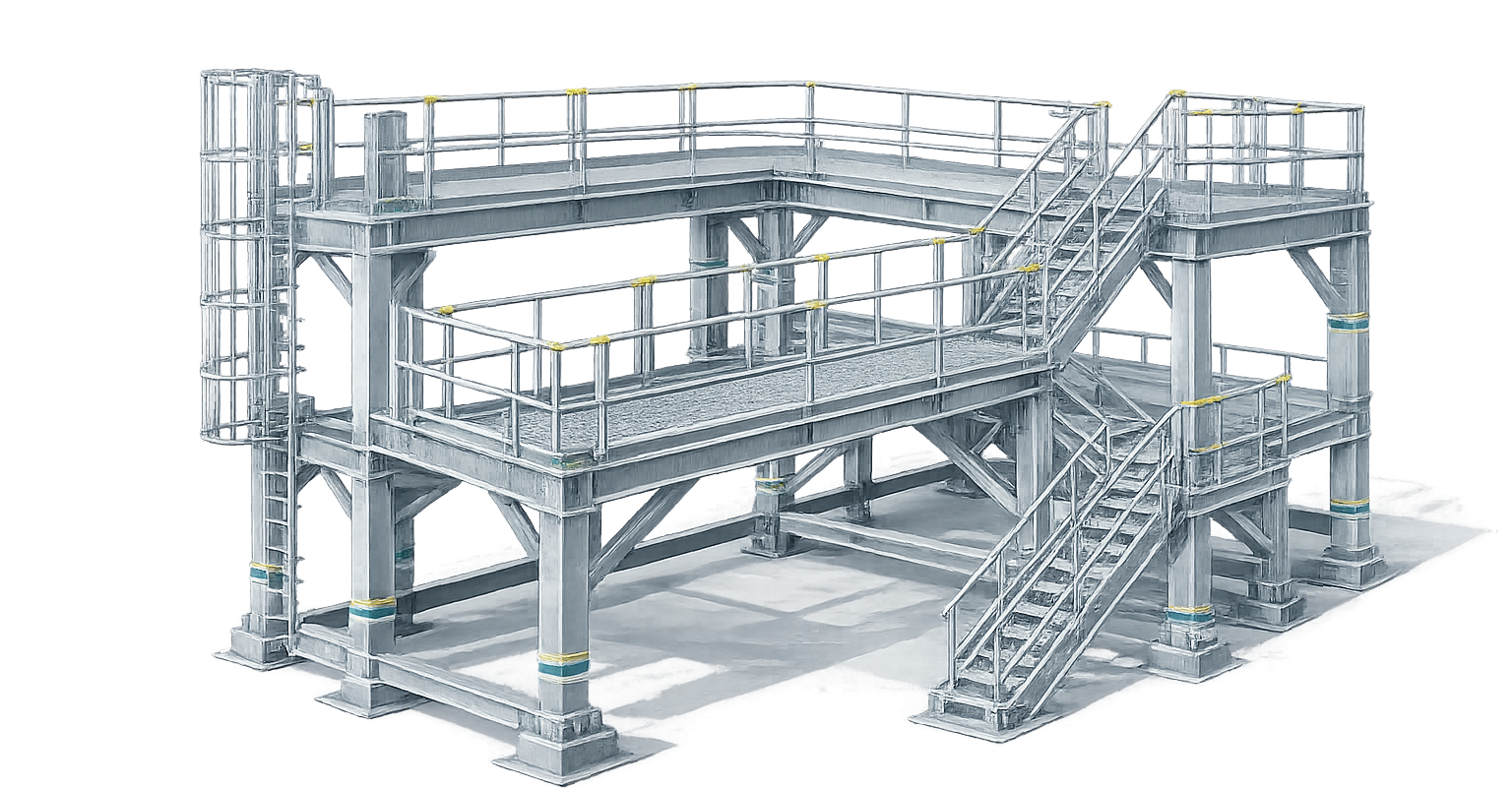
Access Platforms, Walkways & Ladders
Learn More
Custom HVAC Fabrication Works
Learn More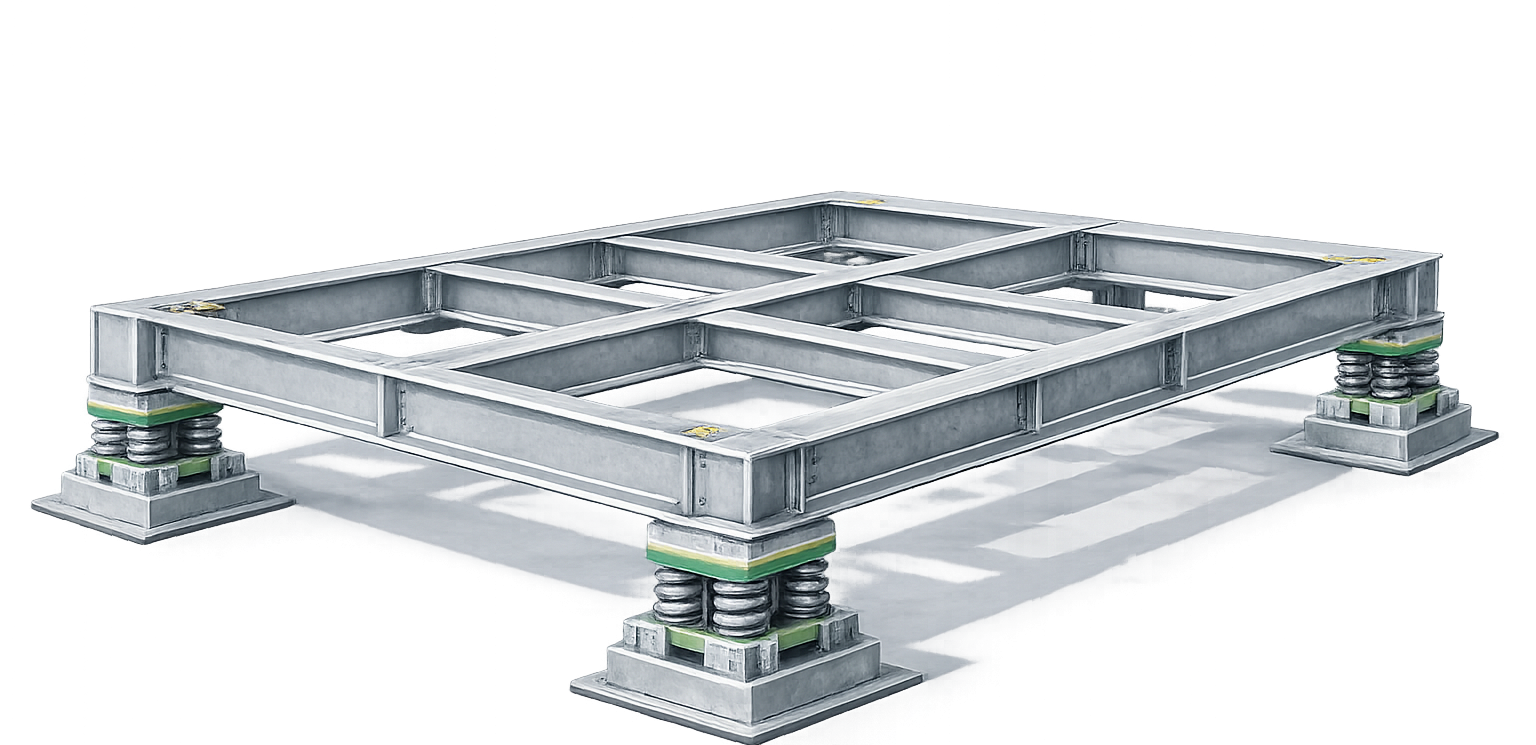
Vibration Isolation & Mounting Systems
Learn MoreOur Engineering Approach – How We Execute
Structured methodology for HVAC fabrication and structural system design and implementation, ensuring technical accuracy, structural safety, and long-term reliability.
Load assessment and structural requirement analysis
Structural stability and vibration evaluation
Installation coordination with HVAC systems
Material selection and fabrication detailing
Corrosion protection and finishing specification
Inspection and performance verification
Applications & Project Environments
Our fabrication solutions serve diverse commercial, industrial, healthcare, and specialized environments requiring safe and durable HVAC structural support.
- Central HVAC plants and utility areas
- Industrial and process facilities
- Commercial and institutional buildings
- Data centres and critical infrastructure
- Pharmaceutical and cleanroom environments
- Healthcare and laboratory facilities
Engineering-Led Value Outcomes
Measurable performance, safety, and reliability advantages delivered through disciplined fabrication engineering and structural validation.
- Safe and stable HVAC equipment support
- Reduced vibration and structural stress
- Improved installation accuracy and alignment
- Enhanced durability and corrosion resistance
- Ease of access for maintenance and operation
Consult with Our Engineering Team
Connect with our engineering team to develop fabrication and structural solutions that integrate seamlessly with HVAC systems and site constraints.
Related HVAC Systems & Services
HVAC systems operate as an integrated ecosystem. Explore related services that support system performance, reliability, and lifecycle efficiency.
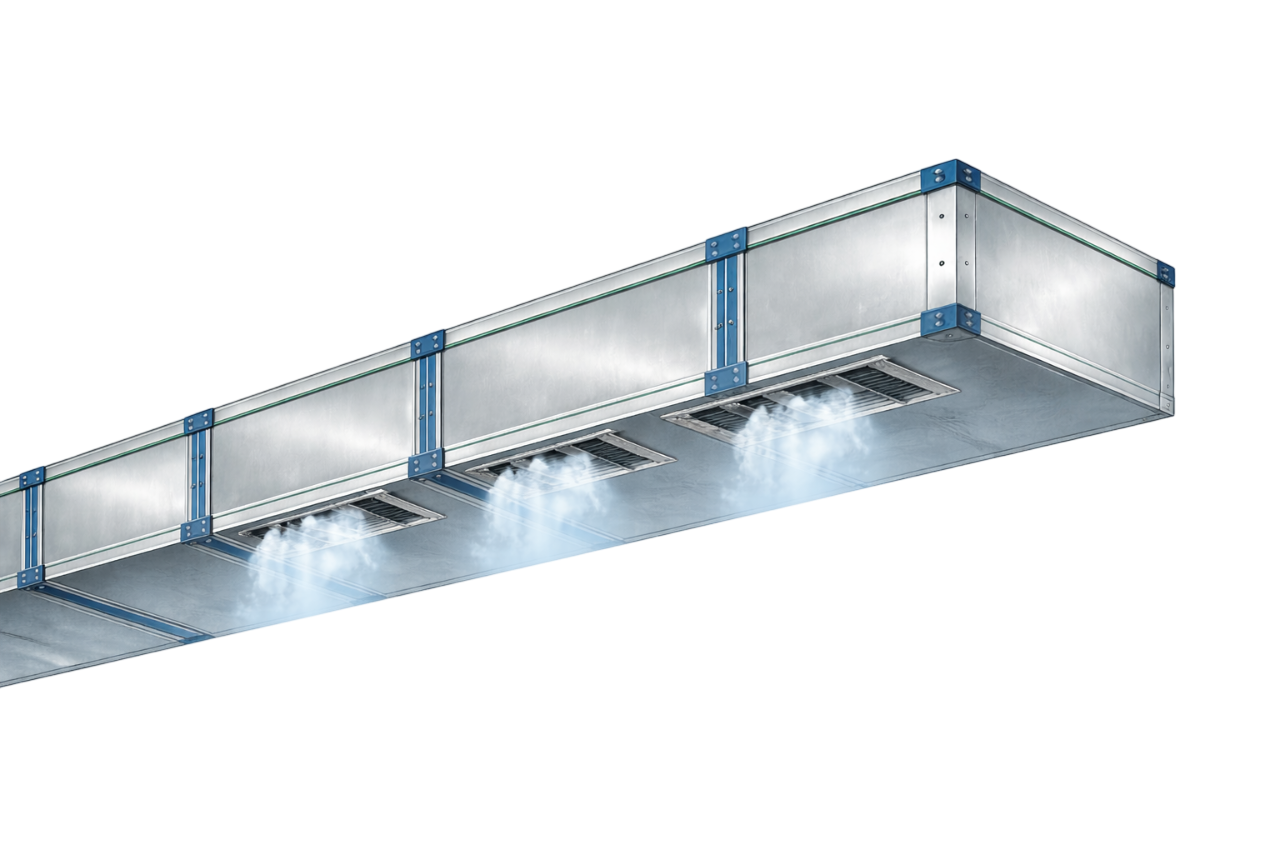
Ducting & Air Distribution
Learn More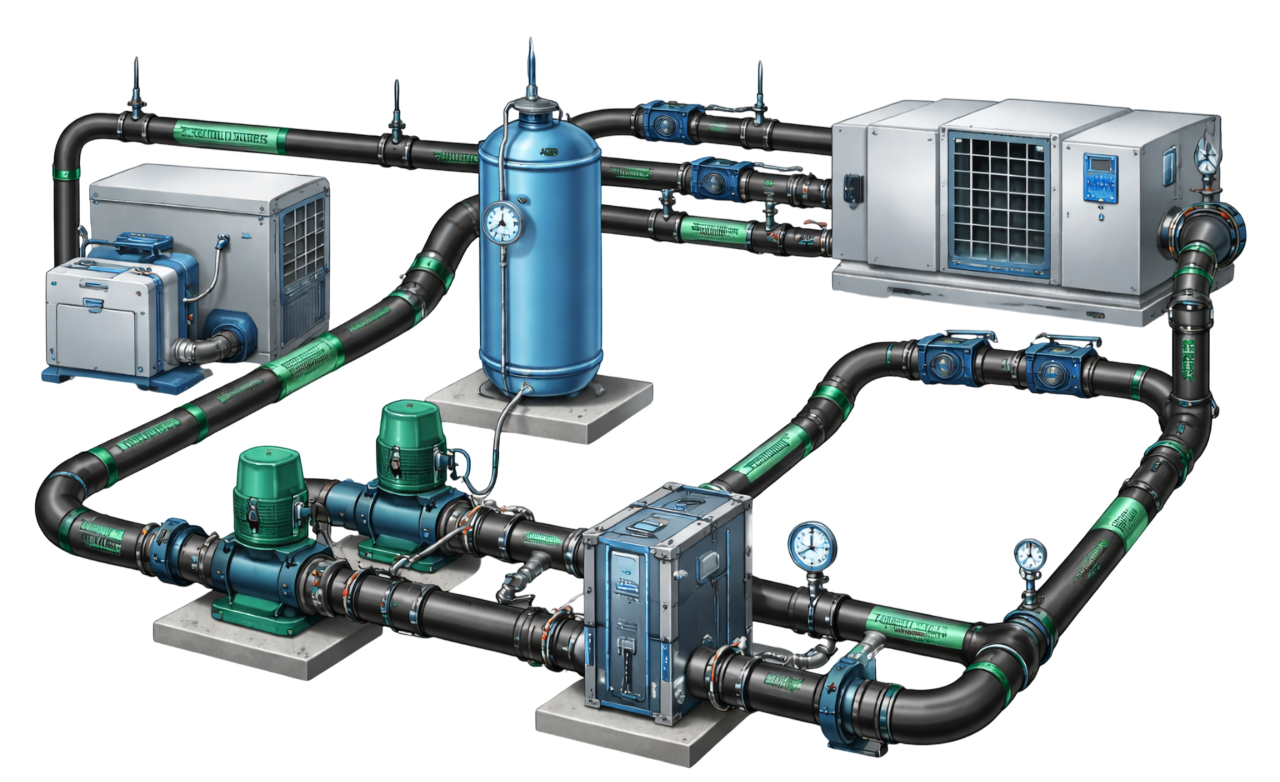
Piping & Utility Systems
Learn More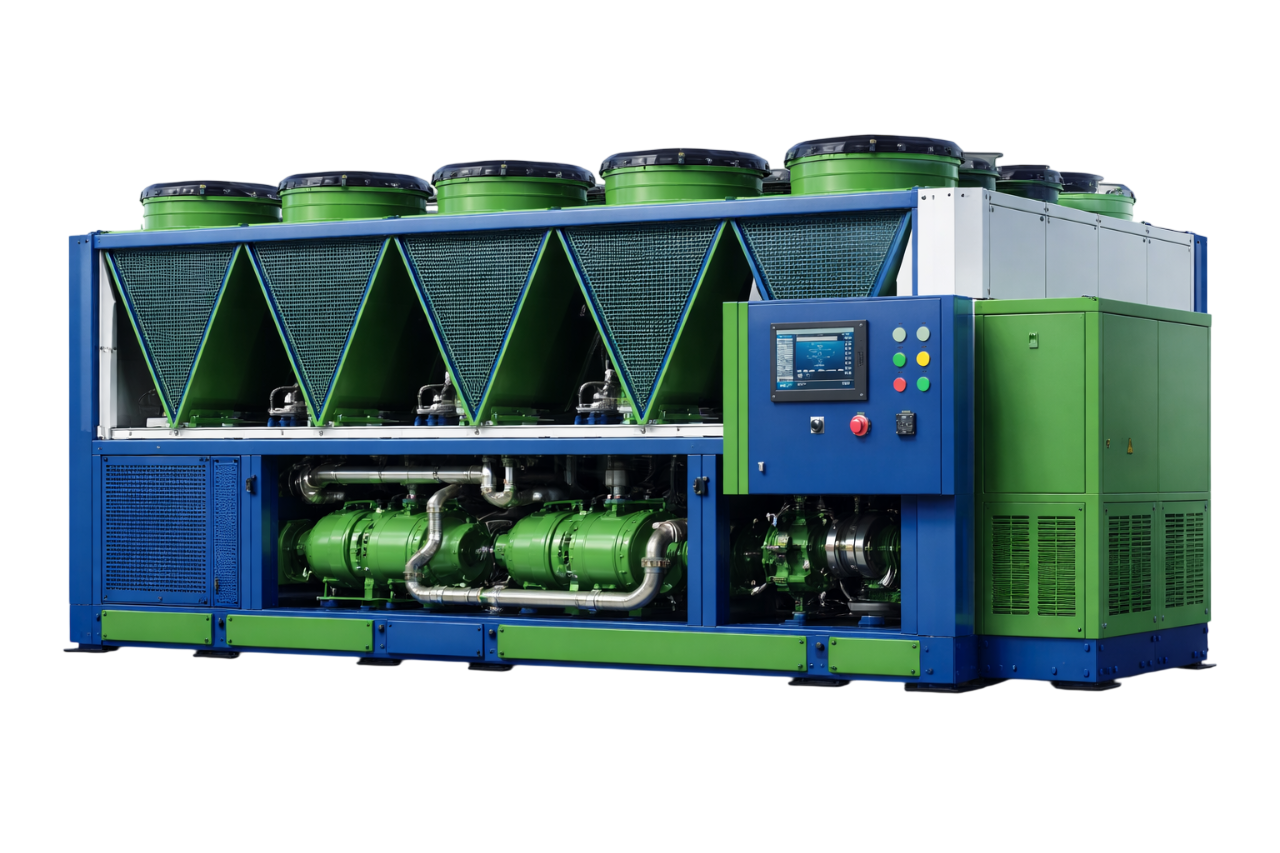
Chillers & Central Cooling
Learn More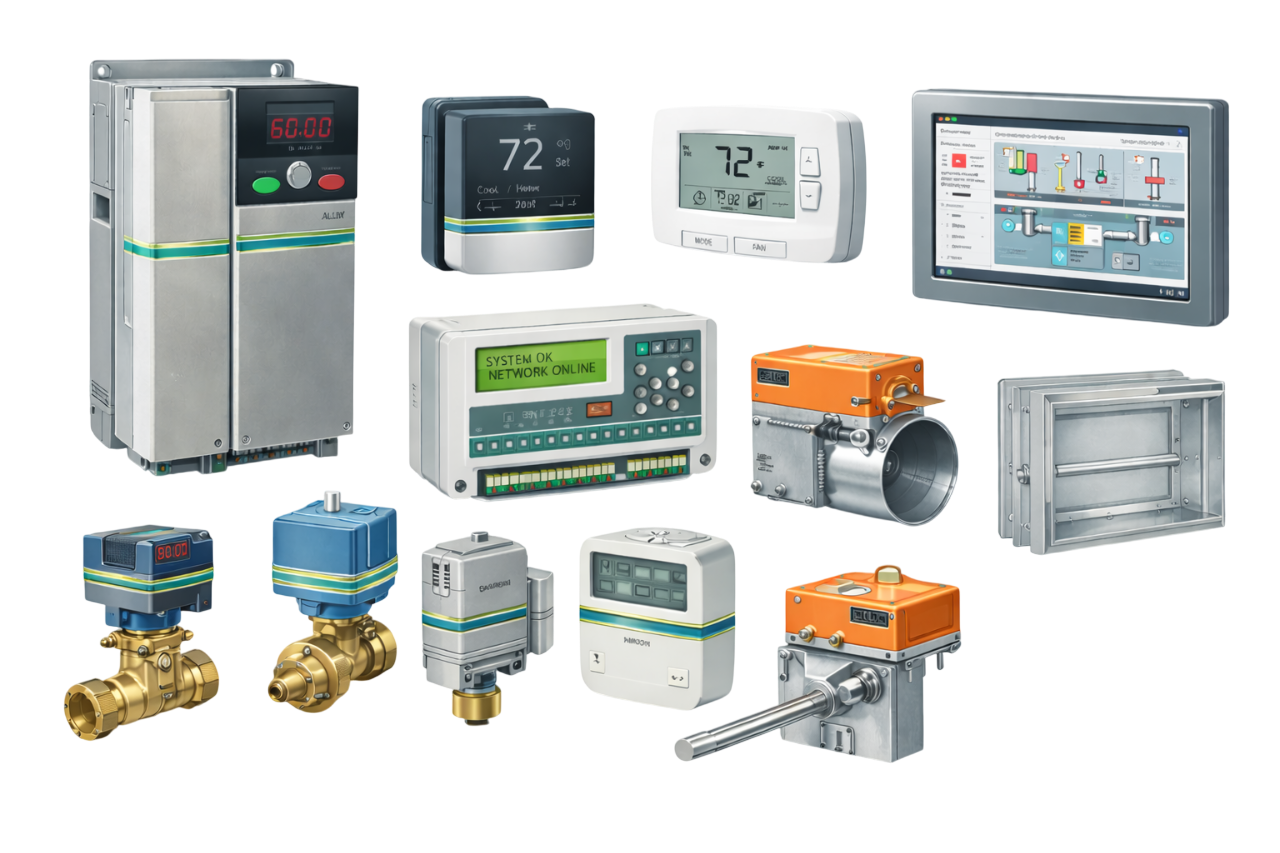
HVAC Automation & Instrumentation
Learn More
Testing & Commissioning
Learn MoreFrequently Asked Questions
What materials are commonly used for HVAC structural supports?
Common materials include structural steel (angles, channels, beams, tubes), stainless steel for corrosive environments, aluminum for lightweight applications, galvanized steel for corrosion resistance, and composite materials for specialized applications.
How are equipment loads calculated for structural supports?
Load calculations include dead weight (equipment, piping, insulation), live loads (maintenance personnel, tools), dynamic loads (vibration, seismic, wind), thermal expansion forces, and safety factors (typically 1.5-2.0). Manufacturer data and structural codes guide calculations.
What are the different types of pipe supports?
Types include rigid supports (clamps, saddles), adjustable supports (cradles, rollers), spring hangers (for thermal movement), constant supports, guides (limit lateral movement), anchors (prevent movement), and trapeze hangers for horizontal pipe runs.
What is vibration isolation and when is it required?
Vibration isolation prevents transmission of equipment vibration to building structures. Required for rotating equipment (chillers, pumps, fans, compressors), typically using spring isolators, rubber pads, inertia bases, or isolation rails. Selection depends on equipment frequency, weight, and isolation efficiency required.
How are access platforms and walkways designed for safety?
Design follows OSHA/ANSI standards including minimum width (600mm), guardrail height (1070mm), toe boards (100mm), load capacity (2.5-5 kN/m²), non-slip surfaces, proper lighting, and safe access points. Materials include grating, checker plate, or expanded metal with appropriate coatings.
What corrosion protection methods are used for outdoor structures?
Methods include hot-dip galvanizing, zinc-rich primers, epoxy/polyurethane paint systems, stainless steel construction, powder coating, and cathodic protection for severe environments. Selection depends on exposure conditions (marine, chemical, humidity) and maintenance requirements.
What are equipment skids and their advantages?
Equipment skids are pre-fabricated structural frames that support multiple equipment pieces as a single module. Advantages include faster installation, precise alignment, reduced field welding, easier relocation, vibration control, and simplified piping/electrical connections.
How are seismic considerations addressed in HVAC structures?
Seismic design includes lateral bracing, adequate anchor bolts, flexible connections, seismic snubbers, and compliance with local building codes (IBC, ASCE 7). Calculations consider seismic zone, soil conditions, equipment importance factor, and dynamic characteristics.
What are the spacing requirements for pipe supports?
Spacing depends on pipe material, diameter, contents, temperature, and codes. Typical spacing: steel pipes 3-6m, copper pipes 1.5-3m, plastic pipes 0.6-1.5m. Additional supports are needed near valves, fittings, equipment connections, and changes in direction.
What welding standards apply to HVAC fabrication?
Standards include AWS D1.1 for structural steel, ASME Section IX for pressure components, and specific codes for material types. Requirements include qualified welders, proper welding procedures (WPS), inspection (visual, NDT), and documentation (PQR, WQR).
How does thermal expansion affect structural design?
Thermal expansion causes dimensional changes in pipes and equipment. Design accommodates this through expansion joints, flexible connectors, sliding supports, guide arrangements, proper anchor placement, and calculation of expansion forces to prevent stress on supports and connected equipment.
What documentation is required for fabricated structures?
Documentation includes fabrication drawings, material certificates, welding procedures, inspection reports, load calculations, installation instructions, as-built drawings, maintenance manuals, and compliance certificates (if applicable).