Ducting & Pipe Support Structures
(Structural Support Fabrication, Pipe Rack Systems & HVAC Load-Bearing Support Engineering)
Ducting & Pipe Support Structures – Engineering Execution & Field Services
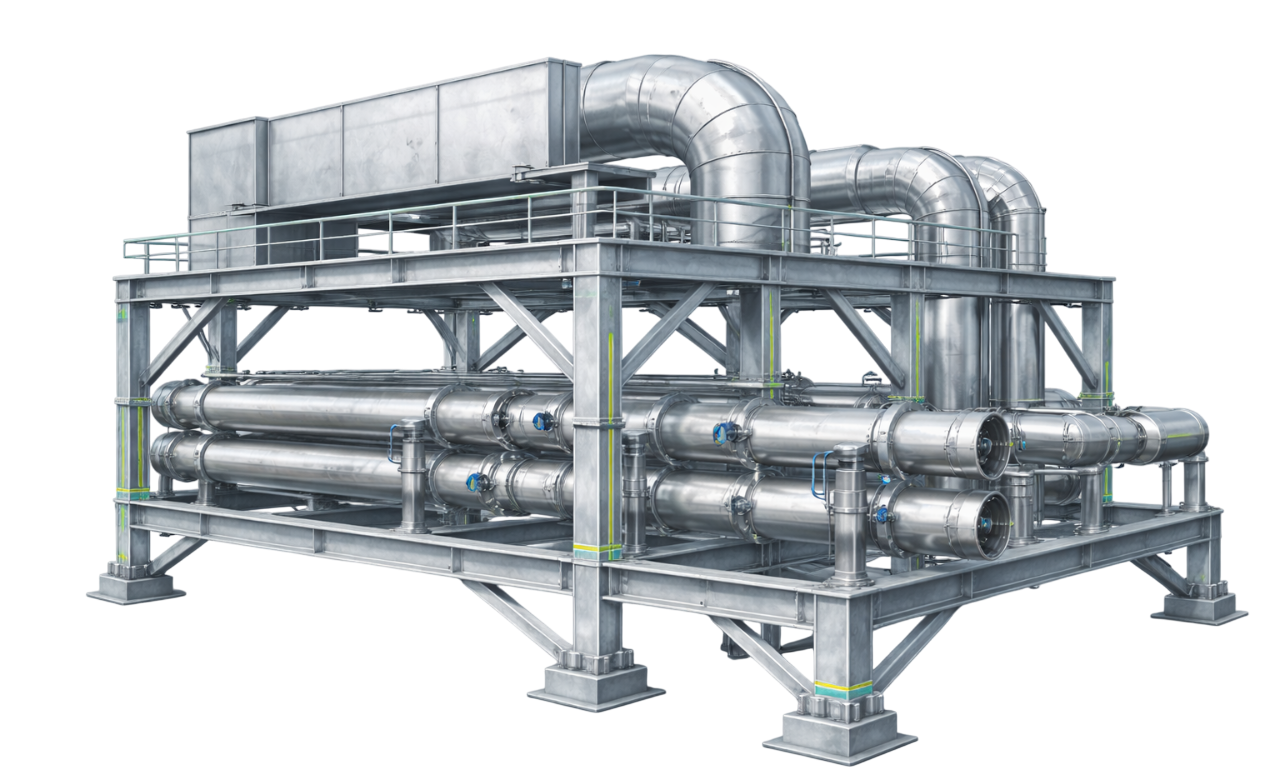
Ducting and pipe support structures are essential components of HVAC and utility infrastructure. These structural systems are designed to safely support ductwork, chilled water piping, condenser piping, process lines, and associated services while maintaining alignment, load distribution, and vibration stability.
Improper support design can cause:
- Duct sagging or deformation
- Pipe misalignment
- Excessive vibration transmission
- Structural stress on equipment
- Thermal expansion damage
- Safety hazards in industrial environments
Compress India provides complete engineering execution services including structural design, load analysis, fabrication, anti-corrosion treatment, installation, alignment verification, retrofitting, repair, and AMC services for HVAC ducting and piping support systems.
Why Proper Pipe & Duct Support Engineering Is Critical
Support structures must accommodate:
Static loads from duct and piping weight
Dynamic loads caused by fluid flow
Thermal expansion and contraction
Vibration from pumps and fans
Seismic considerations (where applicable)
Structural load transfer to building framework
Properly engineered supports ensure:
Long-term system reliability
Stable airflow and fluid distribution
Reduced vibration transmission
Safe structural load distribution
Easier maintenance access
Types of Ducting & Pipe Support Structures
Trapeze Pipe Supports
Commonly used for suspended piping systems.
- Threaded rod suspension
- Cross-channel beam support
- Multi-pipe support capability
Used widely in plant rooms and ceiling installations.
Cantilever Wall Supports
Mounted directly on structural walls or columns.
- Single pipe supports
- Duct cantilever brackets
- Short-span piping installations
Ideal for compact mechanical rooms.
Pipe Rack Structures
Heavy-duty steel support systems designed for large utility networks.
- Multi-level pipe racks
- Industrial process pipe supports
- Outdoor utility rack structures
Common in industrial plants and large mechanical installations.
Floor-Mounted Pipe Supports
Used where piping runs at ground level.
- Structural steel pedestal supports
- Adjustable base supports
- Equipment-connected piping supports
Provides stable support for heavy piping systems.
Spring & Vibration-Isolated Supports
Used where vibration control is critical.
- Spring hanger supports
- Elastomeric vibration mounts
- Flexible pipe support systems
Commonly used near pumps, compressors, and AHUs.
Structural Design & Load Calculation
We perform detailed engineering including:
- Pipe load calculation
- Duct load estimation
- Structural beam sizing
- Deflection calculation
- Anchor bolt design
- Support spacing analysis
- Load transfer planning
Structural Design & Load Calculation
Proper structural design prevents sagging and failure.
Fabrication Standards & Welding
Our fabrication process includes:
- Structural steel cutting and bending
- MIG / ARC welding
- Reinforcement welding
- Dimensional inspection
- Weld quality testing
- Structural finishing
Fabrication Standards & Welding
Fabrication follows applicable structural engineering practices.
Anti-Corrosion Protection
Support structures are protected with:
- Surface preparation
- Zinc primer coating
- Epoxy paint systems
- Hot dip galvanization (where required)
- Industrial corrosion protection coatings
Anti-Corrosion Protection
Protection ensures long-term durability in industrial environments.
Installation & Alignment
Our field execution includes:
- Structural support erection
- Anchor bolt installation
- Support alignment verification
- Pipe clamp installation
- Duct support connection
- Expansion clearance verification
Installation & Alignment
Proper installation prevents structural stress on duct and pipe systems.
Vibration & Thermal Expansion Control
We incorporate:
- Expansion loops support
- Spring hangers
- Sliding pipe supports
- Flexible duct supports
- Anti-vibration mounts
Vibration & Thermal Expansion Control
These systems prevent damage caused by thermal movement and mechanical vibration.
Repair, Reinforcement & Retrofitting
We provide corrective services including:
- Structural reinforcement
- Pipe rack strengthening
- Corroded support replacement
- Support realignment
- Additional support installation
Repair, Reinforcement & Retrofitting
Retrofitting improves safety and extends infrastructure life.
Preventive Maintenance & AMC Services
Our AMC services include:
- Structural inspection
- Bolt tightening
- Corrosion monitoring
- Support alignment verification
- Load stress inspection
Preventive Maintenance & AMC Services
Customized Annual Maintenance Contracts (AMC) are available for HVAC structural support systems.
Connect with Our HVAC Engineering Team
For professional fabrication, installation, structural design, repair, or AMC services for ducting and pipe support structures, connect with our HVAC engineering team for safe and reliable structural support solutions.
Related HVAC Systems & Engineering Services
Ducting & Pipe Support Structures are closely associated with:
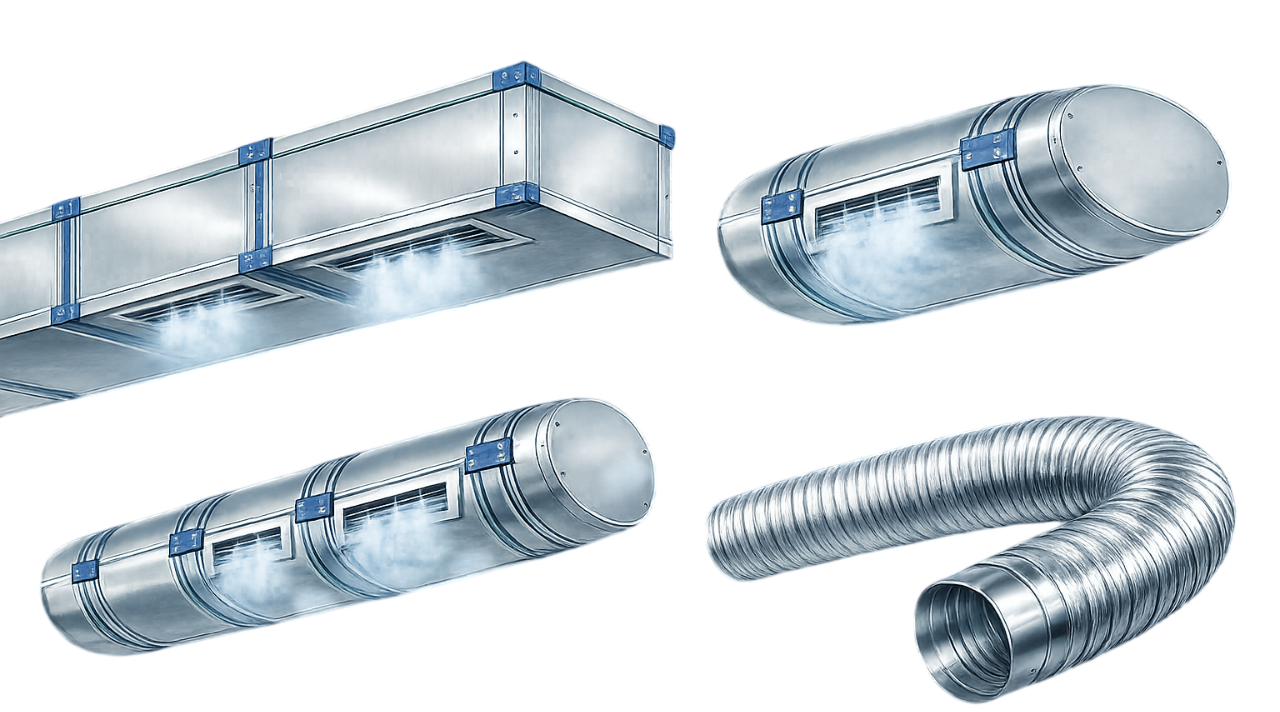
GI / MS / SS Ducting Systems
Learn More
Chilled Water Piping Systems
Learn More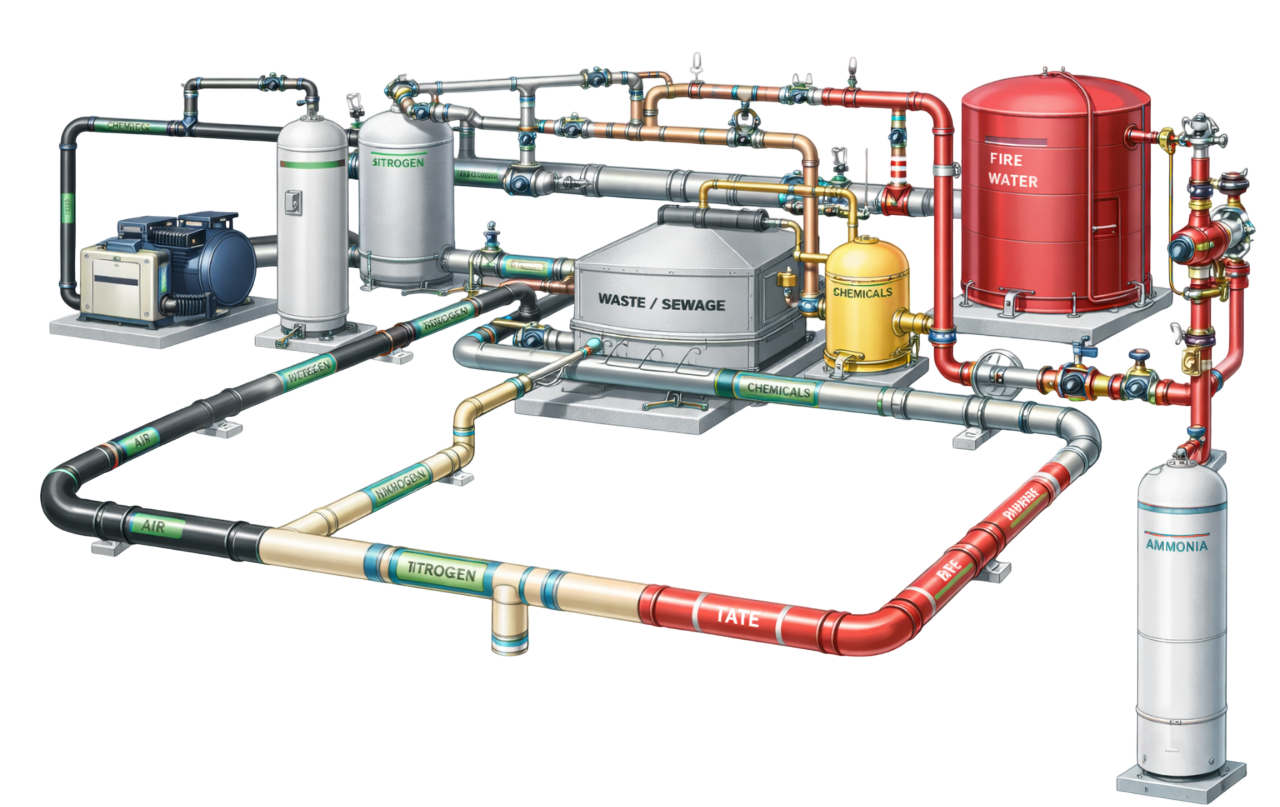
Process & Utility Piping Networks
Learn More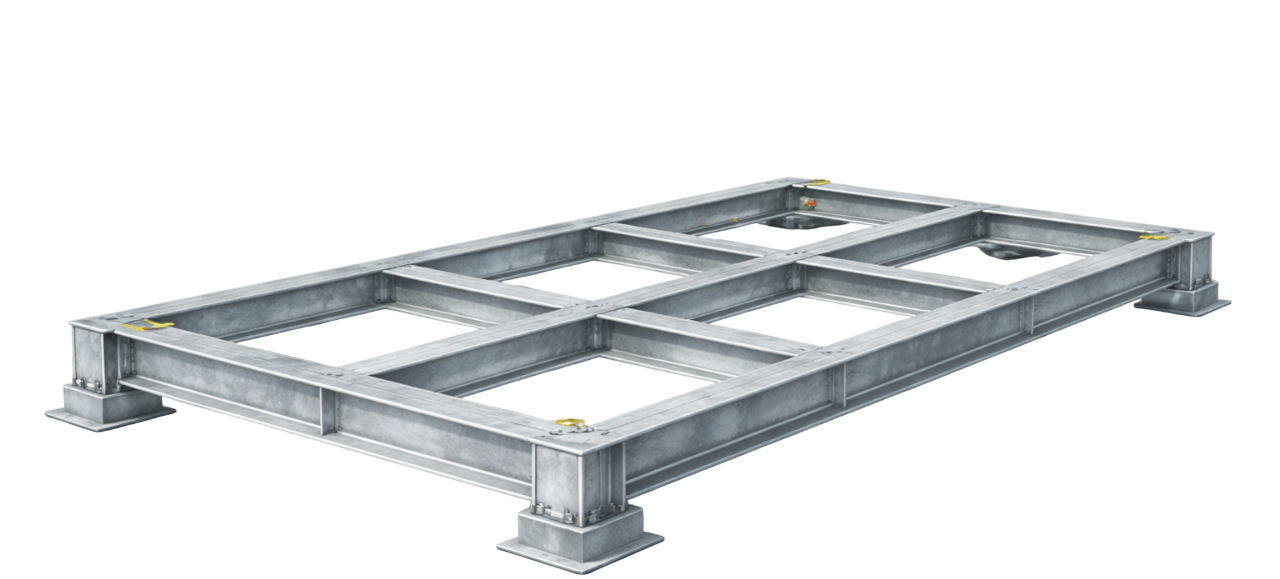
Equipment Skids & Base Frames
Learn More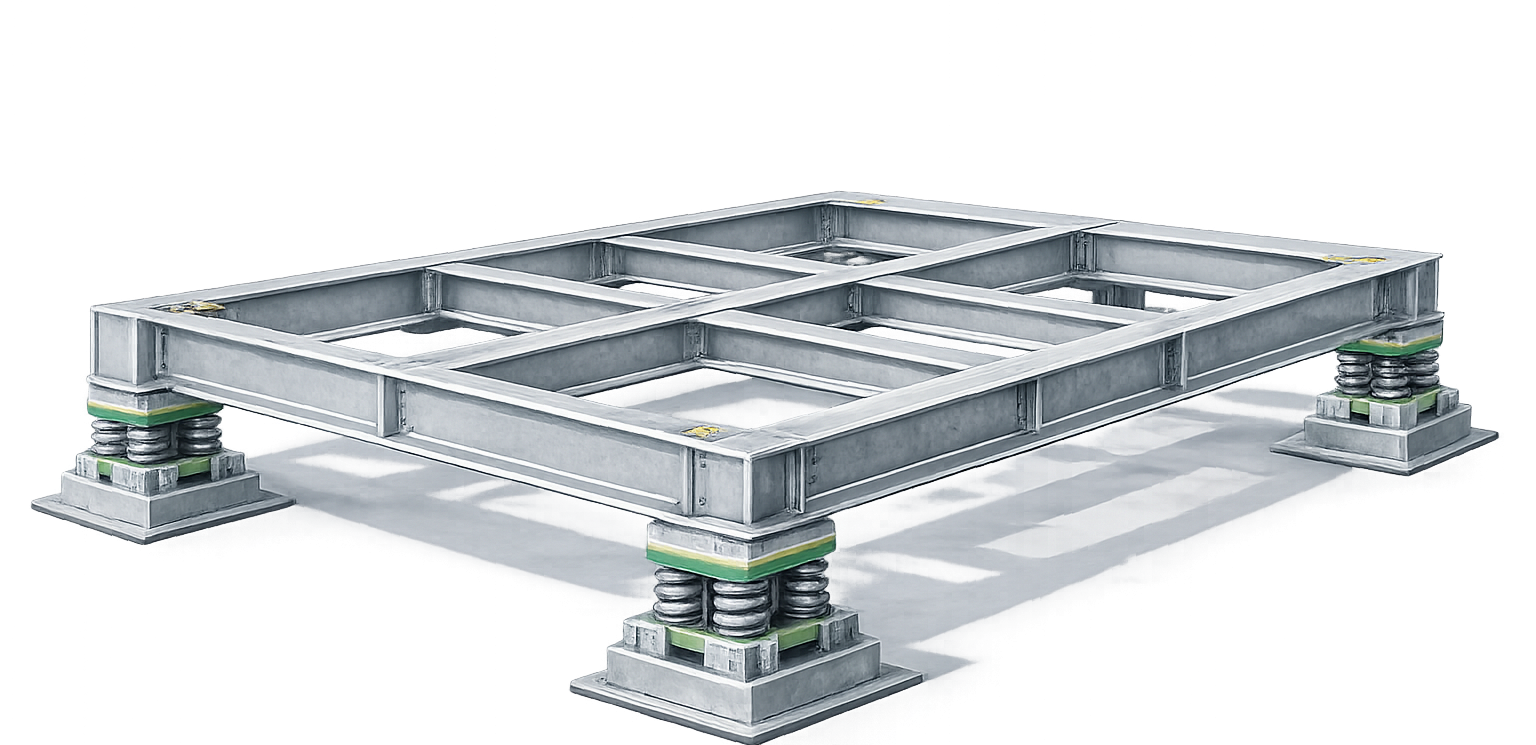
Vibration Isolation & Mounting Systems
Learn More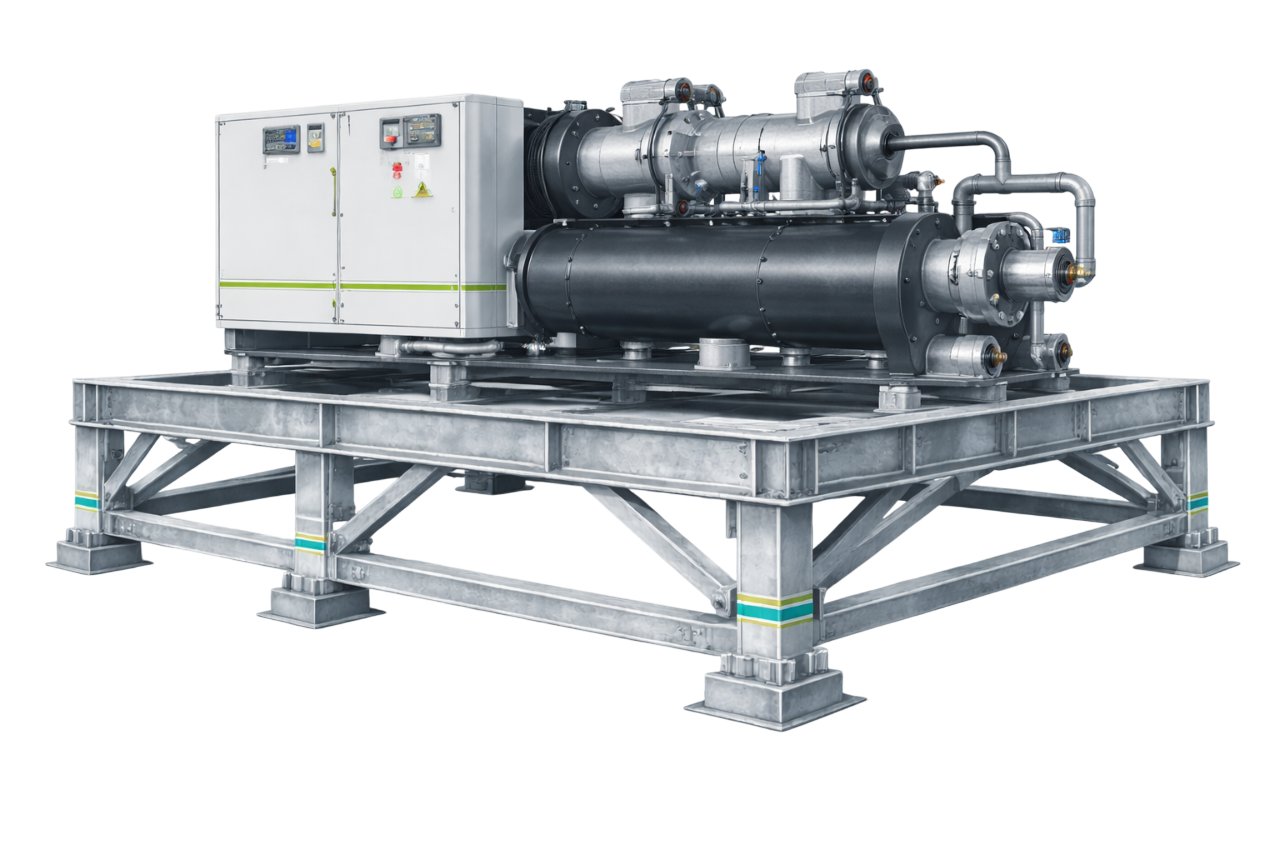
HVAC Fabrication Works
Learn MoreFrequently Asked Questions
What are Ducting & Pipe Support Structures?
Ducting and pipe support structures are essential components of HVAC and utility infrastructure. These structural systems are designed to safely support ductwork, chilled water piping, condenser piping, process lines, and associated services while maintaining alignment, load distribution, and vibration stability.
What types of ducting and pipe support structures do you provide?
We provide trapeze pipe supports, cantilever wall supports, pipe rack structures, floor-mounted pipe supports, and spring & vibration-isolated supports for HVAC and utility infrastructure.
Do you provide AMC for ducting and pipe support structures?
Yes, our AMC services include structural inspection, bolt tightening, corrosion monitoring, support alignment verification, and load stress inspection. Customized Annual Maintenance Contracts (AMC) are available for HVAC structural support systems.
What problems can improper support design cause?
Improper support design can cause duct sagging or deformation, pipe misalignment, excessive vibration transmission, structural stress on equipment, thermal expansion damage, and safety hazards in industrial environments.
What does installation include?
Our field execution includes structural support erection, anchor bolt installation, support alignment verification, pipe clamp installation, duct support connection, and expansion clearance verification.
How do you manage vibration and thermal expansion?
We incorporate expansion loops support, spring hangers, sliding pipe supports, flexible duct supports, and anti-vibration mounts to prevent damage caused by thermal movement and mechanical vibration.
What does your structural design and load calculation include?
We perform pipe load calculation, duct load estimation, structural beam sizing, deflection calculation, anchor bolt design, support spacing analysis, and load transfer planning.
How are support structures protected from corrosion?
Support structures are protected with surface preparation, zinc primer coating, epoxy paint systems, hot dip galvanization where required, and industrial corrosion protection coatings.
Can existing support structures be retrofitted?
Yes, we provide structural reinforcement, pipe rack strengthening, corroded support replacement, support realignment, and additional support installation to improve safety and extend infrastructure life.
Why is proper pipe and duct support engineering critical?
Proper support engineering is critical because structures must accommodate static loads, dynamic loads caused by fluid flow, thermal expansion and contraction, vibration from pumps and fans, seismic considerations where applicable, and structural load transfer to the building framework.