HVAC System Cleaning, Descaling & Overhauling
(Engineered restoration solutions for HVAC system performance, reliability & longevity)
Engineered System Restoration for Sustained Performance
Over time, HVAC systems experience performance degradation due to fouling, scale formation, corrosion by-products, and operational wear. If left unaddressed, these issues lead to reduced heat transfer efficiency, increased energy consumption, flow restrictions, and premature equipment failure.
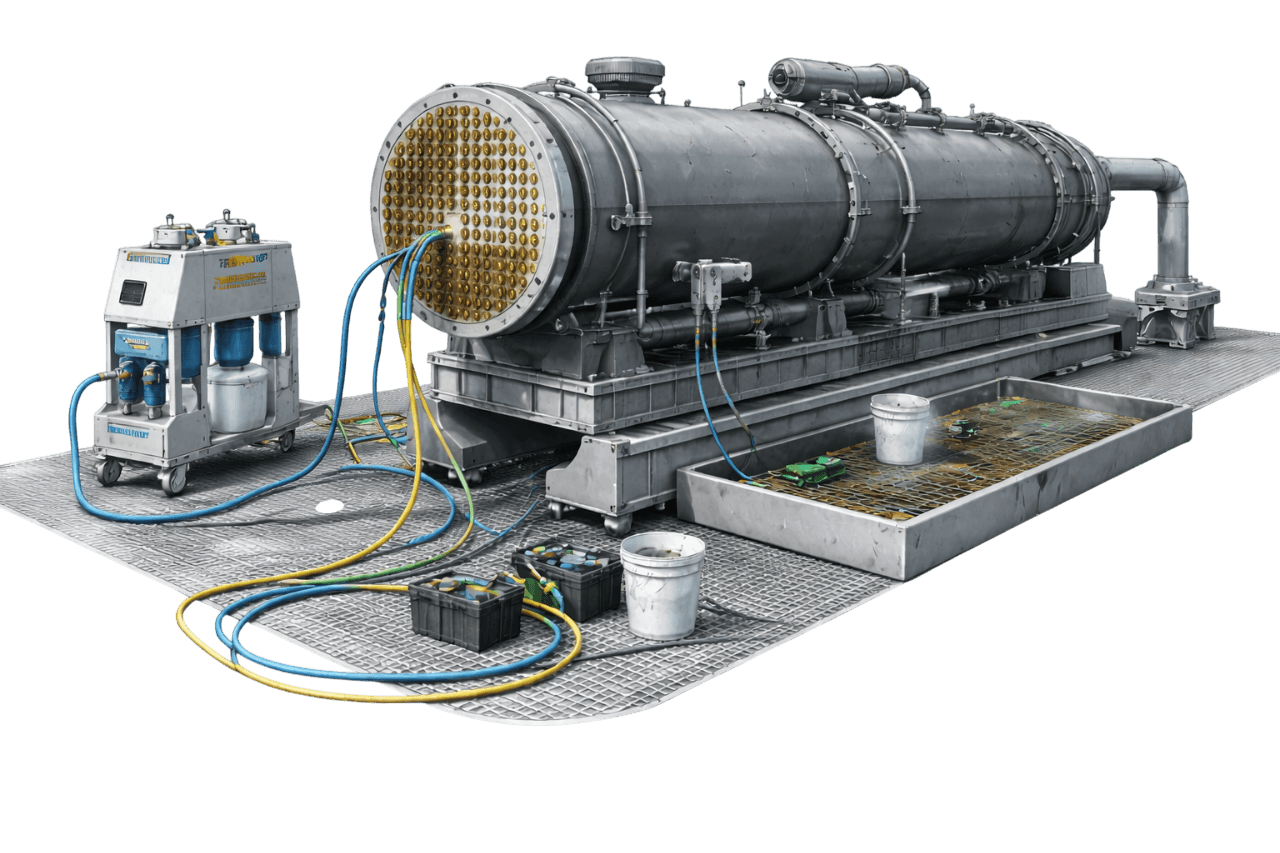
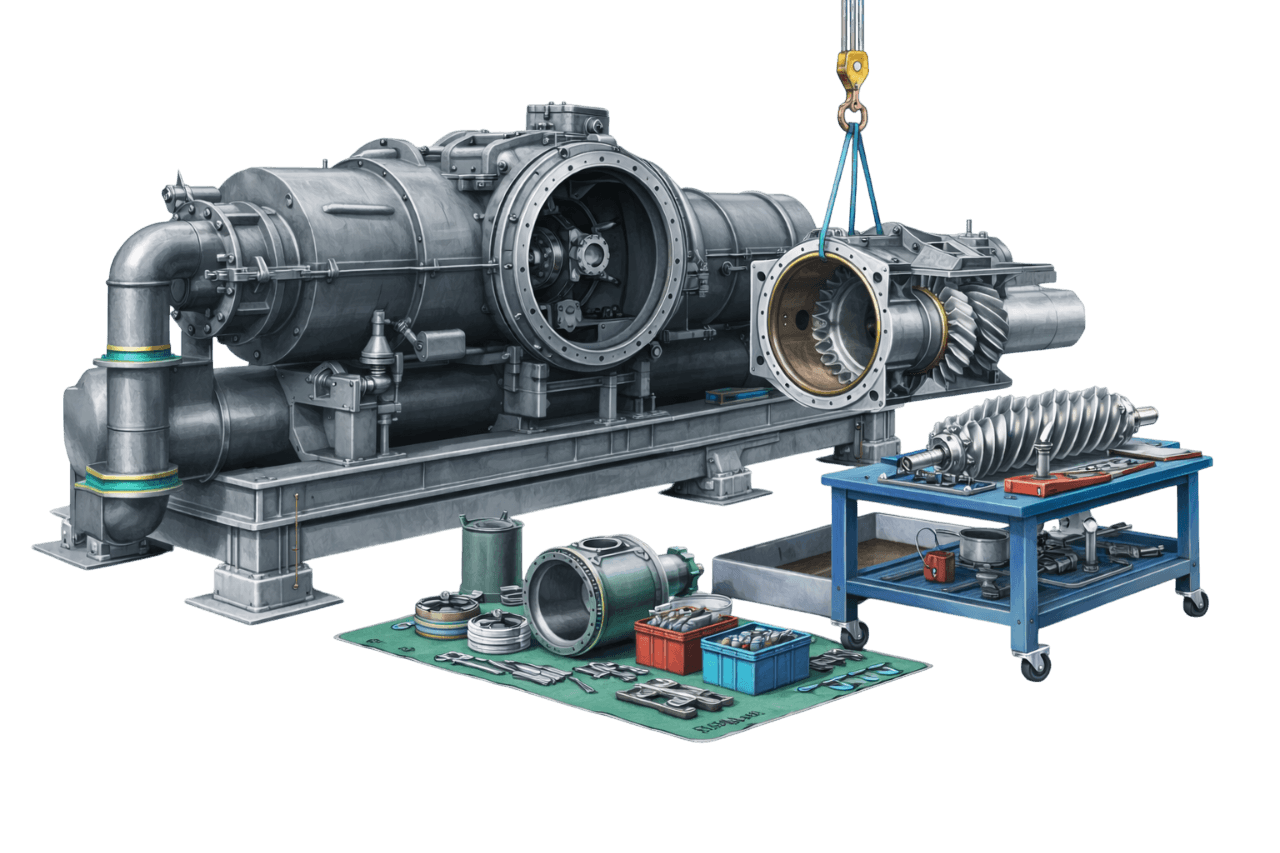
At Compress India, system cleaning, descaling, and overhauling are treated as engineering restoration processes, not routine maintenance activities. Our approach focuses on diagnosis, controlled cleaning methodologies, system integrity protection, and post-restoration performance validation to recover system efficiency and extend service life.
Scope of Services of HVAC System Cleaning, Descaling & Overhauling
What System Cleaning, Descaling & Overhauling Involve?
- System condition assessment and diagnostics
- Removal of scale, sludge, and fouling deposits
- Chemical and mechanical cleaning processes
- Heat exchanger and coil descaling
- Equipment inspection, repair, and refurbishment
- Performance verification after restoration
System Types & Configurations
Explore our comprehensive range of HVAC system cleaning, descaling and overhauling services designed for restoring performance, reliability and longevity.
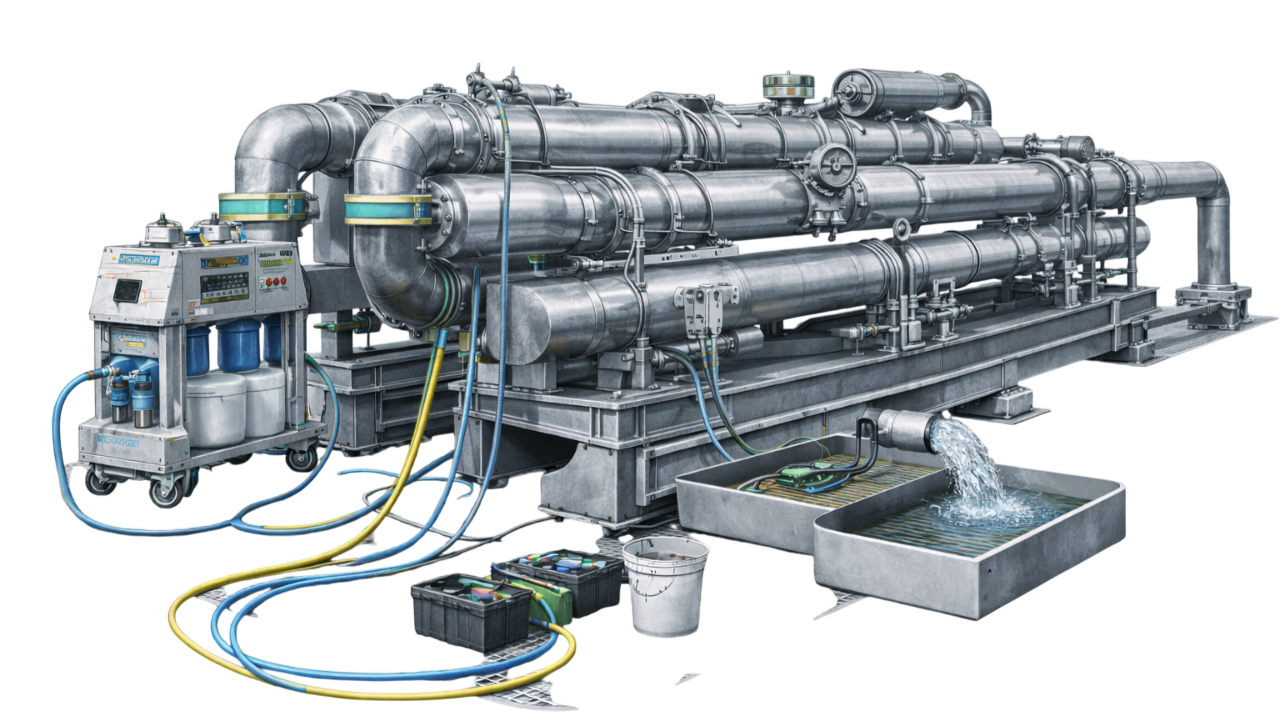
Chilled Water System Cleaning, Descaling & Flushing
Learn More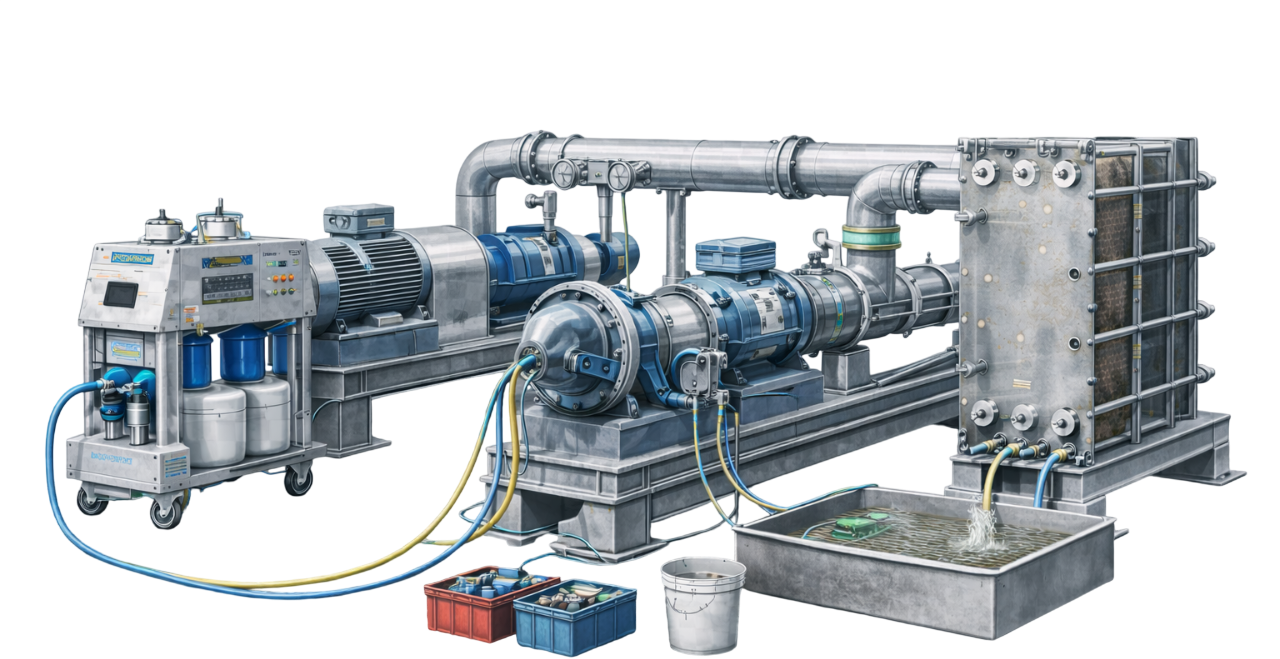
HVAC System Pipelines Chemical Cleaning & Descaling
Learn More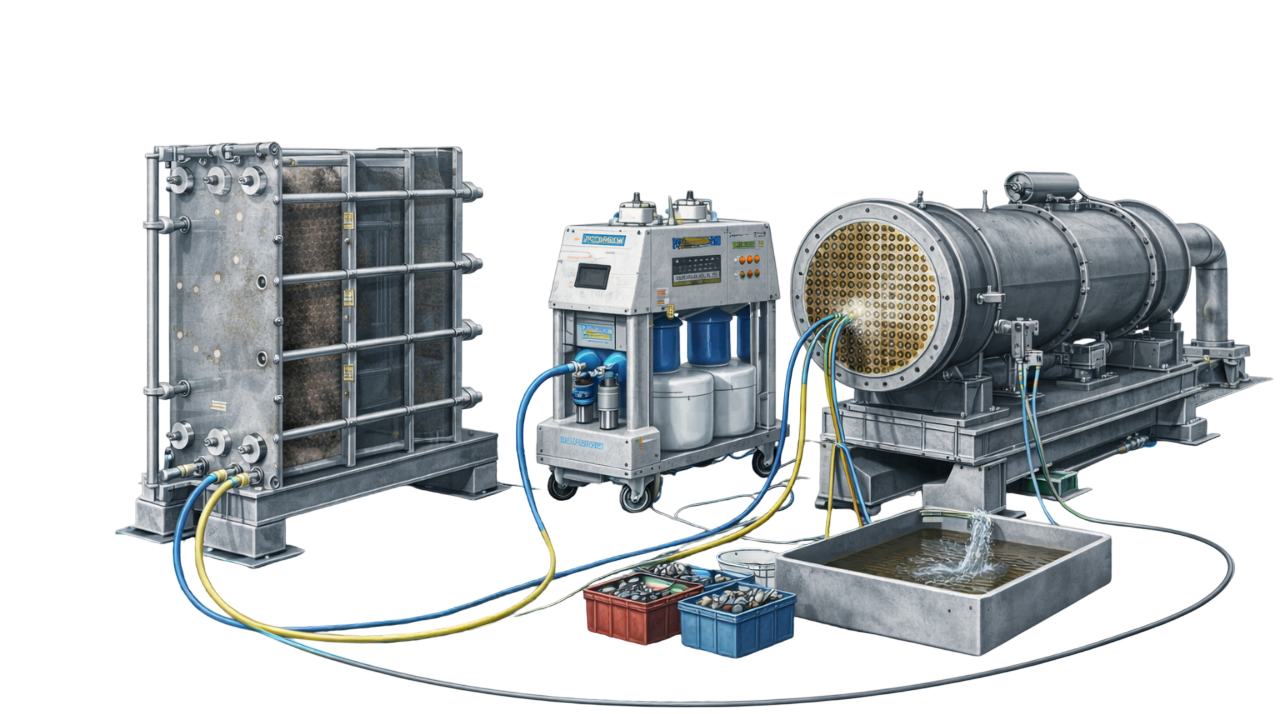
Heat Exchanger & Condenser Descaling
Learn More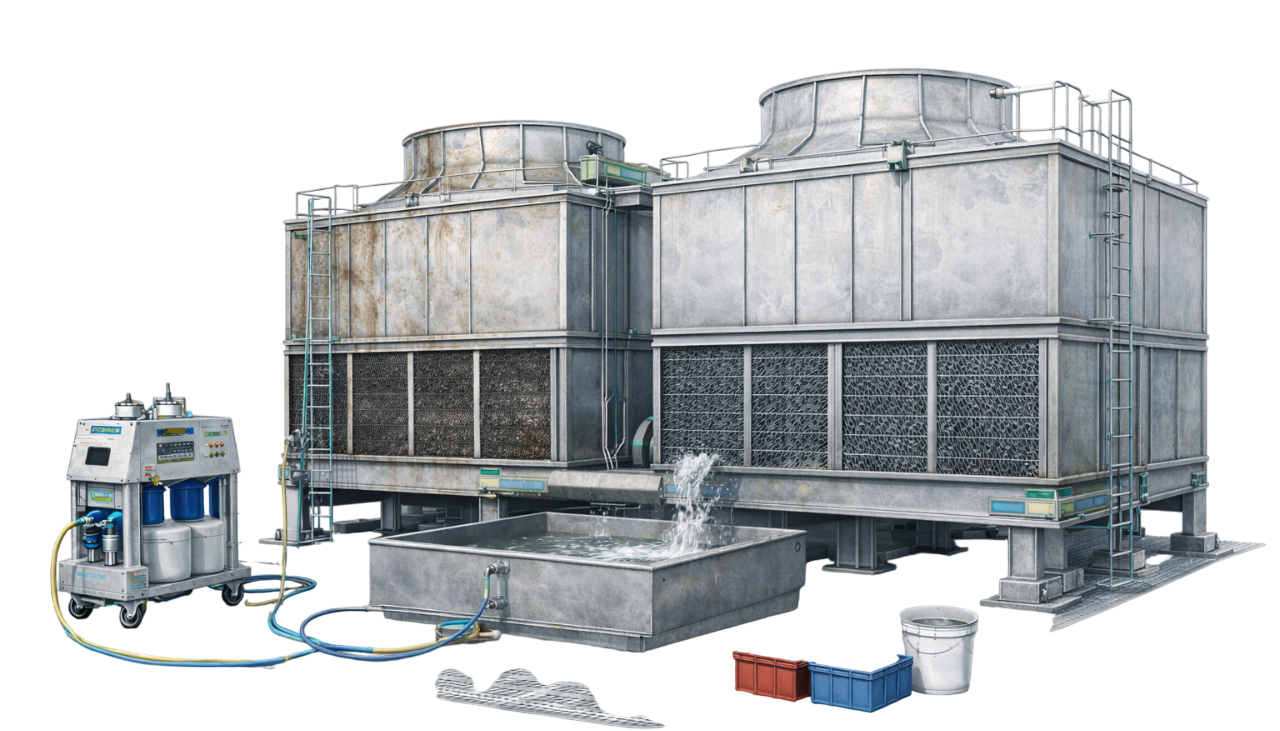
Cooling Tower Cleaning, Descaling & Restoration
Learn More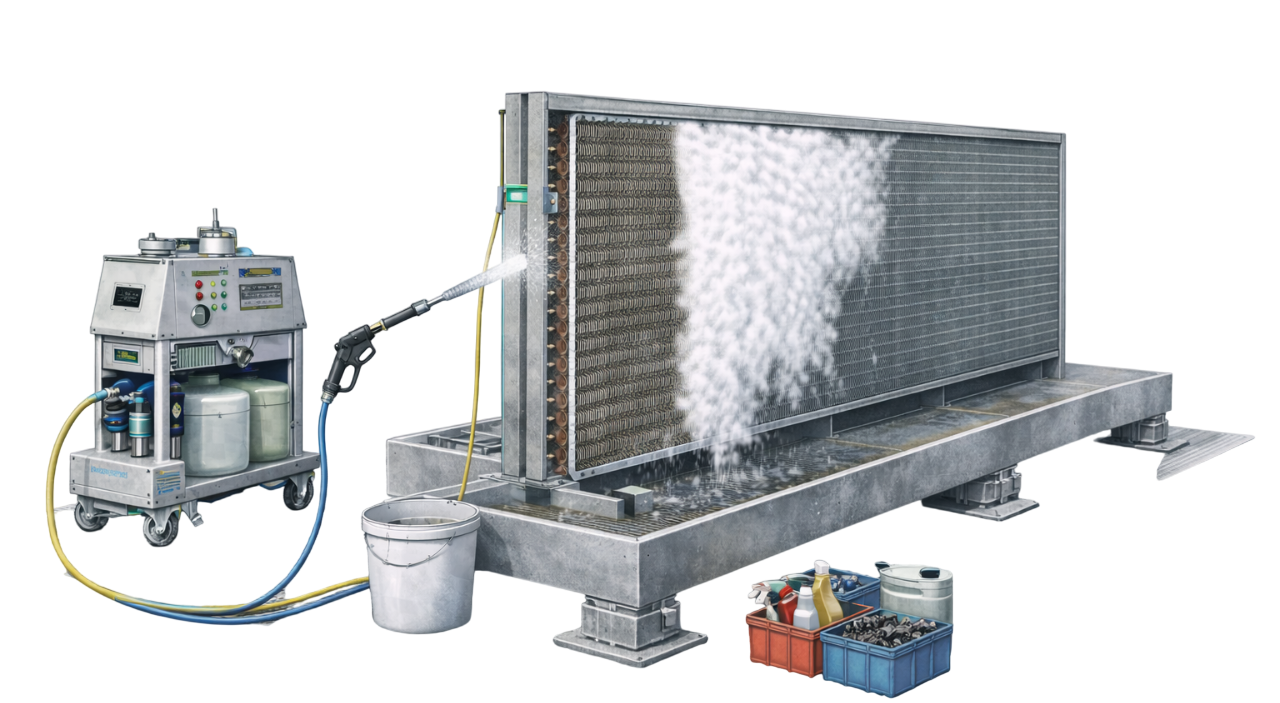
AHU, FCU & Cooling Coil Deep & Chemical Cleaning
Learn More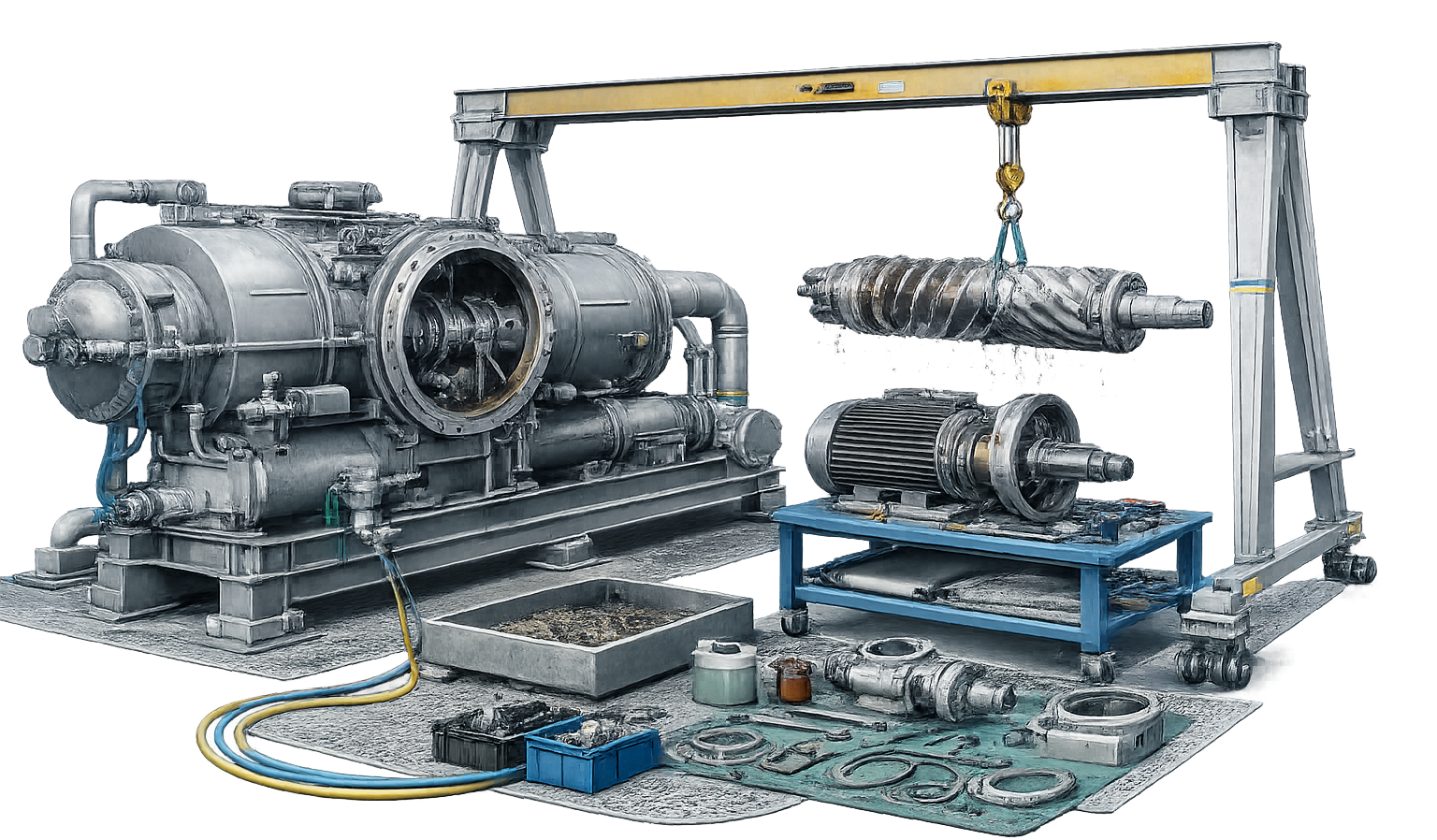
HVAC Heavy Components Overhauling & Restoration
Learn MoreOur Engineering Approach – How We Execute
Structured methodology for HVAC system cleaning, descaling and overhauling, ensuring technical accuracy, system protection, and performance restoration.
System survey and fouling assessment
Chemical compatibility and safety evaluation
Neutralisation, flushing, and waste handling
Selection of appropriate cleaning methodology
Controlled execution with system protection
Performance testing and documentation
Applications & Project Environments
Our cleaning and restoration solutions serve diverse commercial, industrial, healthcare, and specialized environments requiring HVAC system performance recovery.
- Central chiller and HVAC plants
- Commercial and institutional buildings
- Industrial and process facilities
- Data centres and critical systems
- Pharmaceutical and cleanroom utilities
- Healthcare and laboratory facilities
Engineering-Led Value Outcomes
Measurable performance, efficiency, and reliability advantages delivered through disciplined system restoration engineering and validation.
- Restored heat transfer efficiency
- Reduced energy consumption and pressure losses
- Improved system reliability and uptime
- Extended equipment service life
- Prevention of recurring fouling issues
Consult with Our Engineering Team
Connect with our engineering team to plan system cleaning, descaling and overhauling activities that restore performance and extend equipment life.
Related HVAC Systems & Services
HVAC systems operate as an integrated ecosystem. Explore related services that support system performance, reliability, and lifecycle efficiency.
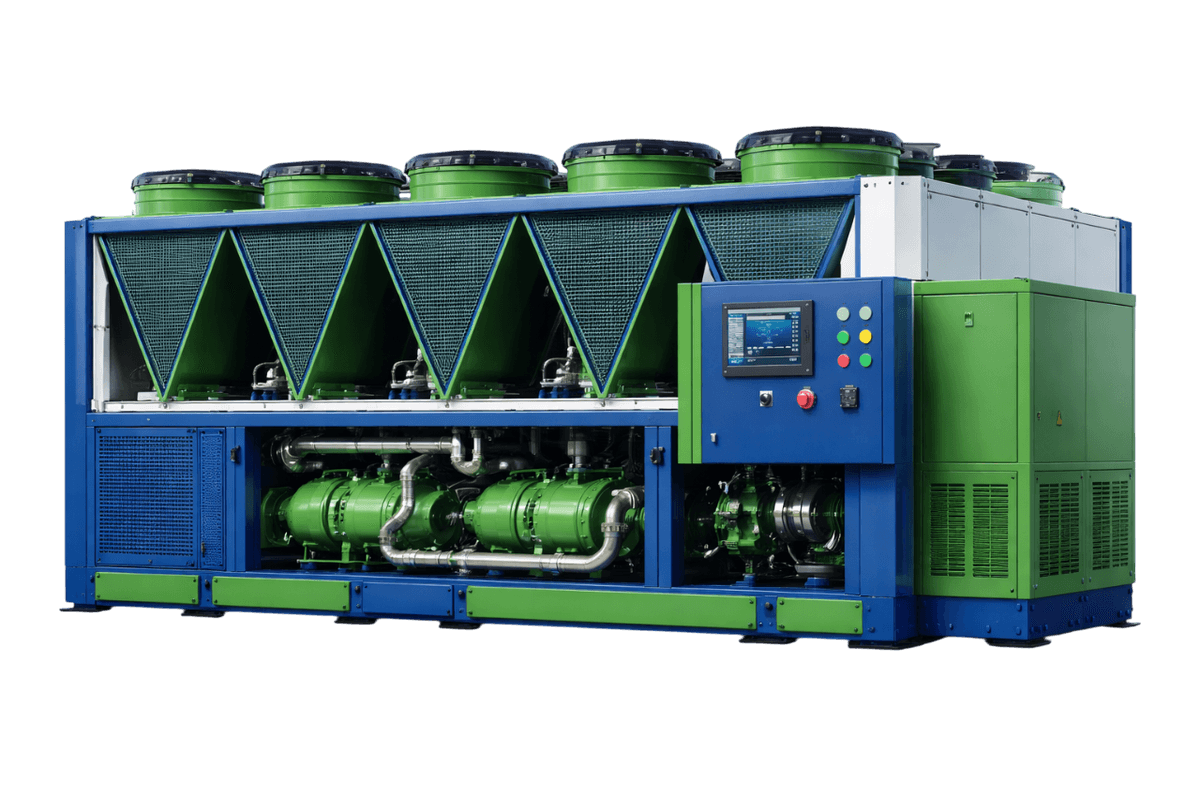
Chillers & Central Cooling
Learn More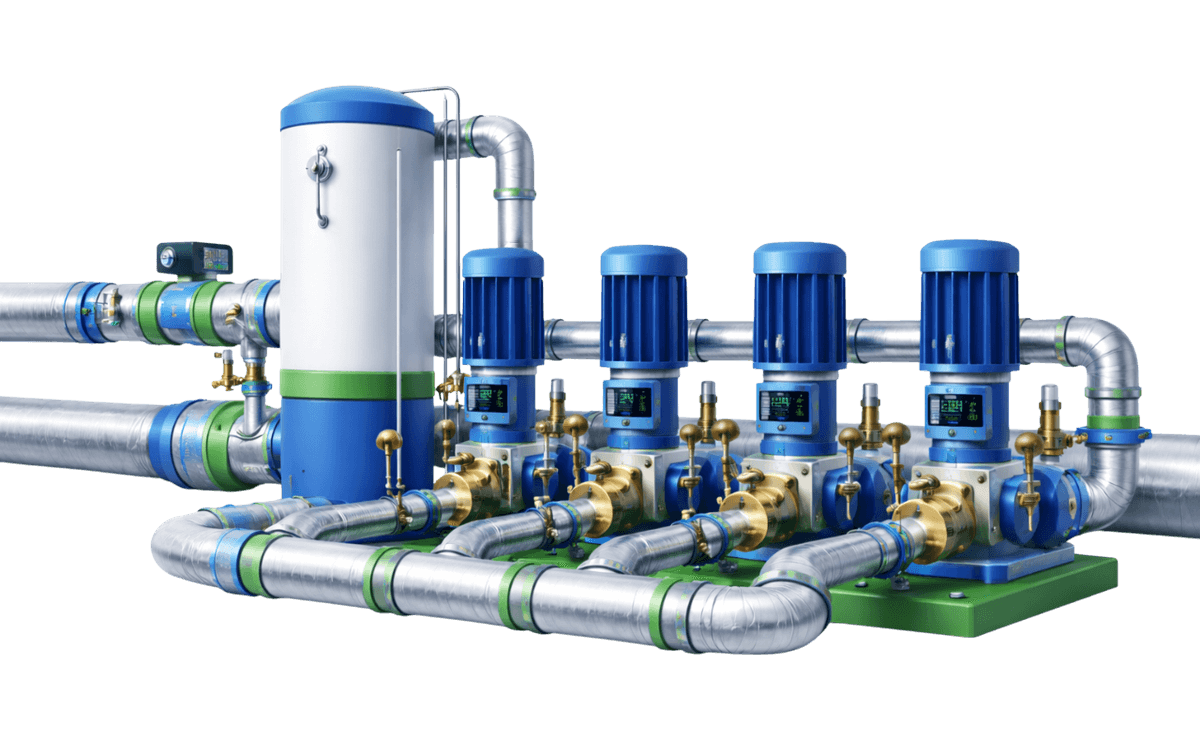
Hydronic Distribution & Flow Control
Learn More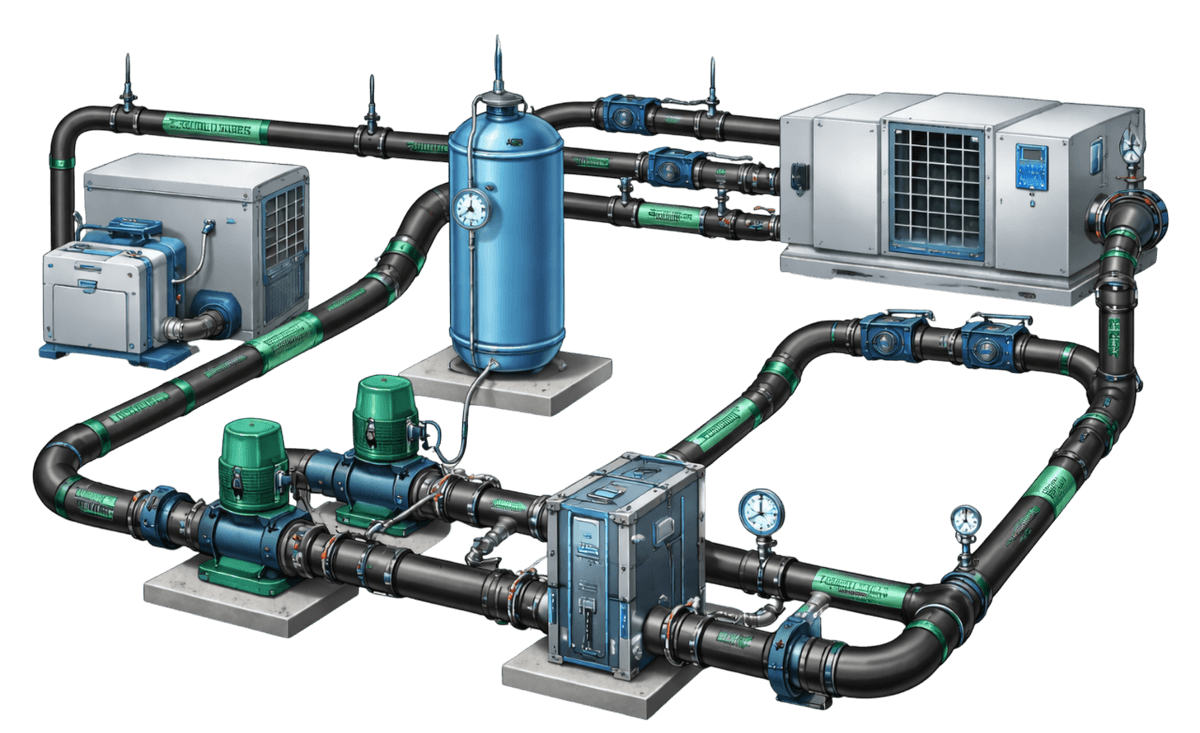
Piping & Utility Systems
Learn More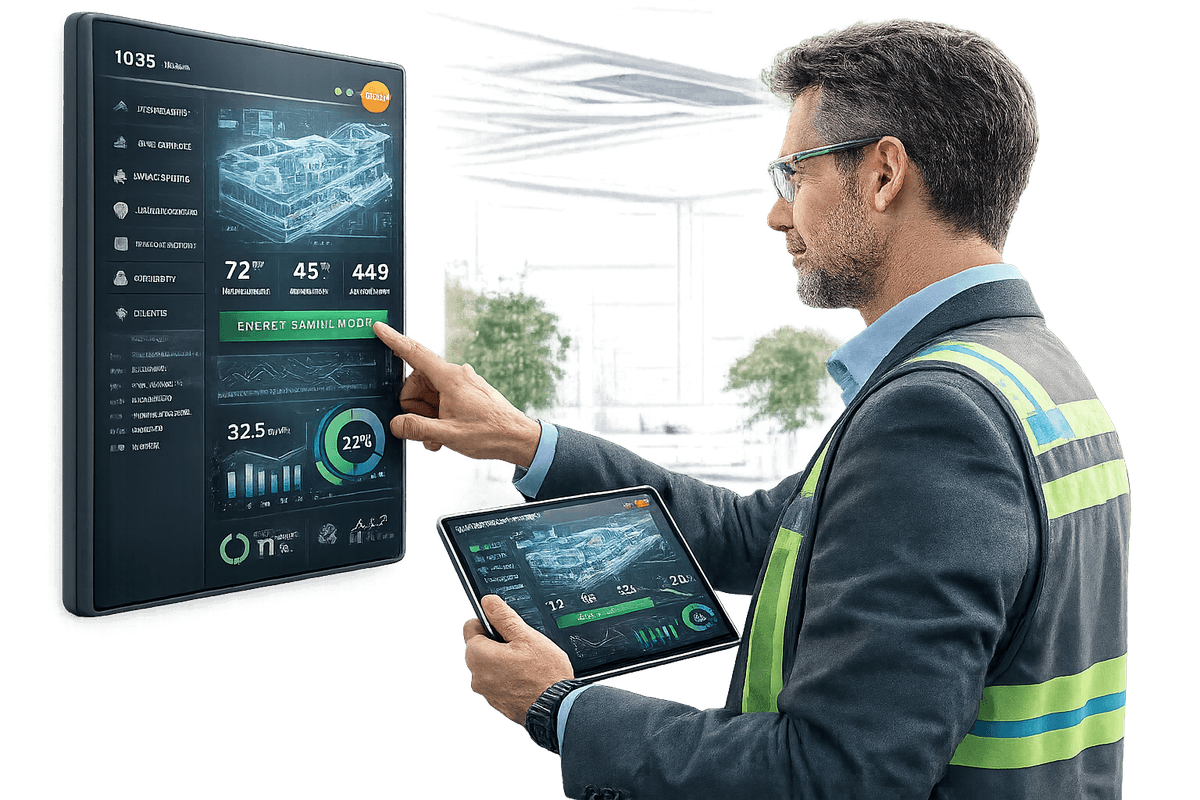
Testing & Commissioning
Learn More
O&M / AMC Services
Learn MoreFrequently Asked Questions
How do I know if my HVAC system needs cleaning or descaling?
Indicators include increased energy consumption, reduced cooling/heating capacity, higher pressure drops, temperature differential (ΔT) deviations, visible scale/deposits, equipment noise/vibration, and deteriorating water quality (turbidity, color, sediment).
What are the different cleaning methods for HVAC systems?
Methods include chemical cleaning (acids, alkalis, solvents), mechanical cleaning (brushing, scraping, hydroblasting), air blowing, steam cleaning, foam cleaning, and combination methods. Selection depends on fouling type, system materials, and accessibility.
How often should HVAC systems be cleaned and descaled?
Frequency depends on water quality, system design, operating conditions, and treatment effectiveness. Typically: cooling towers annually, chillers every 2-3 years, AHU coils annually, piping systems every 3-5 years. Regular monitoring helps determine actual needs.
What safety precautions are taken during chemical cleaning?
Safety measures include PPE (gloves, goggles, respirators), proper ventilation, chemical compatibility testing, containment of cleaning solutions, neutralization before disposal, monitoring of hydrogen gas evolution, and emergency response planning. MSDS review and training are mandatory.
How is system integrity protected during cleaning?
Protection includes corrosion inhibitors, temperature control, concentration monitoring, proper circulation velocity, isolation of sensitive components, pre-cleaning inspections, and post-cleaning passivation (for steel systems) to restore protective oxide layers.
What happens to the waste generated from cleaning?
Waste is neutralized to safe pH levels, filtered to remove solids, and handled according to local environmental regulations. Licensed waste management contractors are engaged for proper disposal. Documentation includes waste manifests and disposal certificates.
What is the typical energy savings after system cleaning?
Energy savings typically range from 10-30% depending on fouling severity. Clean heat exchangers improve heat transfer, reducing compressor/pump loads. Clean cooling towers improve approach temperatures. Pressure drop reduction decreases pumping energy requirements.
What is the difference between cleaning and overhauling?
Cleaning removes deposits/fouling from system surfaces. Overhauling involves disassembly, inspection, replacement of worn parts (seals, bearings, gaskets), alignment checks, and reassembly. Overhauling is more comprehensive and often includes cleaning as part of the process.
How long does a typical system cleaning project take?
Duration depends on system size and fouling severity: cooling towers 2-5 days, chillers 3-7 days, piping systems 5-10 days, complete HVAC plants 1-3 weeks. Planning includes preparation, cleaning execution, flushing, passivation, and performance testing.
What documentation is provided after cleaning/overhauling?
Documentation includes before/after photos, chemical analysis reports, cleaning procedure records, waste disposal certificates, performance test results (ΔT, pressure drop, flow rates), equipment inspection reports, replacement parts list, and maintenance recommendations.
Can cleaning be performed while systems are operational?
Most cleaning requires system shutdown for safety and effectiveness. Some limited cleaning (side-stream filtration, chemical treatment) can be done during operation. Overhauling always requires shutdown. Planning minimizes downtime through efficient sequencing.
What preventive measures reduce fouling between cleanings?
Preventive measures include proper water treatment, regular monitoring (pH, conductivity, inhibitor levels), filtration (side-stream or full-flow), regular blowdown, microbial control, maintaining design velocities, and periodic inspection/cleaning of strainers and filters.