Heat Exchanger & Condenser Descaling
(Industrial Heat Exchanger Cleaning, Condenser Tube Descaling & HVAC Heat Transfer Restoration)
Heat Exchanger & Condenser Descaling – Engineering Execution & Field Services
Heat exchangers and condensers are critical components in HVAC and process cooling systems. These units are responsible for transferring heat efficiently between fluids. Over time, internal surfaces of heat exchangers and condenser tubes accumulate mineral scale, corrosion deposits, sludge, and biological fouling that significantly reduce heat transfer efficiency.
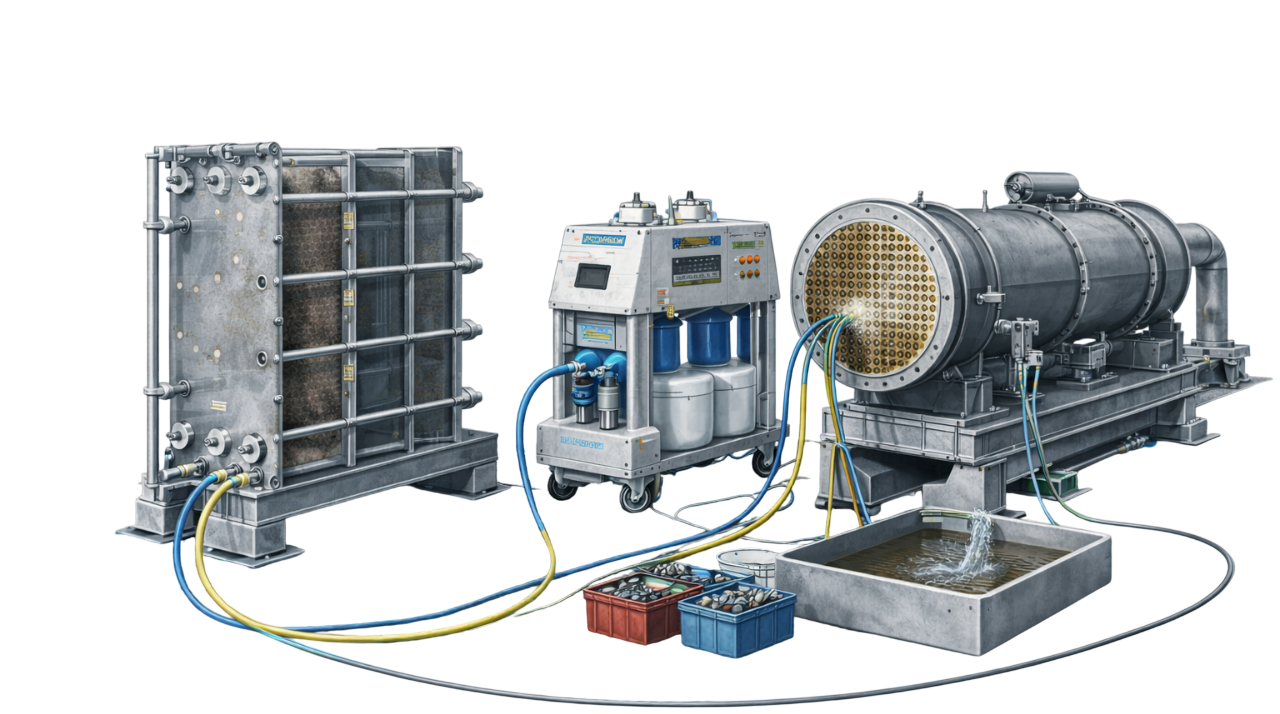
Common equipment requiring descaling includes:
- Chiller evaporators
- Chiller condensers
- Plate heat exchangers (PHE)
- Shell & tube heat exchangers
- Condenser tube bundles
When fouling occurs, systems may experience:
- Reduced heat transfer efficiency
- Increased compressor and pump energy consumption
- Higher operating pressures
- Reduced cooling capacity
- Increased risk of equipment failure
Compress India provides professional heat exchanger and condenser cleaning services including chemical descaling, mechanical cleaning, hydro jetting, system flushing, and performance restoration for industrial HVAC systems.
Why Heat Exchanger Descaling Is Critical
Heat exchangers rely on clean metal surfaces to transfer heat efficiently. Even thin layers of scale or fouling can dramatically reduce thermal performance.
Common causes of fouling include:
Calcium and magnesium mineral scaling
Rust and corrosion deposits
Biological growth and algae formation
Sludge and sediment accumulation
Cooling tower contamination
Consequences of fouling include:
Reduced system capacity
Increased power consumption
Higher compressor loading
Reduced equipment lifespan
Routine descaling restores proper heat transfer performance.
Types of Heat Exchanger Cleaning Methods
Chemical Descaling Cleaning
Chemical descaling agents dissolve mineral scale and corrosion deposits inside heat exchanger tubes and plates.
Used for:
- Chiller condenser tubes
- Plate heat exchangers
- Shell & tube heat exchangers
- Cooling coil circuits
Chemical cleaning restores internal heat transfer surfaces.
Mechanical Tube Cleaning
Mechanical cleaning removes heavy deposits using specialized tools.
Methods include:
- Tube brushing
- Tube scraping
- Rotary tube cleaning systems
Mechanical cleaning is used where heavy fouling is present.
Hydro Jetting Cleaning
High-pressure water jetting removes stubborn deposits and sludge buildup.
Benefits include:
- Deep internal cleaning
- Removal of hardened deposits
- Restoration of tube flow paths
Hydro jetting is often used for condenser tube bundles.
Plate Heat Exchanger Chemical Cleaning
Plate heat exchangers require specialized cleaning methods.
Cleaning may include:
- Chemical circulation cleaning
- Plate dismantling and manual cleaning
- Gasket inspection and replacement
These procedures ensure proper plate heat transfer performance.
System Inspection & Fouling Analysis
Before cleaning begins, our engineers perform:
- Heat exchanger performance analysis
- Temperature differential measurement
- Pressure drop inspection
- Fouling severity evaluation
- Tube bundle inspection
System Inspection & Fouling Analysis
These diagnostics help determine the most effective cleaning method.
Chemical Cleaning Process
The descaling process typically involves:
- Isolation of heat exchanger or condenser
- Temporary circulation pump setup
- Controlled chemical dosing and circulation
- Monitoring of reaction and contamination removal
- Completion of descaling cycle
Chemical Cleaning Process
This process dissolves scale without damaging equipment surfaces.
Flushing & Neutralization
After descaling:
- The system is flushed with clean water
- Neutralizing chemicals restore proper pH levels
- Dissolved contaminants are safely removed
Flushing & Neutralization
Flushing ensures safe recommissioning of the equipment.
System Restoration & Performance Testing
Following cleaning, we verify system performance through:
- Heat transfer efficiency testing
- Temperature differential analysis
- Pressure drop verification
- Cooling capacity confirmation
System Restoration & Performance Testing
Testing confirms the success of the cleaning process.
Preventive Maintenance & Water Treatment
To prevent future fouling, we provide:
- Cooling water treatment programs
- Corrosion inhibitor dosing
- Biocide treatment
- Periodic heat exchanger inspection
- Scheduled descaling maintenance
Preventive Maintenance & Water Treatment
Preventive maintenance helps maintain consistent thermal performance.
Connect with Our HVAC Engineering Team
For professional heat exchanger cleaning, condenser tube descaling, chiller condenser maintenance, or industrial heat transfer restoration services, connect with our HVAC engineering team for reliable performance improvement solutions.
Related HVAC Systems & Engineering Services
Heat Exchanger & Condenser Descaling is closely associated with:
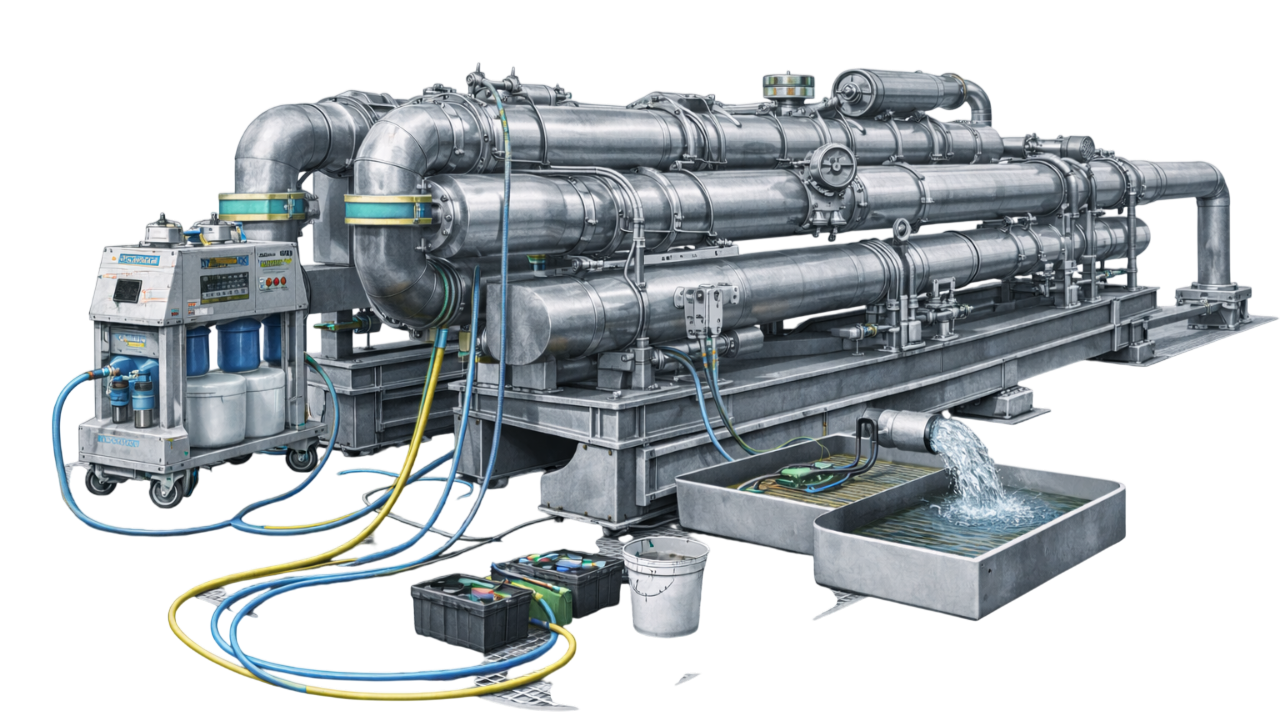
Chilled Water System Cleaning, Descaling & Flushing
Learn More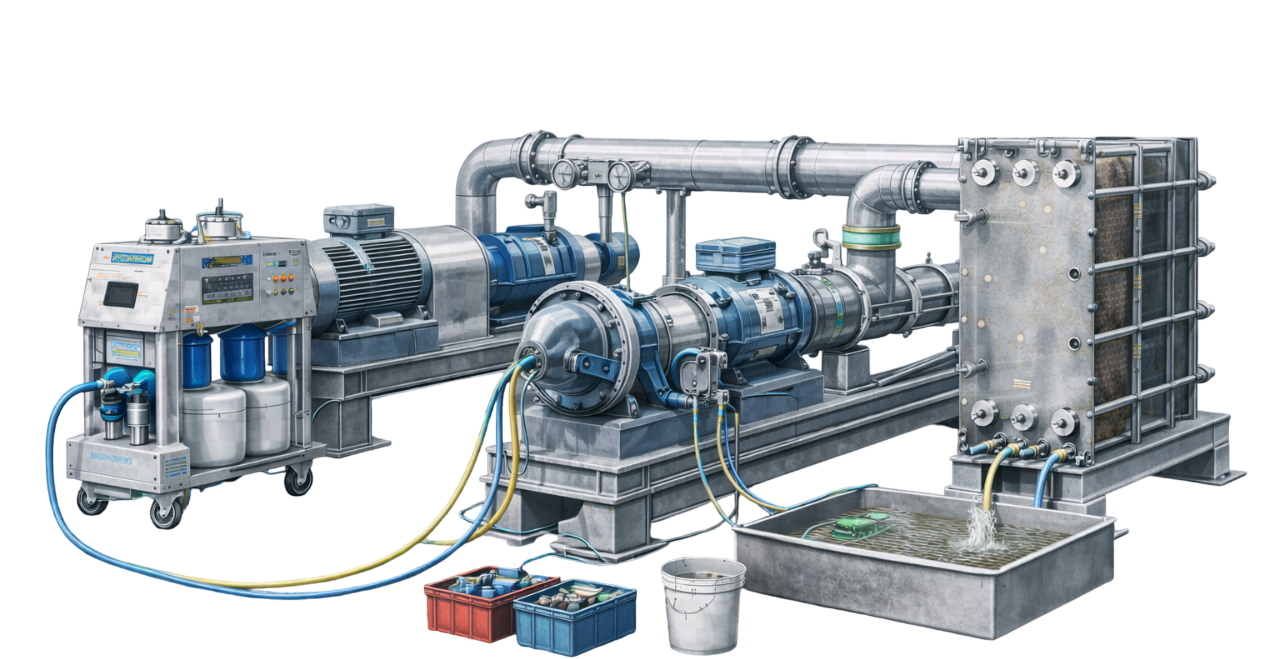
HVAC System Pipelines Chemical Cleaning & Descaling
Learn More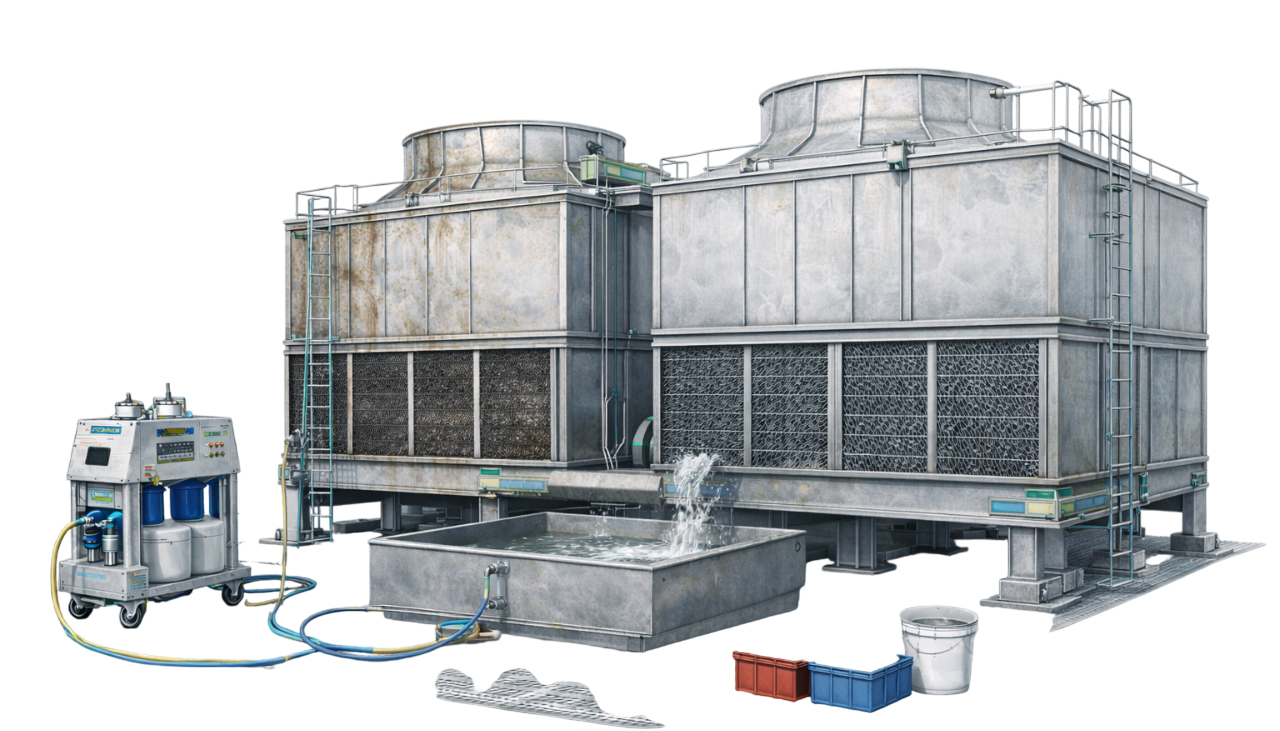
Cooling Tower Cleaning, Descaling & Restoration
Learn More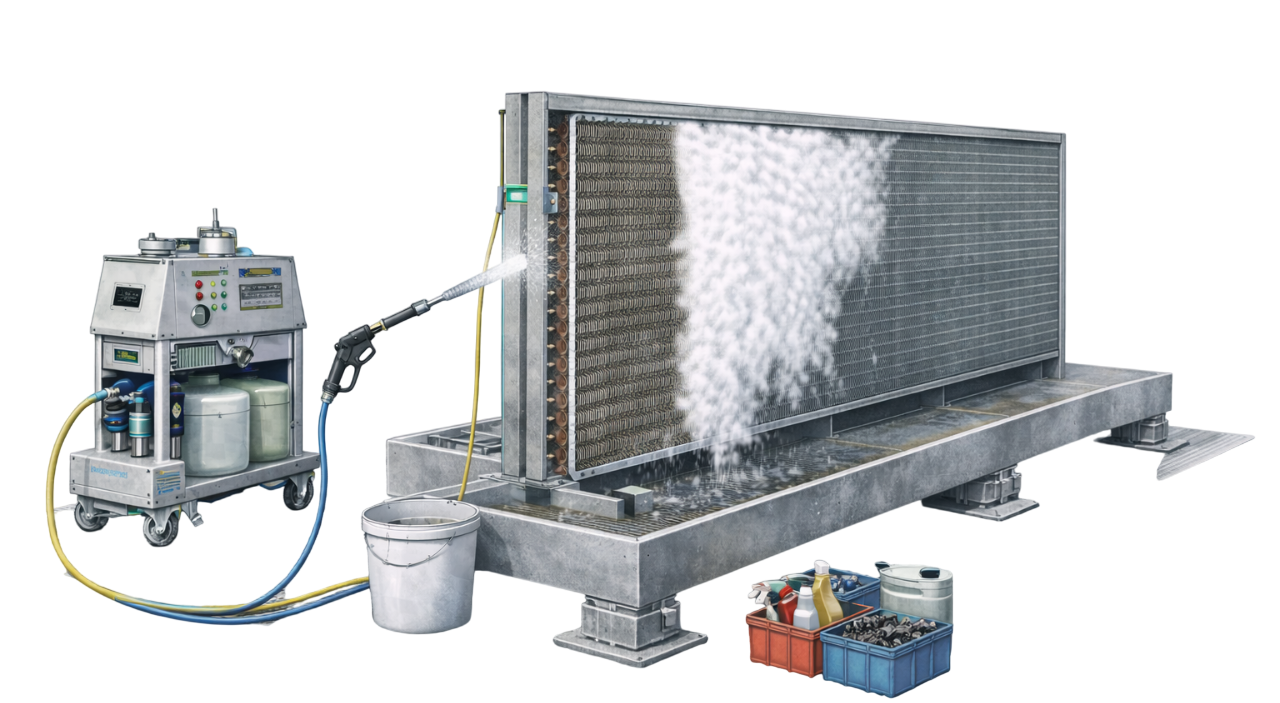
AHU, FCU & Cooling Coil Deep & Chemical Cleaning
Learn More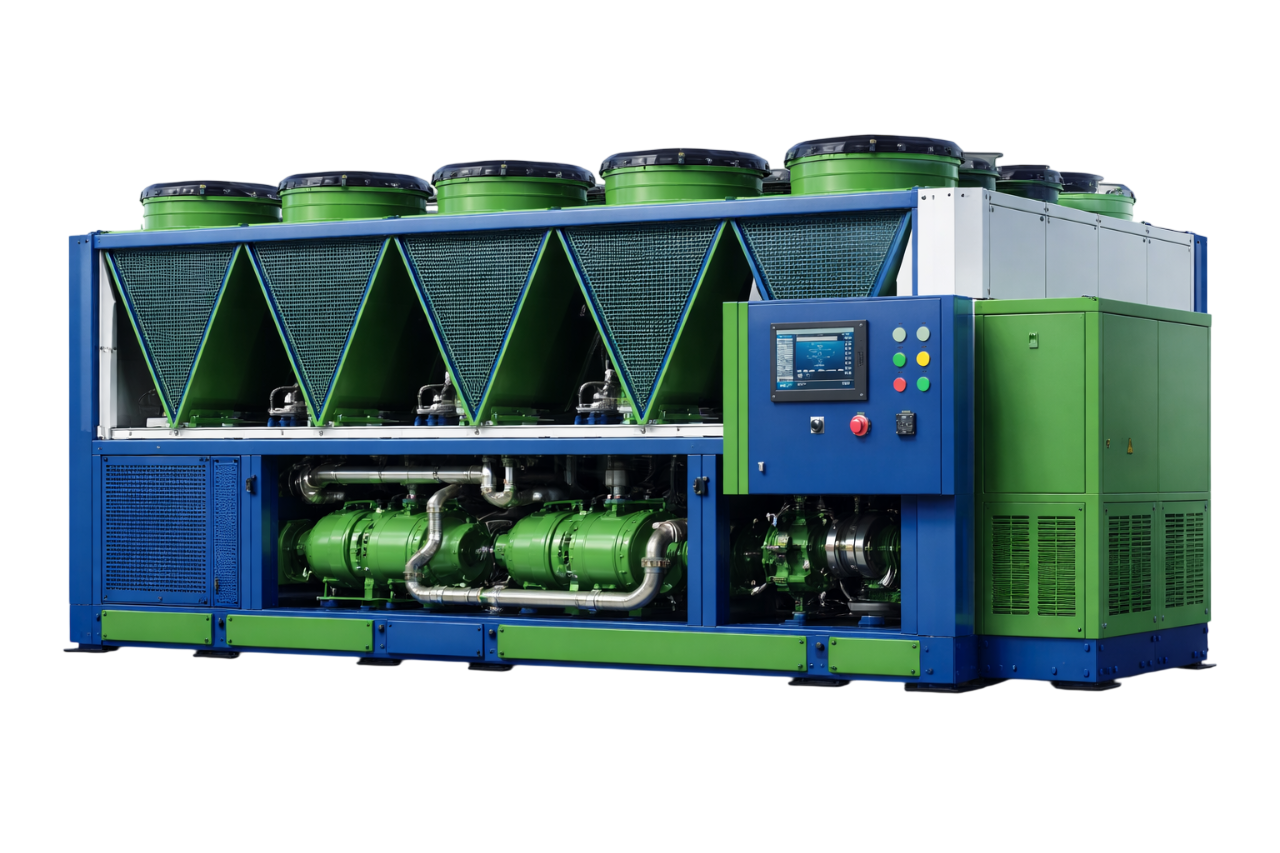
Chiller Plant Systems
Learn More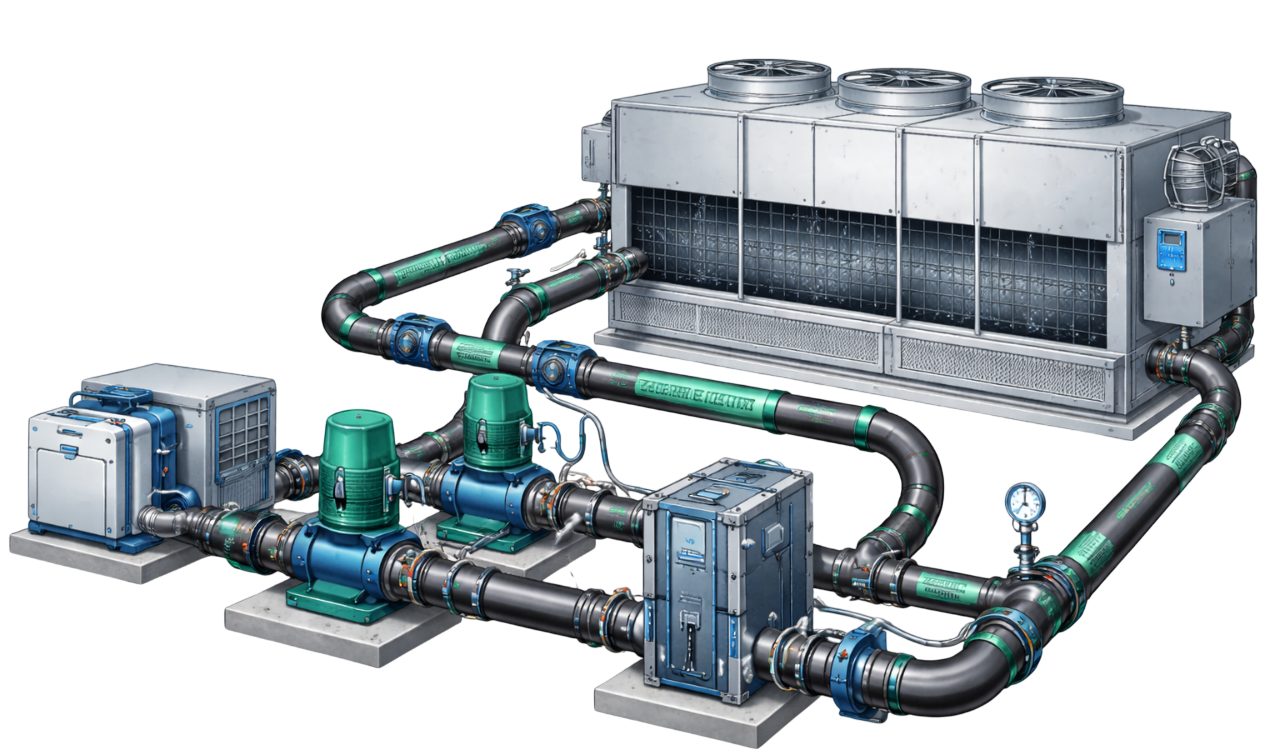
Condenser Water Piping Systems
Learn MoreFrequently Asked Questions
Why is heat exchanger descaling critical?
Scale and fouling act as insulators, reducing heat transfer efficiency. This leads to higher energy consumption, reduced cooling capacity, increased operating pressures, and can cause premature equipment failure.
What cleaning methods do you use for heat exchangers?
We use chemical descaling for mineral scale, mechanical tube cleaning for heavy deposits, hydro jetting for stubborn blockages, and specialized plate heat exchanger cleaning methods.
How do you assess the level of fouling?
Our engineers perform performance analysis, temperature differential measurements, pressure drop inspections, and tube bundle inspections to evaluate fouling severity.
What does your preventive maintenance include?
We provide cooling water treatment programs, corrosion inhibitor and biocide dosing, periodic heat exchanger inspections, and scheduled descaling maintenance.
Can you clean plate heat exchangers without dismantling?
Yes, we perform chemical circulation cleaning for plate heat exchangers. However, for heavy fouling, we may recommend dismantling for thorough manual cleaning and gasket inspection.
How do you verify the success of descaling?
We perform heat transfer efficiency testing, temperature differential analysis, pressure drop verification, and cooling capacity confirmation to validate restored performance.
Is chemical descaling safe for all heat exchanger materials?
Yes, we select descaling chemicals compatible with your equipment metallurgy (copper, steel, stainless steel, etc.). The process is carefully monitored and followed by thorough neutralization.
How often should heat exchangers be descaled?
Frequency depends on water quality and system usage. We recommend an annual inspection and performance analysis to determine if descaling is needed as part of preventive maintenance.