HVAC System Testing & Commissioning
(Engineered verification and performance validation of HVAC systems against design intent)
Engineered Validation of HVAC System Performance
Testing and commissioning (T&C) are the structured engineering process that ensures HVAC systems operate exactly as designed, safely, efficiently, and reliably under real operating conditions. Without proper commissioning, even well-designed systems can suffer from imbalance, inefficiency, and premature failures.
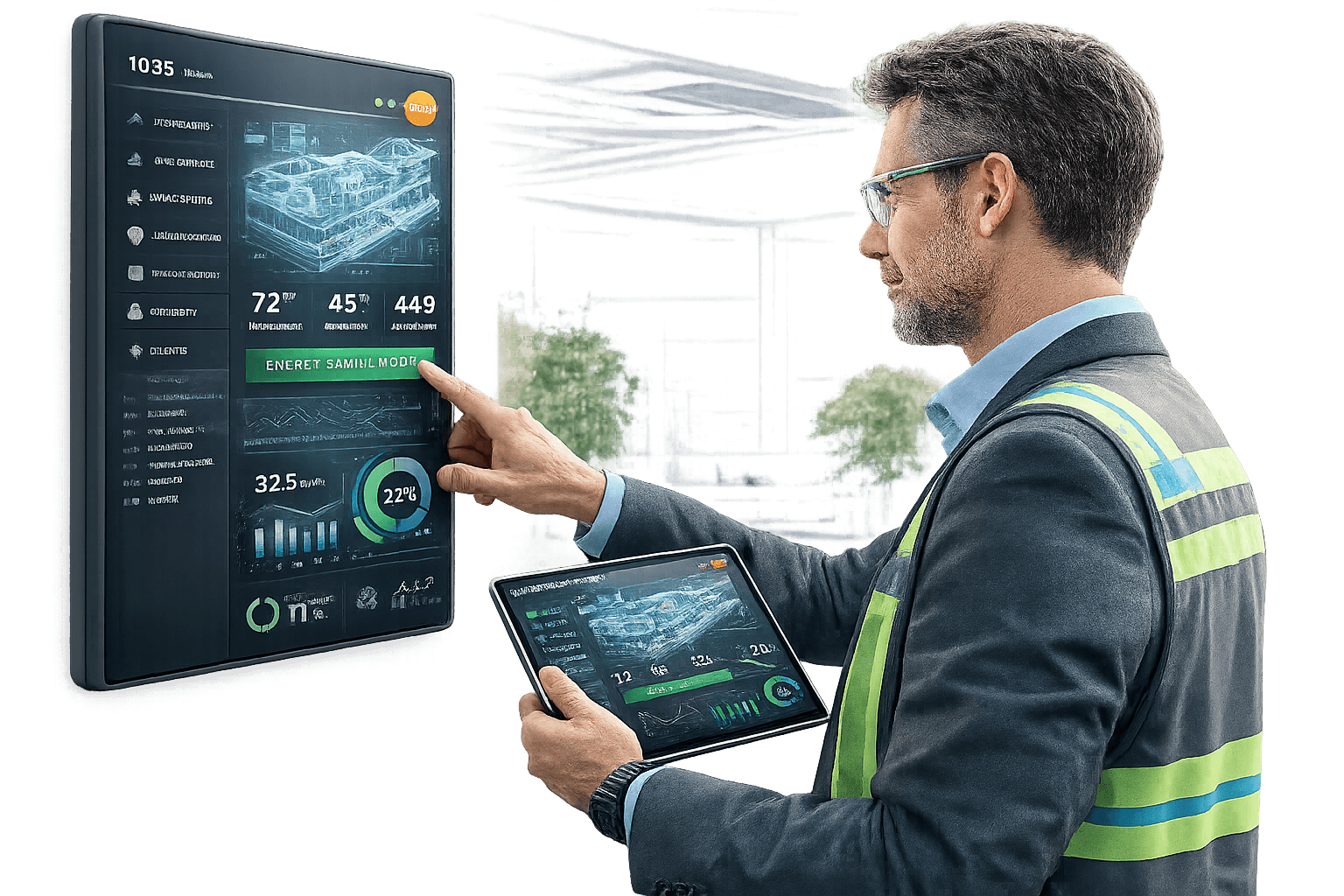
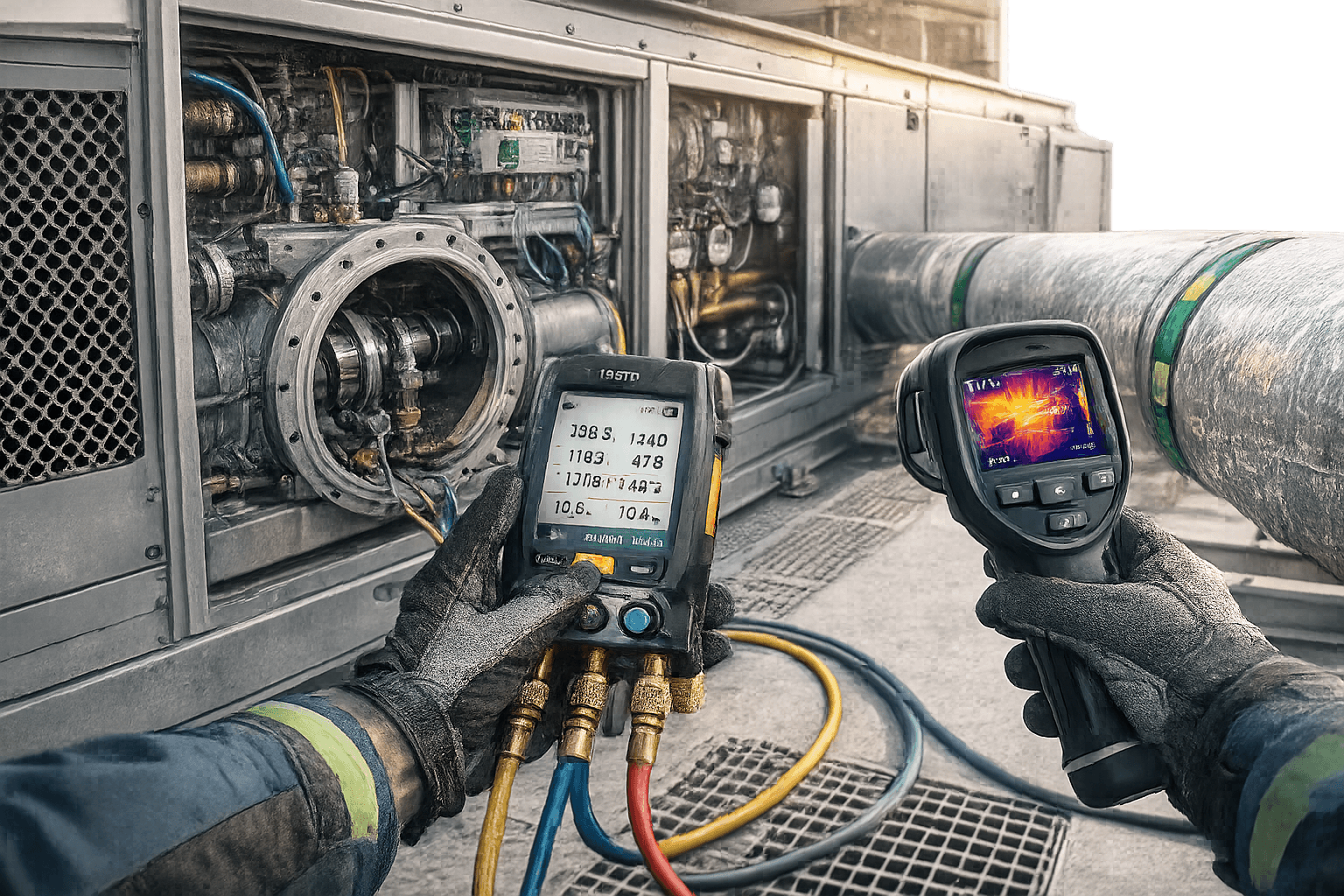
At Compress India, testing and commissioning is treated as a critical engineering discipline, focused on system verification, performance measurement, functional testing, and documentation. Our approach ensures that HVAC systems are handed over ready for operation, aligned with design intent, codes, and client expectations.
Scope of Services of HVAC System Testing & Commissioning
What Testing & Comissioning Involve?
- Pre-commissioning inspections and checks
- Functional testing of HVAC equipment
- Airflow and water flow measurement & balancing
- Control logic and interlock verification
- Performance testing under operating conditions
- Documentation and handover validation
System Types & Configurations
Explore our comprehensive range of HVAC system testing and commissioning services designed for verifying performance, efficiency and compliance against design intent.
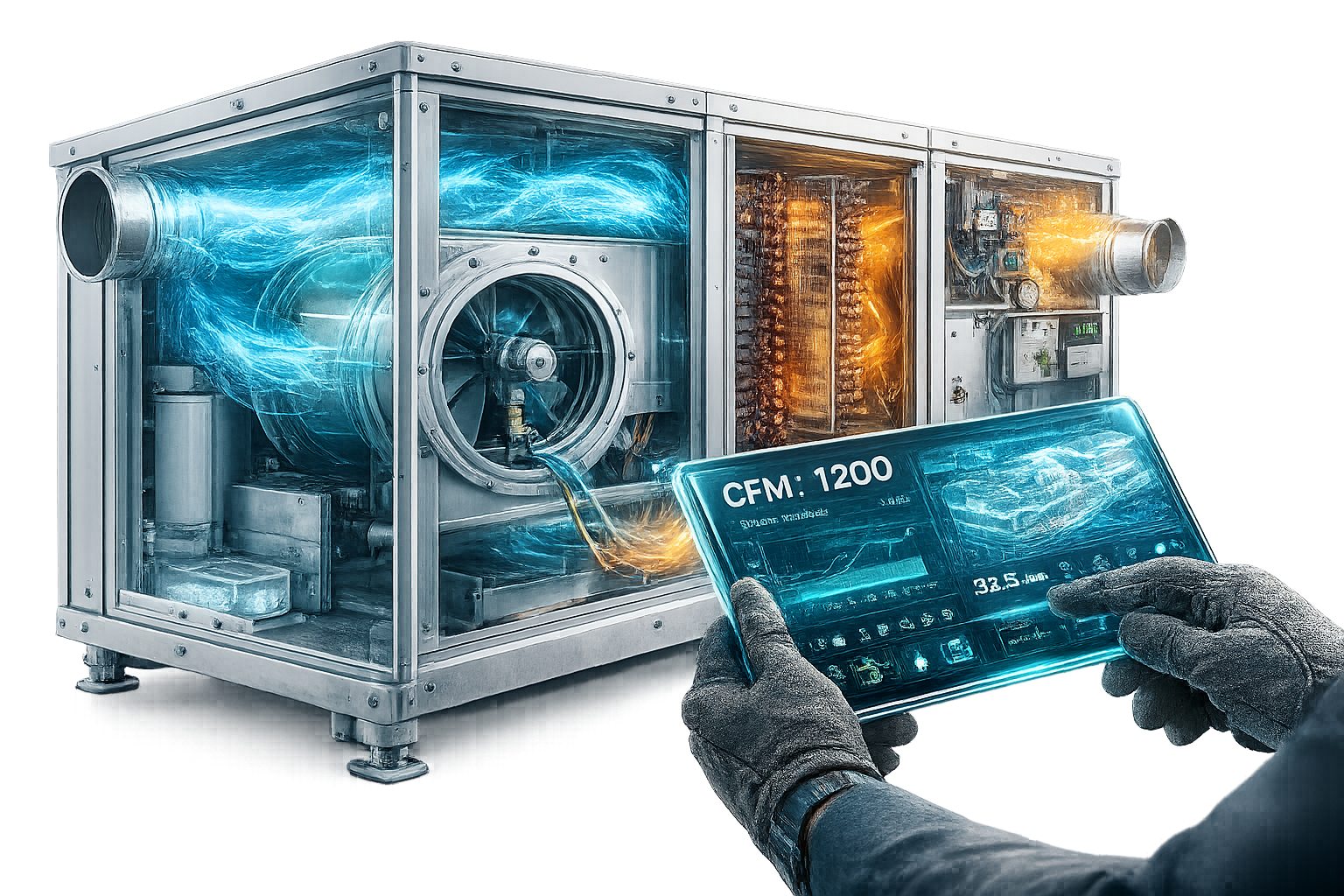
HVAC System Testing & Commissioning
Learn More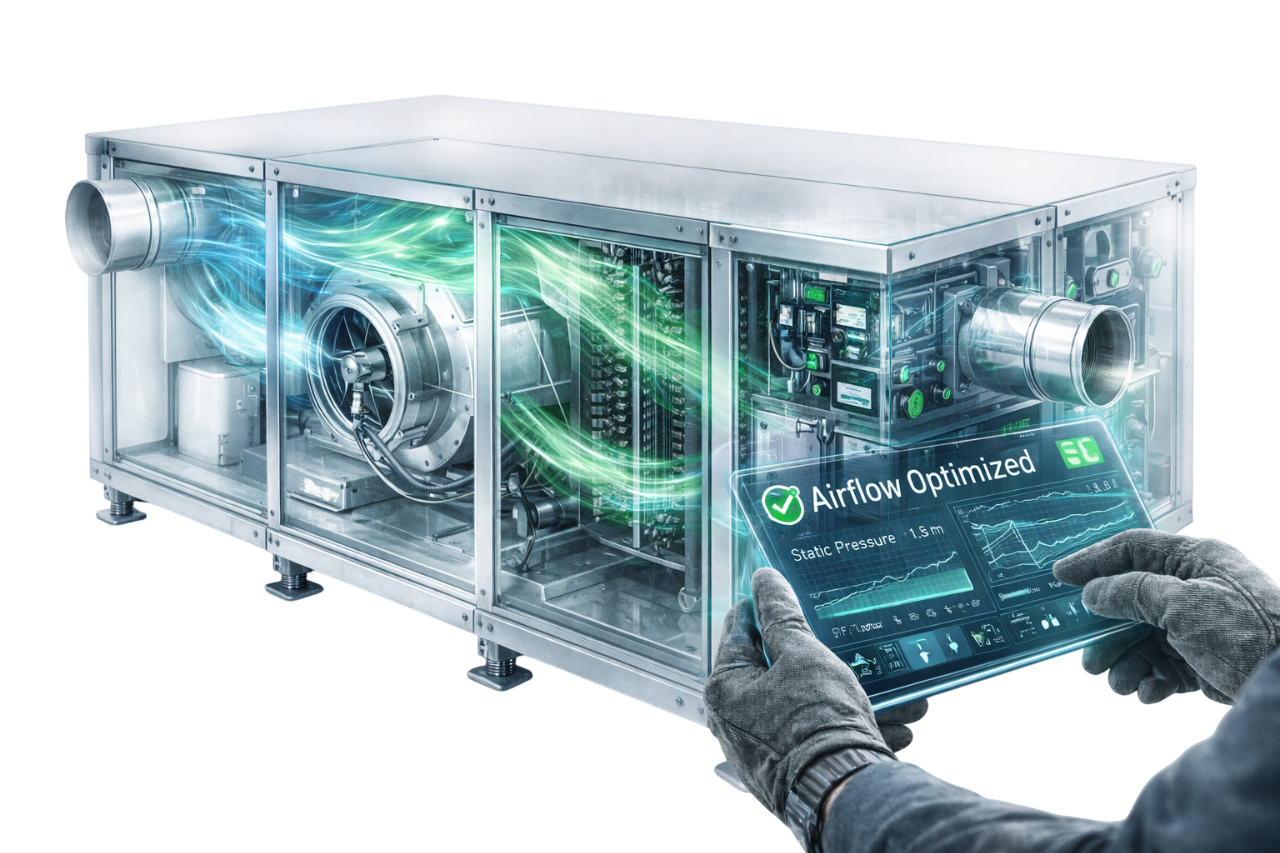
Integrated System Commissioning
Learn More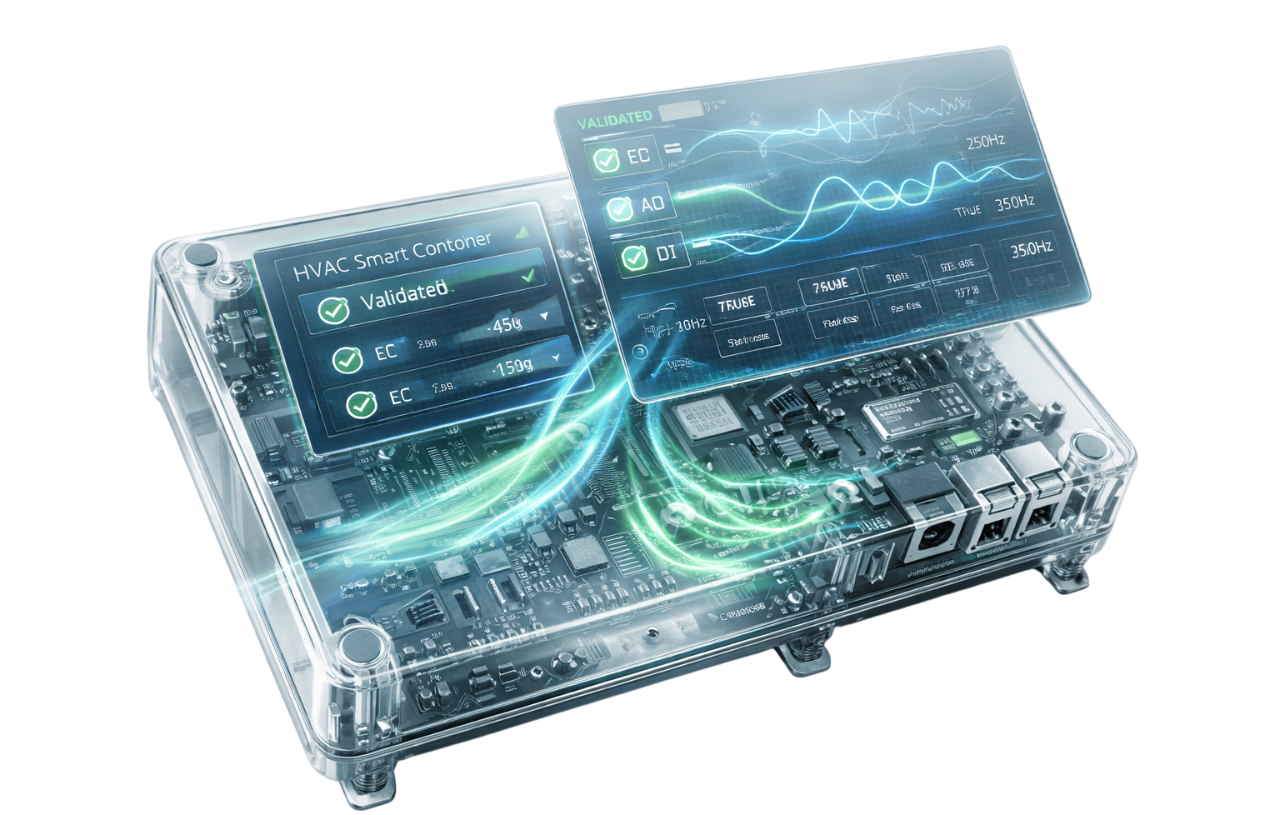
Control System Testing & Validation
Learn More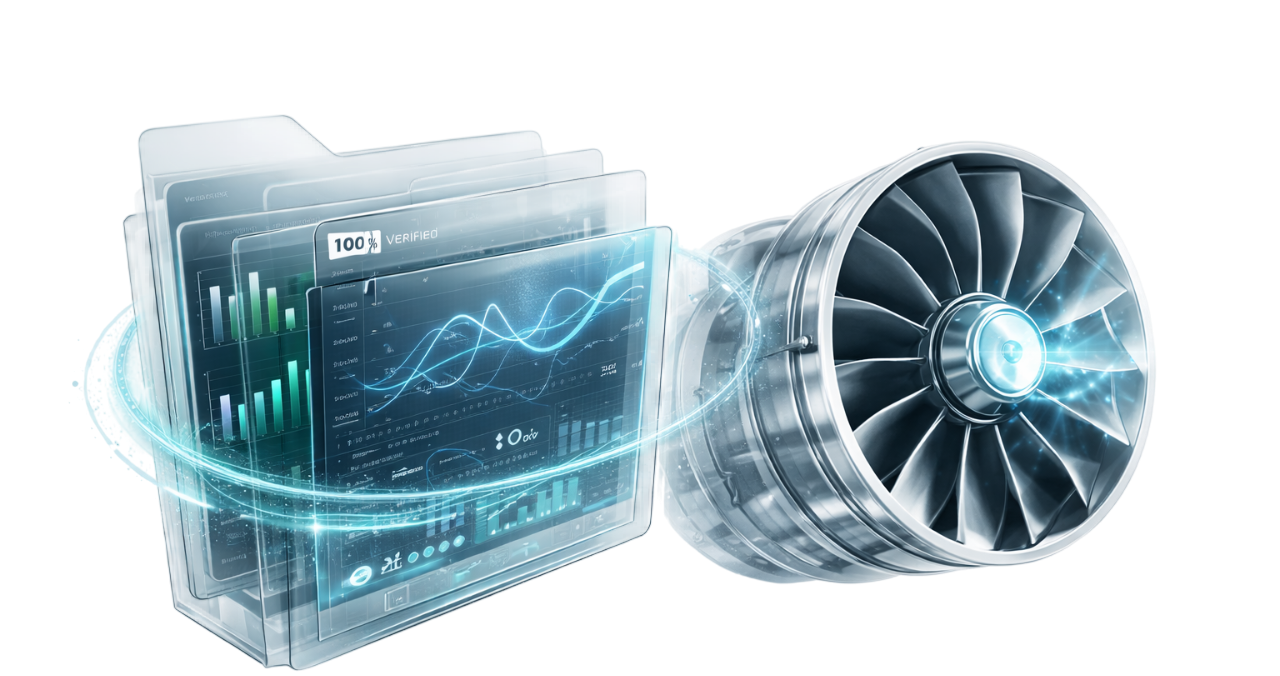
Performance Verification & Reporting
Learn More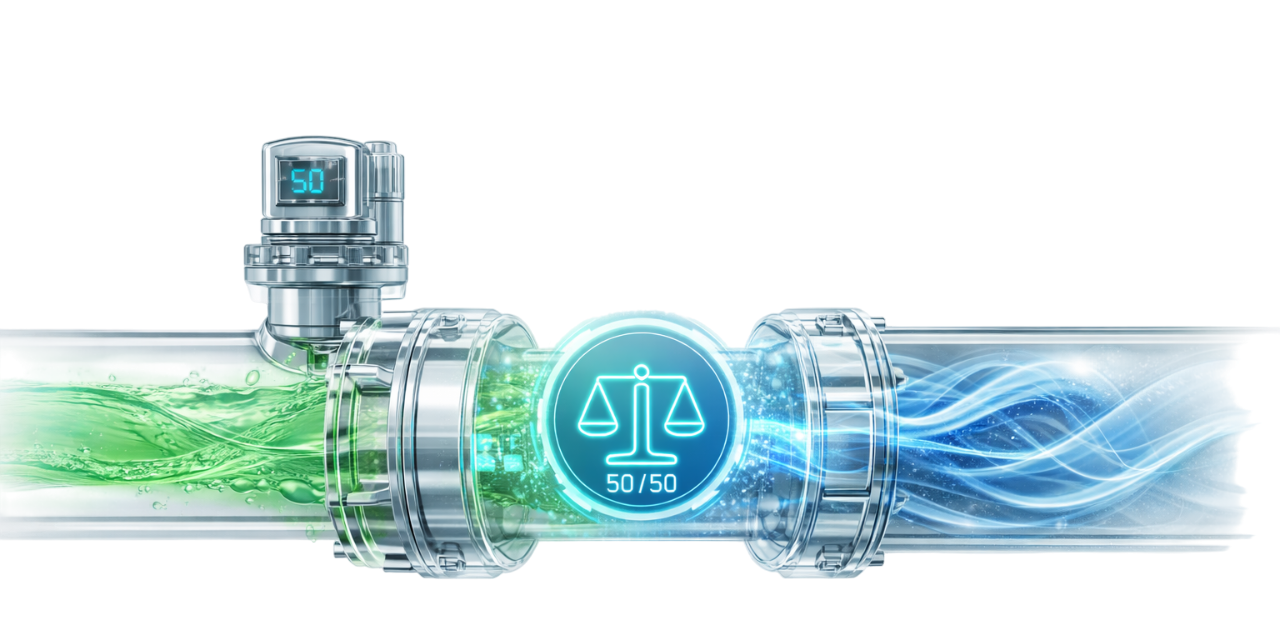
Air & Water Balancing Services
Learn More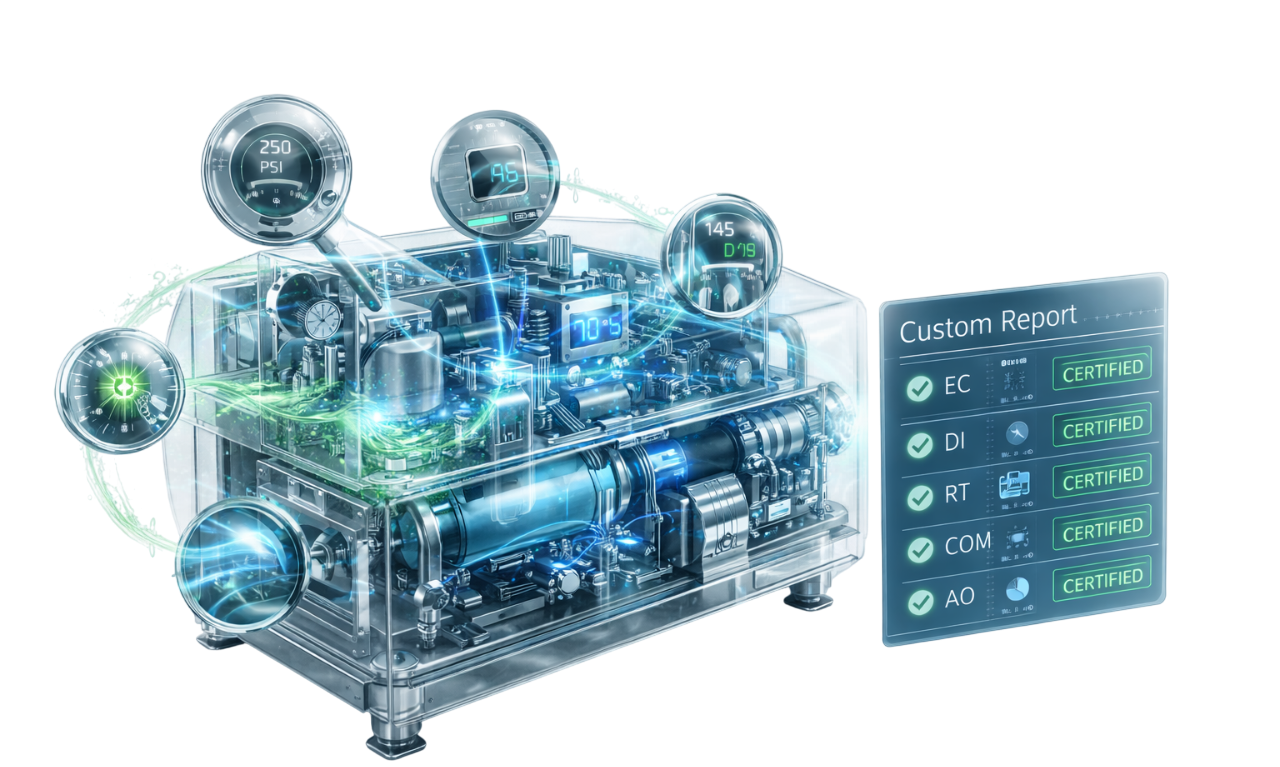
Additional Testing & Validation Services
Learn MoreOur Engineering Approach – How We Execute
Structured methodology for HVAC system testing and commissioning, ensuring technical accuracy, performance validation, and compliance verification.
Review of design intent and system documentation
Structured functional and performance testing
Verification of control sequences and safety interlocks
Pre-functional inspections and readiness checks
Measurement, adjustment, and balancing
Final reporting and system sign-off
Applications & Project Environments
Our testing and commissioning services serve diverse commercial, industrial, healthcare, and specialized environments requiring verified HVAC system performance.
- Central HVAC and chiller plants
- Commercial and institutional buildings
- Industrial and process facilities
- Data centres and critical environments
- Pharmaceutical and cleanroom projects
- Healthcare and laboratory facilities
Engineering-Led Value Outcomes
Measurable performance, efficiency, and reliability advantages delivered through disciplined testing and commissioning engineering.
- Verified system performance and compliance
- Balanced airflow and hydraulic operation
- Reduced operational issues and callbacks
- Improved energy efficiency and stability
- Smooth transition to operations and maintenance
Consult with Our Engineering Team
Connect with our engineering team to execute structured testing and commissioning processes that validate system performance against design intent.
Related HVAC Systems & Services
HVAC systems operate as an integrated ecosystem. Explore related services that support system performance, reliability, and lifecycle efficiency.
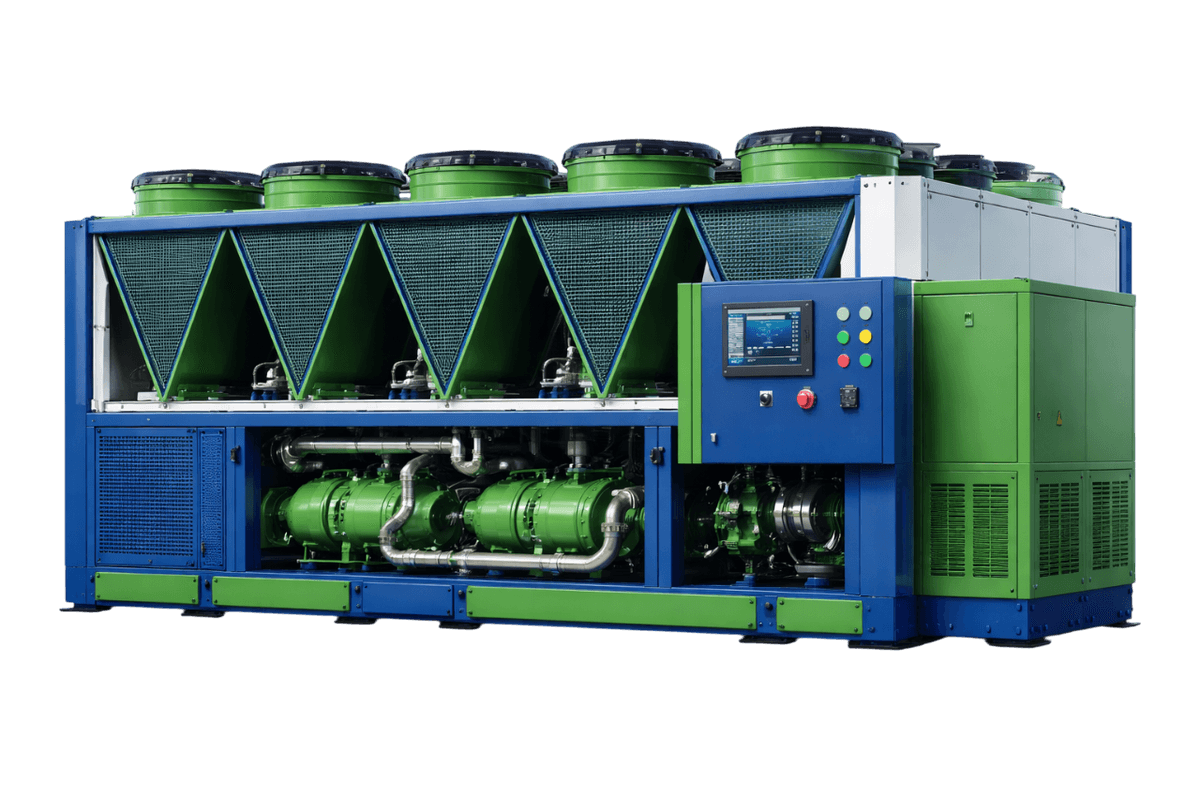
Chillers & Central Cooling
Learn More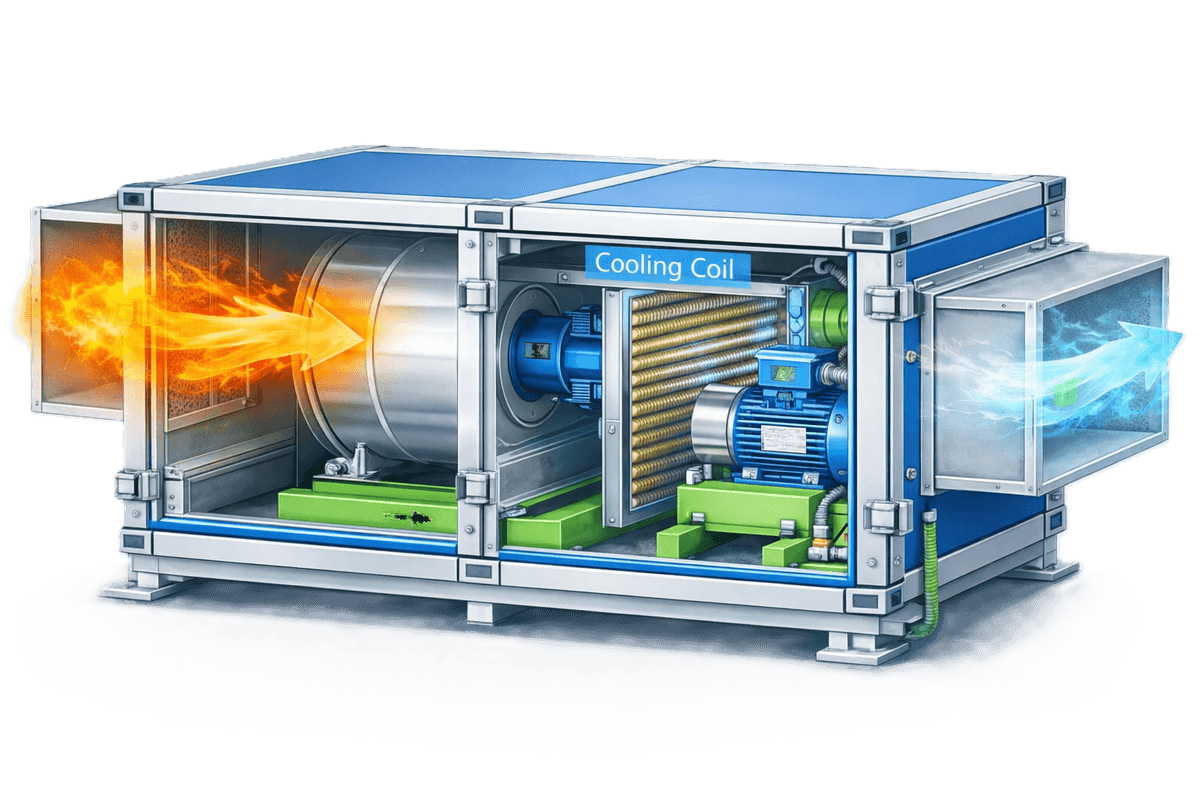
Hydronic Distribution & Flow Control
Learn More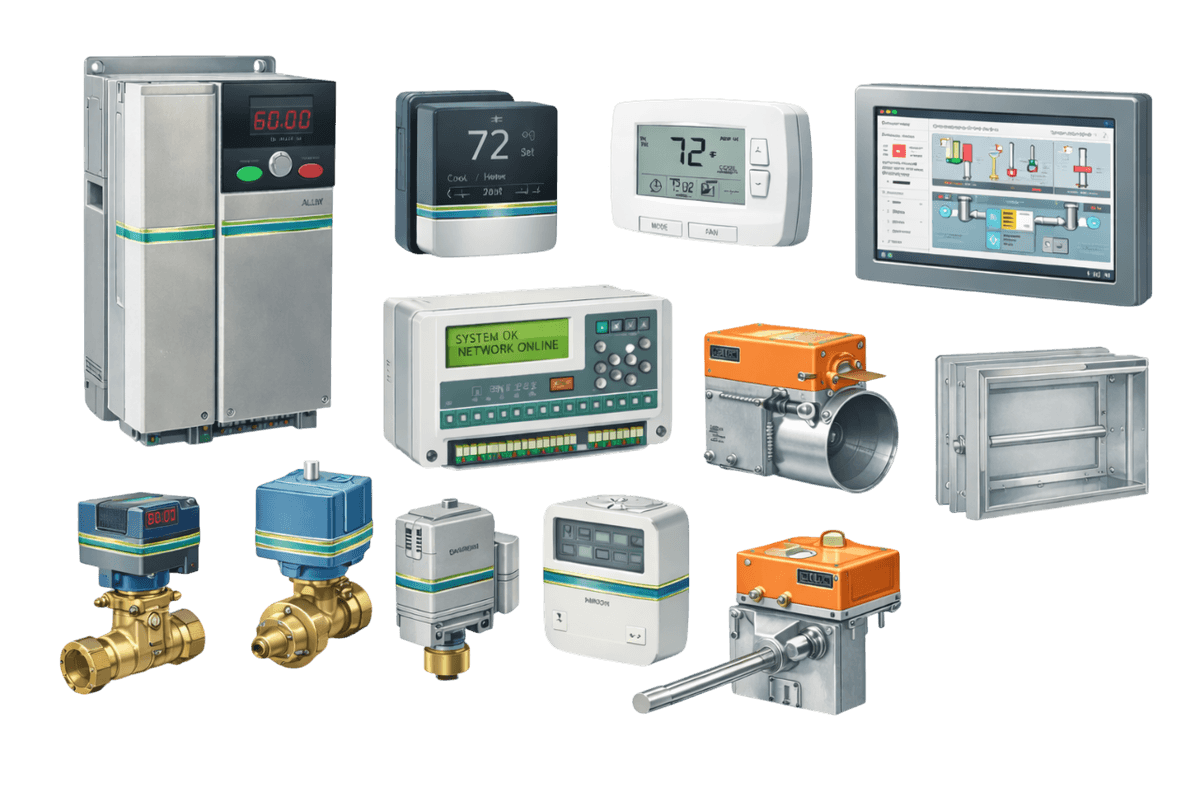
HVAC Automation & Instrumentation
Learn More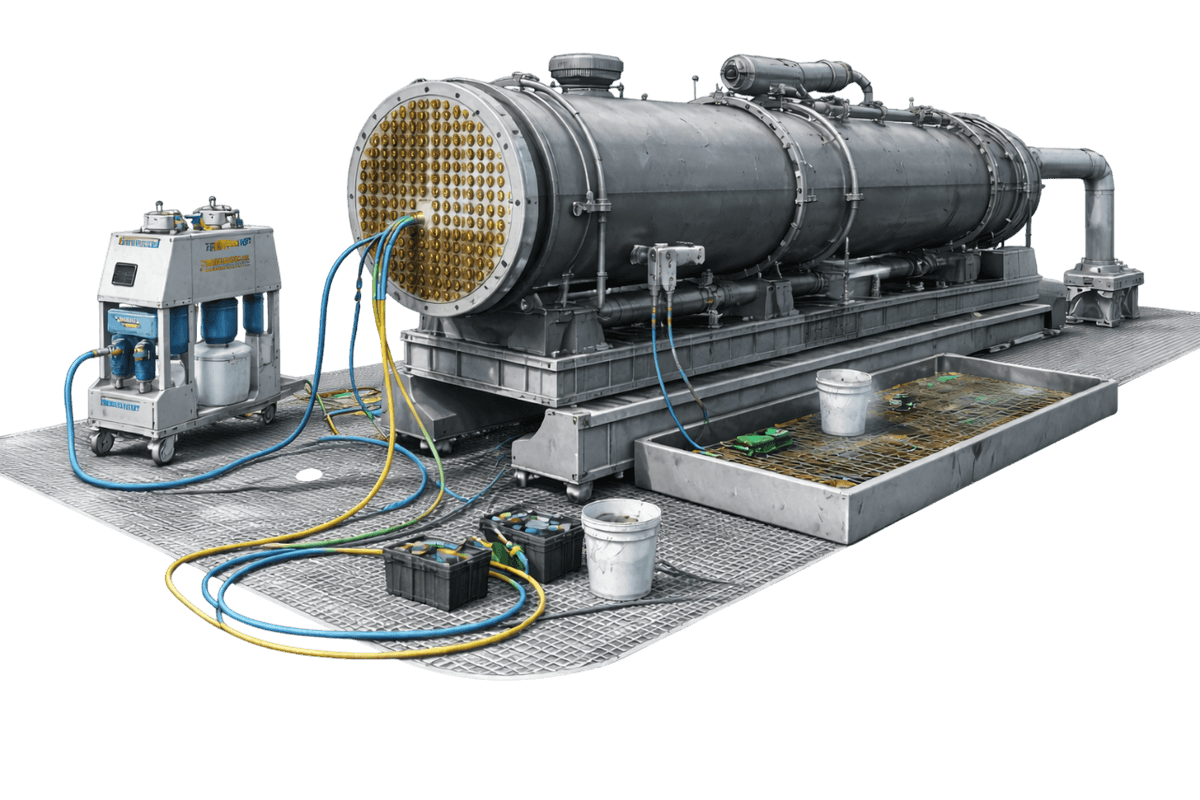
System Cleaning & Overhauling
Learn More
O&M / AMC Services
Learn MoreFrequently Asked Questions
What is the difference between testing and commissioning?
Testing involves individual component verification (equipment, controls, sensors). Commissioning is the holistic process of verifying the entire integrated system operates as designed, including testing, balancing, functional verification, and performance validation under operating conditions.
When should commissioning activities begin in a project?
Commissioning should begin during design phase with design intent review, continue through construction with inspections, and conclude with functional testing and performance verification. Early involvement prevents costly rework and ensures commissioning requirements are incorporated into design.
What is air balancing and why is it important?
Air balancing adjusts air distribution to ensure each space receives designed airflow. It's critical for comfort, indoor air quality, energy efficiency, and preventing hot/cold spots. Balancing includes measuring airflow at diffusers, adjusting dampers, and verifying total system airflow matches design.
What equipment is used for HVAC commissioning?
Equipment includes anemometers (air velocity), balometers (capture hoods), pitot tubes, manometers (pressure), temperature/humidity meters, flow meters (water), vibration analyzers, sound level meters, infrared cameras, power quality analyzers, and control system interface tools.
What documentation is produced during commissioning?
Documentation includes commissioning plan, inspection reports, test procedures, measurement data sheets, balancing reports, control sequence verification, deficiency lists, performance test results, operator training records, and final commissioning report with system sign-off.
How long does commissioning typically take?
Duration depends on system complexity: small systems 1-2 weeks, medium commercial buildings 4-8 weeks, large facilities/hospitals 2-4 months, complex industrial plants 3-6 months. Planning, coordination, and issue resolution significantly impact timeline.
What standards guide HVAC commissioning?
Key standards include ASHRAE Guideline 0 (Commissioning Process), ASHRAE 1.1 (HVAC&R Commissioning), NEBB Procedural Standards for TAB, SMACNA HVAC Commissioning Manual, local building codes, and specific standards for healthcare (ASHRAE 170), cleanrooms, and data centers.
What are common issues found during commissioning?
Common issues include incorrect equipment installation, improper control sequences, air/water balancing problems, inadequate access for maintenance, missing safety devices, documentation discrepancies, sensor calibration errors, and design-intent misinterpretations.
Can existing systems be retro-commissioned?
Yes, retro-commissioning applies commissioning processes to existing buildings to improve performance. It identifies operational improvements, corrects deficiencies, optimizes controls, and often delivers significant energy savings (typically 5-20%) with payback periods of 1-3 years.
What training is provided during commissioning?
Training includes system overview, operational procedures, emergency response, maintenance requirements, control system operation, troubleshooting guides, and access to as-built documentation. Hands-on training ensures operators understand normal and emergency operations.
How is commissioning different for critical facilities?
Critical facilities (data centers, hospitals, labs) require more rigorous testing including failure mode testing, redundancy verification, longer performance monitoring, stricter documentation, and specialized testing (particle counts, pressurization, seismic). Commissioning often follows specific industry standards.
What is the ROI for commissioning?
ROI includes energy savings (5-20%), reduced maintenance costs, extended equipment life, improved comfort/productivity, reduced warranty claims, and avoided operational problems. Typically, commissioning costs 1-2% of construction cost but delivers 4-5 times return over building lifecycle.