Chilled Water & Cold Insulation Systems
(Installation, Condensation Control & Energy-Efficient Insulation Services)
Chilled Water & Cold Insulation Systems – Engineering Execution & Field Services
Chilled Water & Cold Insulation Systems are critical for preventing condensation, minimizing thermal losses, and maintaining energy efficiency in HVAC and refrigeration networks.
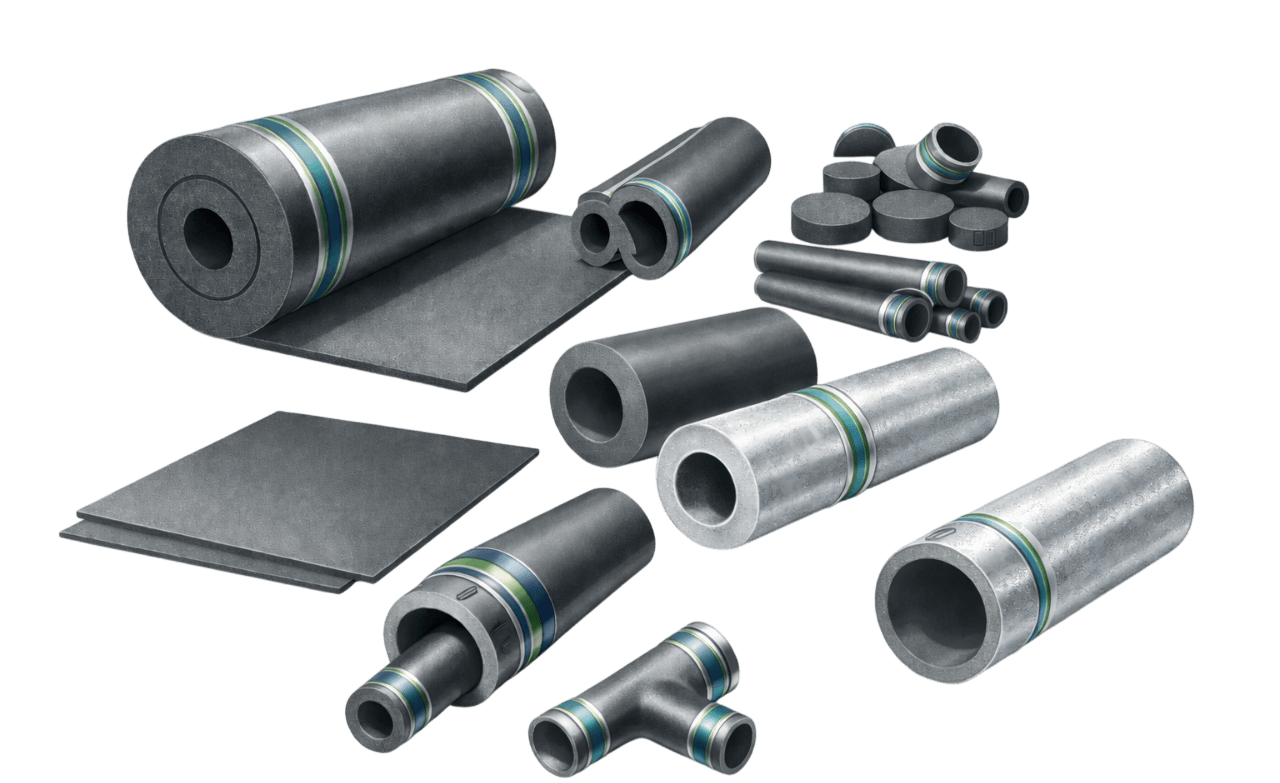
Cold surfaces such as:
- Chilled water piping
- CHW valves & fittings
- FCU / AHU drain lines
- Condenser water piping (where required)
- Refrigerant suction lines
- Cold process pipelines
operate below ambient dew point temperature. Without proper insulation, these systems can suffer from:
- Condensation dripping
- Water damage
- Mold formation
- Energy loss
- Corrosion under insulation (CUI)
- Reduced system efficiency
Properly engineered cold insulation ensures:
- Surface temperature control
- Dew point safety margin
- Vapour diffusion resistance
- Long-term durability
- Energy savings
Compress India provides complete engineering execution services including supply coordination, thickness calculation, installation, vapour barrier sealing, cladding, inspection, repair, retrofitting, and AMC services for chilled water and cold insulation systems.
Insulation Materials & Selection
Material selection depends on temperature range, humidity conditions, and mechanical protection requirements.
Common Materials Used:
Nitrile rubber (Elastomeric insulation – e.g., Armaflex type)
Closed-cell rubber insulation
Polyurethane (PU) insulation
Phenolic insulation
PIR insulation (where applicable)
Mineral wool with vapour barrier (special cases)
Engineering Focus Areas:
Thermal conductivity (K-value)
Water vapour diffusion resistance factor (µ-value)
Density and compressive strength
Fire performance classification
Temperature operating range
Moisture resistance
Thickness Calculation & Dew Point Control
Proper thickness is determined based on:
- Operating temperature
- Ambient temperature
- Relative humidity
- Pipe diameter
- Surface temperature target
We perform:
- Dew point analysis
- Heat gain calculation
- Thickness selection as per IS / ASHRAE guidelines
- Condensation prevention validation
- Safety margin verification
Condensation Prevention
Correct thickness prevents sweating and thermal loss.
Installation Methodology
We execute precise and sealed insulation installation to prevent moisture ingress.
Scope of work includes:
- Pipe surface cleaning
- Insulation sleeve installation
- Adhesive bonding
- Joint sealing
- Vapour barrier tape application
- Valve and fitting insulation
- Flange box fabrication
- Cladding (if required)
- UV protection wrapping (outdoor lines)
Critical Installation Controls:
No gap installation, vapour barrier continuity, joint overlap sealing, proper edge finishing, mechanical protection where required.
Vapor Barrier & Moisture Protection
Cold insulation performance depends on vapour barrier integrity.
We provide:
- Vapour barrier membrane application
- Joint sealing with approved adhesive
- Foil tape wrapping
- Protective cladding installation
- Anti-condensation coating (where required)
Moisture Ingress Prevention
Moisture ingress leads to insulation failure and corrosion.
Testing, Inspection & Quality Verification
We conduct:
- Visual inspection
- Surface temperature measurement
- Joint integrity check
- Condensation observation
- Vapour barrier continuity verification
- Cladding inspection
Quality Assurance
Inspection ensures long-term performance and durability.
Repair, Replacement & Retrofitting
We provide corrective services for:
- Damaged insulation replacement
- Moisture ingress correction
- Joint resealing
- Valve re-insulation
- CUI (Corrosion Under Insulation) rectification
- Thickness upgrade
- Outdoor UV protection replacement
System Enhancement
Retrofitting improves energy efficiency and prevents recurring leakage.
Preventive Maintenance & AMC Services
Routine inspection prevents long-term damage.
Our AMC services include:
- Periodic inspection
- Joint resealing
- Vapour barrier verification
- Moisture monitoring
- Surface temperature review
- Preventive replacement planning
Customized AMC Plans
Customized Annual Maintenance Contracts (AMC) are structured for commercial and industrial HVAC systems.
Energy Optimization & Condensation Prevention
Optimized insulation reduces:
- Pump load
- Cooling load
- Energy consumption
- Surface moisture issues
We conduct:
- Heat gain assessment
- Condensation risk analysis
- Insulation upgrade study
- System benchmarking
Energy Savings
Proper insulation enhances HVAC efficiency and system life.
Connect with Our HVAC Engineering Team
For professional installation, thickness calculation, vapour barrier sealing, inspection, repair, retrofitting, or AMC services for Chilled Water & Cold Insulation Systems, connect with our HVAC engineering team for reliable condensation-free and energy-efficient insulation solutions.
Related HVAC Systems & Engineering Services
Chilled Water & Cold Insulation Systems are closely associated with:
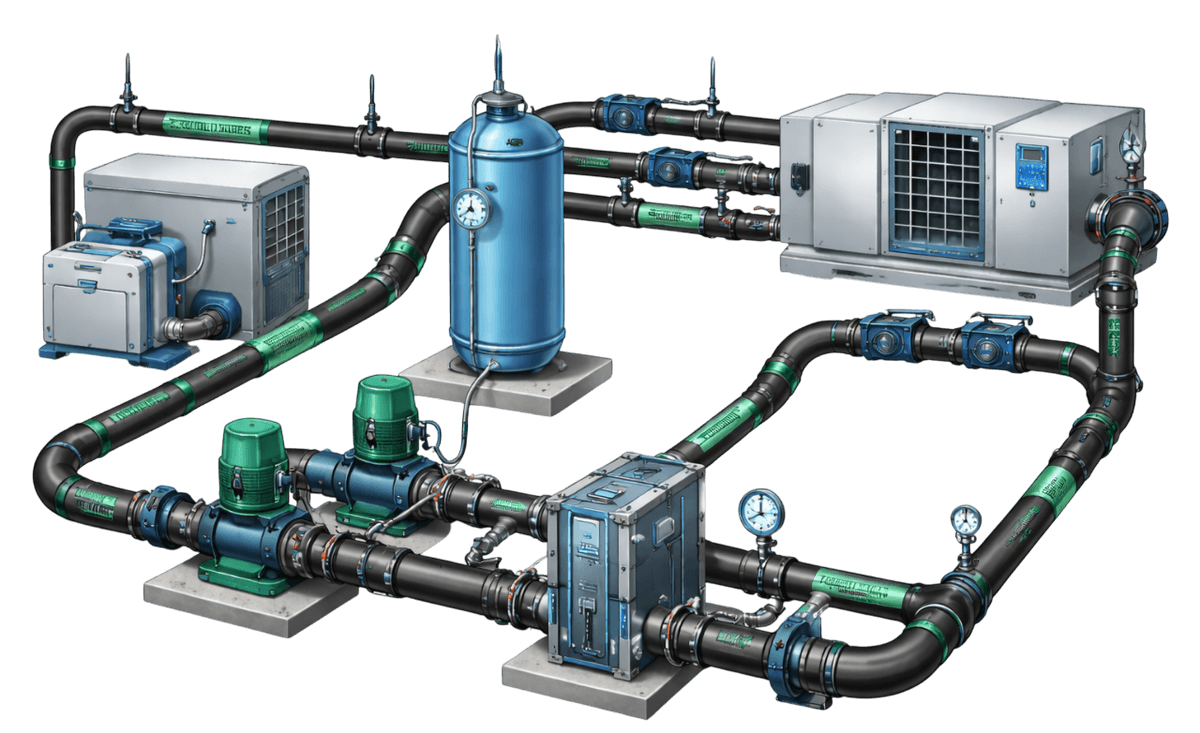
Chilled Water Piping Systems
Learn More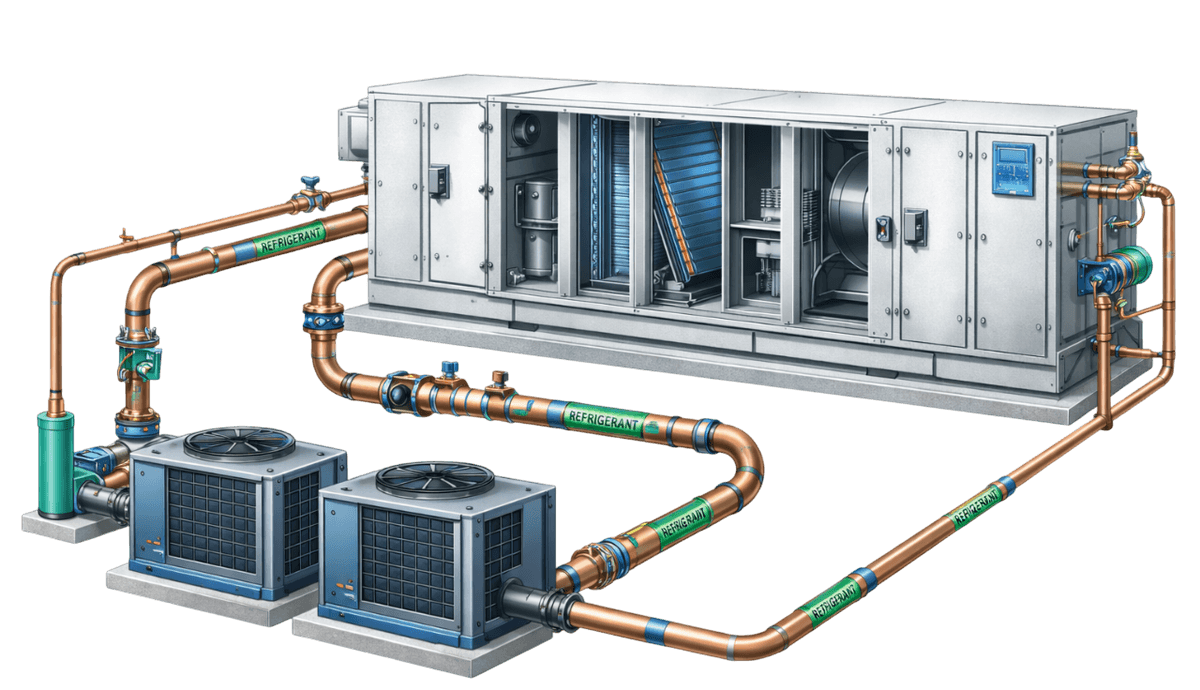
Refrigerant Piping
Learn More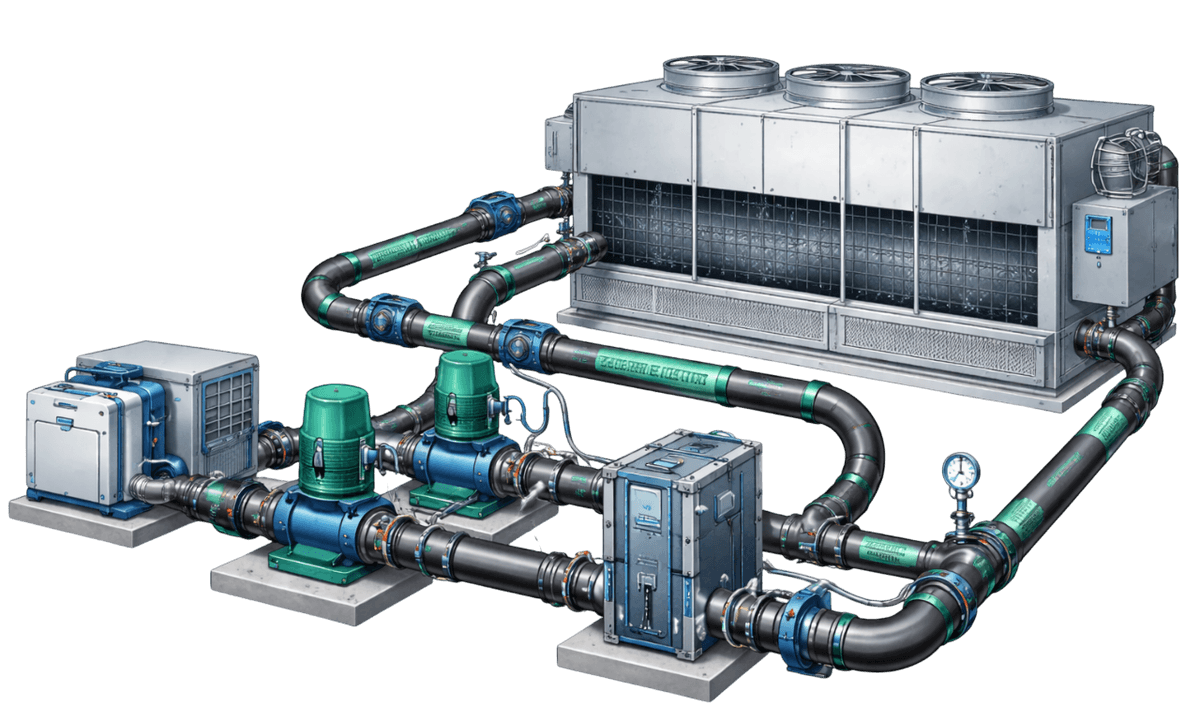
Condensate Drain Piping
Learn More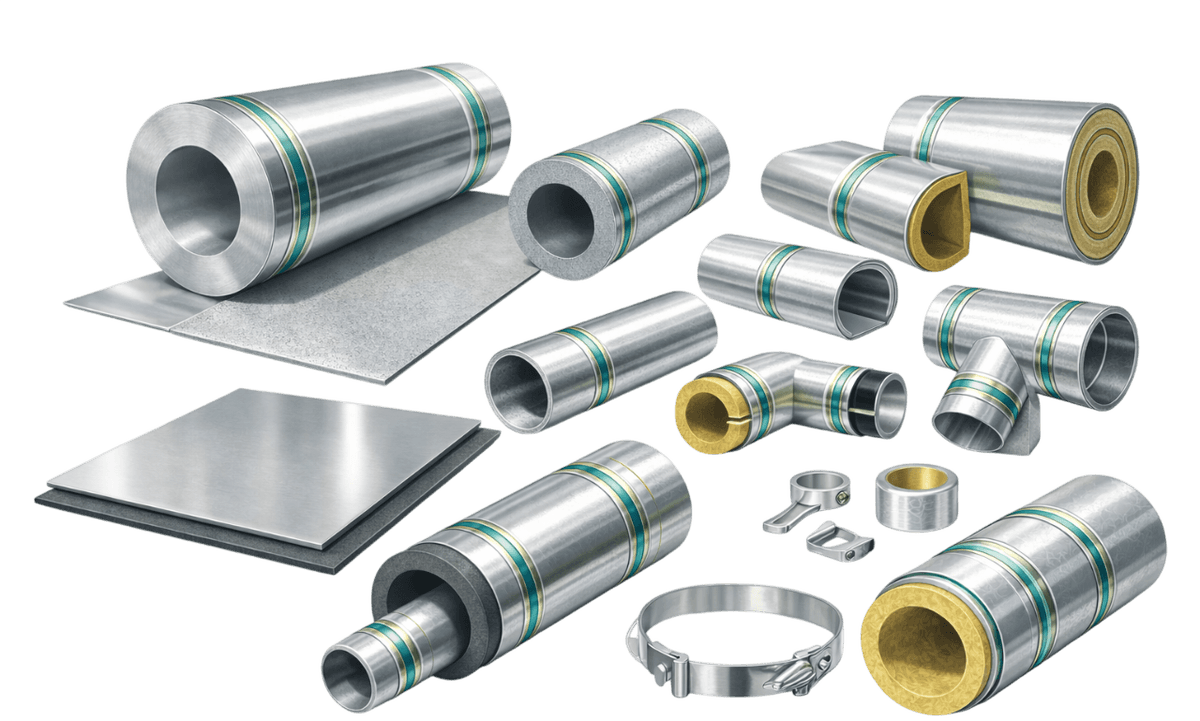
Vapour Barriers, Cladding & Jacketing
Learn More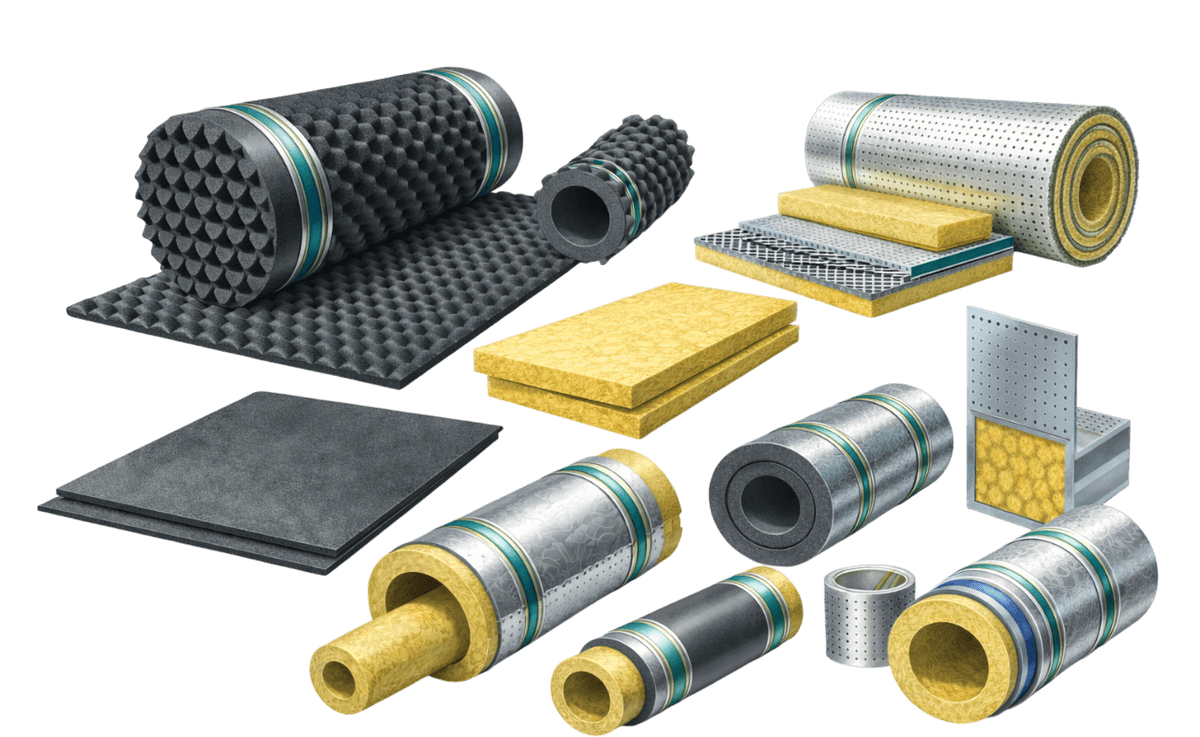
Acoustic Insulation & Noise Control
Learn More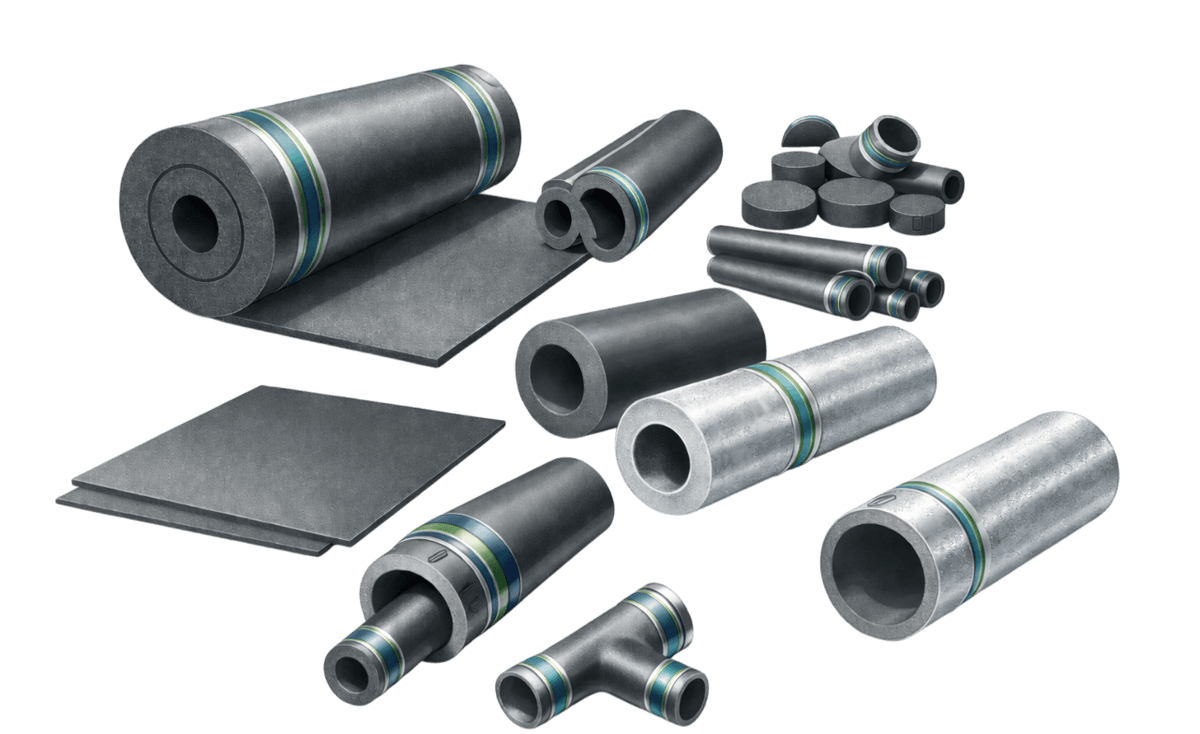
Thermal & Acoustic Insulation Systems
Learn More
HVAC Automation & Instrumentation
Learn MoreFrequently Asked Questions
Why is insulation necessary for chilled water pipes?
Insulation is necessary to prevent condensation (sweating) on cold pipe surfaces, reduce thermal energy losses, maintain water temperature, and protect against corrosion under insulation (CUI). It ensures energy efficiency and long-term system durability.
What materials are commonly used for cold insulation?
Common materials include Nitrile rubber (elastomeric foam like Armaflex), closed-cell rubber insulation, Polyurethane (PU), Phenolic foam, and PIR. Material selection depends on temperature range, humidity, and fire safety requirements.
How is the correct insulation thickness determined?
Thickness is calculated based on operating temperature, ambient temperature, relative humidity, pipe diameter, and desired surface temperature. We perform dew point analysis and heat gain calculations as per IS/ASHRAE guidelines to select the optimal thickness.
What is a vapour barrier and why is it important?
A vapour barrier is a material (membrane, foil tape, or coating) applied over the insulation to prevent moisture ingress. It is critical because moisture penetration leads to insulation failure, corrosion, and mold growth.
What surfaces require cold insulation?
Cold insulation is required for all surfaces operating below ambient dew point, including chilled water piping, CHW valves & fittings, FCU/AHU drain lines, refrigerant suction lines, and cold process pipelines.
Can you repair existing damaged insulation?
Yes, we provide comprehensive repair and retrofitting services including damaged insulation replacement, moisture ingress correction, joint resealing, valve re-insulation, and CUI rectification to restore system performance.
Do you offer maintenance contracts for insulation systems?
Yes, we offer customized AMCs including periodic inspection, joint resealing, vapour barrier verification, moisture monitoring, and preventive replacement planning to ensure long-term insulation integrity.
What is Corrosion Under Insulation (CUI)?
CUI is corrosion that occurs on the external surface of piping due to moisture trapped under the insulation. It is a major risk in cold systems if the vapour barrier fails, leading to pipe degradation and potential leaks.
How does proper insulation save energy?
Proper insulation minimizes heat gain into the cold fluid, reducing the cooling load on the chiller. It also reduces pump load by maintaining consistent fluid temperature. This leads to significant energy savings and lower operational costs.
What does your installation service include?
Our service includes surface cleaning, insulation sleeve installation, adhesive bonding, joint sealing, vapour barrier application, cladding, and inspection. We ensure a seamless, gap-free installation with continuous vapour protection.