Hot Water & High-Temperature Insulation
(Thermal Protection, Heat Loss Control & High-Temperature Insulation Services)
Hot Water & High-Temperature Insulation – Engineering Execution & Field Services
Hot Water & High-Temperature Insulation Systems are engineered to minimize heat loss, improve energy efficiency, and ensure personnel safety in high-temperature piping and equipment.
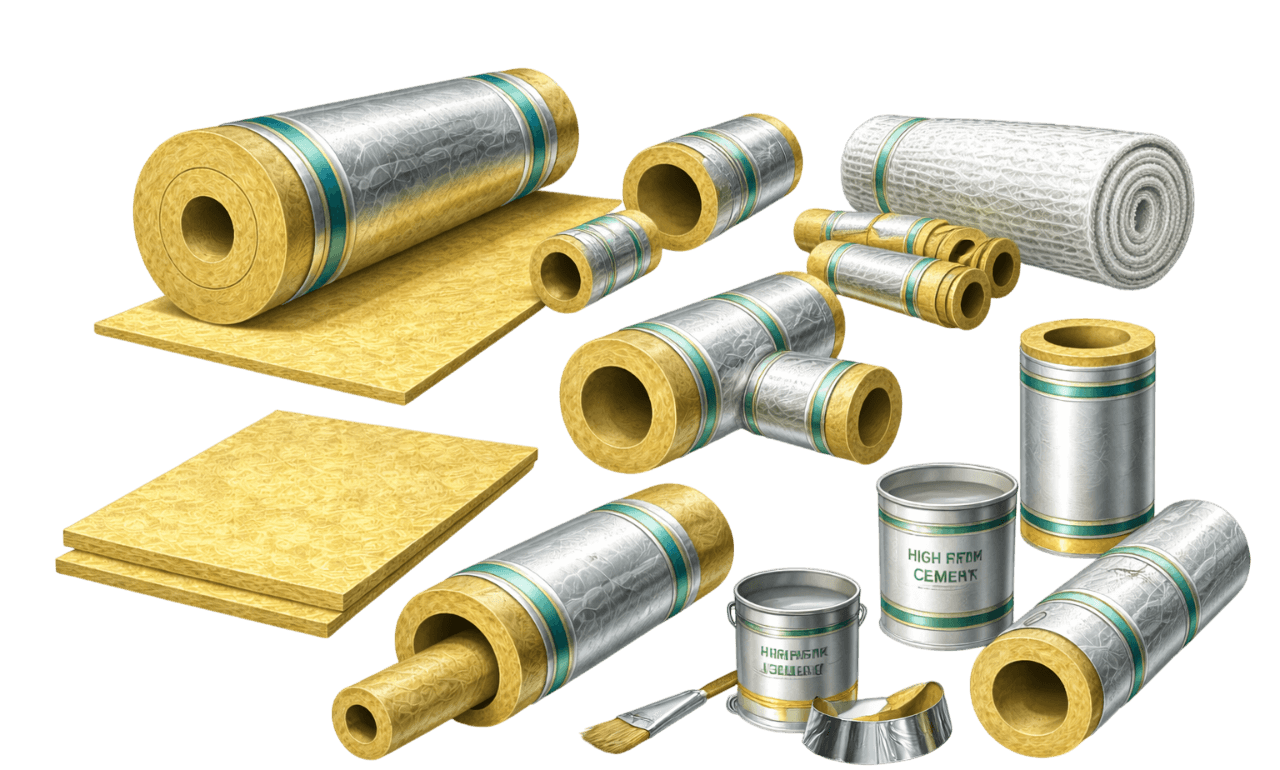
These systems are commonly applied on:
- Hot water piping
- Boiler lines
- Steam lines
- Heating coils
- Calorifiers
- Heat exchangers
- Process heating pipelines
- Exhaust ducts
Unlike cold insulation that prevents condensation, high-temperature insulation focuses on:
- Heat retention
- Surface temperature reduction
- Energy conservation
- Fire resistance
- Personnel protection
- Structural durability
Compress India provides complete engineering execution services including heat loss calculation, material selection, thickness design, installation, cladding, inspection, repair, retrofitting, and AMC services for hot water and high-temperature insulation systems.
Insulation Materials & Temperature Compatibility
Material selection depends on operating temperature, exposure conditions, and fire requirements.
Common Materials Used:
Mineral wool insulation
Rockwool insulation
Glass wool insulation
Ceramic fibre insulation (high temperature)
Calcium silicate insulation
High-density thermal boards
Fire-rated insulation materials
Engineering Focus Areas:
Thermal conductivity (K-value at operating temperature)
Maximum service temperature rating
Density and compressive strength
Fire resistance classification
Mechanical durability
Moisture resistance
Heat Loss Calculation & Thickness Design
Proper thickness ensures energy efficiency and safety.
We conduct:
- Heat loss calculation
- Surface temperature estimation
- Thickness selection as per IS / ASHRAE standards
- Energy saving assessment
- Burn protection surface temperature compliance
Energy & Cost Efficiency
Correct insulation reduces fuel consumption and operational costs.
Installation Methodology
We execute precise insulation installation with mechanical and thermal protection.
Scope of work includes:
Surface cleaning
Insulation wrapping
Multi-layer installation (if required)
Wire mesh reinforcement
Banding and fastening
Expansion gap provision
Aluminium / GI cladding installation
Weatherproof sealing
Critical Installation Controls:
Uniform thickness
No compression damage
Proper joint staggering
Secure cladding fixation
Thermal expansion allowance
Cladding & Mechanical Protection
High-temperature insulation requires durable external protection.
We provide:
- Aluminium cladding
- GI cladding
- SS cladding (where required)
- Weather-resistant wrapping
- Fire-rated protective covering
Mechanical Protection
Cladding prevents mechanical damage and moisture ingress.
Inspection, Testing & Quality Verification
We conduct:
- Surface temperature measurement
- Heat loss verification
- Thickness inspection
- Cladding inspection
- Joint integrity check
- Mechanical protection review
Performance Assurance
Inspection ensures performance and long-term durability.
Repair, Replacement & Retrofitting
We provide corrective services for:
- Damaged insulation replacement
- Heat loss correction
- Cladding replacement
- Moisture ingress repair
- Thickness upgrade
- Fire-rating upgrade
Efficiency Improvement
Retrofitting improves system efficiency and safety.
Preventive Maintenance & AMC Services
Routine inspection ensures energy efficiency and safety compliance.
Our AMC services include:
- Periodic inspection
- Joint tightening
- Cladding maintenance
- Surface temperature review
- Heat loss monitoring
- Preventive replacement planning
Customized AMC Plans
Customized Annual Maintenance Contracts (AMC) are structured for industrial and commercial heating systems.
Energy Optimization & Safety Compliance
Optimized insulation reduces:
- Heat loss
- Fuel consumption
- Operational cost
- Surface burn risk
We conduct:
- Thermal audit
- Energy efficiency benchmarking
- Insulation upgrade study
- Safety compliance review
Operational Reliability
Proper high-temperature insulation improves operational reliability and cost efficiency.
Connect with Our HVAC Engineering Team
For professional installation, heat loss calculation, cladding, inspection, repair, retrofitting, or AMC services for Hot Water & High-Temperature Insulation Systems, connect with our HVAC engineering team for durable and energy-efficient thermal protection solutions.
Related HVAC Systems & Engineering Services
Hot Water & High-Temperature Insulation is closely associated with:
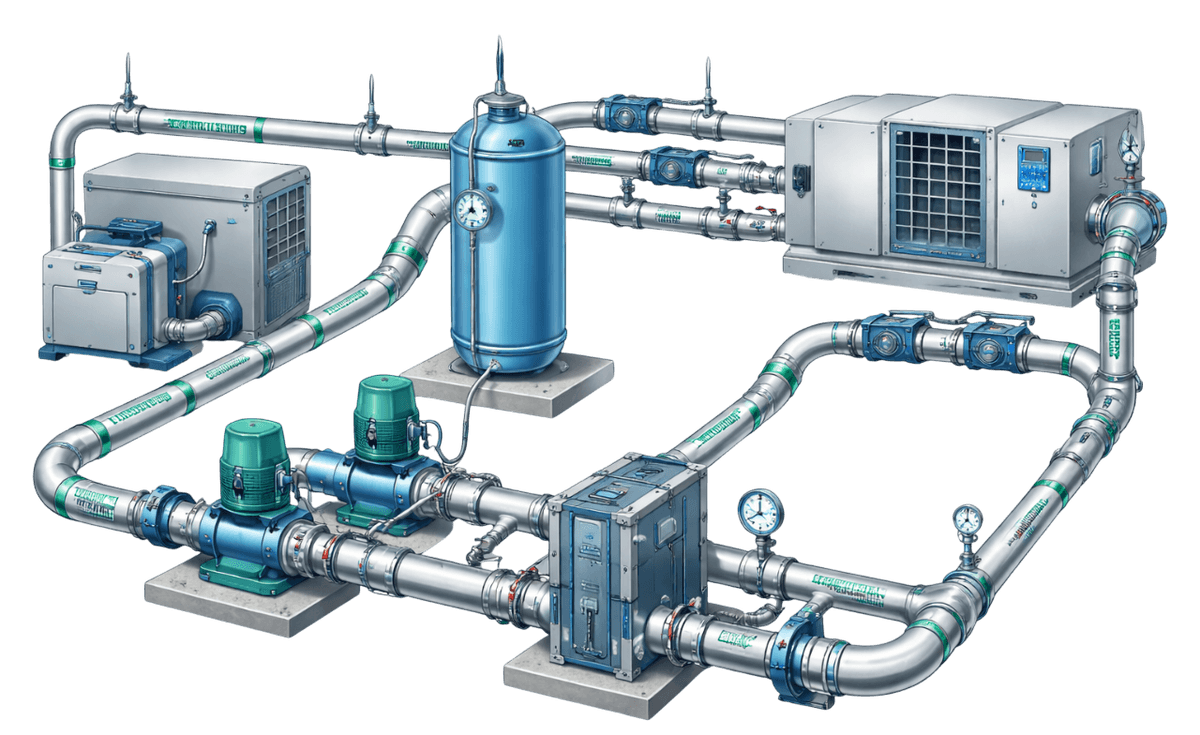
Hot Water & High-Temperature Insulation
Learn More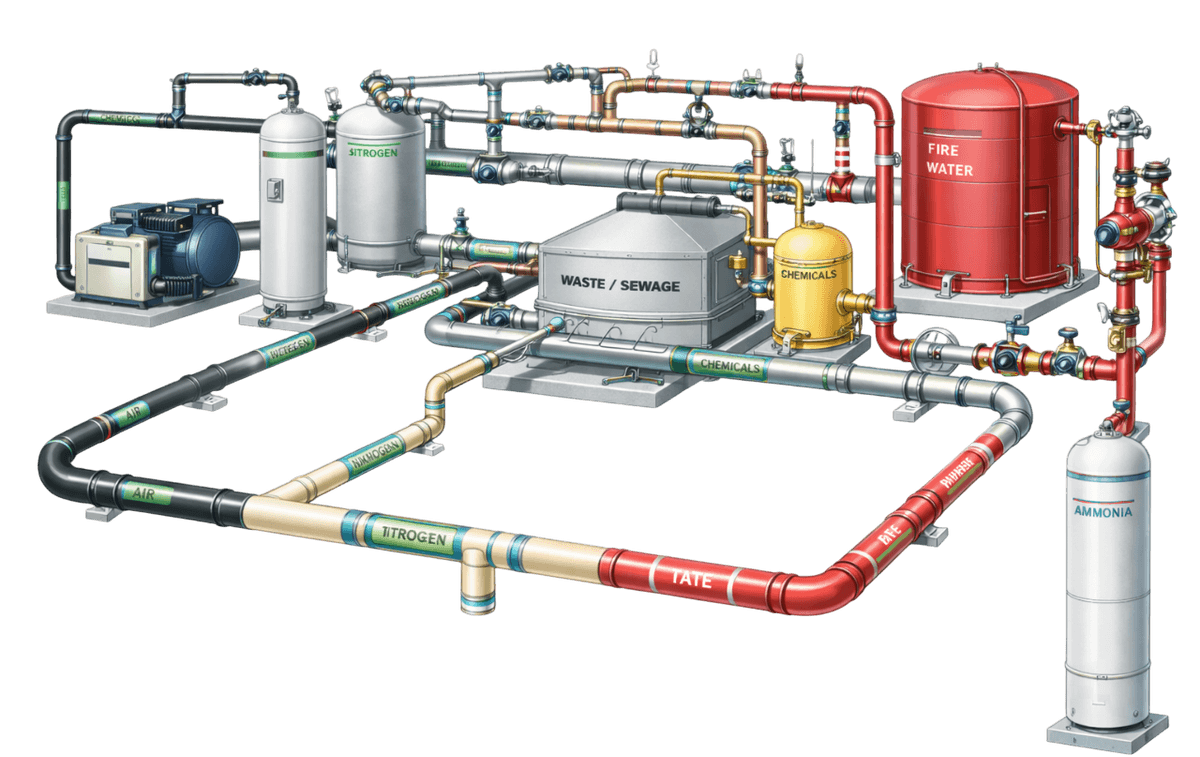
Process & Utility Piping Networks
Learn More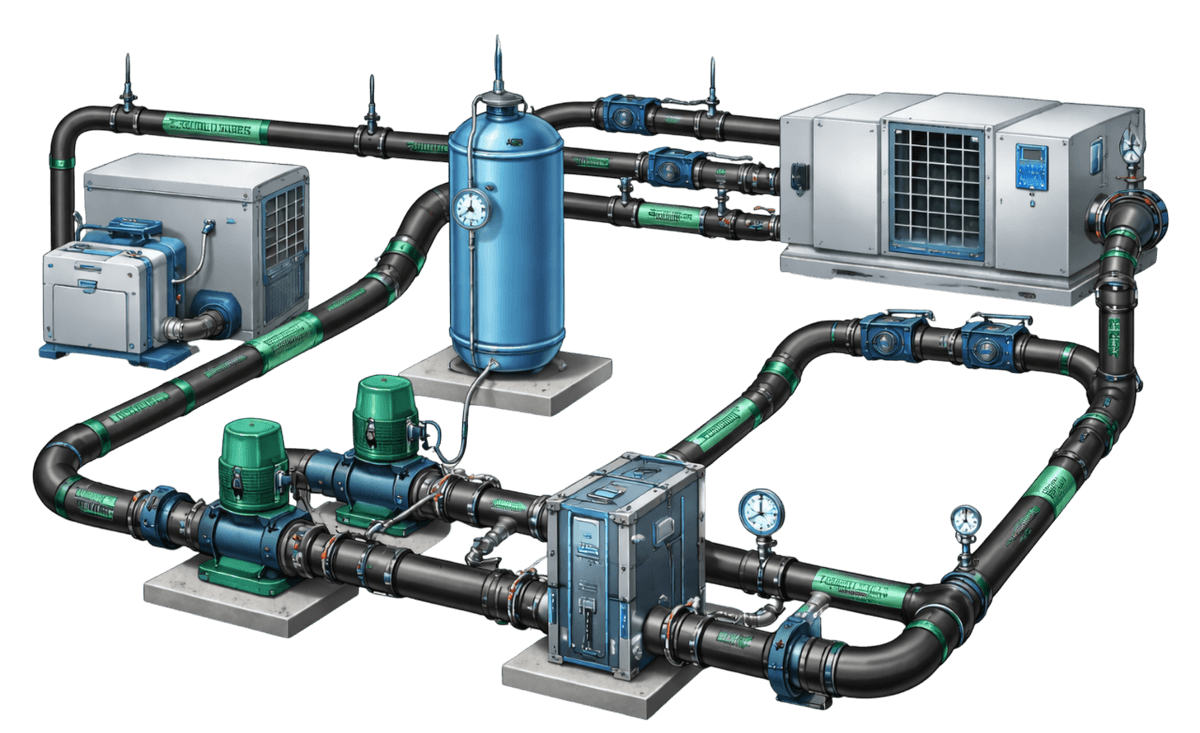
Chilled Water Piping Systems
Learn More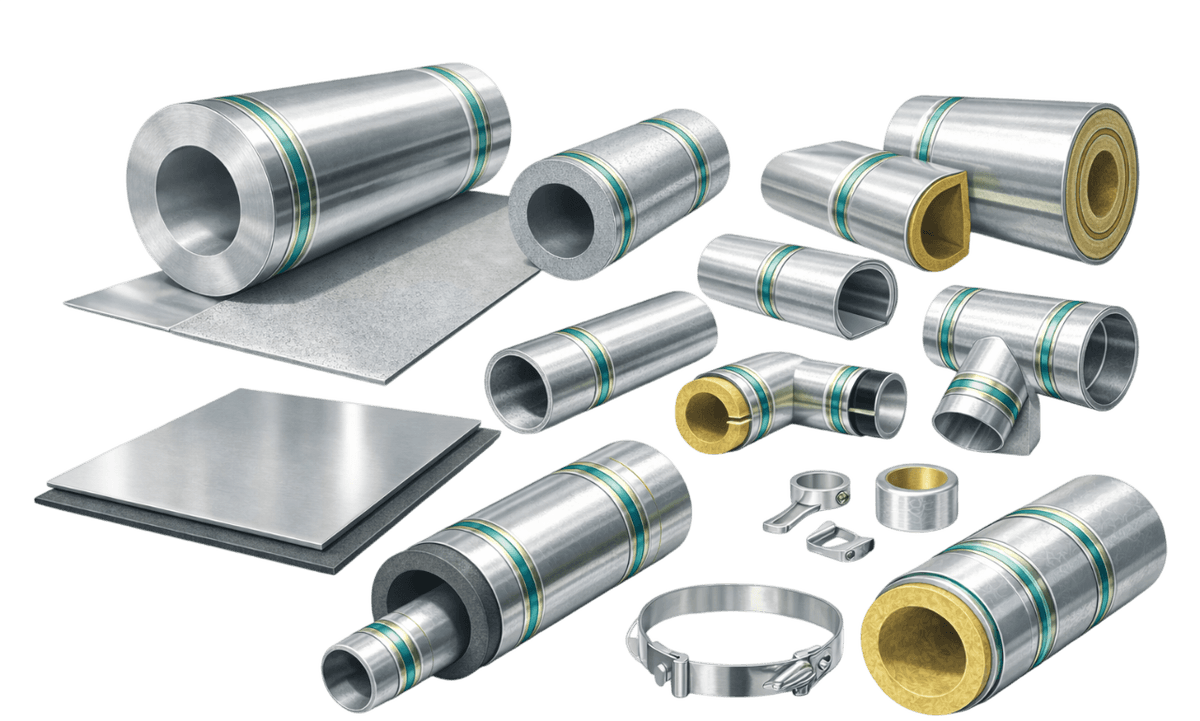
Vapour Barriers, Cladding & Jacketing
Learn More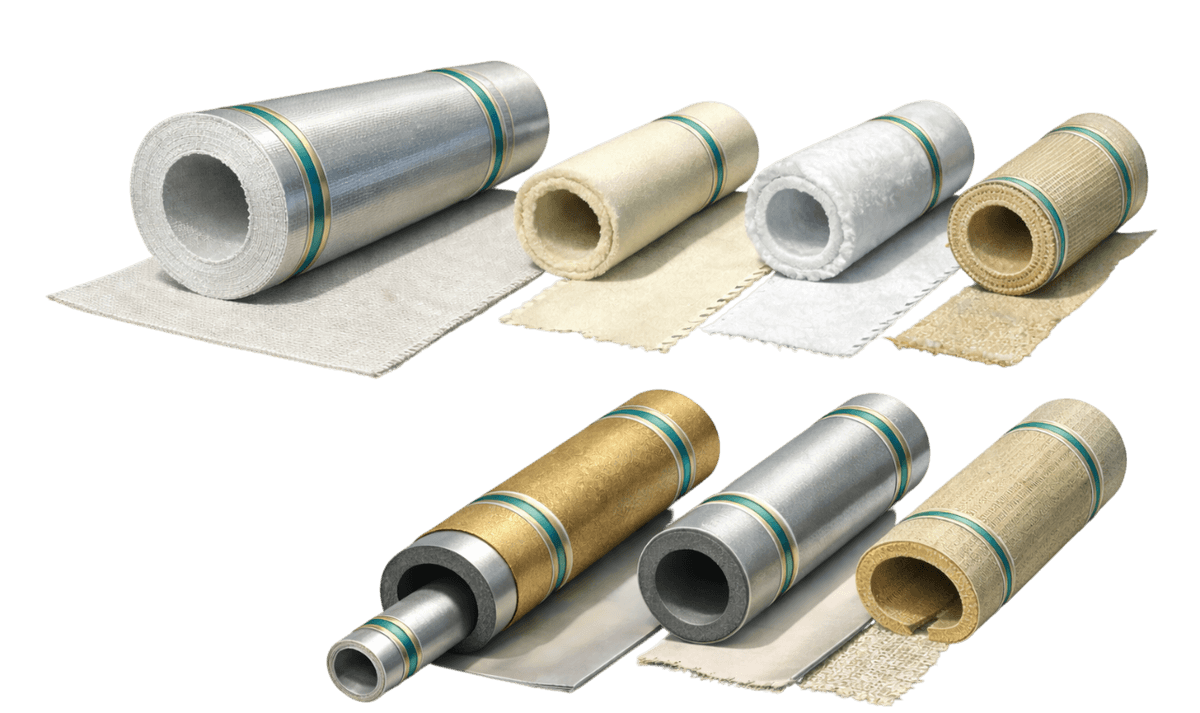
HVAC Specialized Protective Coating
Learn More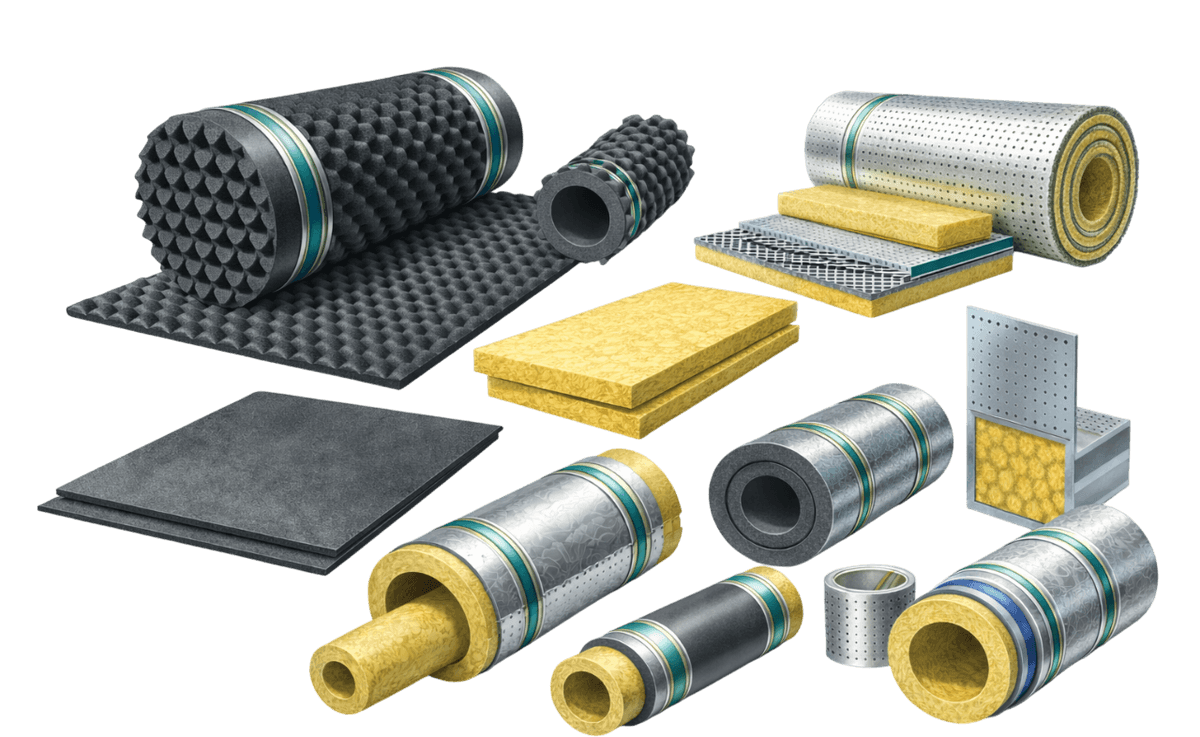
Acoustic Insulation & Noise Control
Learn MoreFrequently Asked Questions
What are Hot Water & High-Temperature Insulation Systems?
Hot Water & High-Temperature Insulation Systems are engineered to minimize heat loss, improve energy efficiency, and ensure personnel safety in high-temperature piping and equipment. They are applied on hot water piping, boiler lines, steam lines, heating coils, calorifiers, heat exchangers, process heating pipelines, and exhaust ducts.
What materials are used for high-temperature insulation?
Common materials include mineral wool, rockwool, glass wool, ceramic fibre insulation, calcium silicate insulation, high-density thermal boards, and fire-rated insulation materials. Selection depends on operating temperature, exposure conditions, and fire requirements.
How is insulation thickness calculated?
We perform heat loss calculation, surface temperature estimation, and thickness selection as per IS / ASHRAE standards, along with energy saving assessment and burn protection surface temperature compliance.
What does insulation installation include?
Our scope includes surface cleaning, insulation wrapping, multi-layer installation, wire mesh reinforcement, banding and fastening, expansion gap provision, aluminium/GI cladding installation, and weatherproof sealing with critical controls for uniform thickness and thermal expansion allowance.
Why is cladding important for high-temperature insulation?
Cladding provides mechanical protection and prevents moisture ingress. We offer aluminium, GI, and SS cladding, weather-resistant wrapping, and fire-rated protective covering to ensure long-term durability.
What inspection services do you provide?
We conduct surface temperature measurement, heat loss verification, thickness inspection, cladding inspection, joint integrity check, and mechanical protection review to ensure performance and durability.
Can existing insulation be repaired or upgraded?
Yes, we provide repair, replacement, and retrofitting services including damaged insulation replacement, heat loss correction, cladding replacement, moisture ingress repair, thickness upgrade, and fire-rating upgrade to improve efficiency and safety.
What is included in your AMC services?
Our AMC covers periodic inspection, joint tightening, cladding maintenance, surface temperature review, heat loss monitoring, and preventive replacement planning, customized for industrial and commercial heating systems.
How does insulation improve energy efficiency?
Optimized insulation reduces heat loss, fuel consumption, and operational cost while minimizing surface burn risk. We conduct thermal audits, energy efficiency benchmarking, and safety compliance reviews.
What standards do you follow for insulation design?
We follow IS and ASHRAE standards for thickness selection, heat loss calculation, and burn protection. Our engineering focus includes thermal conductivity, service temperature rating, and fire resistance classification.