safety relays
What Are Safety Relays in HVAC?
In HVAC systems, safety relays are specialized devices that oversee safety-critical components and circuits, helping to prevent accidents and ensure safe operation. These relays are activated to shut down the system or implement other safety measures when a hazardous condition arises, such as an emergency stop or high-temperature alert. They are designed to be both reliable and fail-safe, even in situations where a contact may weld or fail.
Here are some of the most commonly utilized safety relays in HVAC systems:
- Electro-mechanical relays
- Thermal relays
- Time delay relays
- Lockout relays
- Auxiliary relays
- Differential relays
- Programming relays
- Protective relays
- Monitoring relays
- Frequency relays
- Solid state relays
Let’s explore this topic further and discover some key points about these relays.
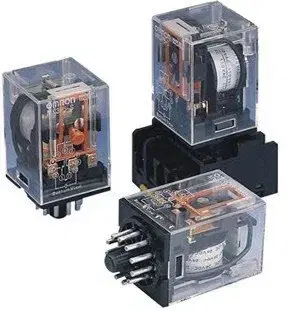
ELECTRO-MECHANICAL RELAYS
Electromechanical relays (EMRs) play a vital role in HVAC systems, functioning as switches activated by electromagnets to control the electrical flow to various components such as fans, compressors, and heating elements.
Learn More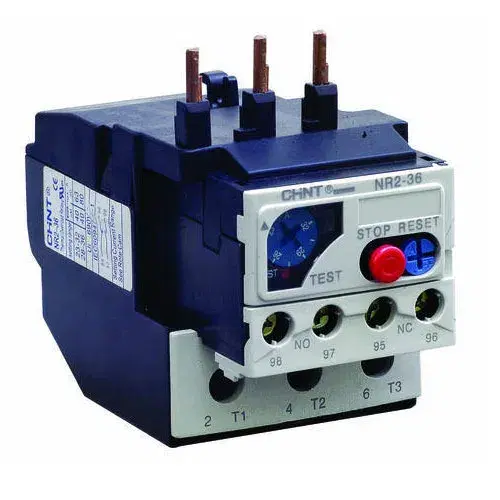
THERMAL RELAYS
In HVAC systems, thermal relays serve as electromechanical devices designed to protect motors and other electrical components from overheating and overload situations. They detect the heat produced by excessive current and disconnect the circuit to avert damage.
Learn More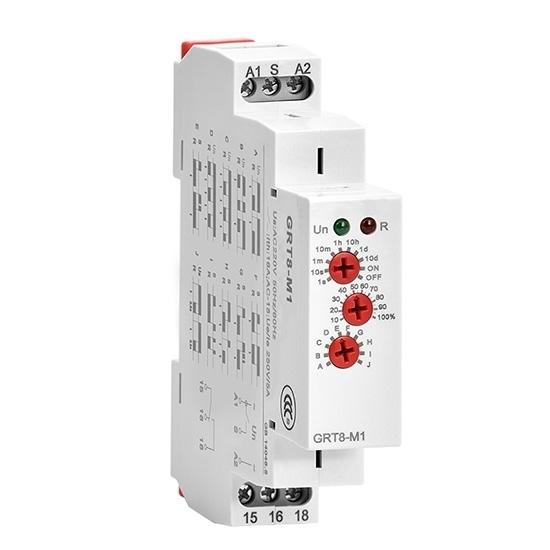
TIME DELAY RELAYS
In HVAC systems, a time delay relay (TDR) is a device that introduces a predetermined delay before activating or deactivating components, such as a compressor. This delay is essential to prevent short cycling, which occurs when a compressor frequently turns on and off, potentially causing damage.
Learn More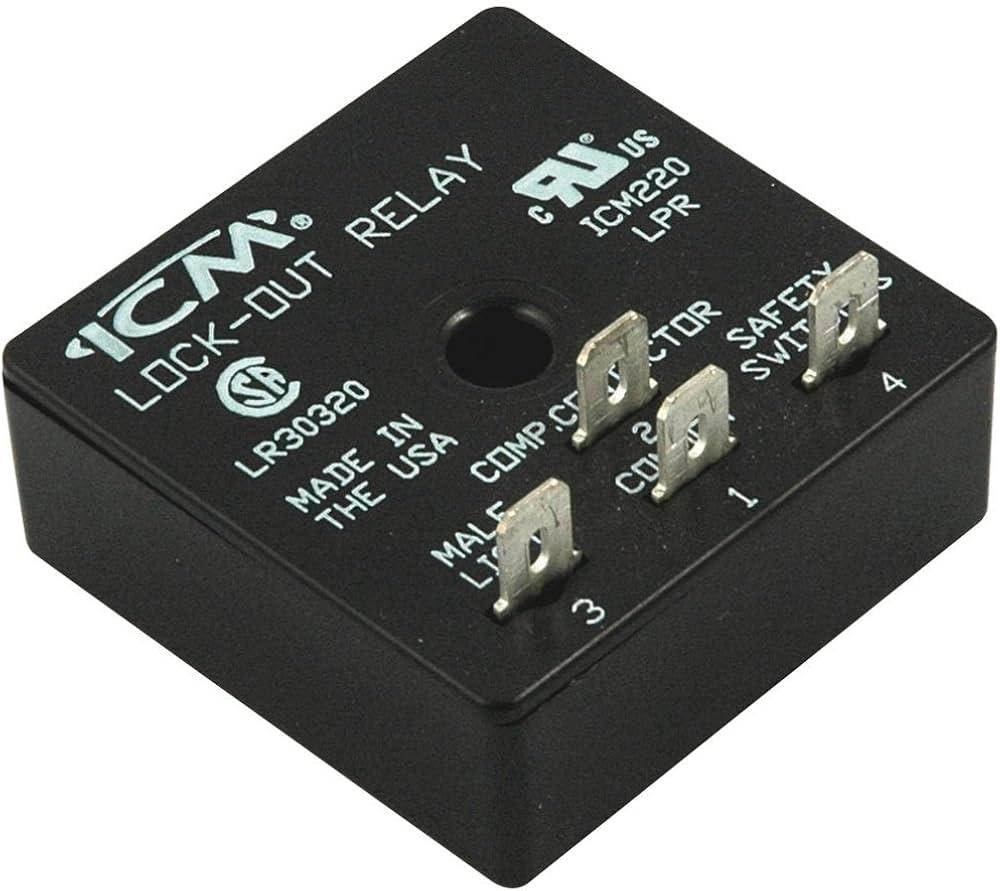
LOCK-OUT RELAYS
In an HVAC system, a lockout relay serves as a crucial safety device that disconnects the system or specific components in the event of a fault or malfunction, thereby preventing additional damage or hazards. It functions as a "master trip" or "latching" relay, which means that once it is tripped, it stays in that position until it is manually reset. This ensures that the system does not restart automatically until the problem has been resolved.
Learn More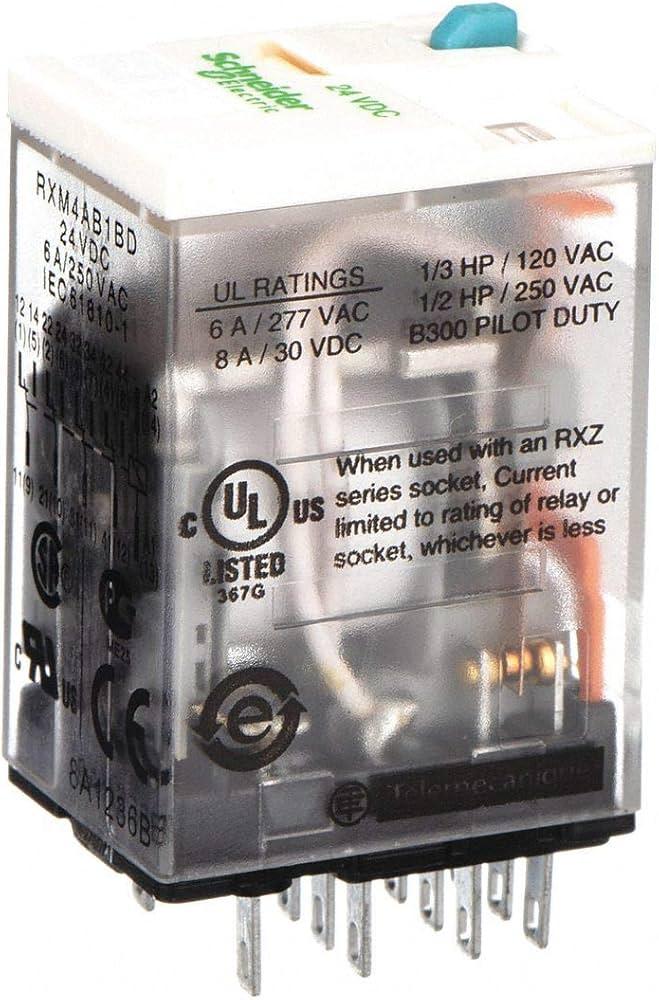
AUXILIARY RELAYS
In an HVAC system, auxiliary relays serve as supporting devices that help manage and coordinate the functions of other relays or devices. They are useful for amplifying signals, adding more contacts, or handling complex control logic without putting too much strain on the primary relay. Essentially, they act as intermediaries that improve the functionality and dependability of the control circuits within the system.
Learn More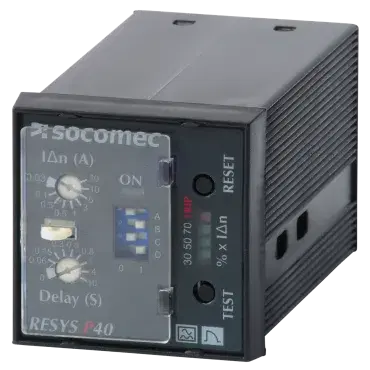
DIFFERENTIAL RELAYS
In HVAC systems, a differential relay is not directly associated with temperature or heating/cooling processes. Rather, it serves as a general term for a relay that compares two or more similar electrical quantities to identify faults. In the context of HVAC, it can protect components, such as motors, from internal issues by monitoring the incoming and outgoing currents.
Learn More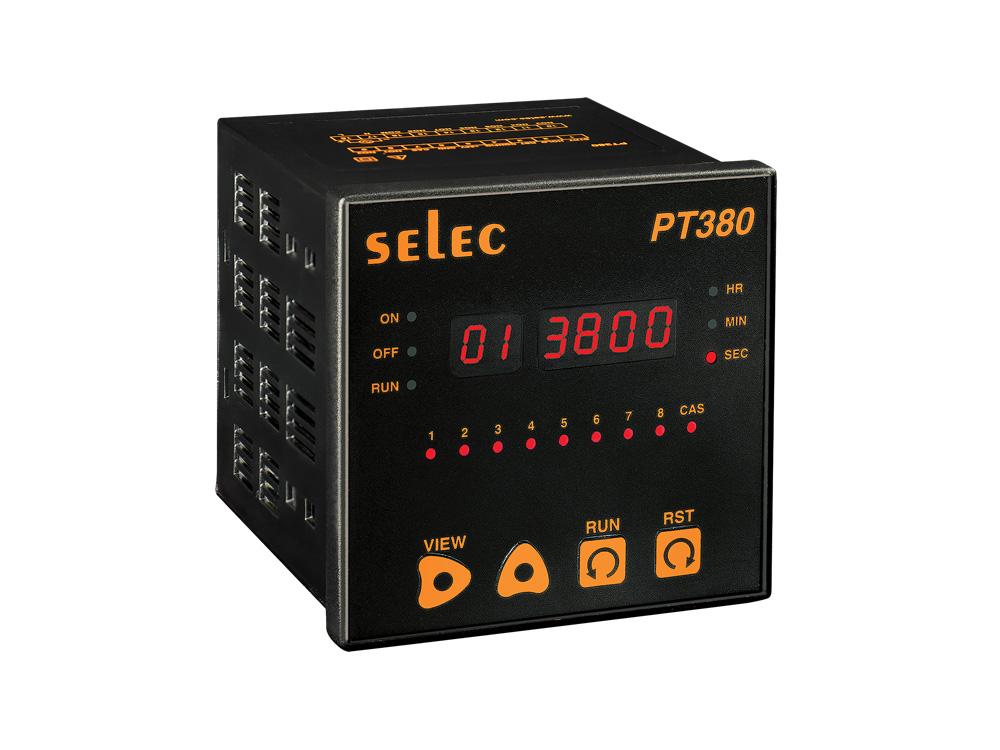
PROGRAMMING RELAYS
In HVAC systems, a programmable relay serves as a smart switch that can be configured to make decisions based on various inputs, such as temperature readings or sensor data. This compact device is capable of controlling multiple aspects of an HVAC system, including turning equipment on and off, adjusting fan speeds, and managing different stages of heating or cooling.
Learn More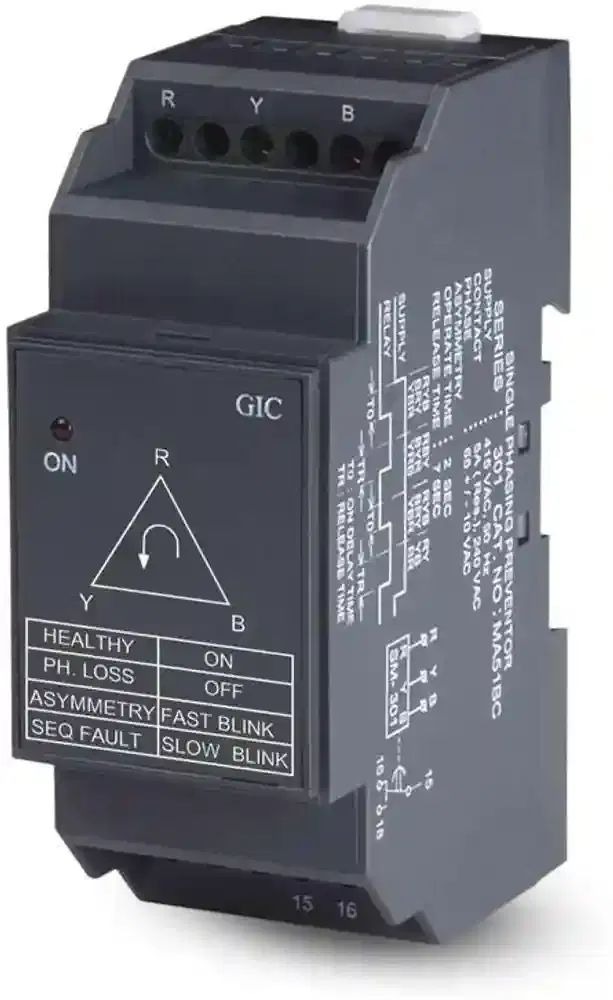
PROTECTIVE RELAYS
In an HVAC system, a protective relay serves as a crucial device that protects the system"s electrical components and equipment from potential damage or malfunction due to abnormal conditions.
Learn More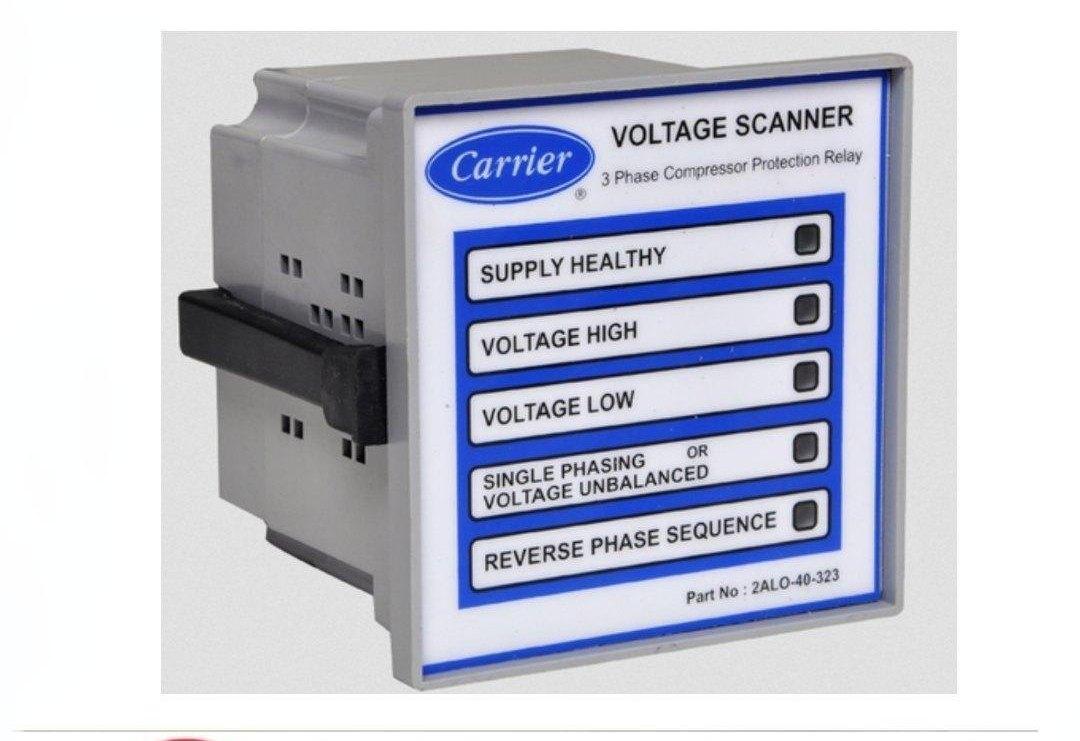
MONITORING RELAYS
In an HVAC system, a monitoring relay serves as a crucial device that protects the system"s electrical components and equipment from potential damage or malfunction due to abnormal conditions.
Learn More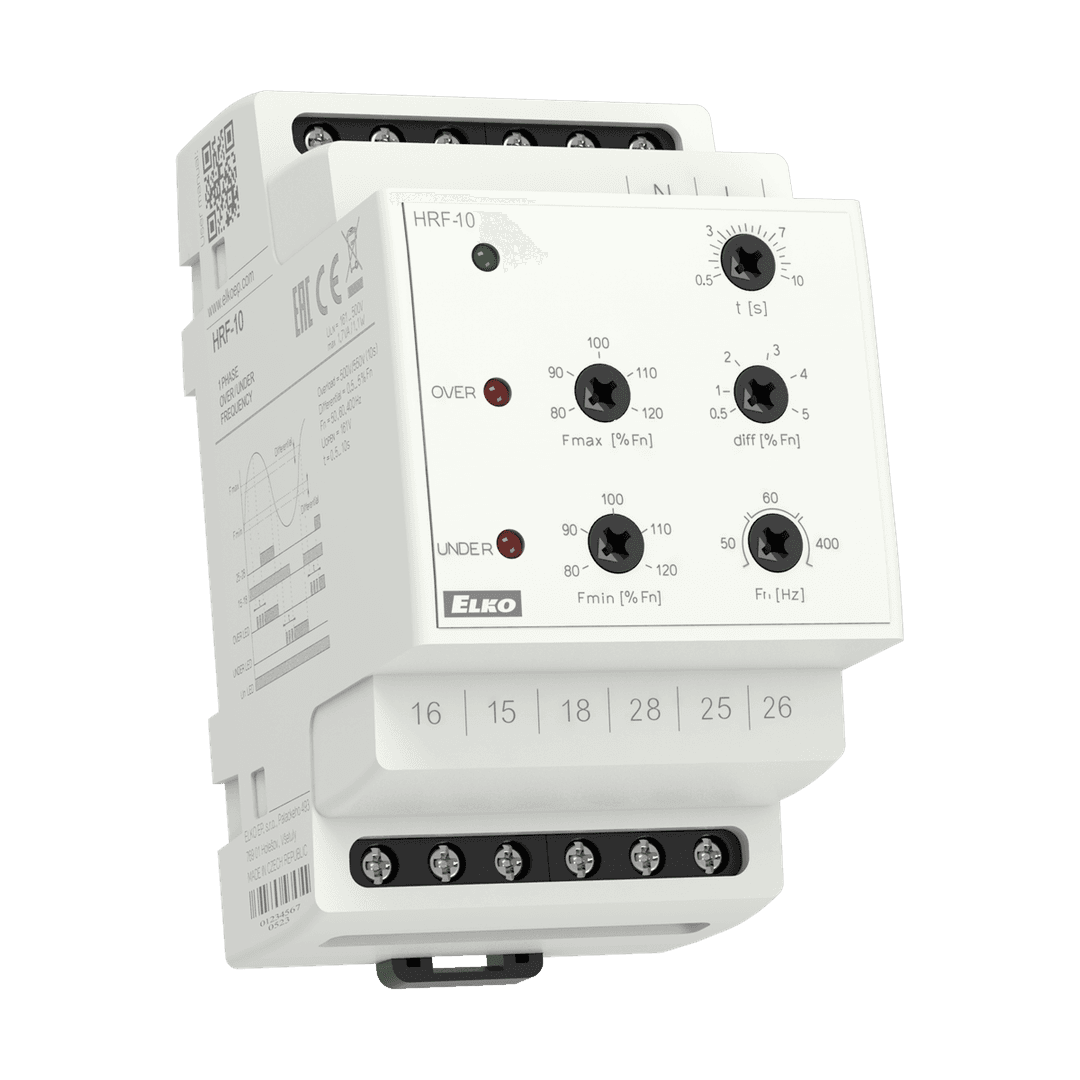
FREQUENCY RELAYS
In the realm of HVAC, the term "frequency relay" is not commonly used. Typically found in electrical power systems, frequency relays monitor the supply frequency and take action when it deviates from the standard range.
Learn More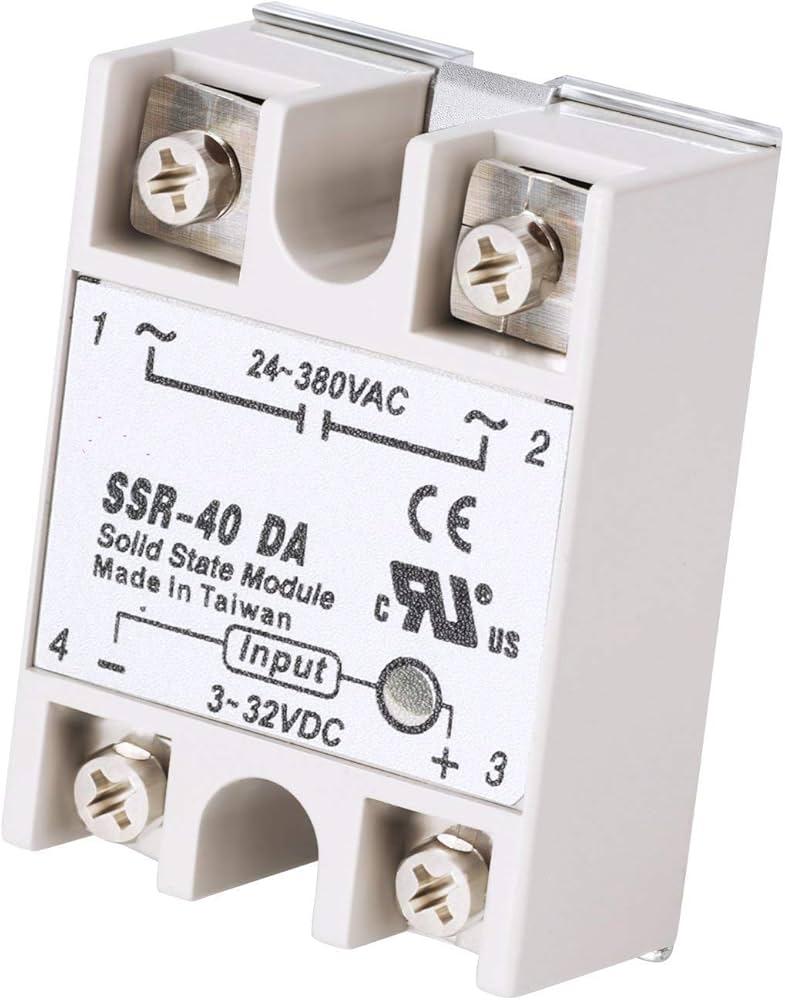
SOLID STATE RELAYS
In an HVAC system, a solid-state relay (SSR) is an electronic switching device that employs semiconductors, such as transistors or thyristors, to manage high-power loads like motors or heaters using a low-voltage control signal. Unlike conventional electromechanical relays, SSRs provide benefits such as quicker switching, extended lifespan, and the absence of moving parts.
Learn MoreFrequently Asked Questions
Who is Compress India, and what sets you apart?▼
Compress India has grown from humble beginnings into a respected leader in industrial HVAC and customized cooling solutions. With over 30 years of experience, we deliver turnkey systems, chillers, and bespoke services across diverse industries, underpinned by innovation, customer satisfaction, and trust.
What industries do you serve?▼
We’re proud to serve a wide range of sectors, including pharmaceuticals, healthcare, IT, telecommunications, logistics, warehousing, steel, textiles, chemicals, food processing, finance, and educational institutions—tailoring solutions to meet each industry's unique needs.
What services do you provide?▼
We offer end-to-end HVAC services, including system design, installation, turnkey project execution, chiller and VRV/VRF system solutions, ducting, fabrication, automation, electrical works, and industrial refrigeration. Whether it’s a small requirement or a large-scale project, we deliver reliable, energy-efficient, and cost-effective solutions.
Do you provide customized HVAC solutions?▼
Yes. Every client has different needs, and we specialize in offering tailored services—ranging from inspection and preventive maintenance to upgrades like insulation replacement, motor servicing, and specialized fabrication. Our customized approach ensures you get solutions that truly fit your operations.
What common AC problems do you address?▼
We handle issues like water leakage (caused by clogged drains or trays), poor airflow (due to dirty filters or fan faults), and cooling failures (caused by refrigerant leaks, outdoor unit problems, or electrical issues). Our expert technicians ensure quick, lasting fixes for all major and minor problems.
How can I reduce AC energy consumption?▼
We recommend regular servicing, using the timer function, keeping rooms sealed, and setting the temperature to 24 °C for maximum efficiency. Upgrading to inverter ACs with higher star ratings is also an effective long-term solution for reducing energy bills.
What is the lifespan of an AC system?▼
On average, centralized HVAC systems last 10–15 years, while room or split AC units run efficiently for 3–6 years under normal daily usage. With regular servicing and proper care, their lifespan can be extended.
How do you ensure quality in your HVAC projects?▼
Every project we undertake goes through strict quality checks at every stage—right from design to installation and maintenance. We use trusted brands, follow industry standards, and our team of skilled engineers ensures that the systems are safe, reliable, and long-lasting.
Do you provide consultation before starting a project?▼
Yes. We believe every client has unique requirements, so we offer detailed consultation and site inspections before starting any project. This helps us understand your needs better and design a solution that balances performance, cost-efficiency, and sustainability.
Can businesses upgrade their existing HVAC systems with you?▼
Absolutely. We specialize in retrofitting and upgrading older HVAC systems with the latest technology. Whether it’s energy-efficient chillers, modern ducting, or smart automation, we help businesses transition to advanced systems without disrupting ongoing operations.