Heat Recovery Units (HRU / ERV)
(Installation, Commissioning, Repair & Energy Recovery Ventilation Services)
Heat Recovery Units (HRU / ERV) – Engineering Execution & Field Services
Heat Recovery Units (HRU) and Energy Recovery Ventilators (ERV) recover thermal energy from exhaust air and transfer it to incoming fresh air, reducing the outdoor air load on the primary HVAC plant. This page covers our execution scope: selection support, installation, commissioning, performance verification, repair and annual maintenance.
For what the acronym means and how an HRU differs from an ERV or a TFA unit, see our heat recovery unit reference page.

Unlike standard fresh air units that directly condition outdoor air, HRU/ERV systems use heat exchange mechanisms to recover sensible and/or latent energy, thereby reducing the cooling or heating load on the primary HVAC system.
These systems are widely used in:
- Commercial office buildings
- IT parks
- Hospitals
- Hotels
- Educational institutions
- Industrial facilities
- Residential high-rise buildings
- Green building projects
HRU and ERV systems play a critical role in sustainable HVAC design, energy efficiency optimization, and compliance with green building standards.
Compress India provides complete engineering execution services for HRU and ERV systems including installation, commissioning, performance validation, repair, retrofitting, automation integration, preventive maintenance, and AMC services.
HRU / ERV Installation & Site Execution
We execute energy recovery ventilation systems with engineering precision.
Scope of work includes:
HRU / ERV unit installation
Heat exchanger core installation
Plate heat exchanger integration
Rotary wheel installation (if applicable)
Fresh air and exhaust duct fabrication
Multi-stage filtration installation
Condensate drain piping
Electrical wiring and motor termination
Control panel and sensor integration
Vibration isolation mounting
Engineering focus areas:
Outdoor air load calculation
Sensible heat recovery validation
Latent heat recovery estimation
Heat exchanger efficiency calculation
Static pressure estimation
Airflow balancing
Bypass damper logic configuration
Energy Recovery Mechanism & Design Logic
HRU / ERV systems operate using energy exchange between exhaust and fresh air streams.
Common Configurations
- Plate Heat Exchanger (Sensible Heat Recovery)
- Rotary Heat Wheel (Sensible + Latent Recovery)
- Run-Around Coil Systems
- Heat Pipe Systems
Design Considerations
- Outdoor and exhaust air temperature difference
- Sensible heat recovery efficiency (%)
- Latent heat recovery efficiency (%)
- Pressure drops across heat exchanger
- Cross-contamination control
- Condensate management
- Frost prevention strategy
Commissioning & Performance Validation
Proper commissioning ensures energy recovery performance meets design intent.
- Airflow CFM measurement
- Heat exchanger efficiency validation
- Temperature differential testing
- Humidity transfer verification (ERV systems)
- Static pressure testing
- Motor ampere load testing
- Bypass damper testing
- Control panel calibration
Performance Reports
Performance reports confirm heat recovery efficiency and energy savings potential.
Types of HRU / ERV Systems
We install and maintain:

Plate Type Heat Recovery Units
Learn More
Rotary Wheel HRU Systems
Learn More
Ceiling Suspended ERV Units
Learn More
Roof Mounted HRU Systems
Learn More
Modular Energy Recovery Units
Learn More
Industrial Heat Recovery Ventilation Systems
Learn MoreSystem selection depends on building design, fresh air load, energy efficiency targets, and climate conditions.
HRU / ERV Repair & Troubleshooting Services
We provide corrective services for:
- Reduced heat recovery efficiency
- Wheel motor failure (rotary systems)
- Plate heat exchanger clogging
- Air leakage between streams
- Excessive pressure drop
- Control panel malfunction
- Sensor failure
- Frosting issues
Root Cause Analysis
Root cause analysis ensures restoration of energy recovery performance.
Retrofitting & Energy Optimization
Existing fresh air systems can be upgraded with heat recovery modules.
- Addition of heat recovery cores
- Upgrade from plate to rotary systems
- Efficiency enhancement retrofits
- Control logic modernization
- BMS integration upgrade
- Energy performance improvement
Energy Cost Reduction
Retrofitting significantly reduces operational energy costs.
Automation & Smart Control Integration
Modern HRU / ERV systems integrate with automation platforms.
- Temperature and humidity sensor integration
- BMS integration
- Demand-controlled ventilation integration
- VFD integration
- Bypass damper automation
- Remote monitoring dashboards
Optimized Energy Performance
Automation ensures optimized energy performance and operational reliability.
Preventive Maintenance & AMC Services
Routine servicing ensures long-term energy recovery efficiency.
- Heat exchanger cleaning
- Rotary wheel inspection
- Filter replacement
- Drain cleaning
- Motor and bearing inspection
- Sensor calibration
- Electrical panel inspection
- Airflow performance verification
Customized AMC Plans
Customized Annual Maintenance Contracts (AMC) are structured for commercial and industrial buildings.
Energy Savings & Performance Improvement
Optimized HRU / ERV systems reduce HVAC energy load and improve sustainability.
- Heat recovery efficiency audit
- Airflow optimization study
- Pressure drop reduction
- Energy consumption benchmarking
- Performance tuning
Long-Term Cost Reduction
Energy recovery systems contribute to long-term operational cost reduction and improved building sustainability.
Connect with Our HVAC Engineering Team
For professional installation, commissioning, repair, retrofitting, automation integration, preventive maintenance, or AMC services for Heat Recovery Units (HRU / ERV), connect with our HVAC engineering team for energy-efficient fresh air solutions.
Related HVAC Systems & Engineering Services
Heat Recovery Units are closely associated with:

Treated Fresh Air Units (TFA)
Learn More
Primary Air Handling Units (PAU)
Learn More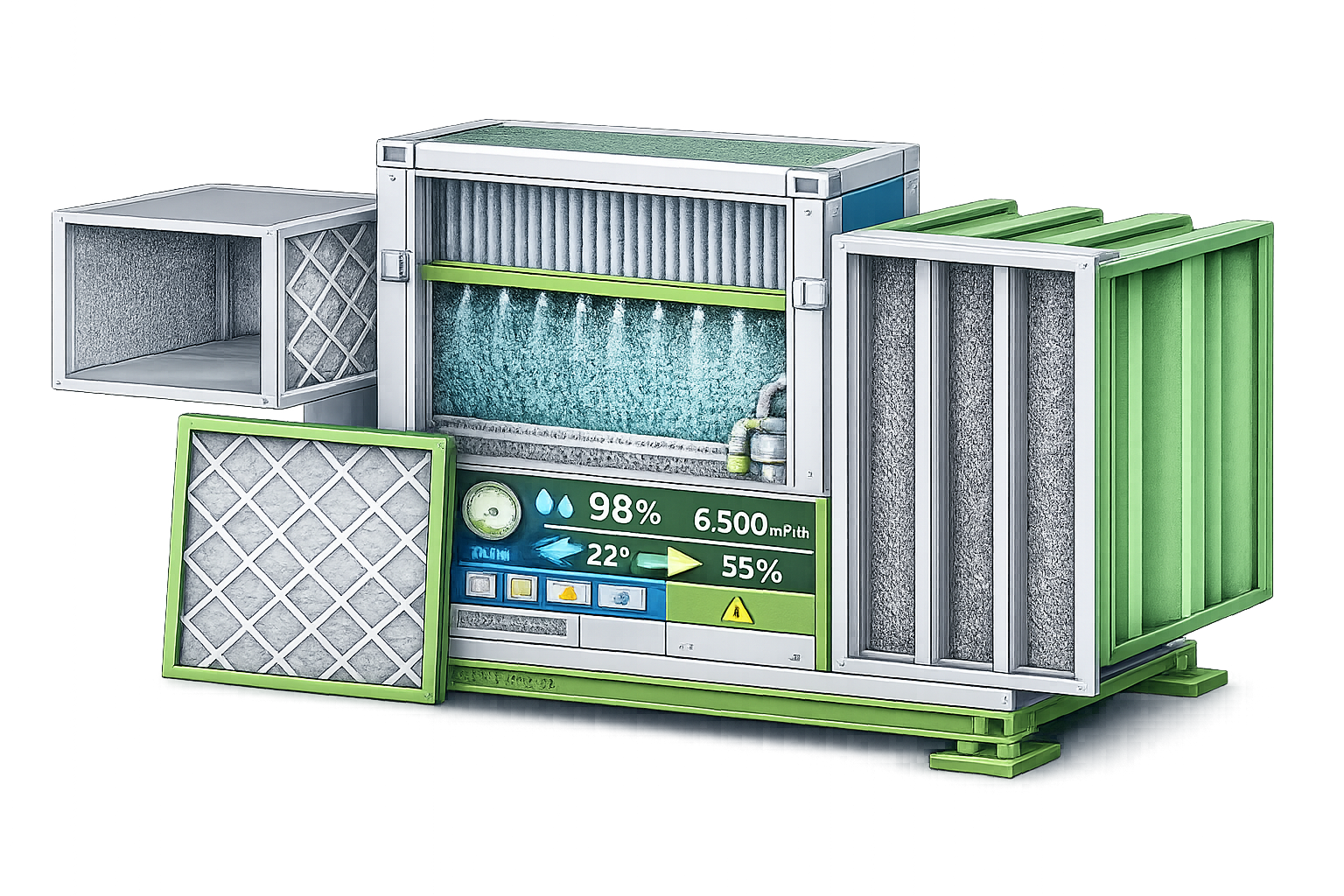
Filtration & Air Cleaning Systems
Learn More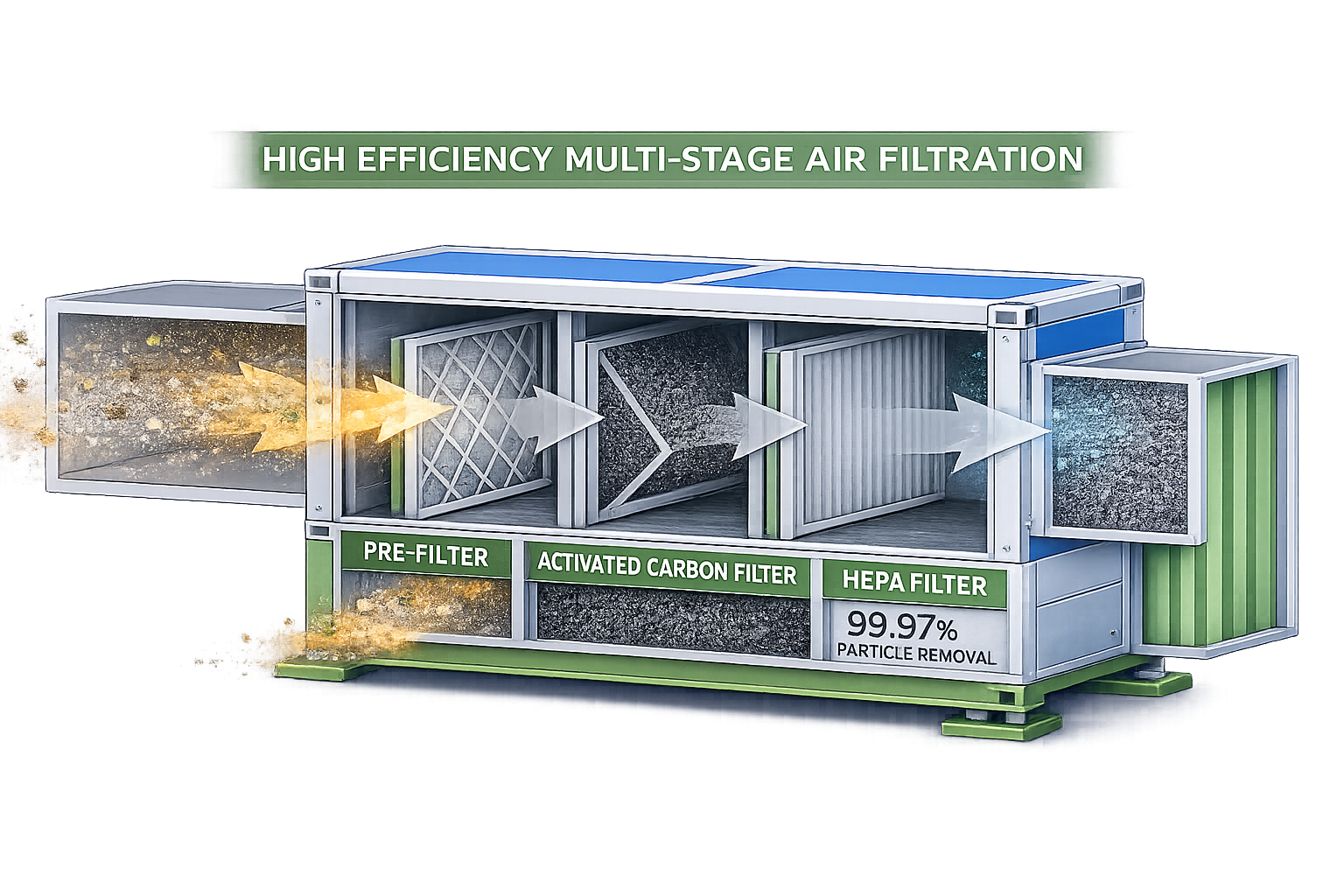
Hygienic & Process Fresh Air Systems
Learn More
Comfort Ventilation Systems
Learn More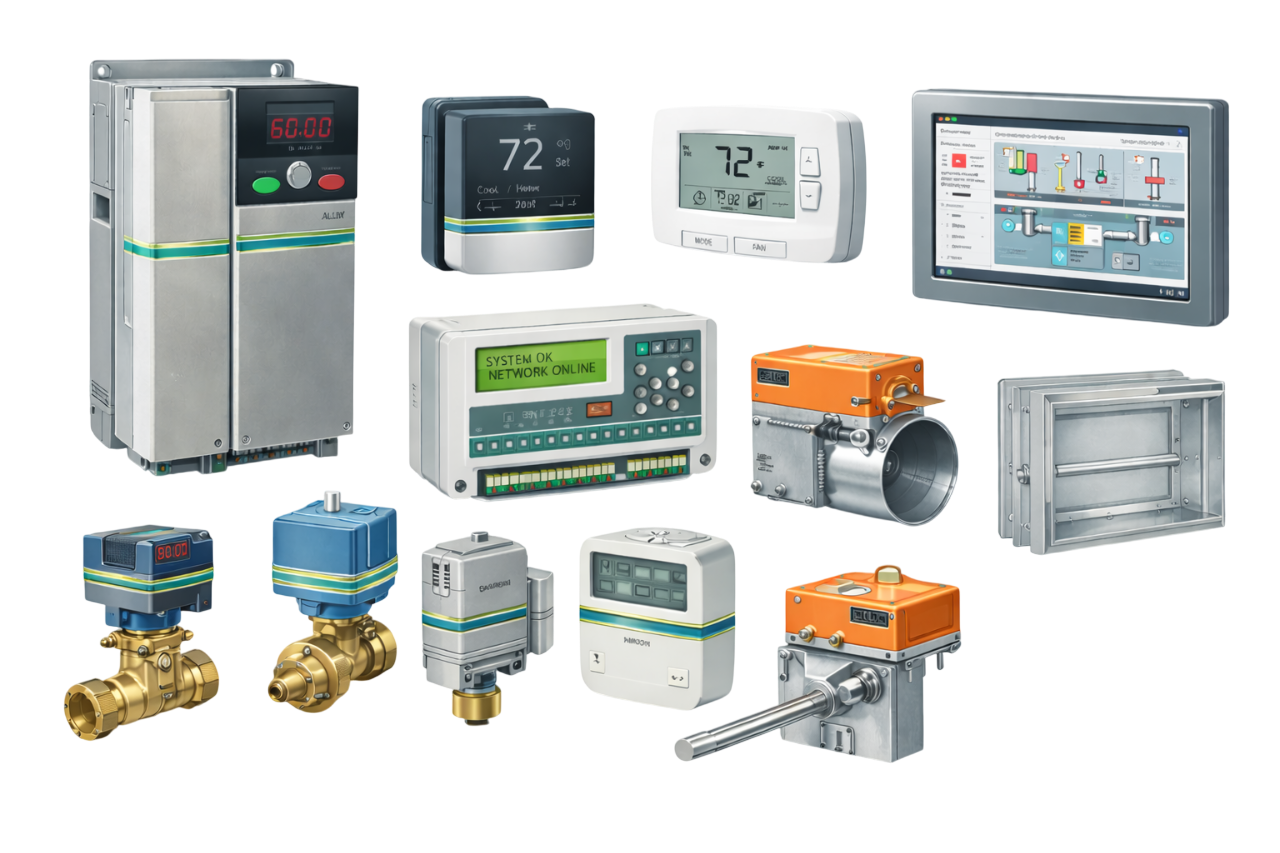
HVAC Automation & Instrumentation
Learn MoreFrequently Asked Questions
What are Heat Recovery Units (HRU) and Energy Recovery Ventilators (ERV)?
Heat Recovery Units (HRU) and Energy Recovery Ventilators (ERV) are advanced fresh air systems designed to recover thermal energy from exhaust air and transfer it to incoming fresh air. These systems significantly reduce HVAC energy consumption while maintaining controlled indoor air conditions.
What types of HRU/ERV systems do you install?
We install and maintain Plate Type Heat Recovery Units, Rotary Wheel ERV Systems, Ceiling Suspended HRU Units, Roof Mounted ERV Systems, Modular Energy Recovery Units, and Industrial Heat Recovery Ventilation Systems. System selection depends on building design, fresh air load, energy efficiency targets, and climate conditions.
Do you provide AMC for HRU/ERV systems?
Yes, we offer comprehensive Annual Maintenance Contracts (AMC) for HRU/ERV systems including heat exchanger cleaning, rotary wheel inspection, filter replacement, drain cleaning, motor and bearing inspection, sensor calibration, electrical panel inspection, and airflow performance verification. Customized AMC plans are structured for commercial and industrial buildings.
What causes HRU/ERV system failure?
Common causes include reduced heat recovery efficiency, wheel motor failure (rotary systems), plate heat exchanger clogging, air leakage between streams, excessive pressure drop, control panel malfunction, sensor failure, and frosting issues. We provide rapid corrective maintenance with root cause analysis to restore energy recovery performance.
What does HRU/ERV installation include?
Our installation includes HRU/ERV unit installation, heat exchanger core installation, plate heat exchanger integration, rotary wheel installation, fresh air and exhaust duct fabrication, multi-stage filtration installation, condensate drain piping, electrical wiring and motor termination, control panel and sensor integration, and vibration isolation mounting.
How do HRU and ERV systems work?
HRU/ERV systems operate using energy exchange between exhaust and fresh air streams through various mechanisms including Plate Heat Exchangers (Sensible Heat Recovery), Rotary Heat Wheels (Sensible + Latent Recovery), Run-Around Coil Systems, and Heat Pipe Systems. Design considerations include temperature differential, sensible and latent heat recovery efficiency, pressure drops, cross-contamination control, and frost prevention.
Can existing ventilation systems be retrofitted with heat recovery?
Yes, we execute retrofitting services including addition of heat recovery cores, upgrade from plate to rotary systems, efficiency enhancement retrofits, control logic modernization, BMS integration upgrade, and energy performance improvement. Retrofitting significantly reduces operational energy costs.
How are HRU/ERV systems integrated with automation?
We provide temperature and humidity sensor integration, BMS integration, demand-controlled ventilation integration, VFD integration, bypass damper automation, and remote monitoring dashboards. Automation ensures optimized energy performance and operational reliability.
How much energy can HRU/ERV systems save?
HRU/ERV systems can recover 60-80% of energy from exhaust air, significantly reducing HVAC energy consumption. We conduct heat recovery efficiency audits, airflow optimization studies, pressure drop reduction, energy consumption benchmarking, and performance tuning to maximize energy savings.
What industries benefit most from HRU/ERV systems?
HRU/ERV systems are widely used in commercial office buildings, IT parks, hospitals, hotels, educational institutions, industrial facilities, residential high-rise buildings, and green building projects. These systems play a critical role in sustainable HVAC design, energy efficiency optimization, and compliance with green building standards.