Primary Air Handling Units (PAU)
(Installation, Commissioning, Repair & Centralized Fresh Air Treatment Services)
Primary Air Handling Units (PAU) – Engineering Execution & Field Services
Primary Air Handling Units (PAU) are centralized air treatment systems designed to handle and condition 100% fresh outdoor air before distributing it to multiple zones or integrating with terminal cooling units such as FCUs, VRF indoor units, or AHUs.

Unlike Treated Fresh Air Units (TFA), which are often standalone units serving defined areas, PAUs are typically larger-capacity systems integrated into centralized HVAC infrastructure to manage high fresh air volumes with precise temperature and humidity control.
PAUs are commonly installed in:
- Commercial office buildings
- IT parks
- Shopping malls
- Hospitals
- Airports
- Hotels
- Industrial facilities
- Institutional buildings
These systems ensure:
- Centralized fresh air treatment
- Controlled humidity levels
- Multi-stage air filtration
- Pressure management
- Reduced latent load on terminal cooling systems
Compress India provides complete engineering execution services for Primary Air Handling Units including installation, commissioning, airflow validation, psychrometric performance testing, repair, retrofitting, automation integration, preventive maintenance, and AMC services.
PAU Installation & Site Execution
We execute large-capacity fresh air handling systems with engineering precision.
Scope of work includes:
PAU unit placement and alignment
Cooling coil integration (DX or chilled water)
Pre-cooling and dehumidification coil installation
Multi-stage filtration (Pre / Fine / HEPA if required)
Mixing box installation
Fresh air intake louvers
Drain tray and condensate piping
Duct fabrication and distribution
Acoustic lining installation
Electrical panel wiring and motor termination
Control panel and sensor integration
Vibration isolation mounting
Engineering focus areas:
Outdoor air load calculation
Sensible and latent heat estimation
Coil capacity validation
Static pressure estimation
Supply air temperature design
Relative humidity target setting
Airflow zoning logic
Psychrometric Control & Dehumidification Logic
PAUs are designed to manage high latent loads in centralized HVAC systems.
Process Includes
- Cooling outdoor air below dew point temperature
- Condensate removal for humidity control
- Optional reheat to maintain supply temperature
- Controlled delivery to terminal cooling units
Design Considerations
- Inlet outdoor air DB/WB conditions
- Coil apparatus dew point
- Target supply air temperature
- Target relative humidity
- Integration with terminal units
- Reheat strategy design
Benefits of Proper Psychrometric Design
Reduced humidity inside occupied spaces, prevention of condensation on terminal units, and stable indoor comfort conditions.
Commissioning & Performance Validation
Proper commissioning ensures PAU performance matches design intent.
- Airflow CFM measurement
- Coil temperature differential verification
- Relative humidity validation
- Static pressure testing
- Motor ampere and load testing
- Drainage testing
- Filter integrity verification
- Sensor calibration (temperature & humidity)
- BMS communication testing
Commissioning Reports
Detailed commissioning reports confirm system efficiency and performance compliance.
Types of Primary Air Handling Units – (PAU)
We install and maintain:

DX Based Primary Air Handling Units
Learn More
Chilled Water Based PAU Systems
Learn More
Modular PAU Units
Learn More
High Static Pressure PAUs
Learn More
Low Temperature Dehumidification PAUs
Learn More
Roof Mounted PAU Units
Learn MoreSystem selection depends on building size, HVAC integration strategy, and humidity control requirements.
PAU Repair & Troubleshooting Services
We provide rapid corrective services for:
- Insufficient dehumidification
- High indoor humidity complaints
- Coil performance issues
- Low airflow
- Fan motor failure
- Drain overflow problems
- Sensor malfunction
- Refrigerant leakage (DX systems)
- Control panel faults
Root Cause Analysis
Root cause analysis ensures restoration of centralized fresh air performance.
Retrofitting & System Upgradation
Existing centralized HVAC systems often require PAU modernization.
- Coil capacity upgrades
- Filtration stage enhancement
- Addition of HEPA filtration
- Reheat module installation
- Energy-efficient fan retrofitting
- Control logic modernization
- BMS integration upgrade
System Enhancement
Retrofitting improves humidity control, filtration quality, and system efficiency.
Automation & Smart Control Integration
Modern PAUs integrate with centralized building automation systems.
- Temperature and humidity sensor integration
- BMS integration
- Demand-based fresh air modulation
- VFD integration
- Remote monitoring dashboards
- Alarm and fault indication systems
Optimized Performance
Automation ensures stable performance and optimized energy consumption.
Preventive Maintenance & AMC Services
Routine servicing ensures long-term humidity control and filtration performance.
- Coil cleaning
- Filter replacement
- Drain line cleaning
- Sensor calibration
- Refrigerant pressure inspection (DX systems)
- Electrical panel inspection
- Airflow performance verification
- Insulation inspection
Customized AMC Plans
Customized Annual Maintenance Contracts (AMC) are structured for commercial and institutional buildings.
Energy Optimization & Performance Improvement
Optimized PAU systems reduce HVAC load and operational cost.
- Coil efficiency analysis
- Static pressure optimization
- Airflow redistribution study
- VFD tuning
- Energy consumption audit
- Psychrometric performance benchmarking
Energy-Efficient Operation
Energy optimization ensures humidity control with reduced energy usage.
Connect with Our HVAC Engineering Team
For professional installation, commissioning, repair, retrofitting, automation integration, preventive maintenance, or AMC services for Primary Air Handling Units (PAU), connect with our HVAC engineering team for centralized fresh air treatment solutions.
Related HVAC Systems & Engineering Services
Primary Air Handling Units are closely associated with:

Treated Fresh Air Units (TFA)
Learn More
Heat Recovery Units (HRU / ERV)
Learn More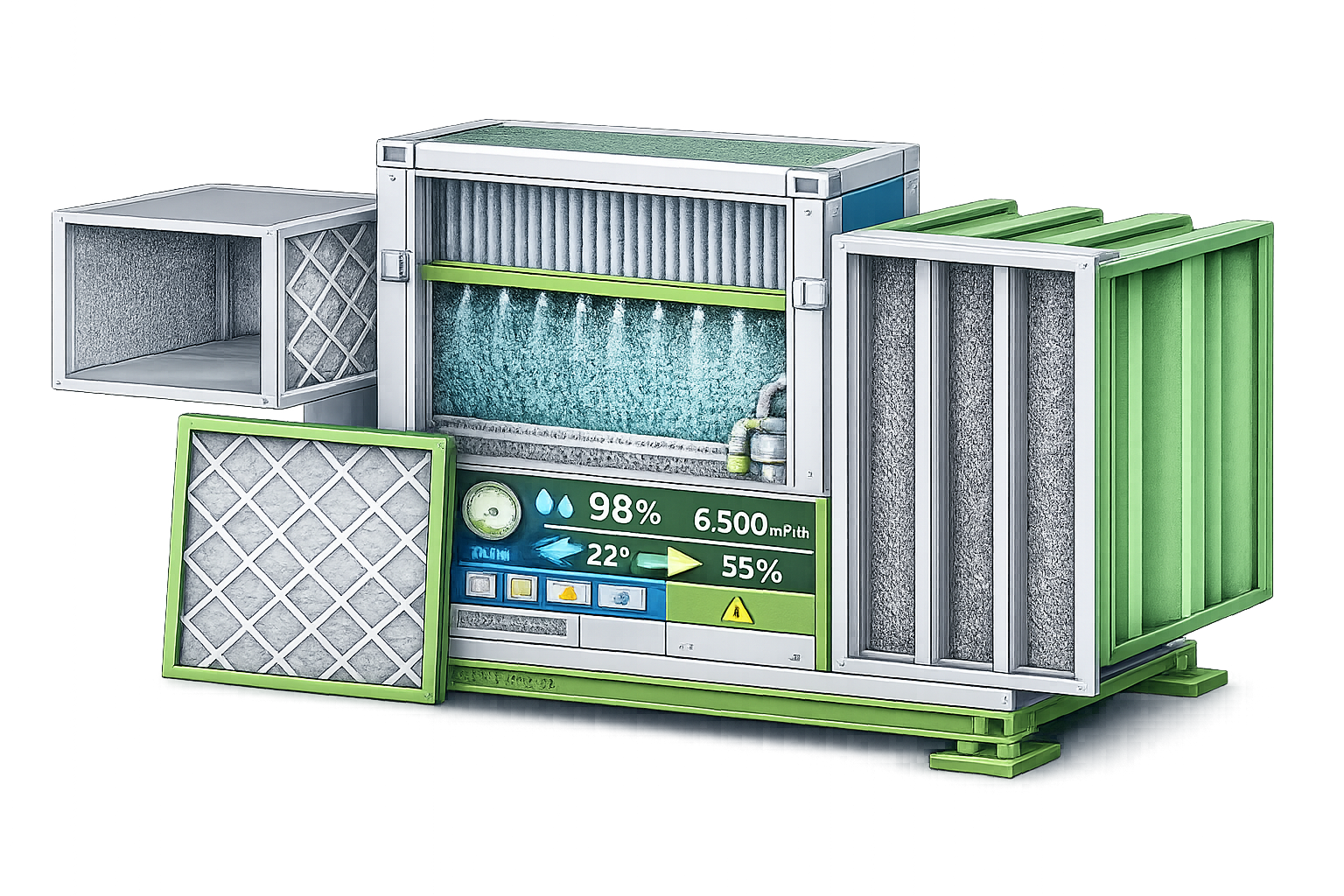
Filtration & Air Cleaning Systems
Learn MoreHygienic & Process Fresh Air Systems
Learn More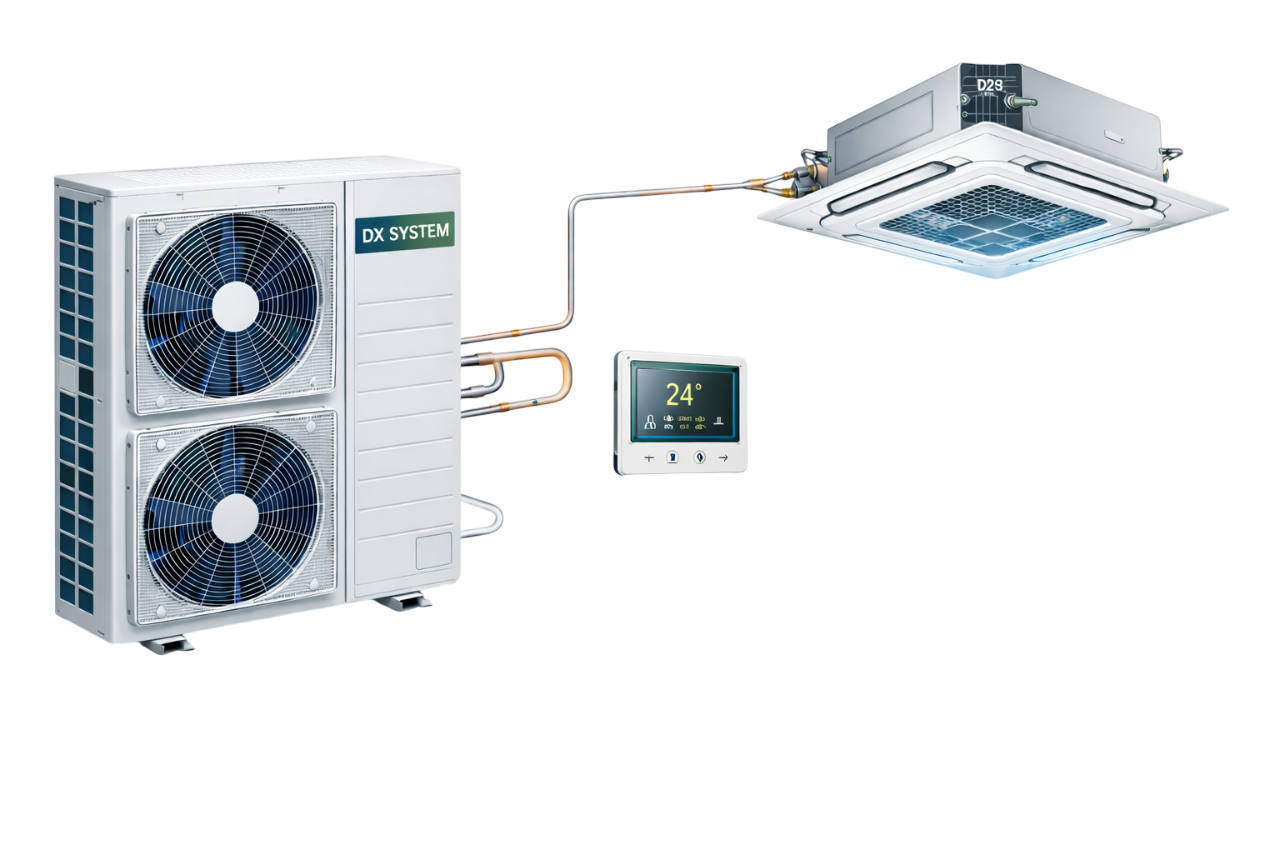
DX Air Conditioning Systems
Learn More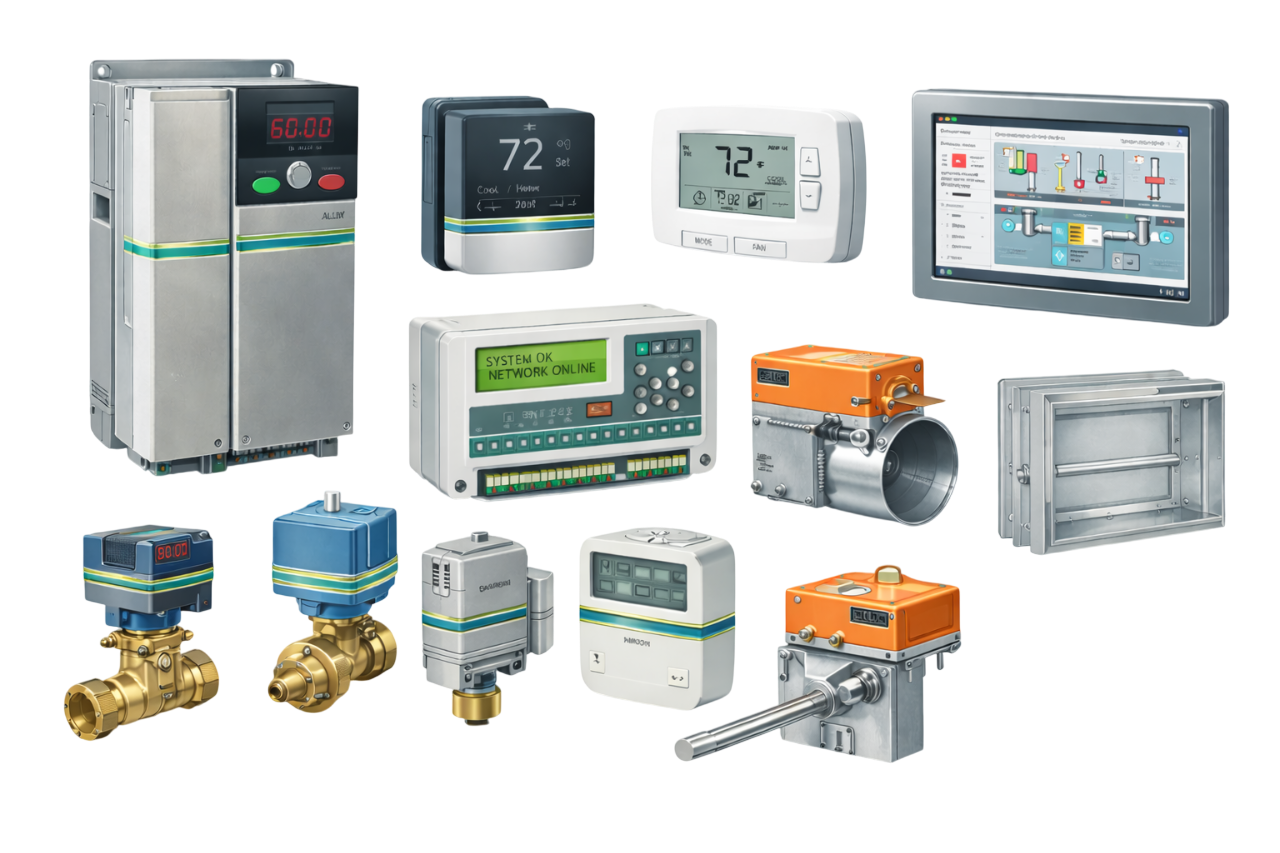
HVAC Automation & Instrumentation
Learn More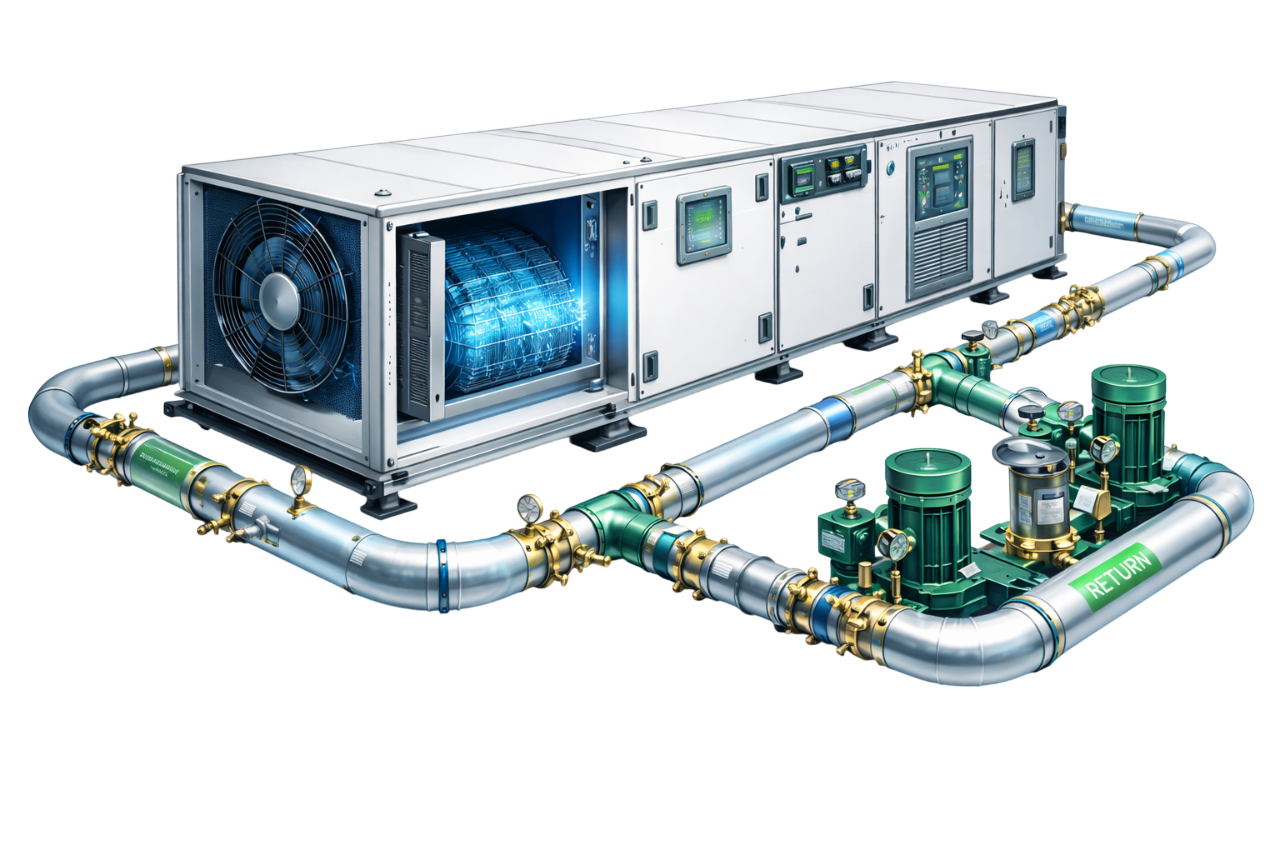
Hydronic Air Conditioning Systems
Learn MoreFrequently Asked Questions
What are Primary Air Handling Units (PAU)?
Primary Air Handling Units (PAU) are centralized air treatment systems designed to handle and condition 100% fresh outdoor air before distributing it to multiple zones or integrating with terminal cooling units such as FCUs, VRF indoor units, or AHUs. Unlike TFA units, PAUs are larger-capacity systems integrated into centralized HVAC infrastructure to manage high fresh air volumes with precise temperature and humidity control.
Where are PAU systems commonly installed?
PAUs are commonly installed in commercial office buildings, IT parks, shopping malls, hospitals, airports, hotels, industrial facilities, and institutional buildings. These systems ensure centralized fresh air treatment, controlled humidity levels, multi-stage air filtration, pressure management, and reduced latent load on terminal cooling systems.
What is the difference between PAU and TFA?
Unlike Treated Fresh Air Units (TFA), which are often standalone units serving defined areas, PAUs are typically larger-capacity systems integrated into centralized HVAC infrastructure. PAUs manage high fresh air volumes with precise temperature and humidity control, while TFAs are more localized in their application.
What causes PAU system failure?
Common causes include insufficient dehumidification, high indoor humidity complaints, coil performance issues, low airflow, fan motor failure, drain overflow problems, sensor malfunction, refrigerant leakage (DX systems), and control panel faults. We provide rapid corrective maintenance with root cause analysis to restore centralized fresh air performance.
What does PAU installation include?
Our installation includes PAU unit placement and alignment, cooling coil integration (DX or chilled water), pre-cooling and dehumidification coil installation, multi-stage filtration, mixing box installation, fresh air intake louvers, drain tray and condensate piping, duct fabrication and distribution, acoustic lining installation, electrical panel wiring, control panel and sensor integration, and vibration isolation mounting.
What types of PAU systems do you install?
We install and maintain DX Based Primary Air Handling Units, Chilled Water Based PAU Systems, Modular PAU Units, High Static Pressure PAUs, Low Temperature Dehumidification PAUs, and Roof Mounted PAU Units. System selection depends on building size, HVAC integration strategy, and humidity control requirements.
Can existing HVAC systems be upgraded with modern PAU?
Yes, we execute retrofitting services including coil capacity upgrades, filtration stage enhancement, addition of HEPA filtration, reheat module installation, energy-efficient fan retrofitting, control logic modernization, and BMS integration upgrade. Retrofitting improves humidity control, filtration quality, and system efficiency.
How are PAU systems integrated with automation?
We provide temperature and humidity sensor integration, BMS integration, demand-based fresh air modulation, VFD integration, remote monitoring dashboards, and alarm and fault indication systems. Automation ensures stable performance and optimized energy consumption.
What maintenance is required for PAU systems?
Our AMC and maintenance services include coil cleaning, filter replacement, drain line cleaning, sensor calibration, refrigerant pressure inspection (DX systems), electrical panel inspection, airflow performance verification, and insulation inspection. Customized AMC plans are structured for commercial and institutional buildings.
How is dehumidification achieved in PAU systems?
PAUs achieve dehumidification by cooling outdoor air below dew point temperature, removing condensate for humidity control, with optional reheat to maintain supply temperature. Design considerations include inlet outdoor air conditions, coil apparatus dew point, target supply air temperature, and target relative humidity. This ensures reduced humidity in occupied spaces and prevents condensation on terminal units.