Balancing Valves & PICVs
(Installation, Commissioning, Calibration & Lifecycle Flow Control Services)
Balancing Valves & PICVs – Engineering Execution & Field Services
Balancing Valves and Pressure Independent Control Valves (PICVs) are critical components in hydronic chilled water and hot water distribution systems. They ensure accurate flow regulation, pressure stability, and proper thermal performance across AHUs, FCUs, heat exchangers, and process cooling equipment.
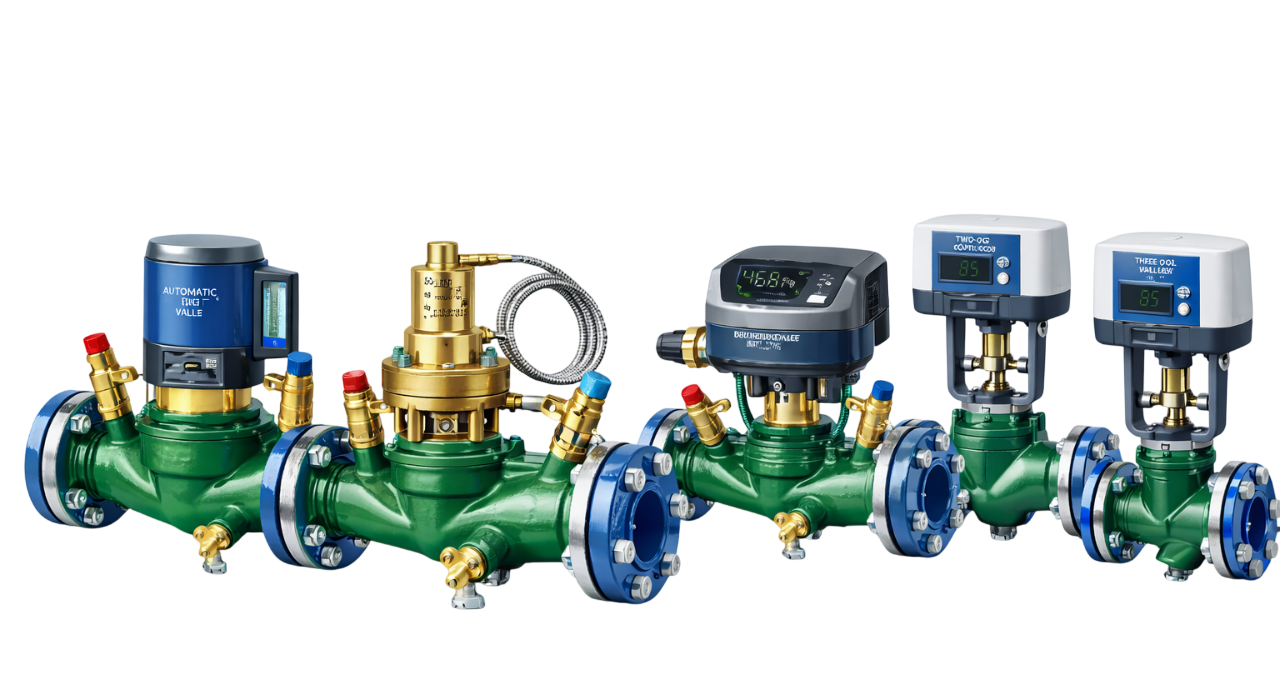
Improper balancing leads to uneven cooling/heating, low delta-T syndrome, excessive pump energy consumption, and occupant discomfort. Precision installation, calibration, and commissioning of balancing devices are essential to maintain hydraulic equilibrium within Variable Flow Hydronic Systems and Constant Flow Hydronic Systems.
Compress India provides specialized engineering services for installation, commissioning, calibration, repair, retrofitting, testing, and AMC support for balancing valves and PICVs across commercial, industrial, pharmaceutical, healthcare, hospitality, and institutional HVAC systems.
Our approach ensures accurate flow control, optimized energy performance, and long-term hydronic stability.
Compress India ensures precision-driven flow control execution and lifecycle support for hydronic distribution networks including Two-Pipe & Four-Pipe Hydronic Networks and instrumented validation using Flow Meters & Hydronic Instruments.
Balancing Valve & PICV Installation Services
We provide professional installation and hydronic integration services including:
Static balancing valve installation
Dynamic balancing valve installation
Pressure Independent Control Valve (PICV) installation
Control valve actuator mounting and alignment
Differential pressure regulator installation
Flow direction verification and tagging
Valve positioning as per hydraulic design
Integration with supply and return piping
Insulation finishing and accessibility compliance
Engineering focus areas:
Correct Cv/Kv selection based on design flow
Pressure drop validation
Proper upstream and downstream pipe length compliance
Ensuring minimum and maximum operating pressure limits
Precision installation and hydraulic integration of balancing valves and PICVs is essential for stable differential pressure, accurate coil flow, and reliable temperature control across zones.
Commissioning & Flow Calibration Services
Accurate commissioning ensures flow rates match design intent.
- Flow measurement using calibrated instruments
- Valve presetting and adjustment
- Differential pressure measurement
- PICV stroke testing and modulation verification
- Control signal validation
- System balancing across multiple branches
- Delta-T performance validation
Commissioning Deliverables
We provide detailed balancing reports including actual flow readings and valve position documentation.
Types of Balancing & Flow Control Valves
We execute and service a comprehensive range of balancing and flow control valves for optimal hydronic performance.

Manual Static Balancing Valves
Learn More
Automatic Dynamic Balancing Valves
Learn More-Photoroom.png)
Pressure Independent Control Valves (PICVs)
Learn More
Differential Pressure Control Valves
Learn More
Two-Way Control Valves
Learn More
Three-Way Control Valves
Learn MoreTroubleshooting & Repair Services
We provide corrective maintenance and breakdown support for:
- Flow imbalance complaints
- Valve actuator failure
- Sticking or seized valve stems
- Inaccurate flow measurement
- Control signal malfunction
- Pressure fluctuation issues
- Leakage from valve body or joints
Root cause analysis
Root cause analysis is conducted to restore correct hydraulic balance and temperature performance.
Retrofitting & System Upgradation
Older hydronic systems often lack proper flow control devices.
- Replacement of manual valves with PICVs
- Upgrading static valves to dynamic balancing valves
- Installation of differential pressure controllers
- Valve resizing based on recalculated flow
- Control actuator modernization
- Integration with building automation systems
Retrofitting impact
Retrofitting improves zone-level control, reduces pumping energy, and enhances overall HVAC efficiency.
Automation & Control Integration
Balancing valves and PICVs are integrated with intelligent HVAC control systems.
- BMS integration of control valves
- Actuator wiring and control loop setup
- Differential pressure sensor coordination
- Control logic configuration
- Remote monitoring and alarm configuration
- Energy optimization through valve modulation control
Automation outcome
Proper automation ensures stable zone temperatures and prevents over-pumping.
Preventive Maintenance & AMC Services
Routine maintenance ensures long-term valve performance.
- Valve operation inspection
- Actuator functionality testing
- Flow verification and recalibration
- Leakage inspection
- Stem lubrication (where applicable)
- Pressure drops monitoring
- Seasonal performance review
AMC coverage
Customized AMC contracts are structured for commercial and industrial hydronic systems to ensure continuous and balanced HVAC operation.
Energy Optimization & Performance Enhancement
Properly balanced hydronic systems significantly reduce energy consumption.
- Flow optimization studies
- Delta-T improvement analysis
- Pump load reduction strategy
- Control valve modulation refinement
- Pressure stabilization studies
- System performance audit
Optimization impact
Optimized balancing reduces chiller load, pump energy usage, and operational costs while improving long-term hydronic stability.
Connect with Our Hydronic Engineering Team
For professional installation, commissioning, calibration, repair, retrofitting, automation integration, preventive maintenance, or AMC services for Balancing Valves & PICVs, connect with our HVAC engineering team for precision-driven hydronic execution support.
Related HVAC Systems & Engineering Services
Balancing Valves & PICVs are directly associated with:
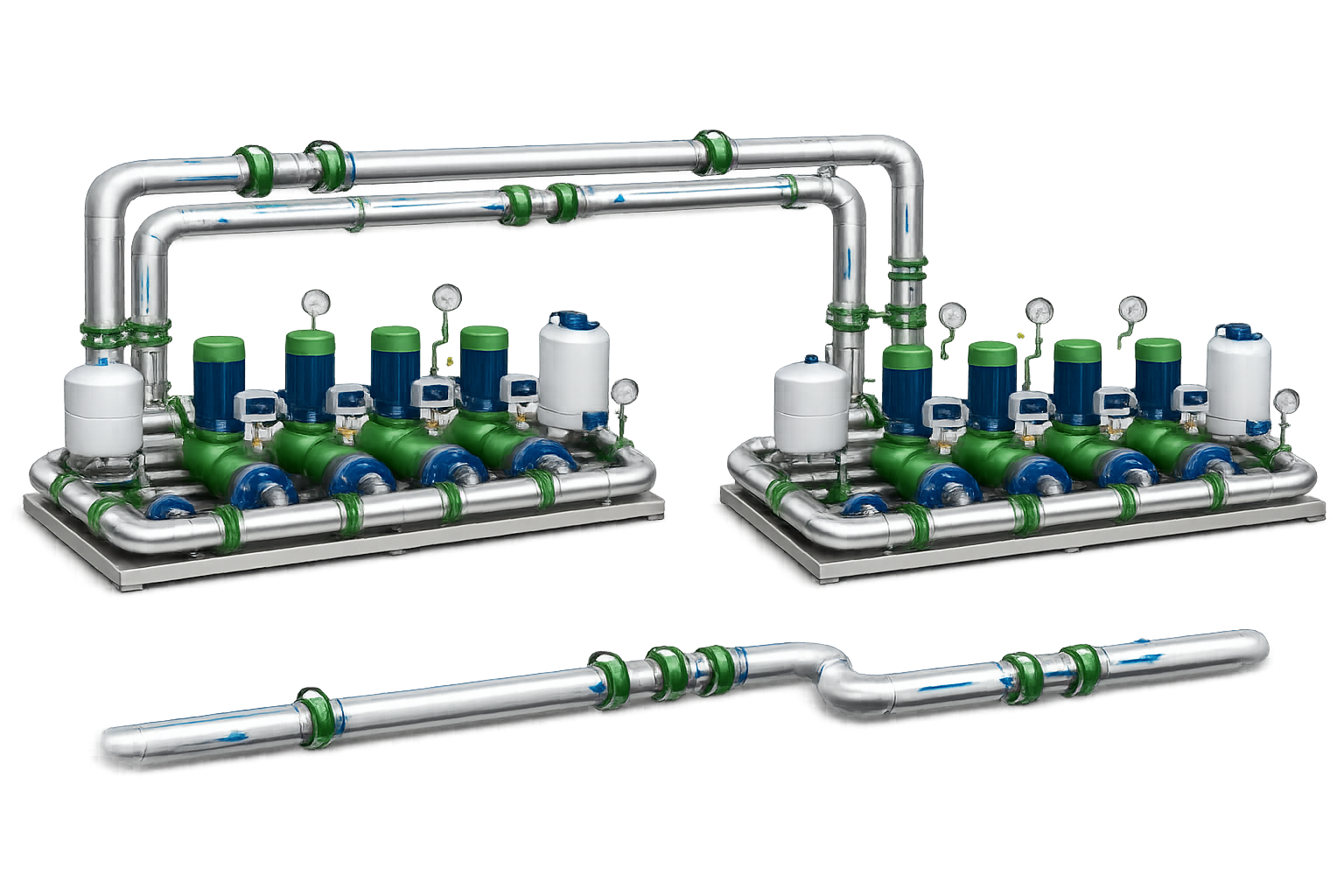
Primary–Secondary Pumping Systems
Learn More
Variable Flow Hydronic Systems
Learn More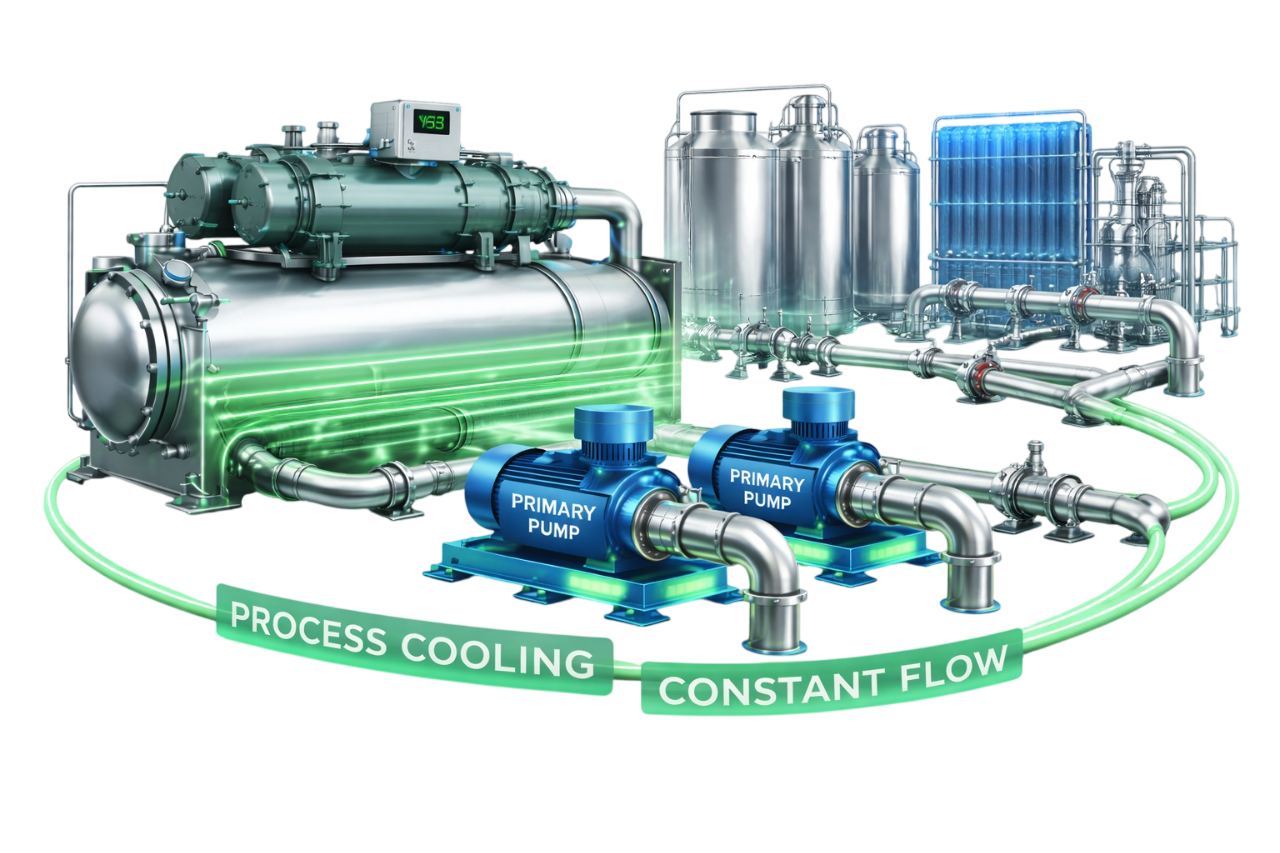
Constant Flow Hydronic Systems
Learn More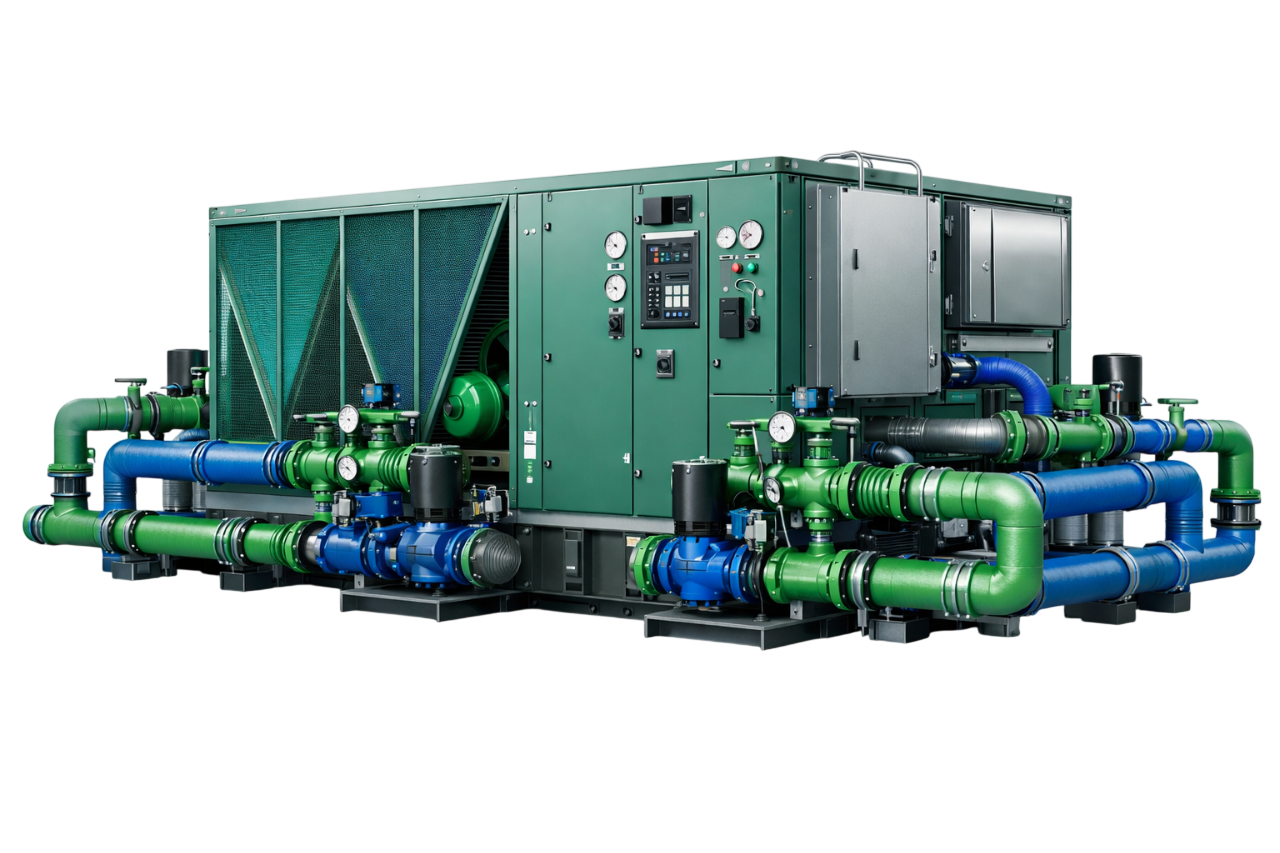
Two-Pipe & Four-Pipe Hydronic Networks
Learn More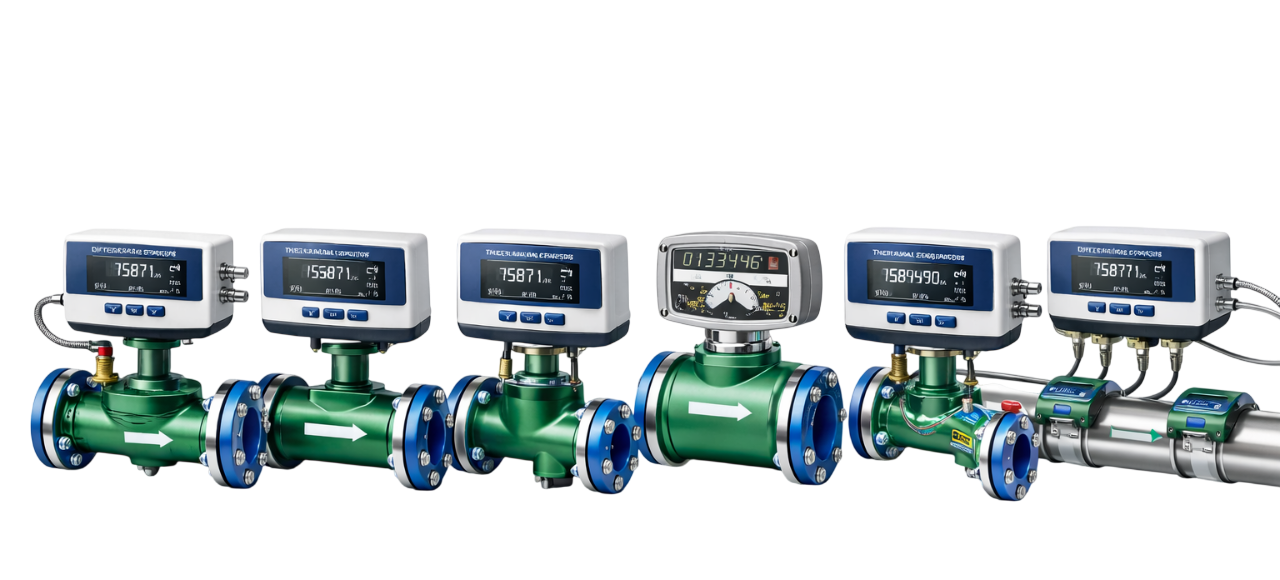
Flow Meters & Hydronic Instruments
Learn More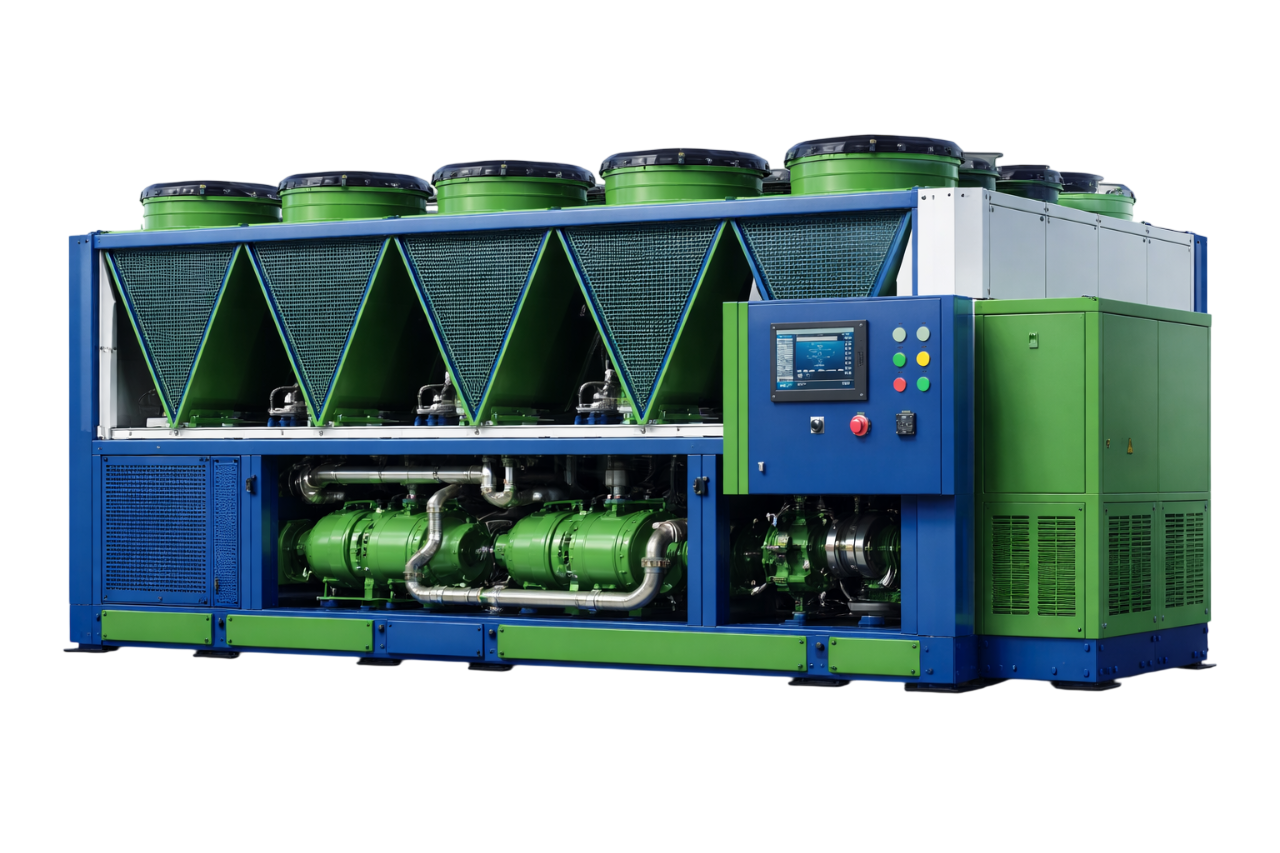
Chiller & Central Cooling Systems
Learn More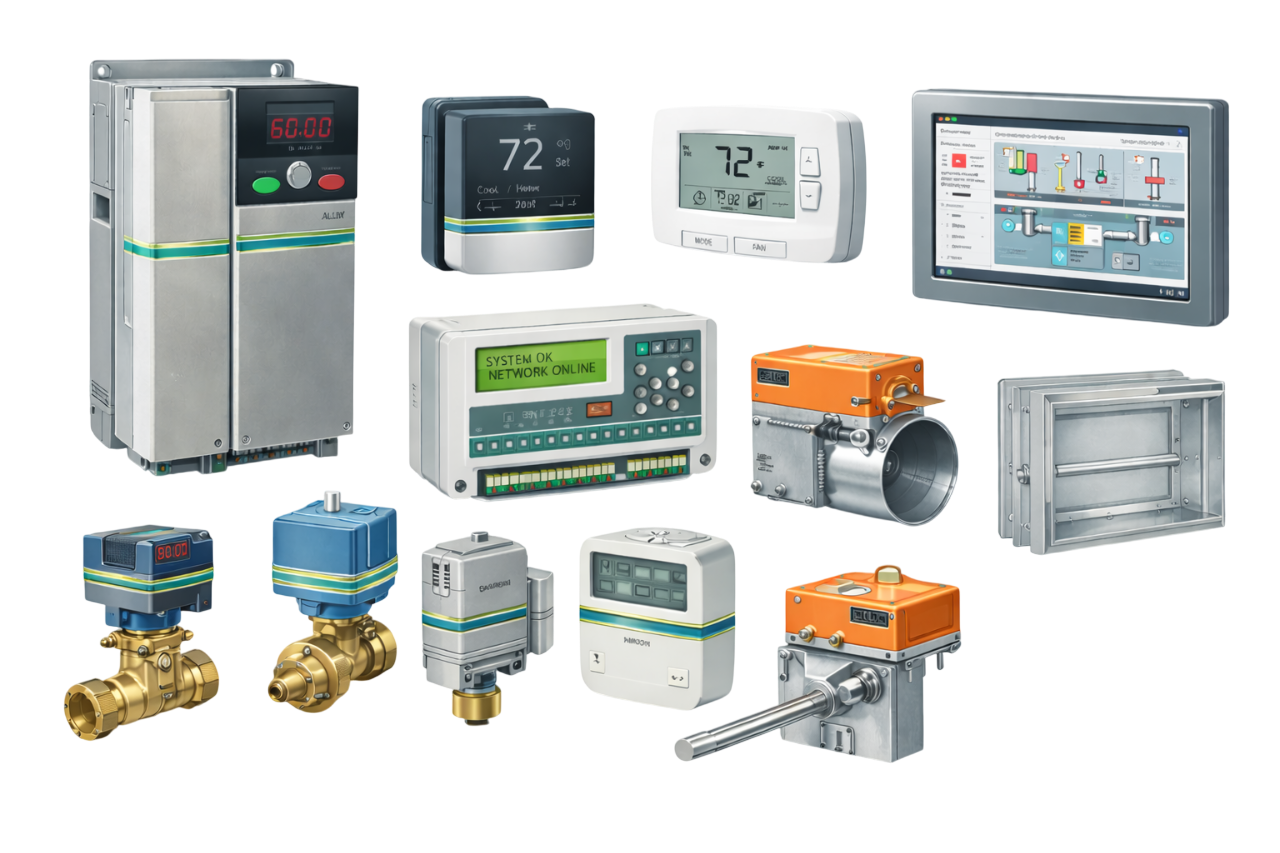
HVAC Automation & Instrumentation
Learn More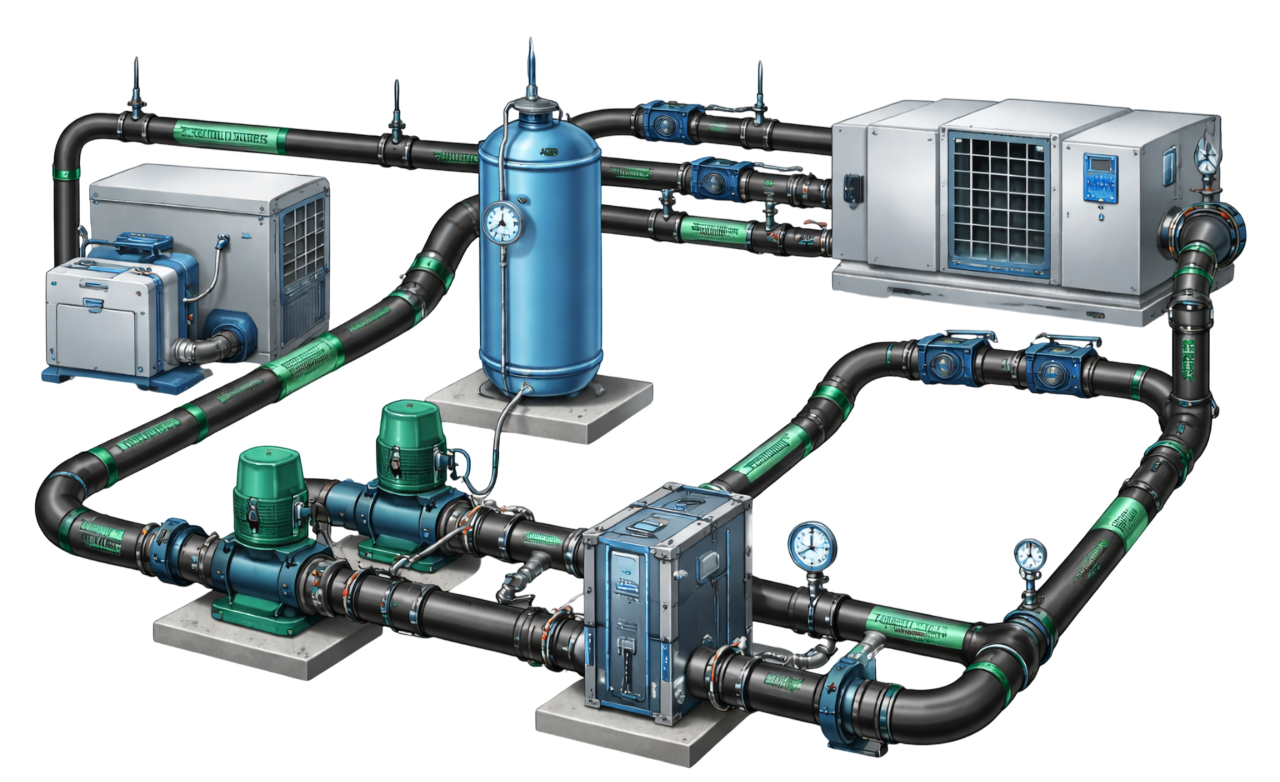
Piping & Utility Systems
Learn MoreThese interconnected systems ensure accurate water distribution, pressure stability, and energy-efficient HVAC plant performance.
Frequently Asked Questions
What is the purpose of balancing valves in hydronic HVAC systems?
Balancing valves regulate and stabilize flow across branches to ensure each AHU/FCU/coil receives the designed flow rate, improving comfort, delta-T performance, and pump energy efficiency.
What is a PICV and why is it used?
A Pressure Independent Control Valve (PICV) maintains the required flow rate across a coil regardless of pressure fluctuations, ensuring stable zone control and preventing over-flow in variable flow networks.
Do you provide Balancing Valve Installation and PICV commissioning services?
Yes. Compress India provides Balancing Valve Installation and PICV Commissioning Services including valve integration, actuator mounting, presetting, stroke testing, and full system balancing.
What is included in commissioning and flow calibration?
Commissioning includes flow measurement with calibrated instruments, valve presetting, differential pressure checks, PICV modulation verification, control signal validation, branch balancing, and delta-T performance validation with reports.
Why does improper balancing cause low delta-T and high energy usage?
When flow is not controlled, some coils get excess flow while others starve. Excess flow reduces delta-T, increases pump power, and forces chillers/boilers to run harder, leading to higher operating costs and comfort complaints.
Can you troubleshoot flow imbalance and pressure fluctuation issues?
Yes. We provide breakdown support for flow imbalance, actuator failures, seized stems, inaccurate readings, control signal issues, pressure instability, and leakage—along with root cause analysis and corrective actions.
Do you retrofit old systems by replacing manual valves with PICVs?
Yes. Retrofitting includes replacing manual valves with PICVs, upgrading static to dynamic balancing valves, installing differential pressure controllers, resizing valves based on recalculated flow, and upgrading actuators.
Do you integrate valves with BMS and HVAC automation?
Yes. We execute actuator wiring, control loop setup, DP sensor coordination, control logic configuration, alarms, and remote monitoring to ensure stable temperatures and avoid over-pumping.
What preventive maintenance and HVAC AMC services do you offer for valves?
Our HVAC AMC Services include valve operation inspection, actuator testing, flow verification/recalibration, leakage inspection, stem lubrication (where applicable), pressure drop monitoring, and seasonal performance review.
How do balancing valves and PICVs improve energy performance?
Proper balancing improves delta-T, reduces pumping energy, stabilizes pressure, reduces chiller load, and improves overall system efficiency through flow optimization, modulation refinement, and performance audits.