Two-Pipe & Four-Pipe Networks
Installation, Commissioning, Repair & Lifecycle Hydronic Distribution Services
Two-Pipe & Four-Pipe Hydronic Networks – Engineering Execution & Field Services
Two-Pipe and Four-Pipe Hydronic Networks are fundamental chilled water and hot water distribution systems used in commercial and industrial HVAC plants. These piping configurations determine how thermal energy is delivered to Air Handling Units (AHUs), Fan Coil Units (FCUs), Heat Exchangers, and process loads.
A Two-Pipe System typically uses a single supply and return line that alternates between heating and cooling mode, whereas a Four-Pipe System maintains independent chilled water and hot water supply and return lines, allowing simultaneous heating and cooling across different zones.
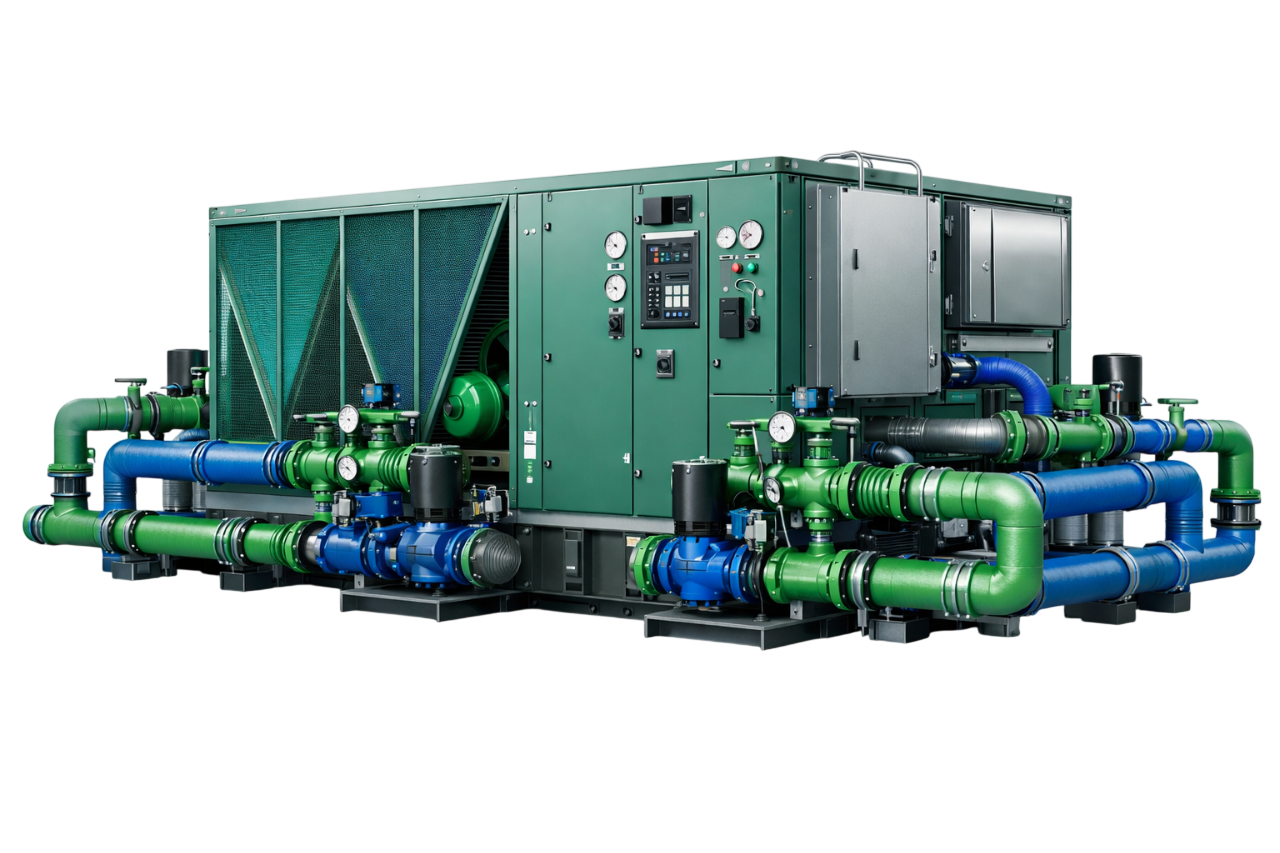
Proper engineering, installation, balancing, and commissioning of these hydronic networks are critical to ensure pressure stability, flow distribution accuracy, energy efficiency, and occupant comfort.
Compress India provides complete execution services for Two-Pipe and Four-Pipe Hydronic Systems including installation, piping fabrication, commissioning, retrofitting, repair, balancing, automation integration, preventive maintenance, and AMC services across commercial complexes, hospitals, hotels, IT parks, pharmaceutical plants, and industrial facilities.
Hydronic Network Installation & Site Execution
We deliver structured piping execution and hydronic distribution installation services.
Scope of work includes:
Chilled water and hot water pipeline fabrication and erection
Supply and return header installation
Pipe support design and structural anchoring
Insulation and vapor barrier installation
Valve installation (control valves, balancing valves, isolation valves)
Expansion loop and stress analysis implementation
Air vents and drain valve installation
Hydro testing, flushing, and chemical cleaning
Pressure testing and leak validation
Engineering considerations include:
Proper pipe sizing based on flow and velocity limits
Friction loss calculation and pump head coordination
Thermal expansion management
Separation of heating and cooling loops (for four-pipe systems)
Proper engineering, installation, balancing, and commissioning of these hydronic networks are critical to ensure pressure stability, flow distribution accuracy, energy efficiency, and occupant comfort.
Commissioning & Hydronic Balancing
Commissioning of two-pipe and four-pipe systems ensures uniform flow distribution and stable temperature control.
- Flow measurement and distribution balancing
- Differential pressure verification
- Control valve calibration
- Temperature performance validation
- Pressure drop measurement across critical branches
- Zone-level functional testing
- Heating and cooling mode testing (two-pipe systems)
Commissioning Deliverables
Detailed balancing and commissioning reports are provided to validate system performance.
Two-Pipe vs Four-Pipe System Configurations
Explore our comprehensive range of Two Pipe vs Four Pipe System configurations and components designed for efficient water distribution.

Two-Pipe Systems
Learn More
Four-Pipe Systems
Learn MoreRepair & Troubleshooting Services
We provide breakdown and corrective maintenance services for:
- Flow imbalance between zones
- Uneven heating or cooling complaints
- Pipe leakage and insulation failure
- Valve actuator malfunction
- Pressure instability across floors
- Air lock issues within hydronic circuits
- Corrosion or scaling inside pipelines
Root cause diagnostics
Root cause diagnostics are conducted to restore balanced distribution and temperature stability.
Retrofitting & Network Upgradation
Older hydronic networks often require modernization.
- Conversion from two-pipe to four-pipe systems
- Pipeline resizing and rebalancing
- Valve upgrades to PICVs
- Installation of flow meters and monitoring devices
- Insulation replacement and energy efficiency upgrades
- Hydraulic reconfiguration for improved performance
Retrofitting impact
Retrofitting improves flexibility, comfort control, and energy efficiency.
Automation & Control Integration
Two-pipe and four-pipe networks are integrated with intelligent control systems to ensure thermal accuracy.
- BMS integration for zone monitoring
- Control valve automation and calibration
- Temperature sensor integration
- Pressure monitoring systems
- Energy monitoring and reporting systems
- Alarm and fault detection configuration
Automation & Control Integration
Automation ensures optimal water flow distribution and stable zone-level performance.
Preventive Maintenance & AMC Services
Regular inspection and servicing of hydronic networks prevent operational issues.
- Pipeline inspection and leak detection
- Insulation condition assessment
- Valve performance testing
- Balancing verification
- Air vent and drain inspection
- Corrosion monitoring
- Seasonal mode changeover testing (two-pipe systems)
Preventive Maintenance & AMC Services
Customized AMC contracts are structured for commercial and industrial buildings to ensure uninterrupted thermal comfort.
Energy Optimization & System Efficiency Improvement
Efficient hydronic networks reduce pump load and improve chiller/boiler performance.
- Flow optimization studies
- Pressure drop analysis
- Delta-T improvement strategy
- Insulation performance audit
- Control strategy refinement
- Pump head recalculation
Energy Optimization & System Efficiency Improvement
Optimized distribution networks reduce energy consumption and improve long-term system reliability.
Connect with Our Hydronic Engineering Team
For professional installation, commissioning, repair, retrofitting, balancing, preventive maintenance, or AMC services for Two-Pipe & Four-Pipe Hydronic Networks, connect with our HVAC engineering team for structured and performance-driven execution support.
Related HVAC Systems & Engineering Services
Two-Pipe & Four-Pipe Hydronic Networks are closely associated with:
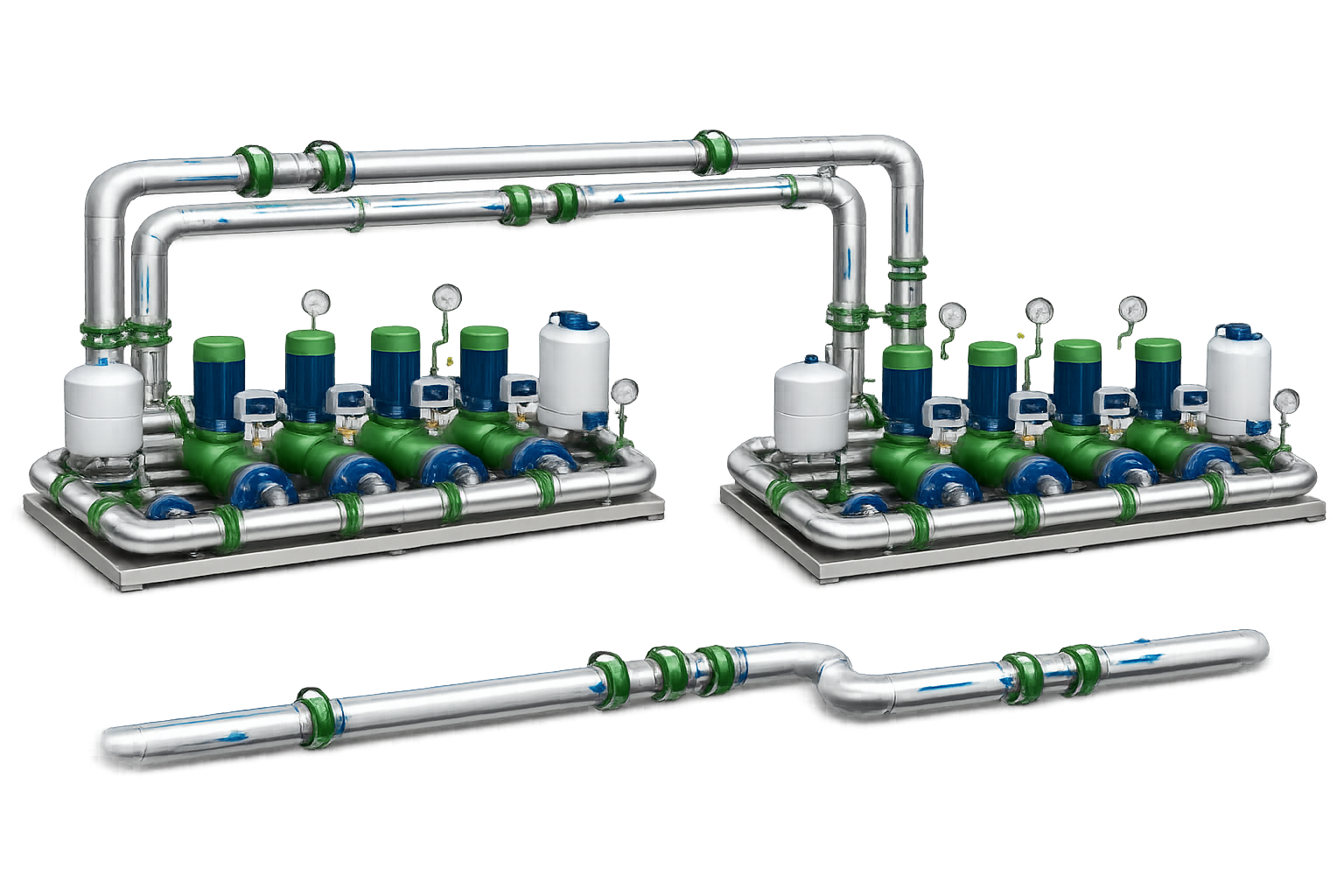
Primary–Secondary Pumping Systems
Learn More
Variable Flow Hydronic Systems
Learn More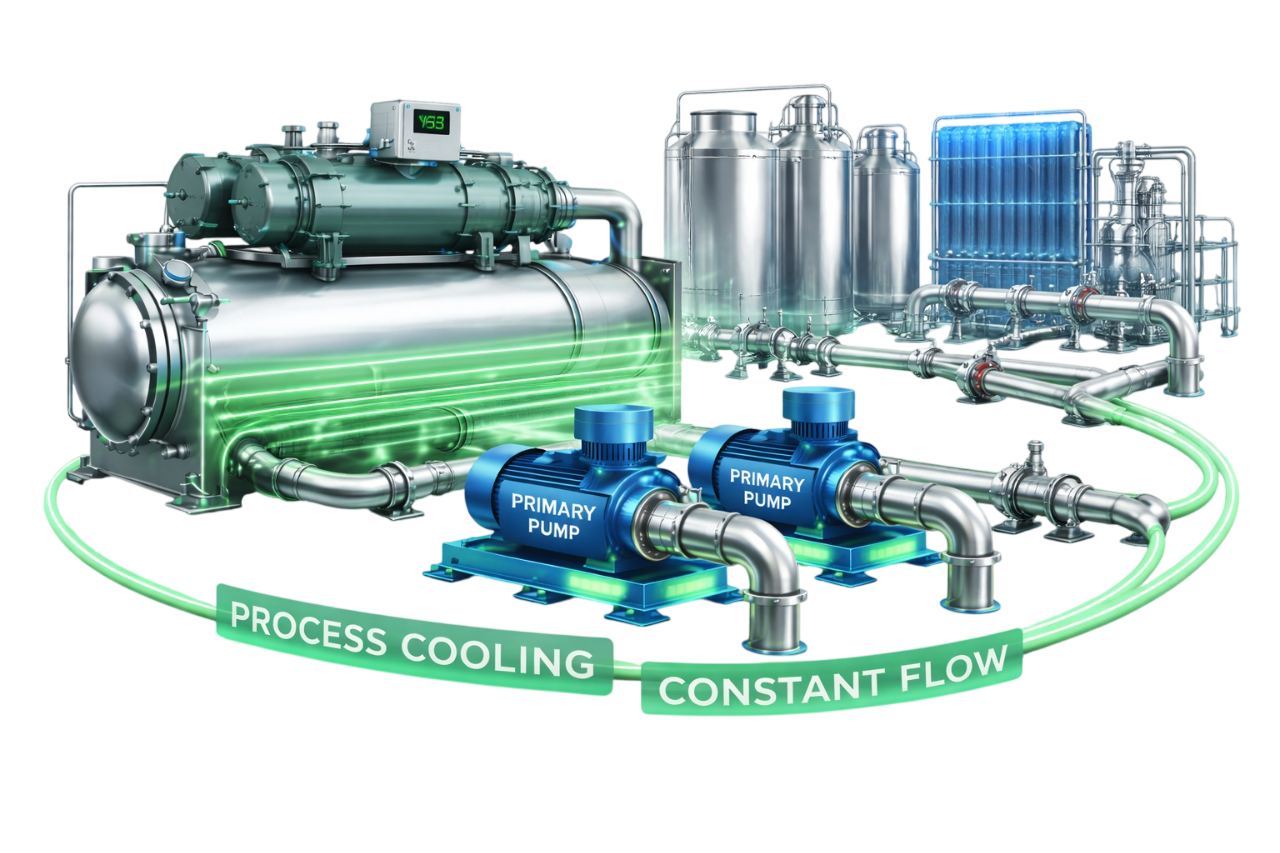
Constant Flow Hydronic Systems
Learn More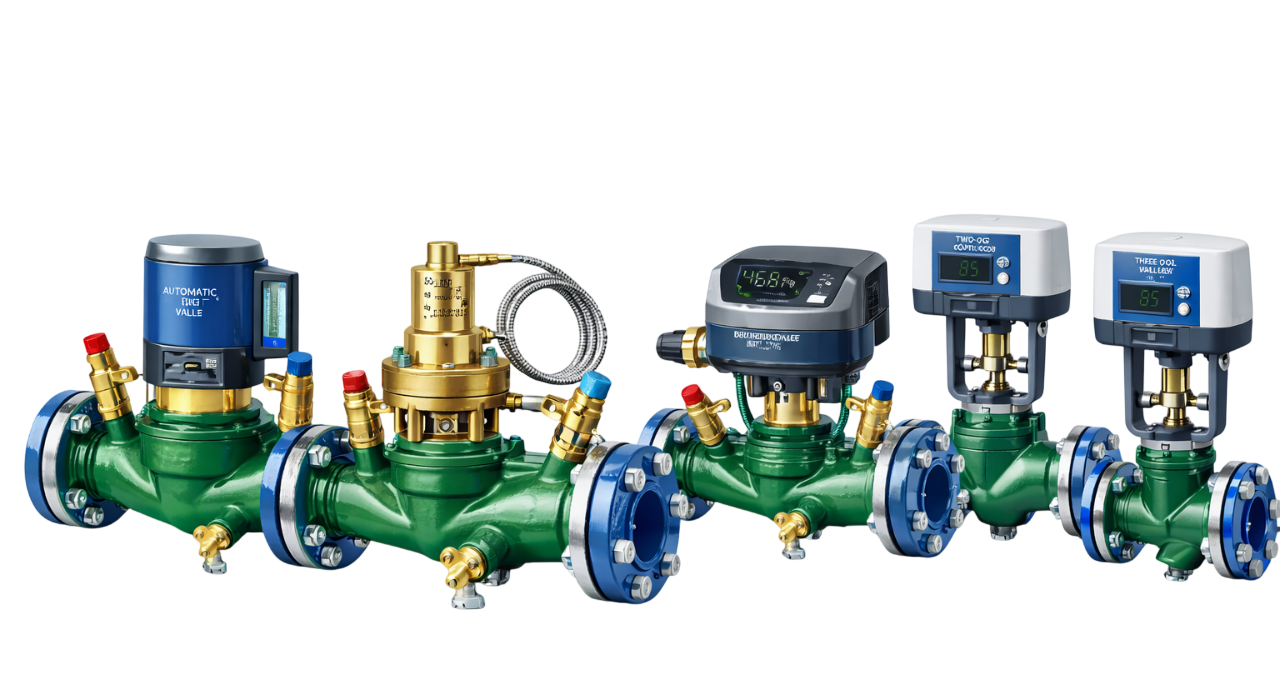
Balancing Valves & PICVs
Learn More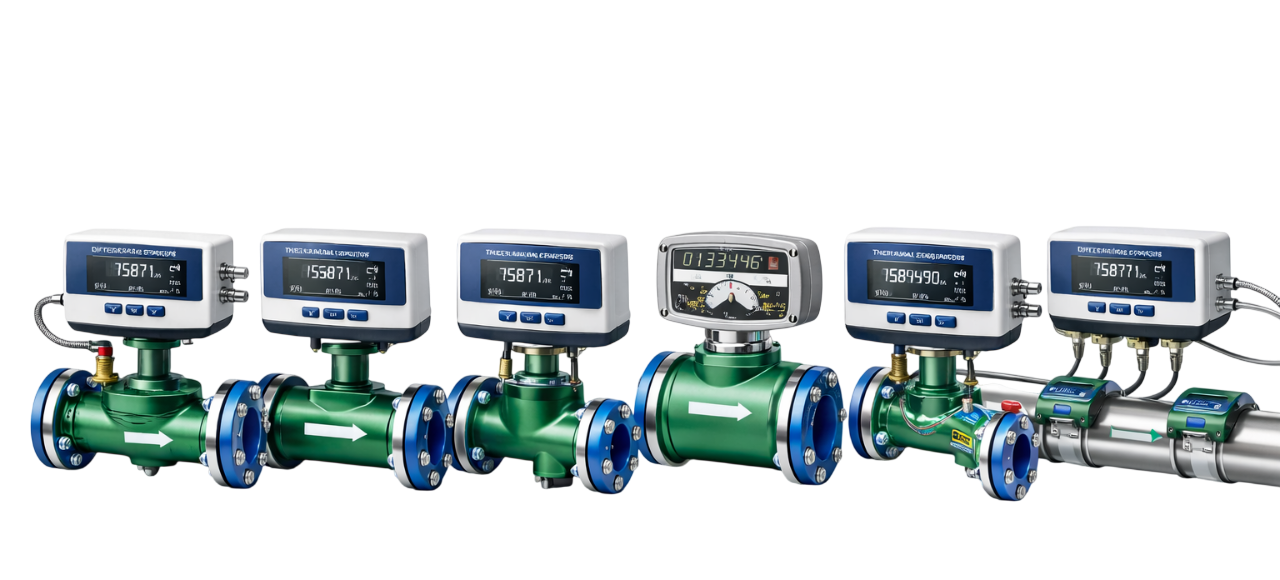
Flow Meters & Hydronic Instruments
Learn More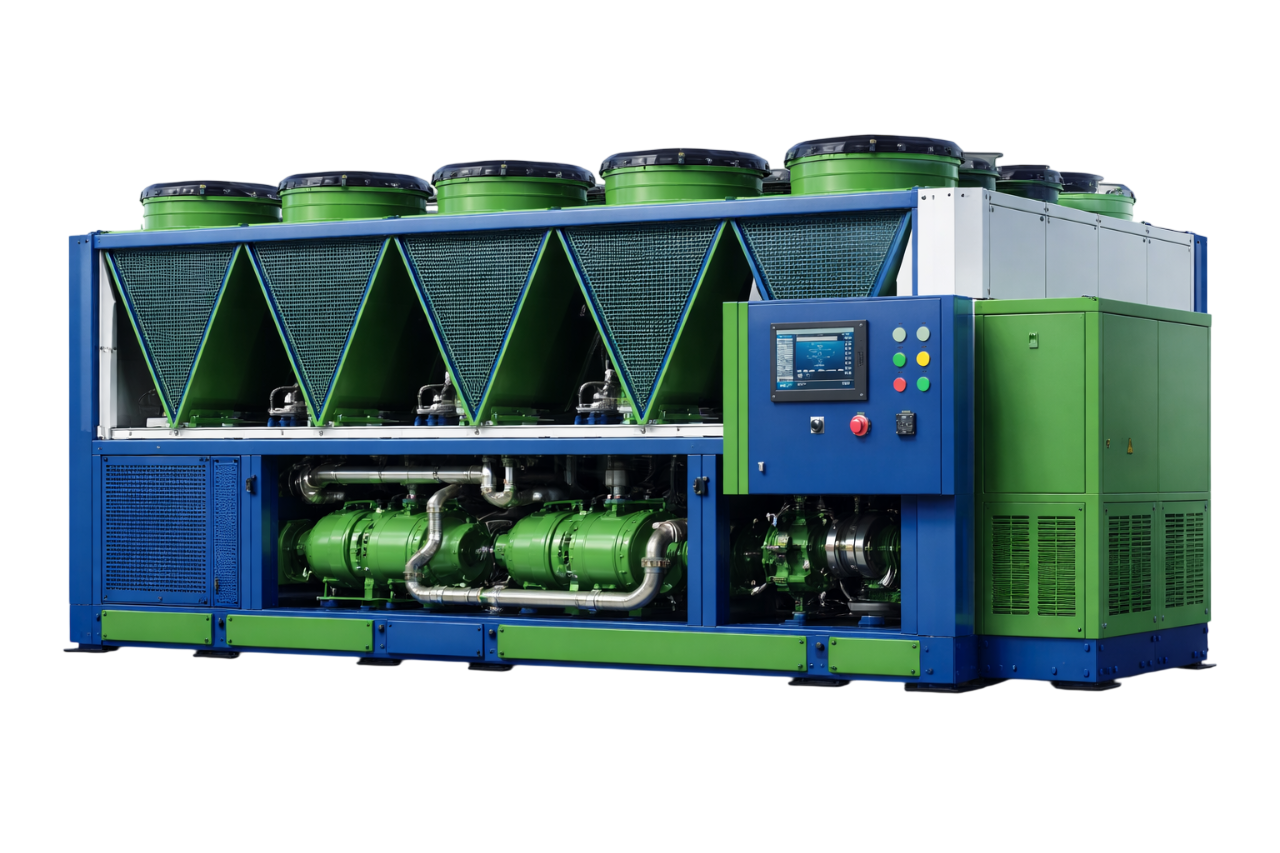
Chiller & Central Cooling Systems
Learn More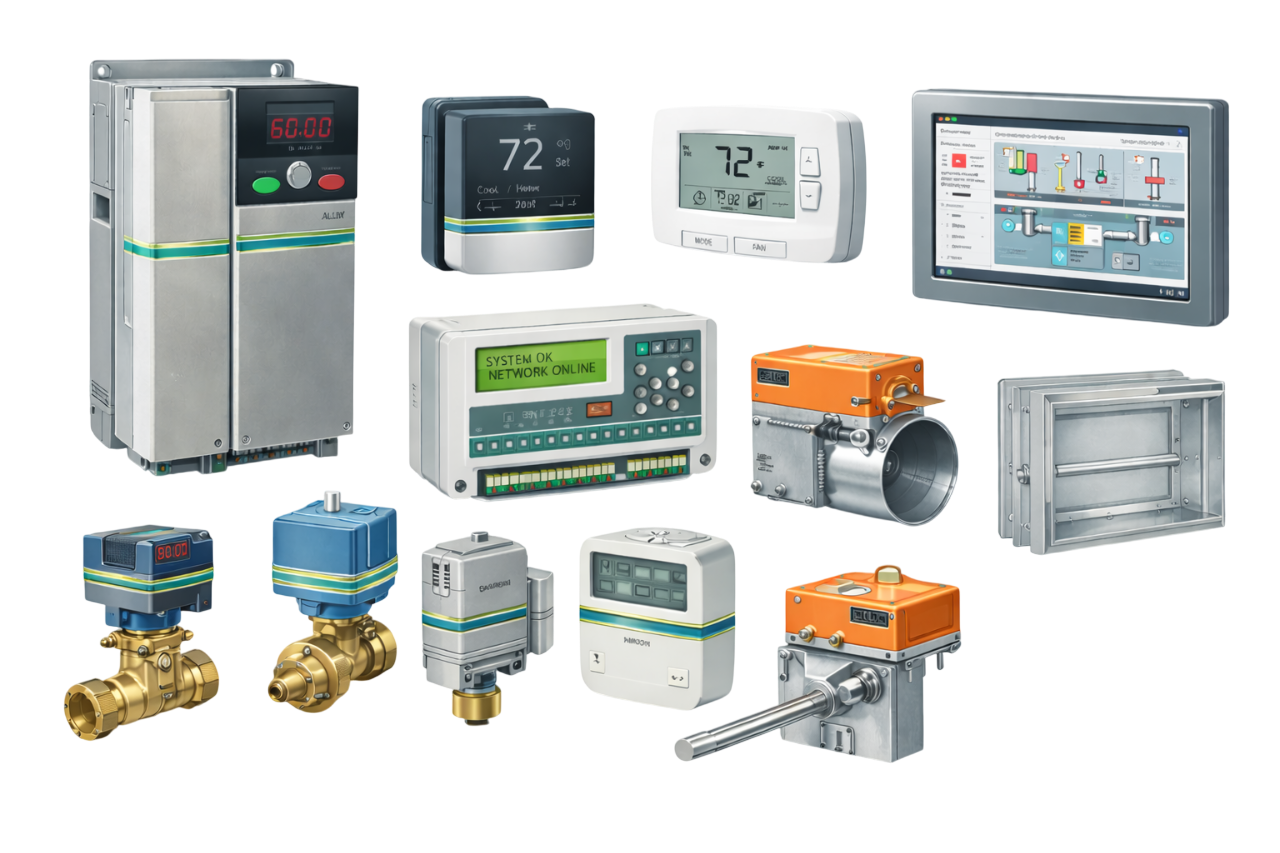
HVAC Automation & Instrumentation
Learn More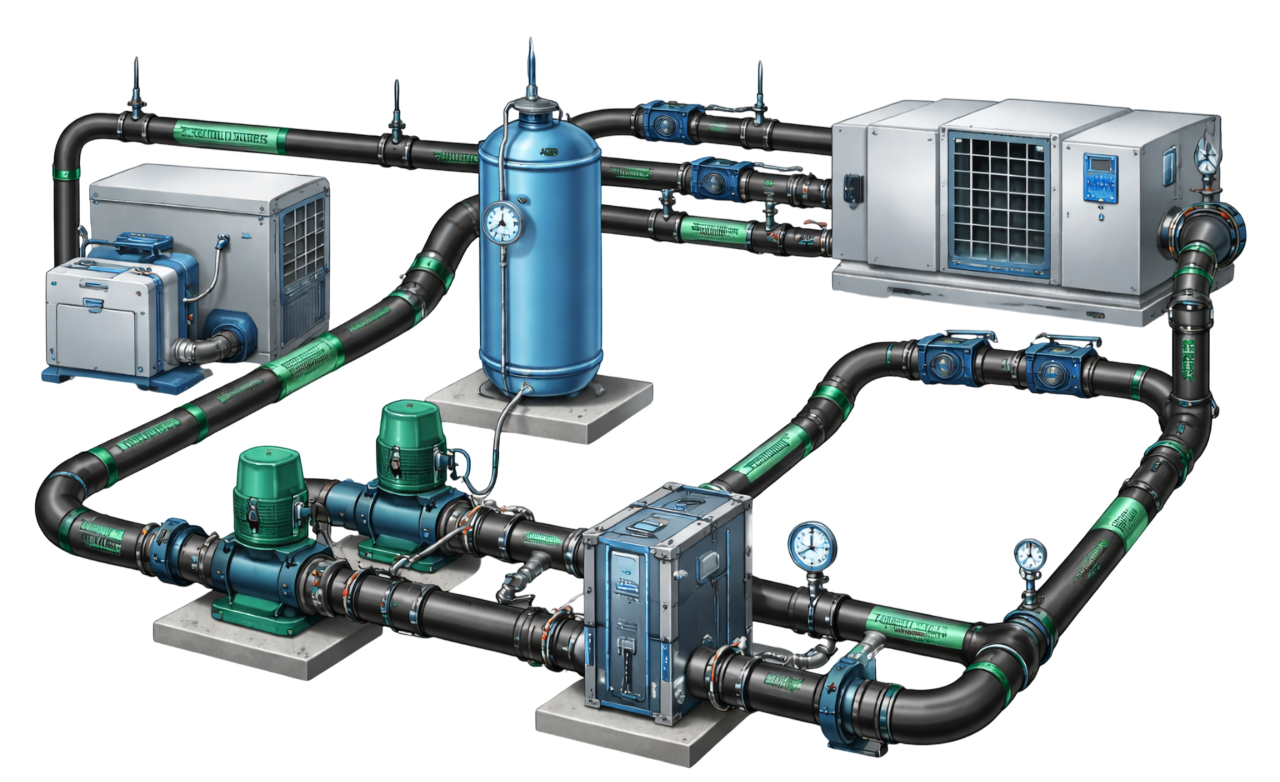
Piping & Utility Systems
Learn MoreThese integrated systems ensure stable thermal distribution, pressure control, and energy-efficient HVAC plant operation.
Frequently Asked Questions
What services does Compress India provide for Two-Pipe & Four-Pipe Hydronic Networks?
Compress India provides complete execution services for Two-Pipe and Four-Pipe Hydronic Systems including installation, piping fabrication, commissioning, retrofitting, repair, balancing, automation integration, preventive maintenance, and AMC services across commercial and industrial HVAC facilities.
What are Two-Pipe and Four-Pipe Hydronic Networks used for?
Two-Pipe and Four-Pipe Hydronic Networks are fundamental chilled water and hot water distribution systems used in commercial and industrial HVAC plants to deliver thermal energy to AHUs, FCUs, Heat Exchangers, and process loads.
What is the difference between a Two-Pipe system and a Four-Pipe system?
A Two-Pipe System typically uses a single supply and return line that alternates between heating and cooling mode, whereas a Four-Pipe System maintains independent chilled water and hot water supply and return lines, allowing simultaneous heating and cooling across different zones.
Why are engineering, balancing, and commissioning critical for these networks?
Proper engineering, installation, balancing, and commissioning are critical to ensure pressure stability, flow distribution accuracy, energy efficiency, and occupant comfort.
What does your hydronic network installation scope include?
Scope of work includes chilled water and hot water pipeline fabrication and erection, supply and return header installation, pipe support design and structural anchoring, insulation and vapor barrier installation, valve installation (control valves, balancing valves, isolation valves), expansion loop and stress analysis implementation, air vents and drain valve installation, hydro testing, flushing, and chemical cleaning, pressure testing and leak validation.
What engineering considerations do you follow during execution?
Engineering considerations include proper pipe sizing based on flow and velocity limits, friction loss calculation and pump head coordination, thermal expansion management, and separation of heating and cooling loops (for four-pipe systems).
What is included in commissioning & hydronic balancing services?
Our commissioning services include flow measurement and distribution balancing, differential pressure verification, control valve calibration, temperature performance validation, pressure drop measurement across critical branches, zone-level functional testing, and heating and cooling mode testing (two-pipe systems). Detailed balancing and commissioning reports are provided to validate system performance.
What repair and troubleshooting issues do you handle for these networks?
We provide breakdown and corrective maintenance services for flow imbalance between zones, uneven heating or cooling complaints, pipe leakage and insulation failure, valve actuator malfunction, pressure instability across floors, air lock issues within hydronic circuits, and corrosion or scaling inside pipelines. Root cause diagnostics are conducted to restore balanced distribution and temperature stability.
Do you provide retrofitting and network upgradation for older hydronic systems?
Yes. We execute conversion from two-pipe to four-pipe systems, pipeline resizing and rebalancing, valve upgrades to PICVs, installation of flow meters and monitoring devices, insulation replacement and energy efficiency upgrades, and hydraulic reconfiguration for improved performance. Retrofitting improves flexibility, comfort control, and energy efficiency.
Do you offer AMC and energy optimization for Two-Pipe & Four-Pipe networks?
Yes. Our preventive maintenance and AMC services include pipeline inspection and leak detection, insulation condition assessment, valve performance testing, balancing verification, air vent and drain inspection, corrosion monitoring, and seasonal mode changeover testing (two-pipe systems). We also conduct flow optimization studies, pressure drop analysis, delta-T improvement strategy, insulation performance audit, control strategy refinement, and pump head recalculation to reduce energy consumption and improve long-term reliability.