Packaged (Split Type) Air Conditioning Units
(Design, Supply, Installation, Service, Repair & AMC for Split Packaged AC Systems)
Design, Supply, Installation, Service, Repair & AMC for Split Packaged AC Systems
Need high-capacity ducted cooling but have no roof space for a single-cabinet unit, or want compressor noise kept outside the building? Packaged (Split Type) Air Conditioning Units place the air handling section indoors and the compressors and condenser outdoors, giving you packaged-level capacity with far more flexibility in where each part goes.
Compress India designs, supplies, installs and maintains split type packaged AC systems for offices, malls, halls, hospitals, factories and commercial buildings. We handle heat load, refrigerant piping, ductwork, commissioning and AMC as one package. Share your project details and request a detailed quotation.
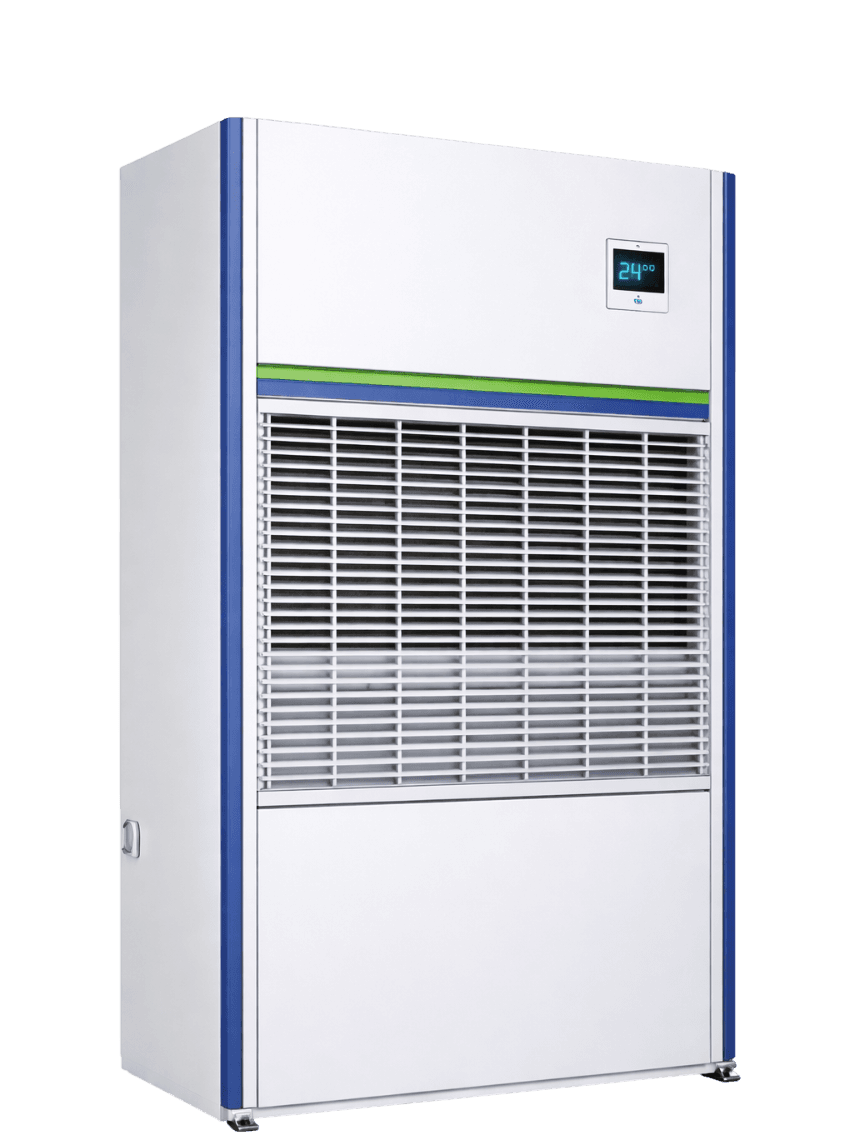
- Design: Heat load calculation, unit selection, static pressure, refrigerant pipe routing and duct design.
- Supply: Air cooled split type packaged air conditioners, inverter models and fresh air units in horizontal and vertical configurations from leading brands.
- Installation: Indoor unit placement, outdoor condensing unit installation, brazed copper piping with nitrogen purging, ductwork, electricals and commissioning.
- Service: Coil, filter, blower and electrical maintenance for reliable year-round performance.
- Repair: Refrigerant leak detection in long pipe runs, compressor and oil return issues, blower and control faults.
- AMC: Comprehensive and non-comprehensive AMC plans for commercial and industrial sites.
One experienced team takes responsibility for your packaged split air conditioning system from design to long-term care.
What Is a Split Type Packaged Air Conditioner?
A split type packaged air conditioner is a high capacity split air conditioner in which a ducted indoor evaporator unit is installed inside the building and an outdoor condensing unit is placed outside. The two sections are connected by refrigerant piping, and the indoor unit delivers conditioned air through ductwork.
Also known as a packaged split AC, DX packaged split air conditioner or split packaged HVAC unit, it combines the capacity of a packaged unit with the placement flexibility of a split system. Capacities typically start around 5 ton and go up to 20 ton or more per system, making it ideal for commercial and industrial buildings.
How a Split Packaged AC Works
A split packaged AC is a direct expansion (DX) split AC: refrigerant evaporates directly in the indoor coil to cool the air, with no chilled water involved.
Indoor Air Handling Unit Inside the Building
The packaged split indoor unit, placed in a plant room, AHU room or above the ceiling, draws return air through filters and across the evaporator coil, then pushes cool air into the ducts using a centrifugal blower.
Outdoor Condensing Unit Releasing Heat
The outdoor condensing unit houses the compressors, condenser coil and fans. It rejects heat absorbed indoors to the outside air from a terrace, podium or ground-level location.
Refrigerant Piping Between Indoor & Outdoor Units
Insulated copper suction and liquid lines carry refrigerant between the indoor evaporator and outdoor condensing unit. Correct sizing and routing are critical for capacity and compressor life.
Ducted Air Distribution to the Conditioned Space
Supply ducts deliver conditioned air to diffusers, while return ducts or plenums bring room air back to the indoor unit.
Microprocessor Controls & Thermostat
A microprocessor controller manages compressor staging, blower operation, protections and alarms, with a room thermostat or BMS signal setting the temperature.
Main Components of a Split Packaged AC
Indoor Unit – Evaporator Coil & Centrifugal Blower
The indoor evaporator unit contains a large DX coil and a belt-driven or direct-drive centrifugal blower sized for the required airflow and static pressure.
Outdoor Unit – Scroll Compressors & Condenser Coil
The outdoor unit typically carries one or more scroll compressors, a condenser coil and propeller fans. Multiple compressors allow capacity staging.
Air Filters
Pre-filters and optional fine filters in the indoor unit protect the coil and improve indoor air quality.
Expansion Device
Thermostatic or electronic expansion valves meter refrigerant into the evaporator coil for efficient cooling.
Refrigerant Piping & Insulation
Packaged split refrigerant piping uses hard-drawn copper with brazed joints and closed-cell insulation to prevent heat gain and condensation.
Control Panel
The control panel includes starters, contactors, overloads, phase protection and the controller, with interconnecting wiring between indoor and outdoor units.
Split Packaged AC vs Single-Cabinet Packaged AC
| Parameter | Split Packaged AC | Single-Cabinet Packaged AC |
|---|---|---|
| Configuration | Indoor evaporator + outdoor condensing unit | All components in one cabinet |
| Compressor noise | Outside the building | At the unit location |
| Placement flexibility | High; units can be apart | Unit must be near the ducts |
| Refrigerant piping on site | Required | Minimal |
| Installation work | More | Less |
| Best for | No roof space, plant rooms, noise-sensitive buildings | Rooftops and open ground areas |
In the packaged split AC vs packaged AC choice, split type units are preferred when the air handling section must stay indoors and compressors must stay outdoors.
Types of Split Packaged AC Units
Indoor Unit with Outdoor Condensing Unit
The most common configuration: the indoor evaporator unit with blower sits inside, and an air cooled condensing unit with compressors sits outside. This keeps compressor noise and heat completely outside the building.
Indoor Unit (with Compressor) + Remote Air-Cooled Condenser
In this design, compressors are housed in the indoor unit and only the condenser coil and fans are outdoors. It suits sites where outdoor space is limited or the condenser must be lightweight.
Horizontal (Ceiling-Suspended) Indoor Units
Horizontal indoor units hang above the false ceiling or in service zones, saving floor space in offices, retail stores and restaurants.
Vertical (Floor-Mounted) Indoor Units
Vertical indoor units stand in a plant room or AHU room, making maintenance easy and keeping equipment away from occupied areas.
Inverter Split Packaged Units
An inverter packaged split AC uses variable speed compressors to match cooling output to demand, improving part-load efficiency and temperature control.
Fresh Air Split Packaged Units
A packaged split AC with fresh air treats high volumes of outdoor air for cinemas, kitchens, hospitals and other spaces needing strong ventilation.
Split Packaged AC Capacity Guide – How Many Tons Do You Need?
Common Split Packaged AC Capacities
- 5 – 7.5 ton: Showrooms, restaurants, clinics and small halls.
- 8.5 – 11 ton: Office floors, supermarkets and conference halls.
- 15 – 20 ton: Banquet halls, cinemas, food courts and factory areas.
- Above 20 ton: Multiple systems combined for malls and large commercial buildings.
Area vs Tonnage Chart
| Area (sq ft) | Typical Space | Recommended Split Packaged AC Capacity |
|---|---|---|
| 800–1,200 | Showroom, clinic, restaurant | 5 – 7.5 ton |
| 1,200–2,000 | Office floor, supermarket | 8.5 – 11 ton |
| 2,000–3,500 | Banquet hall, food court | 15 – 20 ton |
| 3,500+ | Cinema, mall section, factory | Multiple systems |
These figures are indicative for standard ceiling heights and occupancy. Every project needs a proper heat load calculation.
Factors Affecting Cooling Load (Occupancy, Fresh Air, Ceiling Height)
- Occupancy: Cinemas, banquets and restaurants carry high people loads.
- Fresh air: Ventilation requirements can add 15–30% or more to the cooling load.
- Ceiling height: Taller spaces need more airflow and longer air throw.
- Glass and roof exposure: Solar heat through glass and roofs adds significant load.
- Equipment: Kitchens, machinery, electrical panels and lighting add heat.
Refrigerant Piping Limits & Outdoor Unit Placement
Piping design is what makes or breaks a split packaged system. Getting it wrong leads to capacity loss, oil return problems and compressor failure.
Maximum Piping Length
Most split packaged units allow a pipe run of about 15–50 metres between units, depending on brand and model. Longer runs reduce capacity and may need additional refrigerant and oil.
Vertical Height Difference Between Units
Manufacturers limit the height difference between indoor and outdoor units, typically around 10–30 metres. When the outdoor unit is above the indoor unit, oil traps may be needed on vertical risers.
Pipe Sizing & Oil Return
Suction and liquid lines are sized to maintain refrigerant velocity so compressor oil returns properly. Undersized pipes cause capacity loss; oversized suction risers cause oil logging.
Outdoor Unit Location Options (Terrace, Podium, Ground)
Outdoor condensing units can sit on the terrace, a podium level or at ground level, as long as piping limits, airflow clearances and service access are respected. This flexibility is a key advantage of split packaged systems.
Ducting & Air Distribution
A ducted packaged split AC depends on well-designed ductwork to deliver its full capacity evenly.
Supply & Return Duct Design
Ducts are sized to the indoor unit's airflow and the building layout, keeping air velocity and pressure drop within limits for quiet, uniform cooling.
Blower Static Pressure Selection
Packaged split AC static pressure must match the duct system resistance. High static packaged split ACs are selected for long duct runs, multiple branches and high-ceiling spaces.
Diffusers & Grilles
Square, linear, round and jet diffusers are chosen to match ceiling height, throw distance and interior design.
Duct Insulation
Supply ducts are insulated and sealed to prevent heat gain, condensation and energy loss, especially important in humid coastal cities.
Energy Efficiency of Split Packaged ACs
An energy efficient packaged split AC reduces operating costs over the long running hours typical of commercial buildings.
Multiple Compressors & Capacity Staging
Two or more compressors allow the system to run only the capacity needed, saving energy at part load and providing backup cooling if one compressor needs service.
Inverter Technology
Variable speed compressors and EC fans continuously adjust output to match the load, improving comfort and reducing power consumption.
EER & IEER Ratings
EER shows full-load efficiency, while IEER reflects performance across part loads. Comparing both helps choose the most efficient unit for your operating hours.
Refrigerants Used (R410A / R32)
Most split packaged units use R410A, with newer models moving to R32 and other lower-GWP options. Correct packaged split AC refrigerant charge is critical, especially with long pipe runs.
Key Features to Look for in a Split Packaged AC
Multiple Refrigerant Circuits
Independent circuits improve reliability and part-load efficiency, keeping partial cooling available during maintenance.
High Static Blowers
High static blowers handle long duct networks and multiple zones without loss of airflow.
Fresh Air Intake
Fresh air connections on the indoor unit improve ventilation and indoor air quality in offices, cinemas, hospitals and restaurants.
Higher-Grade Air Filtration
Fine and HEPA-type filter sections are valuable for hospitals, clean areas and food processing spaces.
Anti-Corrosion Coil Coating for Coastal Areas
Coated condenser coils protect outdoor units from salt-laden air in Mumbai and other coastal locations, extending equipment life.
BMS Connectivity
A packaged split AC with BMS integration enables central monitoring, scheduling, alarms and energy tracking across the building.
Low Indoor Noise
With compressors outdoors and acoustically lined indoor units, split packaged systems keep noise low in occupied spaces.
Benefits of Split Packaged ACs
Compressor Noise Kept Outside the Building
Compressors and condenser fans run outdoors, so offices, hospitals, cinemas and halls stay quiet.
Flexible Outdoor Unit Location
Outdoor units can be placed on terraces, podiums or at ground level, solving layout problems where a rooftop single-cabinet unit is not possible.
High Capacity for Large Areas
A high capacity packaged split air conditioner delivers 5 to 20 ton or more per system for large commercial and industrial spaces.
Indoor Unit Fits in a Plant Room or Ceiling
Horizontal indoor units fit above ceilings, and vertical units fit into compact plant or AHU rooms, keeping the air handling section protected indoors.
Lower Cost Than Chillers for Mid-Size Spaces
For mid-size buildings, split packaged systems cost less upfront and are simpler to operate than chiller plants with AHUs.
Easy Maintenance Access
Indoor units in plant rooms and outdoor units at accessible levels make routine service quick and safe.
Limitations of Split Packaged ACs
Refrigerant Piping Length Limits
Indoor and outdoor units must stay within the manufacturer's piping length and height limits.
Requires Ductwork
Like all packaged systems, split packaged units need supply and return ductwork and the space to route it.
More Installation Work Than Single-Cabinet Units
Brazing, pressure testing, vacuuming and gas charging add site work compared with factory-charged single-cabinet units.
Refrigerant Leak Risk in Long Pipe Runs
Long pipe runs have more joints and more potential leak points. Quality brazing and pressure testing are essential.
Limited Zoning Flexibility
One system typically serves one large zone. Areas needing independent temperatures need separate systems or VRF.
Split Packaged AC vs Ducted Split AC
| Parameter | Split Packaged AC | Ducted Split AC |
|---|---|---|
| Typical capacity | 5 to 20 ton+ | 1.5 to 11 ton |
| Blower & static | High static, belt or direct drive | Low to medium static |
| Compressors | Often multiple, staged | Usually single |
| Indoor unit location | Plant room, AHU room or ceiling | Above false ceiling |
| Best for | Large commercial and industrial spaces | Homes, offices, showrooms |
In the packaged split AC vs standard split AC comparison, split packaged units are built for larger airflow, higher static and heavier duty cycles.
Split Packaged AC vs VRF / VRV System
| Parameter | Split Packaged AC | VRF / VRV System |
|---|---|---|
| Zoning | One large zone per system | Individual control for many rooms |
| Fresh air handling | Easy to integrate | Needs separate fresh air unit |
| Best for | Halls, cinemas, supermarkets, factories | Multi-room offices, hotels, hospitals |
| Upfront cost | Lower | Higher |
| Piping | One circuit per system | Complex multi-branch network |
Choose split packaged units for large open spaces; choose VRF where many rooms need independent control.
Split Packaged AC vs Chiller System
| Parameter | Split Packaged AC | Chiller System |
|---|---|---|
| Scale | Mid-size loads, roughly 10–150 ton total | Large loads, 100 ton and above |
| Plant | Indoor unit + outdoor condensing unit | Chillers, pumps, cooling towers, AHUs |
| Upfront cost | Lower | Higher |
| Operation | Simple | Needs skilled operators |
| Long-term efficiency | Good | Higher at large scale |
Split packaged systems offer the best value for mid-size commercial projects, while chillers suit very large buildings.
Where Split Packaged ACs Are Used
A packaged split type air conditioning unit for commercial building use is ideal wherever high capacity is needed but a rooftop single-cabinet unit is not practical.
Shopping Malls & Retail Stores
Indoor units in service areas and outdoor units on podiums or terraces cool large retail floors without using sales space.
Supermarkets & Hypermarkets
High-capacity systems handle large floor areas, constant footfall and display refrigeration heat.
Banquet Halls & Auditoriums
Compressors stay outside while high static indoor units deliver even cooling to large gatherings, keeping halls quiet.
Cinemas & Theatres
Low indoor noise and fresh air capability make split packaged units well suited to screening halls and auditoriums.
Restaurants & Food Courts
Split packaged systems manage high occupancy and kitchen heat, with fresh air options for comfort.
Offices & Commercial Floors
A packaged split AC for office floors provides central ducted cooling with indoor units in AHU rooms and outdoor units on terraces.
Hospitals & Clinics
Fresh air handling, fine filtration and low indoor noise make split packaged units suitable for OPDs, wards, diagnostic centres and waiting areas.
Factories & Workshops
An industrial packaged split AC cools production floors, assembly areas and warehouses. A packaged split AC for factory utilities, equipment rooms, electrical rooms and telecom rooms provides dependable, dedicated cooling.
Schools & Colleges
Split packaged systems cool auditoriums, libraries and examination halls efficiently and quietly.
Top Split Packaged AC Brands in India
Compress India supplies, installs and services split packaged units from leading brands, so you can compare capacity, efficiency and features in one place.
Blue Star
Blue Star offers a wide range of air cooled split type packaged air conditioners, widely used in Indian commercial and industrial projects.
Voltas
Voltas packaged split units deliver reliable, high-capacity cooling for offices, halls and retail spaces.
Daikin
Daikin split packaged units combine efficient scroll compressors with dependable performance for commercial buildings.
Carrier
Carrier split packaged systems are known for robust construction and dependable performance in large commercial installations.
Trane
Trane split systems with air cooled condensing units serve large commercial and industrial projects that need high capacity and advanced controls.
Johnson Controls (York)
York split packaged systems from Johnson Controls serve commercial buildings, factories and institutional projects.
Hitachi
Hitachi split packaged units offer strong compressors and reliable cooling in high ambient conditions.
Split Packaged AC Installation Guide
Packaged split AC installation combines refrigeration, ductwork, electrical and commissioning work. Here is how Compress India executes each project.
Indoor Unit Location – Plant Room, AHU Room or Ceiling
The indoor unit is placed centrally to keep duct runs short, with space for filter removal, coil cleaning and blower service. Horizontal units are suspended from the slab on vibration isolators.
Outdoor Unit Placement & Clearances
The outdoor condensing unit is installed on a structural frame or plinth with isolators, with clearances that prevent hot air recirculation and allow service access.
Refrigerant Piping, Brazing & Nitrogen Purging
Copper pipes are sized to the manufacturer's tables, brazed with a continuous nitrogen purge to prevent internal scaling, and supported and insulated along the full run. Oil traps are added on vertical risers where required.
Pressure Testing & Vacuuming
The piping is pressure tested with dry nitrogen and held to confirm zero leakage, then evacuated with a vacuum pump to remove air and moisture.
Duct Connection & Canvas Connectors
Supply and return ducts connect to the indoor unit through flexible canvas connectors that stop vibration from travelling into the ductwork.
Condensate Drain & Trap
The indoor unit drain is fitted with a correctly sized trap and slope so condensate drains freely without air being drawn back into the unit.
Three-Phase Power & Interconnecting Wiring
Both units receive correctly rated three-phase supply, starters, isolators and earthing, along with interconnecting control wiring.
Gas Charging, Commissioning & Air Balancing
Additional refrigerant is charged by weight for the actual pipe length. We then verify pressures, superheat, subcooling, electrical readings and airflow, and balance air at diffusers before handover.
Split Packaged AC Service, Maintenance & AMC
Regular packaged split AC maintenance and service protects capacity, efficiency and compressor life.
Filter Cleaning & Replacement
Filters are cleaned or replaced monthly, and more often in dusty or high-occupancy spaces.
Indoor & Outdoor Coil Cleaning
Evaporator and condenser coils are cleaned 2–4 times a year. Clean condenser coils prevent high head pressure and compressor tripping in summer.
Blower Belt, Bearing & Motor Checks
Belts are tensioned or replaced, bearings lubricated and motors tested to maintain airflow.
Refrigerant Pressure & Leak Checks
Operating pressures are logged, and long pipe runs and joints are inspected for leaks, which are repaired before any recharge.
Compressor & Electrical Checks
Compressor current, voltage balance, contactors, overloads and wiring are checked to prevent breakdowns.
Comprehensive vs Non-Comprehensive AMC
| Parameter | Comprehensive AMC | Non-Comprehensive AMC |
|---|---|---|
| Preventive maintenance visits | Included | Included |
| Breakdown calls | Included | Included |
| Spare parts | Most parts included (compressor terms vary) | Charged extra |
| Gas charging | Usually included | Charged extra |
| Best for | Critical commercial operations | Newer units, in-house teams |
Common Split Packaged AC Problems & Solutions
AC Not Cooling Properly
Causes: Dirty coils or filters, low refrigerant, a failed compressor stage or low airflow. Solution: Service the system, check each circuit and verify airflow.
Compressor Tripping
Causes: High head pressure, voltage issues, phase imbalance or overcharge. Solution: Clean the condenser, check the power supply and correct the refrigerant charge.
Refrigerant Leak in Long Piping
Causes: Poor brazing, vibration damage or corrosion along the pipe run. Solution: Pressure test to locate the leak, repair, re-vacuum and recharge.
Oil Return Problems
Causes: Oversized suction risers, missing oil traps or long runs outside limits. Solution: Correct pipe sizing and add oil traps as required.
Low Airflow & Belt Slippage
Causes: Worn belts, clogged filters or damaged blower. Solution: Replace belts, clean filters and inspect the blower.
Water Leakage & Drain Choking
Causes: Blocked drain, missing trap or poor slope. Solution: Clean the drain line, fit a proper trap and correct the slope.
Noise & Vibration
Causes: Worn isolators, loose panels, unbalanced blower or pipe vibration. Solution: Replace isolators, secure panels and pipes, and balance the blower.
Ice Formation on the Coil
Causes: Low airflow, low refrigerant or dirty filters. Solution: Restore airflow, check refrigerant charge and clean filters.
Split Packaged AC Price in India
Packaged split AC price depends on capacity, brand, efficiency, piping length, ductwork and site conditions. The ranges below are indicative for budgeting. Contact Compress India for exact pricing for your project.
Split Packaged AC Price by Tonnage
| Capacity | Indicative Unit Price Range (Indoor + Outdoor) |
|---|---|
| 5.5 Ton | ₹2,00,000 – ₹3,00,000 |
| 8.5 Ton | ₹3,00,000 – ₹4,50,000 |
| 11 Ton | ₹3,80,000 – ₹5,50,000 |
| 16.5 Ton | ₹5,50,000 – ₹8,00,000 |
| 20 Ton and above | On project basis |
Inverter models, high static blowers, fresh air sections and coated coils add to the price.
Piping, Ducting & Installation Cost
The total project cost typically includes:
- Copper refrigerant piping, insulation, supports and oil traps
- Nitrogen brazing, pressure testing, vacuuming and additional gas charge
- Duct design, fabrication and insulation
- Diffusers, grilles and dampers
- Structural frames, plinths and vibration isolators
- Three-phase cabling, starters and interconnecting wiring
- Commissioning and air balancing
We share an itemised quote so the complete packaged split AC installation cost is clear from day one.
Factors Affecting Total Project Cost
- Total tonnage and number of systems
- Distance and height between indoor and outdoor units
- Horizontal or vertical indoor unit configuration
- Brand, efficiency and warranty
- Duct length, insulation and diffuser type
- Fresh air, filtration and BMS options
- Structural and electrical site work
Split Packaged AC Supply, Installation & Service in Mumbai, Navi Mumbai & Thane
Compress India supplies, installs and services Packaged (Split Type) Air Conditioning Units across Mumbai, Navi Mumbai and Thane. Split packaged systems suit Mumbai's dense buildings well, where roof space is limited and outdoor units often need to go on podiums, terraces or ground level.
Our teams handle long piping runs, coastal corrosion protection and coordination with builders, architects and facility managers. From offices in BKC and malls in Thane to factories in Navi Mumbai's industrial belts, we deliver planned installations, fast breakdown support and structured AMC.
Why Choose Compress India for Split Packaged ACs?
Heat Load Calculation & System Design
We calculate heat loads, fresh air needs and static pressure to select the right system and layout.
Refrigerant Piping Expertise
Our technicians follow manufacturer pipe sizing, nitrogen brazing, oil trap and pressure testing practices, which is critical for long-term reliability in split packaged systems.
In-House Ductwork Fabrication & Insulation
In-house duct fabrication ensures correct sizing, quality insulation and faster execution.
Multi-Brand Supply
Choose from leading brands with unbiased recommendations and competitive pricing.
Repair, Overhauling & Gas Charging
We locate and repair leaks in long pipe runs, overhaul older systems and recharge refrigerant correctly by weight.
AMC & Preventive Maintenance
Structured AMC plans keep your systems efficient and reliable through peak summer.
Commercial & Industrial Projects
From single systems to multi-unit installations across large sites, we deliver projects of every scale.
Get a Split Packaged AC Solution from Compress India
Need high-capacity cooling with flexible outdoor unit placement? Share your drawings and requirements, and we will propose the right Packaged (Split Type) Air Conditioning solution with a detailed quotation.
Connect with Our HVAC Team
Call, WhatsApp or fill out our enquiry form with your area, application, location and drawings if available. Our HVAC engineers will respond with expert advice, a site survey and a comprehensive proposal. Request your split packaged AC quotation today.
Related Ductwork & Air Conditioning Solutions
Split / Hi Wall Air Conditioning Units
Learn More
Cassette Air Conditioning Units
Learn More
Floor Standing Air Conditioning Units
Learn More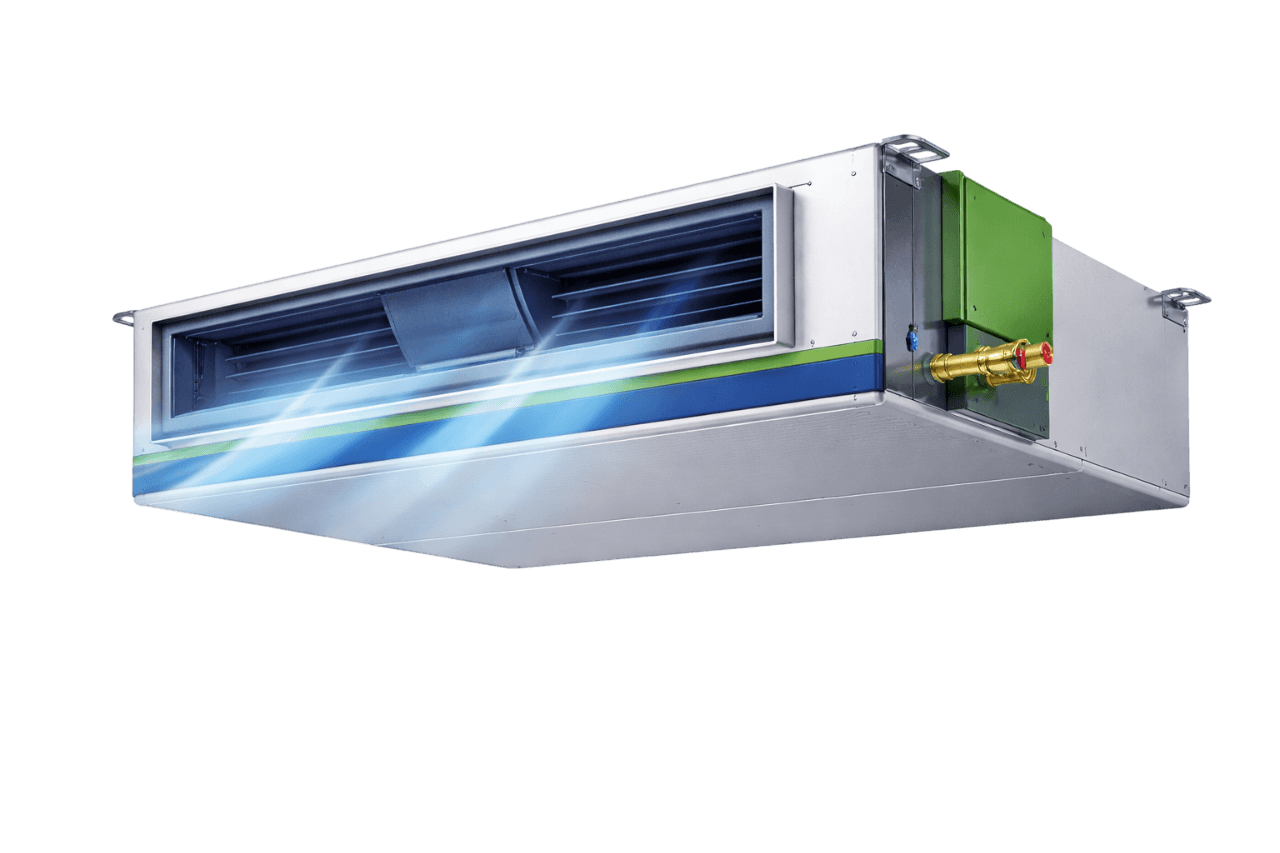
Ducted Air Conditioning Units
Learn More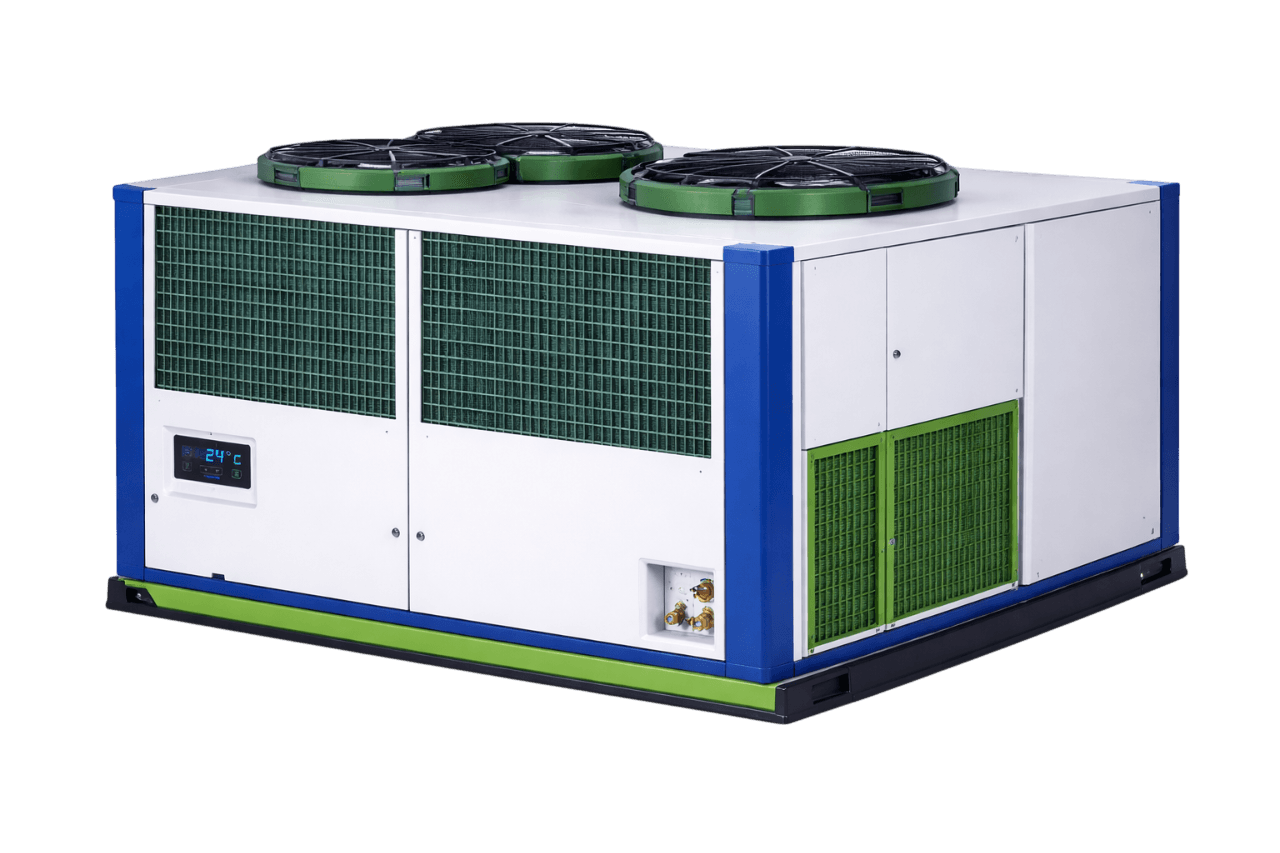
Packaged Air Conditioning Units
Learn MoreFrequently Asked Questions
Q1: What is a split type packaged air conditioner?
It is a high-capacity ducted AC with an indoor evaporator unit inside the building and an outdoor condensing unit outside, connected by refrigerant piping. It delivers packaged-level capacity with flexible unit placement.
Q2: How does a split packaged AC work?
The indoor unit's blower draws return air across a DX evaporator coil and pushes cooled air through ducts. Refrigerant carries the heat to the outdoor condensing unit, which releases it outside.
Q3: What is the difference between a split packaged AC and a packaged AC?
A single-cabinet packaged AC has all components in one unit, usually on a rooftop. A split packaged AC separates the indoor air handling section from the outdoor compressors and condenser, allowing more flexible placement and quieter indoor operation.
Q4: Where is the compressor located in a split packaged unit?
In most systems, the compressors are in the outdoor condensing unit. In some designs, the compressors are in the indoor unit with only a remote air-cooled condenser outside.
Q5: What capacities are split packaged ACs available in?
They are commonly available from about 5 ton to 20 ton or more per system. Larger loads are handled with multiple systems.
Q6: What is the maximum piping length between the indoor and outdoor units?
It varies by brand and model, typically about 15–50 metres, with a height difference limit of around 10–30 metres. We follow the manufacturer's limits for every installation.
Q7: Does a split packaged AC need ductwork?
Yes. The indoor unit distributes conditioned air through supply and return ducts to the space.
Q8: Is a split packaged AC better than a VRF system?
For large single-zone spaces like halls, cinemas and supermarkets, split packaged units are more economical. For buildings with many rooms needing independent control, VRF is usually better.
Q9: Where should the indoor unit of a split packaged AC be installed?
In a plant room, AHU room or above the ceiling, close to the conditioned area, with enough space for filter, coil and blower maintenance.
Q10: How often should a split packaged AC be serviced?
Clean filters monthly and carry out full preventive maintenance every quarter. Commercial sites benefit from a structured AMC.
Q11: What is the price of a split packaged AC in India?
Split packaged units typically start around ₹2,00,000 for about 5.5 ton and increase with capacity and features, before piping, ducting and installation. Contact Compress India for a detailed quote.
Q12: Does Compress India provide split packaged AC installation and service in Mumbai?
Yes. Compress India provides design, supply, installation, piping, ductwork, service and AMC for Packaged (Split Type) Air Conditioning Units across Mumbai, Navi Mumbai and Thane. Contact us today for a consultation and quotation.