Split / Hi Wall Air Conditioning Units
(Supply, Installation, Service, Repair & AMC for Split AC Systems)
Supply, Installation, Service, Repair & AMC for Split AC Systems
Looking for quiet, energy-efficient cooling for your home, office or shop? Split / Hi Wall Air Conditioning Units are the most popular choice for individual rooms across India, and Compress India helps you get the right one from day one. We supply, install, service and maintain wall mounted split ACs from leading brands, matched to your room size, heat load and budget.
Whether you need a single 1.5 ton split AC for a bedroom or fifty inverter split ACs for a commercial project, our HVAC team handles everything, from tonnage selection to professional installation and long-term AMC. Request a quotation today and let us recommend the most efficient split AC for your space.
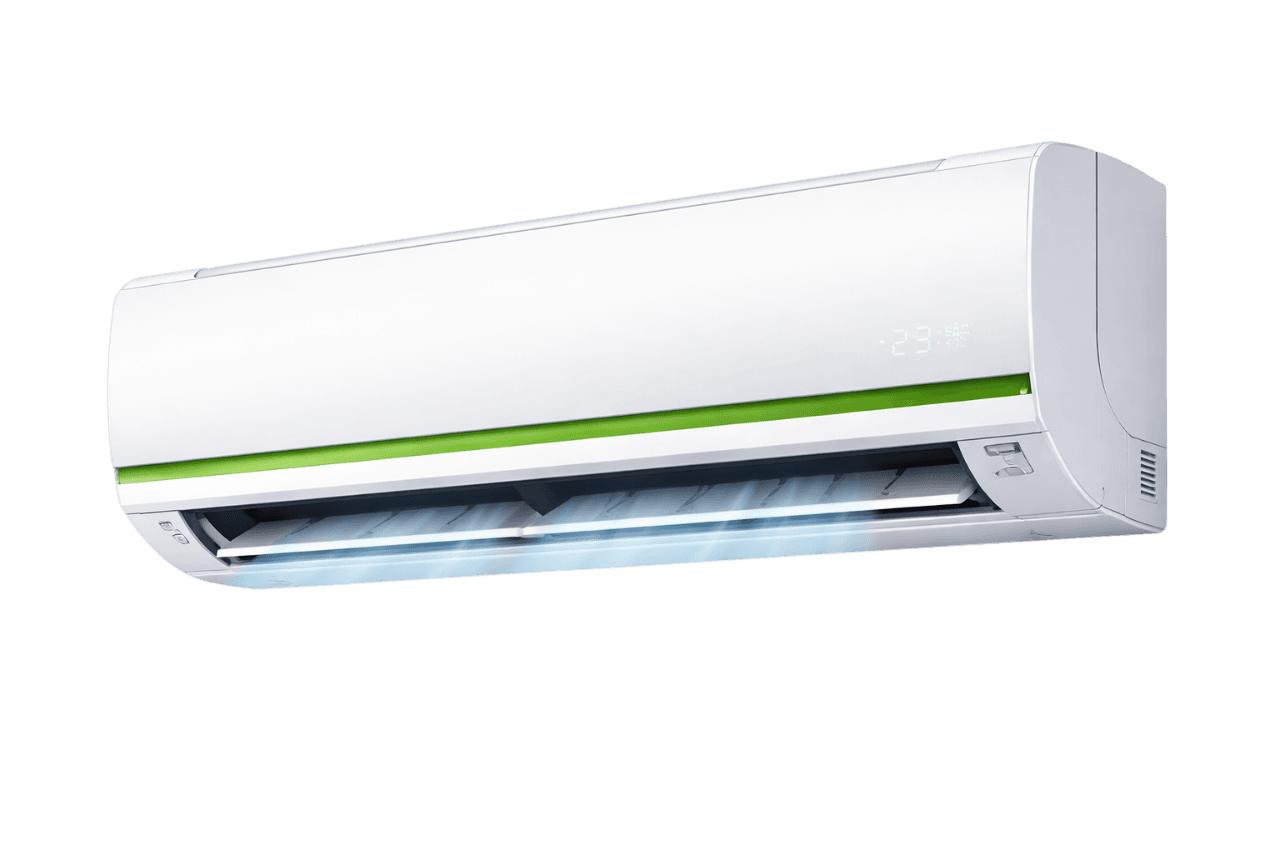
Compress India is a complete split AC partner. Instead of dealing with separate vendors for purchase, fitting and repairs, you get one accountable team for the entire life of your air conditioner.
- Supply: Genuine residential split ACs and commercial split ACs in 1 ton, 1.5 ton, 2 ton and higher capacities, in inverter and non-inverter models.
- Installation: Split AC installation by trained technicians using correct copper piping, insulation, vacuuming and leak testing.
- Service: Routine split AC service, wet service and jet pump cleaning to keep cooling strong.
- Repair: Diagnosis of cooling issues, water leakage, error codes, PCB faults and gas leaks.
- AMC: Comprehensive and non-comprehensive annual maintenance contracts for homes, offices and multi-unit sites.
One call to Compress India covers selection, split air conditioner installation, gas charging and preventive maintenance.
What Is a Split / Hi Wall Air Conditioner?
A split / hi wall air conditioner is a split type air conditioner with two separate sections: a slim indoor unit mounted high on the wall and an outdoor unit placed outside the building. Because the noisy compressor sits outside, the room stays cool and quiet.
It is also called a hi wall AC, high wall split AC, wall mounted split AC or ductless split air conditioner, since it cools the room directly without any ducts. For most homes, bedrooms, cabins and small shops, split / hi wall air conditioning units offer the best balance of cooling performance, running cost and appearance.
How a Split AC Works
A split AC with indoor and outdoor unit works on the vapour compression cycle. Refrigerant absorbs heat from your room indoors and releases it outdoors, again and again, until the set temperature is reached.
Indoor Unit – Cooling the Room
The split AC indoor unit draws warm room air through its filters and passes it over a cold evaporator coil. The coil absorbs heat and moisture, and the blower returns cool, dry air into the room through adjustable louvres.
Outdoor Unit – Releasing Heat Outside
The split AC outdoor unit houses the compressor, condenser coil and fan. It pressurises the refrigerant and throws the absorbed heat into the outside air, which is why it must be placed where hot air can escape freely.
Refrigerant Piping Connecting Both Units
Insulated copper pipes carry refrigerant between the two units, along with the drain pipe and interconnecting cable. Correct pipe sizing, length and insulation directly affect cooling capacity and electricity use.
Remote & Thermostat Control
A built-in thermostat senses room temperature and tells the system when to cool harder or slow down. With the remote or a smart app, you can set temperature, fan speed, sleep mode, timers and swing.
Main Components of a Split AC
Knowing the main parts helps you compare models and understand service reports.
Evaporator Coil & Blower
The evaporator coil inside the indoor unit absorbs heat from room air. The cross-flow blower moves air across the coil and spreads it evenly across the room.
Compressor
The compressor is the heart of the split ac system. It raises refrigerant pressure and temperature so heat can be released outdoors. Inverter compressors vary their speed; fixed-speed compressors switch on and off.
Condenser Coil & Fan
The condenser coil in the outdoor unit releases heat into the atmosphere, helped by a propeller fan. A clean, well-ventilated condenser keeps efficiency high even in peak summer.
Expansion Valve
The expansion valve or capillary reduces refrigerant pressure before it enters the evaporator, making it cold enough to absorb heat from the room.
Air Filters
The split AC air filter traps dust, pet hair and larger particles. Many models add PM 2.5, anti-bacterial or catechin filters for cleaner indoor air.
PCB & Controls
The printed circuit board (PCB) controls the compressor, fans, sensors and display. It also runs protection logic and shows error codes when a fault occurs.
Types of Split / Hi Wall AC Units
Split / Hi Wall Air Conditioning Units come in several types. The right choice depends on how many hours you run the AC, your climate and how many rooms you want to cool.
Inverter Split AC
An inverter split AC adjusts compressor speed to match the room's cooling need. It cools fast, then runs at low speed to hold the temperature steady, which cuts power use, noise and wear. An inverter split AC for home is the preferred choice for bedrooms and living rooms used for long hours.
Non-Inverter (Fixed Speed) Split AC
A fixed-speed split AC runs its compressor at full speed and switches it off once the set temperature is reached. It costs less upfront and suits rooms used for short periods, but it draws more power and causes wider temperature swings.
Hot & Cold Split AC
A hot and cold split AC, also called a split AC with heating or heat pump split AC, reverses the refrigerant cycle to warm the room in winter. This heat pump air conditioner is ideal for hill stations, north India and any space that needs year-round comfort from one unit.
Multi-Split AC Systems
A multi split AC connects two to five indoor units to a single outdoor unit. It saves balcony and facade space in apartments and offices where several rooms need cooling but outdoor space is limited.
Comparison Table – Inverter vs Non-Inverter Split AC
| Parameter | Inverter Split AC | Non-Inverter Split AC |
|---|---|---|
| Compressor operation | Variable speed | Fixed speed, on/off |
| Power consumption | 30–50% lower in long use | Higher |
| Temperature control | Steady, ±0.5–1°C | Fluctuates by 2–3°C |
| Noise level | Lower | Higher at start-up |
| Upfront price | Higher | Lower |
| Voltage handling | Wide operating range | Usually needs a stabilizer |
| Best for | Daily use of 6+ hours | Occasional or short use |
For most Indian homes and offices, the inverter AC vs non inverter AC decision favours inverter models, as the lower electricity bills recover the price difference within a few summers.
Split AC Capacity Guide – How Many Tons Do You Need?
Choosing the correct split AC tonnage is the most important step. An undersized AC runs non-stop without cooling well; an oversized one cycles too often and leaves the room damp. One ton of cooling equals about 12,000 BTU per hour.
1 Ton, 1.5 Ton & 2 Ton Split AC
- 1 Ton Split AC: Suits small bedrooms, study rooms and cabins of up to about 120 sq ft.
- 1.5 Ton Split AC: The most popular size in India, ideal for master bedrooms, living rooms and a split AC for small office use of 120–180 sq ft.
- 2 Ton Split AC: Best for large living rooms, conference rooms and shops of 180–250 sq ft.
For larger halls, 2.5 ton wall mounted units, a 3 ton ac system or ceiling mounted ac unit options such as cassette ACs are more suitable. Very large spaces needing a 4 ton ac system or 5 ton ac system are usually better served by ducted or VRF solutions.
Room Size vs AC Tonnage Chart
| Room Size (sq ft) | Typical Room | Recommended Split AC Capacity |
|---|---|---|
| Up to 100 | Small bedroom, cabin | 0.75–1 ton |
| 100–150 | Bedroom, study | 1 ton |
| 150–180 | Master bedroom, small office | 1.5 ton |
| 180–250 | Living room, meeting room | 2 ton |
| 250–300 | Large hall, showroom | 2.5 ton |
| 300–400 | Open office, retail floor | 3 ton or 2 × 1.5 ton |
This chart assumes a standard 9–10 ft ceiling and normal heat load. Our team confirms the final split AC sizing for your room after a site survey.
Factors Affecting Cooling Load (Sunlight, Occupancy, Floor Level)
- Sunlight: West-facing rooms and large glass windows add heat; add roughly 10–20% capacity.
- Occupancy: Each extra person adds heat; offices and shops with more people need higher capacity.
- Floor level: Top-floor rooms under a roof slab absorb far more heat than middle floors.
- Appliances: Computers, TVs, kitchen equipment and lighting all increase the load.
- Ceiling height and insulation: Higher ceilings and poor insulation need extra cooling.
Not sure how to choose split AC tonnage? Share your room size and photos with Compress India for a free recommendation.
Energy Efficiency & Star Ratings
An AC runs for thousands of hours a year, so split AC energy consumption matters as much as the purchase price. An energy efficient split AC pays for itself through lower monthly bills.
BEE Star Rating Explained
The Bureau of Energy Efficiency (BEE) rates every AC sold in India from 1 to 5 stars. More stars mean lower power consumption for the same cooling. The label also shows the ISEER value and estimated annual units consumed, making it easy to compare models.
ISEER Rating
ISEER (Indian Seasonal Energy Efficiency Ratio) measures how much cooling an AC delivers per unit of electricity across a typical Indian year, factoring in varying outdoor temperatures. A high ISEER air conditioner cools more for every unit you pay for. Inverter 5 star models generally offer the highest ISEER values.
3 Star vs 5 Star Split AC
| Parameter | 3 Star Split AC | 5 Star Split AC |
|---|---|---|
| Upfront cost | Lower | Higher |
| Split AC power consumption | Moderate | Lowest |
| Best for | 4–6 hours daily use | 8+ hours daily use |
| Payback period | Not applicable | Typically 2–4 years of heavy use |
If the AC runs through the night or all day in an office, a 5 star split AC is usually the smarter long-term investment.
How Inverter Technology Saves Electricity
A fixed-speed compressor repeatedly starts at full power, which wastes energy. An inverter compressor avoids these power spikes by running continuously at the speed the room needs. The result is lower split AC power consumption, stable cooling and a longer compressor life.
Refrigerants Used in Split ACs
The split AC refrigerant affects efficiency, environmental impact and servicing. Here is how the common gases compare.
R32
R32 is now the most widely used refrigerant in new ACs in India. An R32 split AC offers high cooling efficiency, needs a smaller refrigerant charge and has a much lower global warming potential than R410A.
R410A
R410A is an ozone-safe refrigerant used in many inverter ACs and commercial systems. It performs well but has a high global warming potential, so manufacturers are gradually moving to R32 and R290.
R290
R290 (propane) is a natural refrigerant with near-zero environmental impact and excellent efficiency. It is used in select energy-efficient models and requires trained technicians for safe handling.
R22 Phase-Out & Older ACs
R22 damages the ozone layer and is no longer used in new ACs in India. Older R22 units can still be serviced, but gas is becoming costlier and harder to source. If your AC is over 8–10 years old and uses R22, upgrading to an inverter R32 model will cut bills significantly.
Key Features to Look for in a Split AC
The best AC for house or office use combines efficiency with features that fit your routine.
Copper vs Aluminium Condenser Coils
Copper coils transfer heat well, resist corrosion better and are easier to repair, which makes them ideal for coastal cities like Mumbai. Aluminium coils cost less but are harder to repair once damaged. Look for anti-corrosion coatings on either type.
Wi-Fi & Smart Controls
A smart split AC or WiFi split AC lets you control temperature, schedules and modes from your phone, track energy use and pre-cool a room before arriving. Many models also work with voice assistants.
PM 2.5 & Anti-Bacterial Filters
A split AC with air purifier filters captures fine PM 2.5 particles, dust and allergens, while anti-bacterial filters limit germ growth. This is valuable in polluted cities and for homes with children or elderly members.
Auto-Clean & Self-Diagnosis
Auto-clean dries the indoor coil after use to prevent mould and odour. Self-diagnosis displays error codes so technicians can identify faults quickly.
Dehumidification (Dry Mode)
Dry mode removes excess moisture during humid monsoon days without over-cooling the room, which is especially useful in Mumbai, Thane and other coastal areas.
Convertible Cooling Modes
Convertible inverter ACs let you run at 40%, 60%, 80% or 100% capacity. Lower modes save power when fewer people are in the room or when the weather is mild.
Low Noise Operation
A low noise split AC runs as quietly as 19–25 dB in silent mode, which is ideal for a split AC for bedroom use, libraries and clinics.
Benefits of Split / Hi Wall ACs
Split / Hi Wall Air Conditioning Units remain India's first choice for room cooling for good reason.
Quiet Indoor Operation
With the compressor outside, only a gentle blower runs indoors. You can sleep, work or hold meetings without the drone of a window unit.
Energy-Efficient Cooling
Inverter compressors, high ISEER ratings and efficient refrigerants make an energy efficient split air conditioner far cheaper to run than older window units.
Sleek Wall-Mounted Design
A wall mounted air conditioner blends into modern interiors, keeps windows free for light and ventilation, and takes up no floor space, unlike a tower AC 1.5 ton floor unit.
Easy Installation
Split AC installation needs only a small wall opening for the pipes. Most residential units are installed and running within a few hours.
Ideal for Individual Rooms
Each room gets its own control, so you cool only the spaces in use. This zone-by-zone approach saves energy in homes and small offices.
Limitations of Split ACs
No system suits every space. Knowing the limits helps you choose correctly.
Limited Coverage for Large Areas
A single hi wall unit throws air mainly in one direction, so large halls or long open offices may have uneven cooling. Cassette, ducted or VRF systems work better there.
Outdoor Unit Space Requirement
The outdoor unit needs a ventilated balcony, ledge, terrace or wall bracket. In some housing societies, facade rules also affect placement.
Piping Length Limits
Each model has a maximum pipe length and height difference between units. Exceeding these reduces cooling and may need extra gas charging.
No Fresh Air Supply
Split ACs recirculate room air and do not bring in fresh outdoor air. Rooms with many occupants may need separate ventilation or a fresh air unit.
Split AC vs Window AC
| Parameter | Split AC | Window AC |
|---|---|---|
| Noise | Quiet indoors | Louder, compressor in the room |
| Energy efficiency | Higher, especially inverter models | Lower in most models |
| Installation | Needs indoor and outdoor space | Needs a window or wall cut-out |
| Look | Sleek wall mounted design | Bulky, blocks the window |
| Capacity range | 0.75 to 2.5 ton | Usually up to 2 ton |
| Price | Higher upfront | Lower upfront |
In the split AC vs window AC debate, split units win on comfort, efficiency and appearance, while window ACs suit tight budgets and rented rooms.
Split AC vs Cassette AC
| Parameter | Split / Hi Wall AC | Cassette AC |
|---|---|---|
| Mounting | High on the wall | Recessed in a false ceiling |
| Air throw | One direction | Four-way, 360° |
| Best for | Bedrooms, cabins, small rooms | Offices, showrooms, restaurants |
| Capacity | 0.75 to 2.5 ton | 1.5 to 4 ton |
| Cost | Lower | Higher, needs false ceiling |
Choose a split AC for individual rooms; choose a ceiling mounted cassette AC when you need even airflow across a larger open area.
Split AC vs VRF / VRV System
| Parameter | Split AC | VRF / VRV System |
|---|---|---|
| Configuration | One indoor to one outdoor unit | Many indoor units on one outdoor system |
| Scale | Rooms and small offices | Entire floors and buildings |
| Efficiency | High for single rooms | Very high for large, varied loads |
| Outdoor space | One unit per room | Compact central outdoor unit |
| Investment | Low to moderate | High, project-based |
For homes and small offices, split ACs are simpler and more economical. For multi-floor offices, hotels and hospitals, split AC vs VRF usually favours VRF. Compress India can help you evaluate both.
Where Split / Hi Wall ACs Are Used
From residential split AC projects to commercial split AC installations, hi wall units cool almost every kind of room.
Homes & Apartments
A split AC for home use fits bedrooms, living rooms and kids' rooms. A wall mounted air conditioner for bedroom use with sleep mode and silent operation delivers restful nights, while a 1.5 or 2 ton split AC for living room use handles guests and family gatherings.
Offices & Cabins
A split AC for office use gives each cabin, conference room and workstation cluster its own control. It is a practical choice for startups, CA firms, consultancies and small corporate offices.
Retail Shops & Showrooms
Shops, boutiques, salons and showrooms use hi wall ACs to keep customers comfortable and products fresh without false-ceiling work.
Clinics & Hospital Rooms
Quiet running, PM 2.5 and anti-bacterial filters make split ACs suitable for doctor cabins, diagnostic rooms, dental clinics and patient rooms.
Hotel Rooms
Individual room control, low noise and simple maintenance make split / hi wall air conditioning units popular with hotels, guest houses and service apartments.
Small Server & Telecom Rooms
Small server rooms, UPS rooms and telecom shelters use split ACs for dedicated round-the-clock cooling. For critical rooms, we can design standby units with auto-changeover.
Top Split AC Brands in India
Compress India supplies and services split ACs from the top air conditioning brands, so you can compare models side by side and choose what fits your budget and requirement.
Daikin
Daikin is known for inverter technology and reliable performance. A daikin split air conditioner offers efficient cooling for homes and offices, and the brand also offers daikin central ac and VRV systems for larger buildings. Ask us for current daikin air conditioner price details.
Voltas
Voltas offers a wide range of inverter and fixed-speed split ACs built for Indian conditions, with strong value across 1 ton to 2 ton capacities.
LG
LG airconditioning products are known for dual inverter compressors, smart controls and convertible modes. From the lg 1 ton air conditioner to 2 ton models, an lg split air conditioner is a popular choice for homes. Contact us for up-to-date lg air conditioner prices.
Samsung
Samsung split ACs feature digital inverter technology, Wi-Fi control and wind-free cooling modes designed for comfort without direct draughts.
Blue Star
Blue Star is an established Indian cooling brand offering durable residential and commercial split ACs with strong after-sales support.
Mitsubishi Electric
Mitsubishi air conditioning is recognised for premium build quality and very quiet operation. A mitsubishi inverter air conditioner or mitsubishi split air conditioner suits high-end homes, offices and executive cabins. We supply mitsubishi air conditioning units and mitsubishi air conditioning systems and share air conditioner mitsubishi price quotations on request.
Carrier
Carrier split air conditioner models offer dependable cooling for homes and commercial spaces. Options such as a carrier 2 ton ac unit suit larger rooms and small offices.
Hitachi
Hitachi split ACs are known for robust compressors and efficient cooling even in very high outdoor temperatures.
Panasonic
A panasonic split air conditioner combines inverter efficiency, air purification features and smart app control for everyday home comfort.
Lloyd
Lloyd offers feature-rich split ACs at competitive prices, making it a good option for budget-conscious homes and rental properties.
Split AC Installation Guide
Even the best AC underperforms if installed poorly. Professional split unit air conditioner installation protects cooling, efficiency and warranty. Here is what our technicians follow on every job.
Choosing the Right Indoor Unit Location
Mount the indoor unit on a strong wall, about 7–8 ft high, with at least 15 cm clearance at the top. Airflow should spread across the room without blowing directly on beds or desks, and the unit should be away from heat sources and direct sunlight.
Outdoor Unit Placement & Stand
Place the outdoor unit in a shaded, well-ventilated spot with enough space around it for hot air to escape. Use a rust-proof wall bracket or floor stand, with anti-vibration pads to reduce noise. Keep it reachable for future service.
Copper Piping Length & Insulation
Keep the copper pipe run as short as practical, ideally 3–5 metres, and within the manufacturer's limit. Both lines must be fully insulated, with the correct diameter for the model. Joints are flared or brazed and leak tested.
Drain Pipe Slope & Condensate Disposal
The drain pipe needs a continuous downward slope, with no loops or dips, and should end in a proper drain point. This prevents water dripping from the indoor unit or on your walls.
Electrical Wiring & Stabilizer Requirement
Use a dedicated MCB and correctly rated copper wiring. Most inverter ACs handle a wide voltage range, but a stabilizer is recommended for non-inverter models and areas with frequent fluctuation.
Vacuuming & Gas Charging
Before opening the refrigerant valves, the piping is vacuumed with a vacuum pump to remove air and moisture. If the pipe length exceeds the pre-charged limit, extra gas is added by weight. Skipping vacuuming is a common cause of poor cooling and compressor failure.
Ask us for a transparent split air conditioner installation cost for your site before work begins.
Split AC Service, Maintenance & AMC
Regular split AC maintenance keeps cooling strong, controls bills and extends the life of your investment.
Filter Cleaning Frequency
Clean the split AC air filter every 2–3 weeks in peak summer and at least monthly otherwise. Dusty filters reduce airflow, cooling and efficiency.
Wet Service & Jet Pump Cleaning
A wet service uses a jet pump to wash the indoor coil, blower and drain tray, and the outdoor condenser. We recommend it before summer and after the monsoon, or 2–3 times a year for heavy use.
Gas Top-Up & Leak Testing
A properly sealed AC should not need frequent gas refilling. If cooling drops, our technicians first locate and repair the leak with pressure testing, then vacuum and recharge the correct refrigerant to specification.
Comprehensive vs Non-Comprehensive AMC
| Parameter | Comprehensive AMC | Non-Comprehensive AMC |
|---|---|---|
| Scheduled services | Included | Included |
| Breakdown visits | Included | Included |
| Spare parts | Most parts included | Charged separately |
| Gas charging | Usually included | Charged separately |
| Best for | Offices, shops, older ACs | New ACs under warranty |
Our AMC plans cover single homes as well as offices and multi-unit commercial sites.
Common Split AC Problems & Solutions
AC Not Cooling Properly
Causes: Dirty filters or coils, low gas, wrong tonnage or a blocked outdoor unit. Solution: Clean filters, schedule a wet service and have a technician check gas pressure and airflow.
Water Leakage from Indoor Unit
Causes: Blocked drain pipe, poor drain slope or a tilted indoor unit. Solution: Clear the drain line, correct the slope and level the unit.
Ice Formation on the Coil
Causes: Low refrigerant, dirty filters or a weak blower. Solution: Switch the AC off to defrost, then book an inspection for leaks and airflow.
Bad Smell from the AC
Causes: Mould, bacteria or stagnant water in the coil or drain tray. Solution: A thorough wet service with coil cleaner and regular dry mode or auto-clean use.
Noise or Vibration
Causes: Loose panels, a damaged fan, worn mounts or an unbalanced outdoor unit. Solution: Tighten fittings, fit anti-vibration pads and replace damaged parts.
Error Codes on Display
Causes: Sensor faults, communication errors, gas issues or PCB problems. Solution: Note the code and share it with our team; we diagnose brand-specific error codes quickly.
Frequent Tripping
Causes: Undersized wiring or MCB, a short circuit, compressor overload or voltage fluctuation. Solution: Stop using the AC and get an electrical and compressor check done immediately.
Split AC Price in India
Split AC price in India depends on capacity, star rating, brand, features and installation needs. The ranges below are indicative market figures to help you plan your budget. Contact Compress India for exact, up-to-date split air conditioner price quotations.
1 Ton, 1.5 Ton & 2 Ton Split AC Price Range
| Capacity | 3 Star Inverter (approx.) | 5 Star Inverter (approx.) |
|---|---|---|
| 1 Ton Split AC | ₹26,000 – ₹34,000 | ₹32,000 – ₹42,000 |
| 1.5 Ton Split AC | ₹30,000 – ₹42,000 | ₹38,000 – ₹55,000 |
| 2 Ton Split AC | ₹40,000 – ₹55,000 | ₹48,000 – ₹70,000 |
Premium brands and models with advanced purification or heating cost more. For a split air conditioner 1 ton, the 1 tonne ac price is lowest; the ac price 1.5 ton split sits in the middle and is the most requested. The 1.5 ton ac unit price and 1.5 ton ac unit cost also vary by coil type and smart features. Larger capacities, including ac unit 2.5 ton price, 3 ton air conditioner cost and ac 5 ton price, are quoted per project, as are ducted air conditioning price estimates for full-home or office systems.
Installation Charges
Standard split AC installation usually includes mounting the indoor and outdoor units, up to a set length of copper piping, drain pipe and wiring connections. Additional charges may apply for:
- Extra copper piping beyond the standard length
- Outdoor unit stand or wall bracket
- Core cutting through concrete walls
- Extra gas charging for long pipe runs
- Dedicated electrical point, MCB or stabilizer
- Uninstallation and reinstallation of an existing AC
We share the full split aircon installation cost upfront, with no surprise add-ons.
Factors Affecting Price
- Capacity (1, 1.5, 2 ton or higher)
- Star rating and ISEER value
- Inverter or non-inverter compressor
- Copper or aluminium coils
- Smart, Wi-Fi and air purification features
- Hot and cold heating function
- Brand and warranty terms
- Site conditions, piping length and accessories such as a split ac cover for the outdoor unit
Split AC Supply, Installation & Service in Mumbai, Navi Mumbai & Thane
Compress India supplies, installs and services Split / Hi Wall Air Conditioning Units across Mumbai, Navi Mumbai and Thane. Our local teams understand the region's high humidity, salty coastal air and tight balcony spaces, and plan every installation accordingly.
We work with homeowners, housing societies, offices, retail chains, clinics, hotels and builders. Whether you need a single split AC installation in Andheri, an office fit-out in Vashi or an AMC for a housing complex in Thane, our team responds quickly and delivers on schedule.
Why Choose Compress India for Split ACs?
We are not just a split AC supplier. We are your long-term cooling partner, from selection to service.
Multi-Brand Supply
We offer split ACs from leading brands, so you get unbiased recommendations and competitive prices in one place.
Correct Tonnage Selection
Our engineers calculate the cooling load based on room size, sunlight, occupancy and floor level, so you pay only for the capacity you need.
Professional Installation
Trained technicians, proper vacuuming, quality copper piping and neat finishing protect your AC's performance and warranty.
Repair & Gas Charging
Fast diagnosis, genuine spares and leak-first gas charging restore cooling without repeat visits.
AMC & Preventive Maintenance
Flexible comprehensive and non-comprehensive AMC plans keep your ACs running efficiently all year.
Commercial & Bulk Projects
We handle multi-unit supply and installation for offices, hotels, hospitals, schools and residential projects, with dedicated project coordination and competitive bulk pricing.
Get a Split AC Solution from Compress India
Ready to upgrade to quiet, efficient cooling? Tell us about your space, and we will recommend the right split / hi wall air conditioning unit with a clear, all-inclusive quotation.
Connect with Our HVAC Team
Call, WhatsApp or fill out our enquiry form with your room size, location and preferred brand. Our HVAC team will get back to you with expert advice, a site visit if needed, and a competitive quote. Request your free split AC quotation today.
Related Air Conditioning Solutions
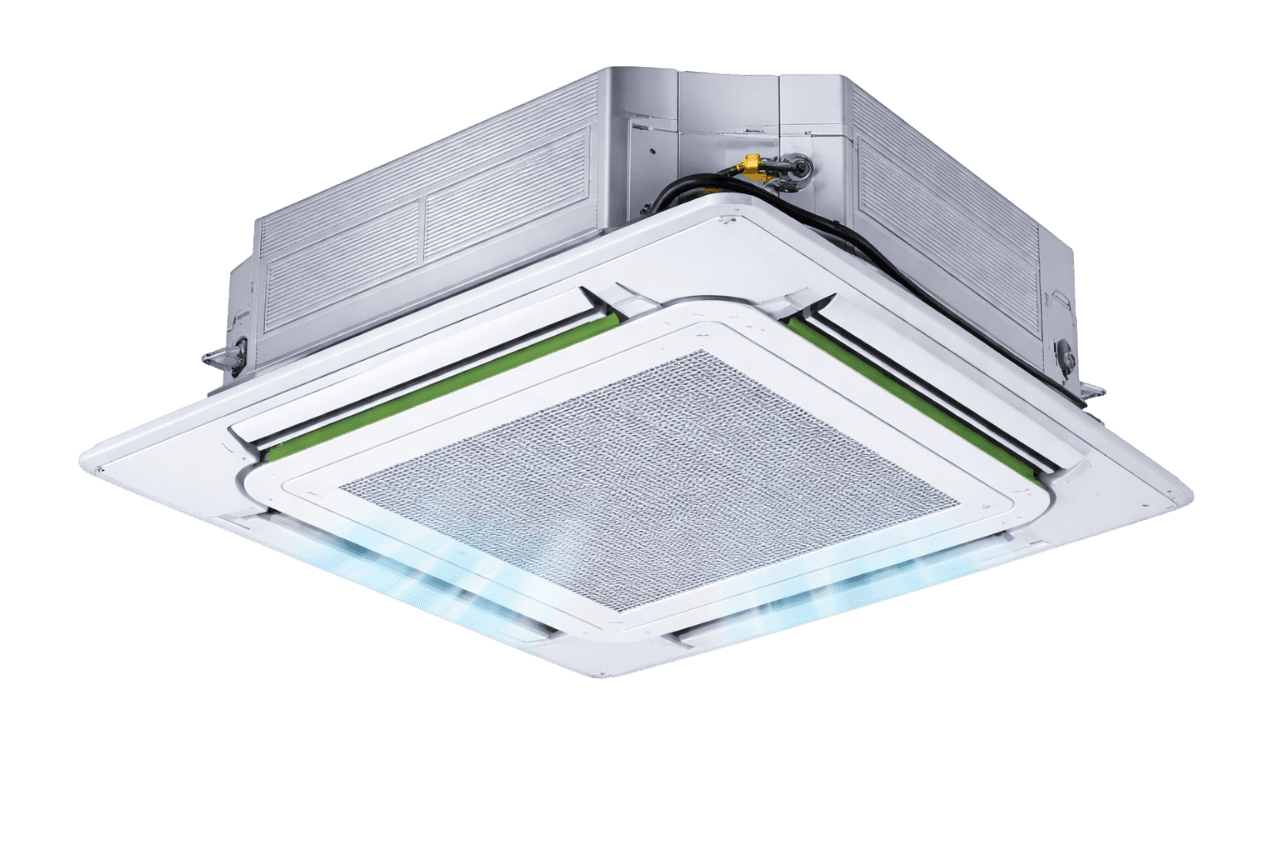
Cassette Air Conditioning Units
Learn More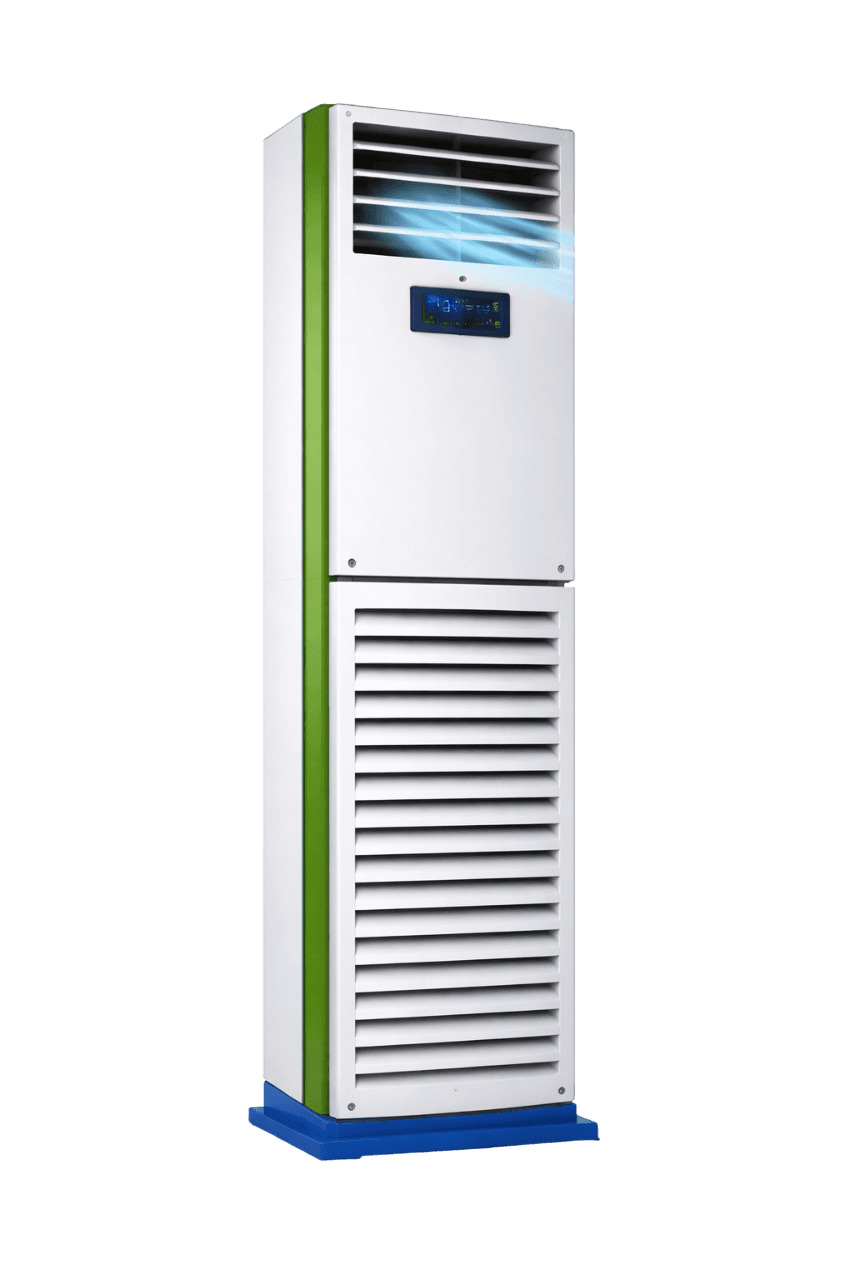
Floor Standing Air Conditioning Units
Learn More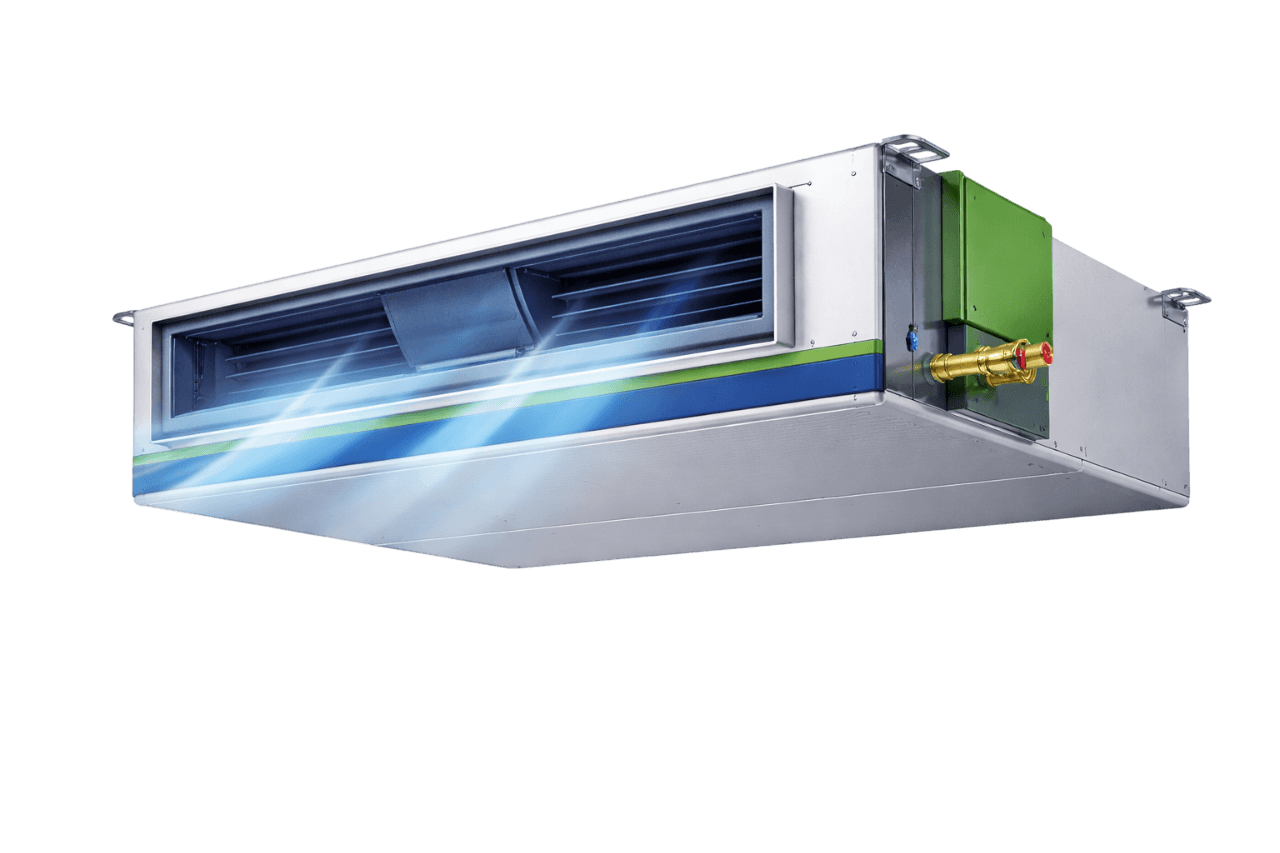
Ducted Air Conditioning Units
Learn More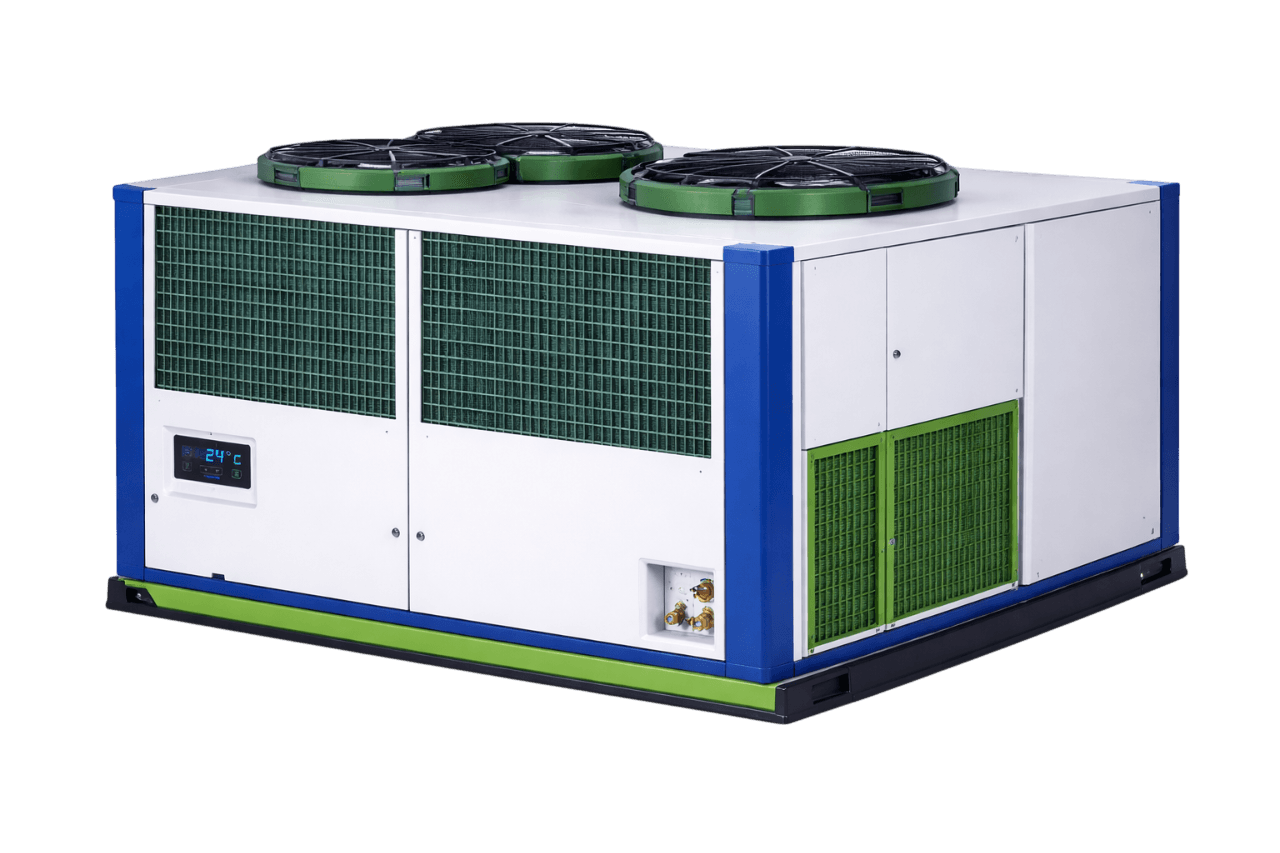
Packaged Air Conditioning Units
Learn More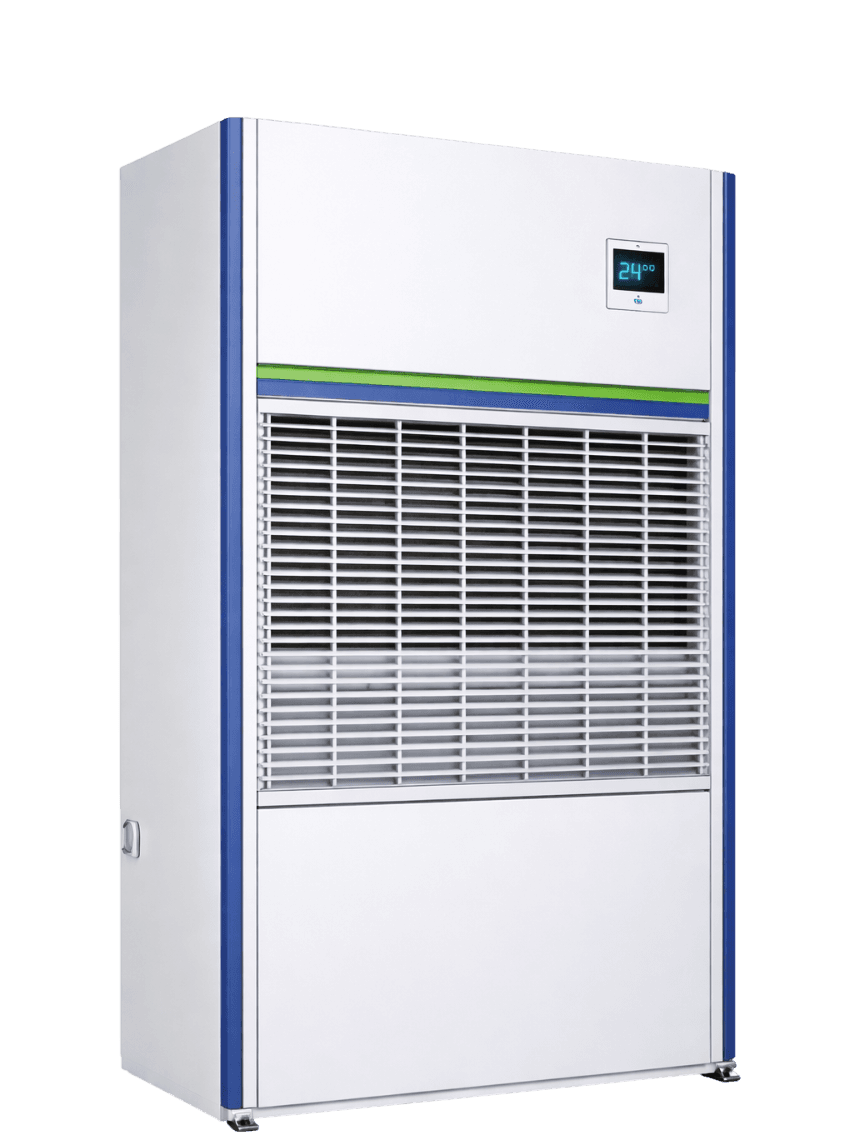
Packaged (Split Type) Air Conditioning Units
Learn MoreFrequently Asked Questions
Q1: What is a split / hi wall air conditioner?
It is an AC with a slim indoor unit mounted high on the wall and a separate outdoor unit, connected by refrigerant piping. The compressor stays outside, so indoor operation is quiet and efficient.
Q2: How does a split AC work?
The indoor unit absorbs heat from room air using a cold evaporator coil. Refrigerant carries that heat through copper pipes to the outdoor unit, where the compressor and condenser release it outside.
Q3: Which is better: inverter or non-inverter split AC?
For daily use of more than a few hours, an inverter split AC is better. It uses less electricity, maintains a steadier temperature and runs quieter. Non-inverter models suit occasional use and tighter budgets.
Q4: How many tons of AC do I need for my room?
As a general guide, choose 1 ton for up to 120 sq ft, 1.5 ton for 120–180 sq ft and 2 ton for 180–250 sq ft. Add capacity for top floors, west-facing rooms and high occupancy. Compress India offers free tonnage recommendations.
Q5: Is a 5 star split AC worth buying?
Yes, if you run the AC for long hours. A 5 star inverter model costs more upfront but saves considerably on electricity, often recovering the difference within a few years.
Q6: What is ISEER rating in ACs?
ISEER (Indian Seasonal Energy Efficiency Ratio) shows how efficiently an AC cools across a typical Indian year. A higher ISEER means more cooling for each unit of electricity.
Q7: Which refrigerant is best for split ACs?
R32 is currently the most balanced choice, offering high efficiency and a lower environmental impact than R410A. R290 is the most eco-friendly option and is available in select models.
Q8: What is the difference between a split AC and a window AC?
A split AC has separate indoor and outdoor units, making it quieter, more efficient and better looking. A window AC is a single box fitted in a window; it is cheaper but noisier and less efficient.
Q9: How often should a split AC be serviced?
Clean filters every 2–4 weeks and schedule a professional wet service 2–3 times a year. Commercial and heavily used ACs benefit from quarterly servicing under an AMC.
Q10: Why is my split AC leaking water?
Water leakage is usually caused by a blocked drain pipe, poor drain slope, a dirty filter causing coil icing, or an unlevelled indoor unit. A technician can clear and correct it quickly.
Q11: What is the price of a 1.5 ton split AC in India?
A 1.5 ton split AC typically costs about ₹30,000 to ₹55,000, depending on brand, star rating and features. Installation is extra. Contact Compress India for current prices and offers.
Q12: Does Compress India provide split AC installation and service in Mumbai?
Yes. Compress India provides split AC supply, installation, repair, gas charging and AMC across Mumbai, Navi Mumbai and Thane for homes, offices and commercial projects. Get in touch today for a free quotation.