CRAC Units (Computer Room Air Conditioning)
(Design, Supply, Installation, Commissioning, Service & AMC for Precision Cooling Systems)
Design, Supply, Installation, Commissioning, Service & AMC for Precision Cooling Systems
Servers, storage systems, and network equipment generate heat every second of every day. If that heat is not removed precisely and continuously, equipment slows down, fails, or shuts down, and your business stops. A normal comfort AC is not built for this job. CRAC Units (Computer Room Air Conditioning units) are.
A CRAC unit is a precision air conditioner designed for data centers, server rooms, telecom rooms, and other mission-critical spaces. It delivers high sensible cooling, tight temperature and humidity control, and reliable 24/7 operation with built-in redundancy. Compress India designs, supplies, installs, commissions, and maintains CRAC units and precision cooling systems for data centers, enterprises, banks, hospitals, and telecom operators.
Need reliable cooling for your data center or server room? Share your IT load and room details with Compress India and get a precision cooling design and quotation.
-Photoroom.png&w=3840&q=75)
Compress India offers complete, end-to-end solutions for CRAC units and precision cooling, managed by one experienced team:
- Design: IT load assessment, CRAC cooling load calculation, airflow planning, redundancy design, and hot aisle and cold aisle layouts.
- Supply: DX CRAC units, chilled water CRAH units, in-row coolers, remote condensers, dry coolers, and controls from leading precision cooling brands.
- Installation: Unit placement, raised floor coordination, refrigerant piping, outdoor condensers, drains, humidifier water supply, electrical work, and leak detection.
- Commissioning: Startup, heat load testing, controller setup, lead-lag configuration, and BMS or DCIM integration.
- Service & AMC: Quarterly preventive maintenance, 24/7 breakdown support, retrofits, and annual maintenance contracts.
What Is a CRAC Unit?
A CRAC unit, short for Computer Room Air Conditioner, is a precision cooling unit designed to maintain stable temperature and humidity in rooms housing IT and electronic equipment. In HVAC terms, a CRAC unit is a self-contained DX (direct expansion) air conditioner with its own compressor, evaporator coil, fans, humidifier, reheat, and microprocessor controller.
Unlike a comfort AC designed for people, a computer room air conditioner is designed for machines. It removes large amounts of sensible heat, runs continuously all year, holds temperature and humidity within narrow limits, and offers redundancy features to prevent downtime.
CRAC units are also called precision air conditioners, close control units, or data center air conditioners.
Why Data Centers & Server Rooms Need Precision Cooling
Continuous 24/7 Heat Removal
IT equipment runs around the clock. Data center precision cooling must operate continuously, 365 days a year, without interruption.
Tight Temperature & Humidity Control
Servers need stable inlet temperatures. Too much humidity risks condensation, while too little increases static electricity. CRAC temperature control and CRAC humidity control keep both within safe limits.
High Sensible Heat Loads from IT Equipment
IT equipment produces almost entirely sensible heat. Precision units are designed with a high sensible heat ratio to remove this heat efficiently.
Protection Against Downtime
Cooling failures can cause overheating and outages within minutes. Precision cooling systems include redundancy, standby changeover, and alarms to protect critical operations.
How a CRAC Unit Works
DX Refrigeration Inside the Unit
A DX CRAC unit contains compressors and an evaporator coil. Refrigerant absorbs heat from the room air passing over the coil, cooling it before it returns to the IT equipment.
EC Fans Delivering High Airflow
CRAC EC fans move large volumes of air efficiently, with variable speed control that matches airflow to the IT load.
Air Distribution Through Raised Floor or Ducts
In downflow units, cool air is pushed into the raised floor void and delivered through perforated tiles in front of the racks. Other units supply air through ducts or directly into the room.
Humidification & Reheat for Humidity Control
A built-in humidifier adds moisture when humidity is low. Electric reheat is used during dehumidification to prevent overcooling.
Heat Rejection Through Remote Condenser or Dry Cooler
Heat absorbed from the room is rejected outdoors through an air cooled remote condenser, a water cooled condenser, or a glycol dry cooler.
Microprocessor-Based Control
An intelligent controller manages compressors, fans, humidifier, reheat, alarms, and communication with building systems.
Main Components of a CRAC Unit
Scroll / Inverter Compressors
Scroll compressors provide reliable cooling. A CRAC inverter compressor varies capacity to match load for better efficiency.
Evaporator Coil
A high-efficiency coil designed for high sensible cooling removes heat from the room air.
EC Fans
EC fans offer high airflow, low energy use, and variable speed control.
Air Filters
Filters keep dust away from IT equipment and the evaporator coil.
Humidifier
An electrode or infrared humidifier maintains the required humidity level.
Electric Reheat
Reheat elements maintain temperature during dehumidification.
Electronic Expansion Valve (EEV)
The EEV precisely controls refrigerant flow for stable, efficient operation.
Microprocessor Controller & Sensors
Temperature and humidity sensors feed the controller, which manages operation, alarms, and communication.
Remote Air Cooled Condenser / Dry Cooler
The CRAC unit condenser, or a dry cooler, rejects heat to the outdoor air.
Types of CRAC Units by Airflow
Downflow (Underfloor) CRAC Units
A downflow CRAC unit draws warm air from the top and discharges cool air downward into a raised floor. It is the most common arrangement for raised floor CRAC units and underfloor data center cooling.
Upflow CRAC Units
An upflow CRAC unit draws air from the bottom or front and discharges it upward into ducts or a ceiling plenum. It suits rooms without a raised floor.
Frontal / Displacement Flow CRAC Units
These units discharge air horizontally at low velocity into the room. They suit small server rooms and telecom rooms.
In-Row DX Cooling Units
In-row units sit between server racks and cool air right at the source. They are ideal for high density data center cooling.
Ceiling-Mounted Precision Units for Small Server Rooms
Compact ceiling-mounted precision units save floor space in small server and network rooms.
Types of CRAC Units by Heat Rejection
Air Cooled CRAC with Remote Condenser
An air cooled CRAC unit, or air cooled DX CRAC, connects to an outdoor condenser through refrigerant piping. This split CRAC system with an outdoor condenser is the most common type.
Water Cooled CRAC Units
A water cooled CRAC unit, or water cooled DX CRAC, rejects heat to condenser water from a cooling tower or building water loop.
Glycol Cooled CRAC with Dry Cooler
A glycol cooled CRAC unit uses a glycol loop and outdoor dry cooler, allowing longer distances between indoor and outdoor units.
Dual Cooling (DX + Chilled Water) Units
Dual cooling units combine DX and chilled water coils, with either one acting as the main cooling source and the other as backup.
CRAC Units with Free Cooling / Economizer
CRAC free cooling uses cool outdoor air or glycol to reduce compressor operation when outdoor conditions allow.
CRAC vs CRAH Units
- Cooling Source: A CRAC unit has its own compressor and uses DX refrigeration. A CRAH unit (Computer Room Air Handler) uses chilled water from a central chiller plant.
- Plant Required: CRAC units work independently with an outdoor condenser; CRAH units need a chilled water plant.
- Scale: CRAC units suit small to medium data centers and server rooms; CRAH units suit large data centers with central chillers.
- Efficiency: CRAH units with efficient chillers can offer lower energy use at scale.
- Best For: DX CRAC for server rooms, enterprise data centers, and telecom rooms. Chilled water CRAH for large and hyperscale data centers.
When comparing CRAC vs CRAH, or DX CRAC vs chilled water CRAH, Compress India recommends the right option for your facility size and infrastructure.
CRAC Unit vs Comfort Air Conditioner
- Design Purpose: CRAC units are designed for IT equipment; comfort ACs are designed for people.
- Sensible Heat Ratio: CRAC units have a high SHR, typically 0.9 or above, while comfort ACs are around 0.65–0.75.
- Operation: CRAC units are built for 24/7/365 duty; comfort ACs are designed for intermittent use.
- Control: CRAC units control temperature and humidity tightly; comfort ACs offer basic temperature control.
- Airflow: CRAC units deliver much higher airflow per kW.
- Redundancy: CRAC units support lead-lag and standby changeover.
When comparing CRAC vs split AC, split ACs may seem cheaper, but they are not designed for continuous IT loads and risk failures and downtime.
CRAC Unit vs In-Row Cooling
- Location: Perimeter CRAC units sit along room walls; in-row units sit between racks.
- Air Path: CRAC units use raised floors or room air; in-row units cool air right at the rack.
- Density: In-row cooling handles higher rack densities more effectively.
- Scalability: In-row units can be added rack by rack.
- Best For: Perimeter CRAC for traditional data centers and server rooms; in-row cooling for high-density racks and containment designs.
When comparing CRAC vs in-row cooling, many facilities use both together for the best results.
Temperature & Humidity Standards for Data Centers
ASHRAE TC 9.9 Thermal Guidelines
ASHRAE TC 9.9 publishes widely followed thermal guidelines for data processing environments, defining recommended and allowable ranges for IT equipment.
Recommended Inlet Temperature & Humidity
For most IT equipment, the recommended server inlet temperature range is 18°C to 27°C. Humidity is managed within a recommended dew point range and a maximum relative humidity of about 60%. Always check the latest guidelines and equipment manufacturer requirements.
Sensible Heat Ratio (SHR)
The CRAC sensible heat ratio shows how much of the unit's capacity goes into sensible cooling. For data centers, a high CRAC sensible cooling capacity is essential.
CRAC Unit Design & Sizing
IT Load (kW) Calculation
CRAC unit sizing starts with the total IT load in kW, plus lighting, UPS losses, people, and building heat gains.
Airflow per kW & CFM Selection
Airflow is selected based on the temperature rise across the IT equipment, typically around 120–160 CFM per kW depending on design delta-T.
Room Size & Rack Density
Room dimensions, rack count, and kW per rack decide the number, type, and placement of units.
Redundancy – N+1 & 2N
N+1 CRAC redundancy adds one standby unit beyond what is required. 2N provides a fully duplicated system for maximum reliability.
Hot Aisle / Cold Aisle Layout
Racks are arranged so cold air enters from the front and hot air exits from the back into separate aisles, which is the foundation of hot aisle cold aisle cooling.
Raised Floor & Perforated Tile Planning
Floor height, tile placement, and open area are planned for even airflow to every rack.
Return Air Path Design
A clear return air path, often through a ceiling plenum, brings hot air back to the units without mixing with cold air.
Airflow Management & Containment
Cold Aisle Containment
Enclosing the cold aisle keeps cool air in front of the racks and prevents mixing with hot air.
Hot Aisle Containment
Enclosing the hot aisle captures exhaust air and returns it directly to the cooling units.
Blanking Panels & Cable Cut-Out Sealing
Blanking panels in empty rack spaces and sealed floor cut-outs prevent air bypass and recirculation.
Preventing Hot Spots
Good airflow management, correct tile placement, and containment eliminate hot spots in server racks.
Energy Efficiency in CRAC Units
EC Fans & Variable Speed Compressors
Variable speed CRAC units, with EC fans and inverter compressors, match cooling output to IT load and reduce energy use significantly.
Free Cooling & Economizers
Free cooling reduces compressor hours when outdoor conditions allow.
Higher Supply Air Temperatures
Operating at higher CRAC supply air temperatures within recommended limits improves efficiency.
Improving PUE with Precision Cooling
Efficient CRAC units, containment, and smart controls lower cooling energy and improve Power Usage Effectiveness (PUE). An energy efficient CRAC unit for a data center pays back through lower operating costs.
CRAC Controls, Monitoring & DCIM Integration
Microprocessor Controller Functions
Controllers manage temperature, humidity, fan speed, compressor staging, alarms, and event logs.
Lead-Lag Rotation & Standby Changeover
Units rotate duty to equalise run hours, and standby units start automatically if a running unit fails.
BMS & DCIM Integration (SNMP / Modbus / BACnet)
CRAC BMS integration and CRAC DCIM integration through SNMP, CRAC Modbus, or CRAC BACnet connect units to building and data center management systems.
Remote Monitoring & Alarms
CRAC remote monitoring sends alerts by email, SMS, or dashboards so issues are addressed immediately.
Water Leak Detection
Leak detection cables under raised floors alert operators to water from drains, humidifiers, or pipes.
Benefits of CRAC Units
Precise Temperature & Humidity Control
Stable conditions protect IT equipment and extend its life.
High Sensible Cooling Capacity
Designed specifically for the sensible heat produced by IT equipment.
24/7 Reliable Operation
Industrial-grade components are built for continuous operation.
Built-In Redundancy & Changeover
Lead-lag and standby features prevent cooling interruptions.
Protects Critical IT Equipment
Precision cooling reduces the risk of hardware failure and downtime.
Independent of a Chilled Water Plant
DX CRAC units work without a central chiller, which is ideal for standalone server rooms.
Limitations of CRAC Units
Higher Cost Than Comfort ACs
Precision units cost more upfront, but they deliver far greater reliability and control.
Higher Energy Use Than CRAH with Efficient Chillers
In large facilities, chilled water CRAH units may be more efficient.
Refrigerant Piping Limits to Remote Condensers
The distance and height between indoor units and outdoor condensers are limited.
Floor Space Inside the White Space
Perimeter units occupy space inside the data hall.
Noise in the Server Room
High airflow units create noise inside the room, which is normal for data centers.
Compress India designs each installation to balance reliability, efficiency, and space.
Where CRAC Units Are Used
Data Centers
A CRAC unit for data centers provides reliable perimeter or in-row cooling for enterprise and colocation facilities.
Server Rooms
A CRAC unit for server rooms delivers precise, 24/7 cooling for company IT infrastructure.
Telecom & Switch Rooms
A CRAC unit for telecom rooms protects network and switching equipment.
UPS & Battery Rooms
Precision cooling protects UPS systems and extends battery life.
Control Rooms
Control rooms in plants, utilities, and transport hubs need stable conditions for equipment and operators.
Laboratories & Test Rooms
Labs and test rooms need tight temperature and humidity control.
MRI & CT Scan Equipment Rooms
Medical imaging equipment rooms require precise, reliable cooling.
Banks & Financial Data Rooms
Banks rely on precision cooling to protect critical financial systems.
Top CRAC Unit Brands in India
Compress India supplies and installs CRAC units from leading precision cooling brands, recommending the right option for your capacity, redundancy, and budget.
Vertiv (Liebert)
Vertiv CRAC units, formerly known as Liebert CRAC units, are widely used in data centers and server rooms across India.
Schneider Electric (Uniflair)
Schneider Electric's Uniflair range offers perimeter and in-row precision cooling solutions.
STULZ
STULZ CRAC units are known for precision air conditioning and close control solutions for data centers.
Rittal
Rittal offers rack-based and room-level cooling solutions for IT environments.
Blue Star
Blue Star offers precision air conditioners for data centers and server rooms in India.
Mitsubishi Electric (Climaveneta)
Mitsubishi Electric, through its Climaveneta range, offers precision cooling units for mission-critical applications.
Other Precision Cooling Brands
Other options include Airedale and Daikin precision cooling units. Compress India recommends the best-fit brand based on your requirements.
CRAC Unit Installation Guide
Correct CRAC unit installation is critical for reliability. Compress India follows proven data center installation practices.
Room Sealing & Vapour Barrier
The room is sealed and fitted with a vapour barrier to keep humidity stable and prevent air leakage.
Raised Floor & Floor Stand
Units are installed on floor stands aligned with the raised floor, with proper levelling and vibration isolation.
Unit Placement Relative to Racks
Units are placed at the ends of hot aisles or perpendicular to rack rows for effective airflow.
Refrigerant Piping to Remote Condenser
Refrigerant piping is sized and routed within manufacturer limits, brazed with nitrogen purging, pressure tested, and vacuumed.
Outdoor Condenser Placement
Condensers are placed with good airflow, clearances, and protection from hot air recirculation.
Condensate Drain & Humidifier Water Supply
Drain lines and humidifier water supply are installed with traps, isolation valves, and leak protection.
Dual Power Supply & Electrical Protection
Units are connected to dual power feeds with proper protection to ensure continuous operation.
Water Leak Detection Installation
Leak detection cables are laid under the raised floor around units and water lines.
Commissioning & Heat Load Testing
Units are commissioned, controllers are configured, and heat load testing verifies cooling performance before IT equipment goes live.
CRAC Service, Maintenance & AMC
CRAC maintenance is essential for uptime. Compress India offers preventive maintenance and 24/7 AMC plans for precision cooling units of all major brands.
Quarterly Preventive Maintenance
Scheduled quarterly visits cover inspections, cleaning, testing, and performance checks.
Filter Replacement
Filters are replaced regularly to maintain airflow and protect equipment.
Humidifier Cylinder Replacement
Humidifier cylinders are inspected and replaced as they wear out.
Compressor & Refrigerant Checks
Compressor current, pressures, and refrigerant charge are checked to prevent failures.
Condenser Coil Cleaning
Outdoor condenser coils are cleaned to maintain heat rejection and prevent high-pressure trips.
Sensor Calibration & Controller Checks
Sensors are calibrated and controller settings verified for accurate control.
24/7 Breakdown Support
Our team provides round-the-clock support for critical cooling failures.
Common CRAC Unit Problems & Solutions
High Temperature Alarms
Causes: unit failure, blocked airflow, dirty filters, or increased IT load.
Solution: Check unit operation, clean filters, improve airflow, and review capacity.
High / Low Pressure Trips
Causes: dirty condenser, refrigerant leak, or fan failure.
Solution: Clean condensers, repair leaks, and check fans.
Humidifier Faults
Causes: worn cylinders, poor water supply, or scaling.
Solution: Replace cylinders and check the water supply and drain.
Water Leakage Under the Raised Floor
Causes: blocked drains, humidifier overflow, or pipe leaks.
Solution: Clean drains, repair leaks, and test leak detection.
Hot Spots in Server Racks
Causes: poor airflow management, missing blanking panels, or wrong tile placement.
Solution: Add containment and blanking panels, and rebalance tiles.
Compressor Short Cycling
Causes: oversized units, control issues, or low load.
Solution: Adjust control settings, use inverter compressors, or rebalance units.
Sensor & Controller Faults
Causes: failed sensors or controller errors.
Solution: Recalibrate or replace sensors and update controllers.
CRAC Retrofit & Upgrades
EC Fan Retrofit
Replacing old fans with EC fans cuts energy use and improves airflow control.
Replacing Old CRAC Units
Ageing units can be replaced with modern, efficient precision units with better controls.
Adding Aisle Containment
Hot or cold aisle containment improves cooling efficiency and removes hot spots.
Upgrading to Inverter & Free Cooling Units
Inverter CRAC units and free cooling options reduce energy consumption.
Moving to In-Row Cooling
High-density areas can be upgraded with in-row cooling units.
CRAC Unit Price in India
The CRAC unit price in India depends on cooling capacity, unit type, airflow configuration, heat rejection method, redundancy, and installation scope. Compress India provides a detailed quotation after understanding your requirements.
CRAC Price by kW / TR Capacity
Higher capacity units cost more. Inverter compressors, EC fans, free cooling, and dual cooling features add to the price but reduce operating costs.
Installation & Piping Cost
Refrigerant piping, outdoor condensers, floor stands, drains, electrical work, and leak detection form part of the installed cost.
Factors Affecting Total Project Cost
Brand, capacity, number of units, redundancy level, containment, controls, and site conditions all affect the final price.
Share your IT load and room layout with Compress India to receive an accurate CRAC unit quotation.
CRAC Unit Supply, Installation & Service in Mumbai, Navi Mumbai & Thane
As an experienced CRAC unit supplier, Compress India provides precision cooling design, supply, installation, commissioning, and 24/7 AMC across Mumbai, Navi Mumbai, and Thane. The region is home to many data centers, banks, and corporate IT facilities, and we understand how critical uninterrupted cooling is to your operations.
From small server rooms to enterprise data centers, our local team offers fast response and dependable support.
Why Choose Compress India for CRAC Units?
Data Center Cooling Design
We design precision cooling systems based on IT load, rack density, redundancy, and future growth.
Multi-Brand Precision Cooling Supply
We work with leading brands and recommend the best-fit CRAC unit for your facility.
Airflow Management & Containment
We design and install containment, blanking, and floor tile layouts for efficient airflow.
Refrigerant Piping & Condenser Installation
Our trained team installs piping and condensers to manufacturer standards.
BMS & DCIM Integration
We integrate CRAC units with BMS and DCIM platforms for full visibility.
Testing & Commissioning
Every installation is commissioned with heat load testing and controller configuration.
24/7 AMC & Breakdown Support
We provide preventive maintenance and round-the-clock breakdown support.
Get a CRAC Unit Solution from Compress India
Protect your IT infrastructure with reliable precision cooling. Compress India delivers complete CRAC unit solutions for data centers and server rooms, from design and supply to installation, commissioning, and 24/7 service.
Connect with Our HVAC Team
Share your IT load, rack layout, and room details with our team. Call us or fill in the enquiry form to schedule a site survey and receive a detailed precision cooling design and quotation.
Related Precision Air Conditioning Solutions
Along with CRAC units, Compress India offers CRAH units, in-row cooling, chillers, VRF systems, AHUs, and complete HVAC solutions for mission-critical facilities.
-Photoroom.png&w=3840&q=75)
CRAH Units
Learn More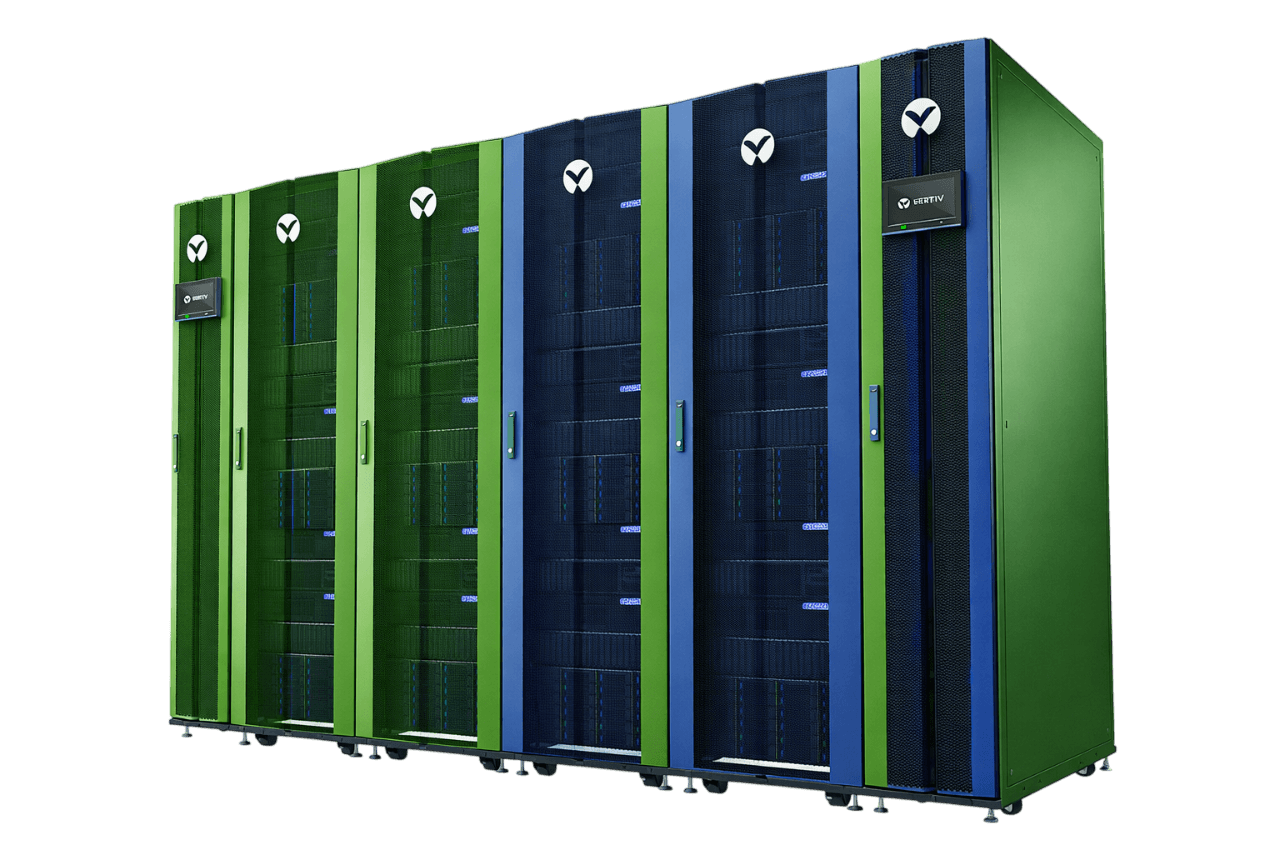
In-Row Cooling Systems
Learn More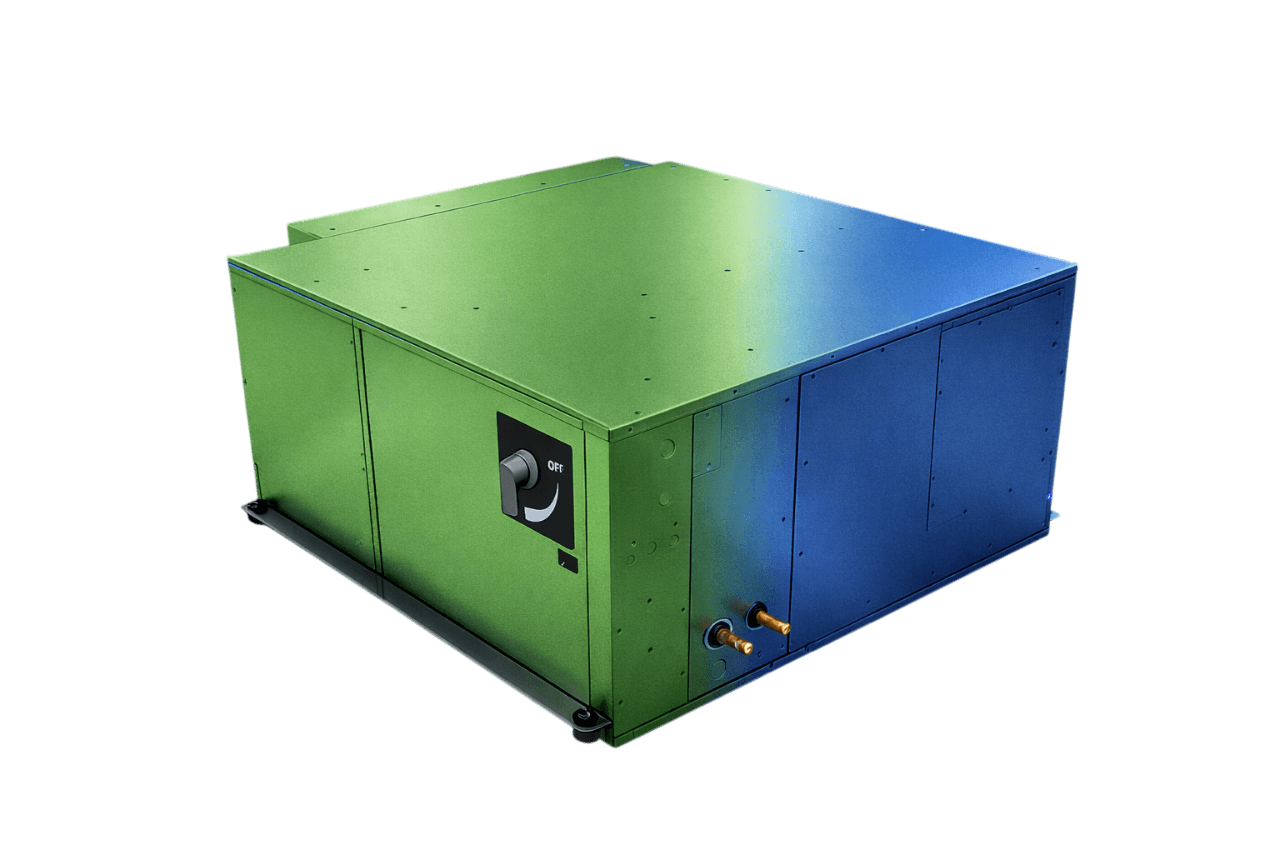
Ceiling Mounted Precision Units
Learn More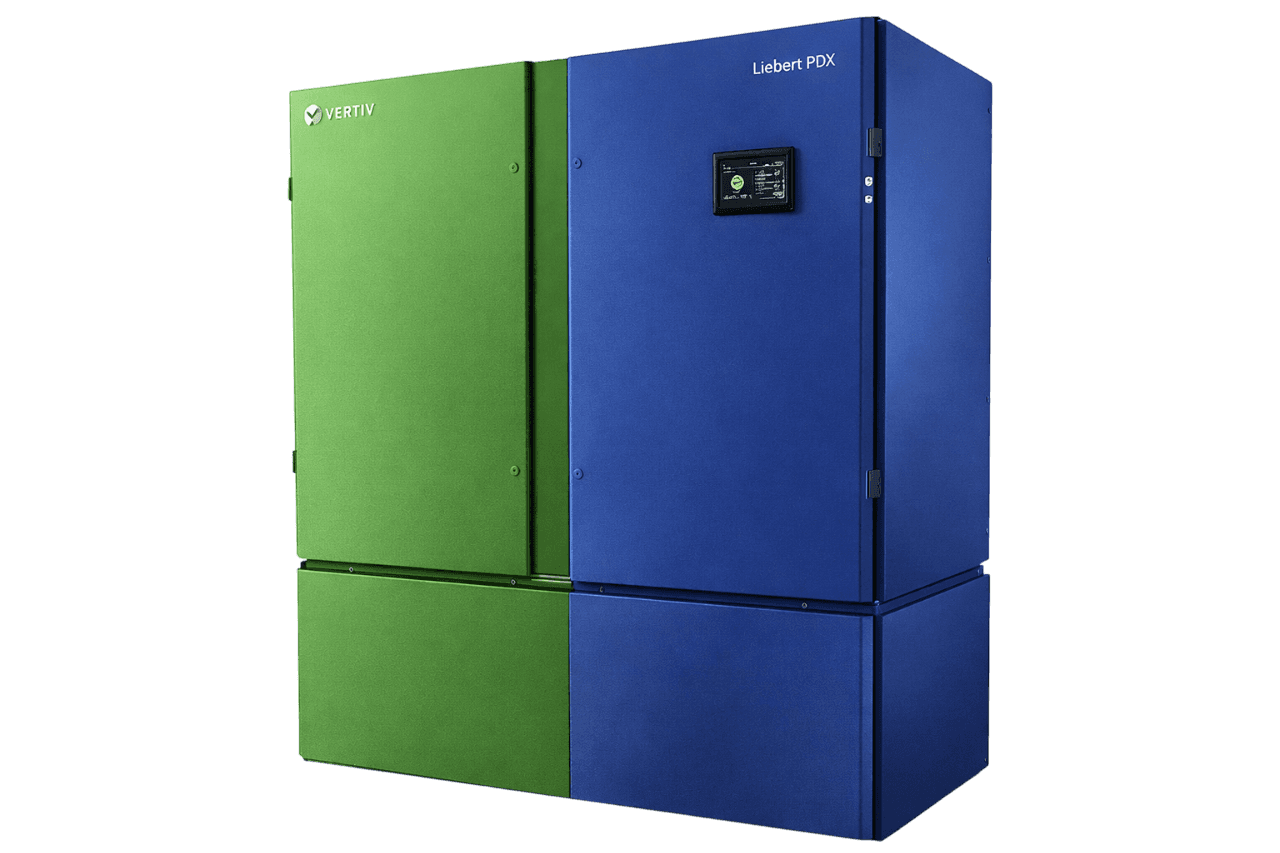
Floor Mounted Close Control Units
Learn More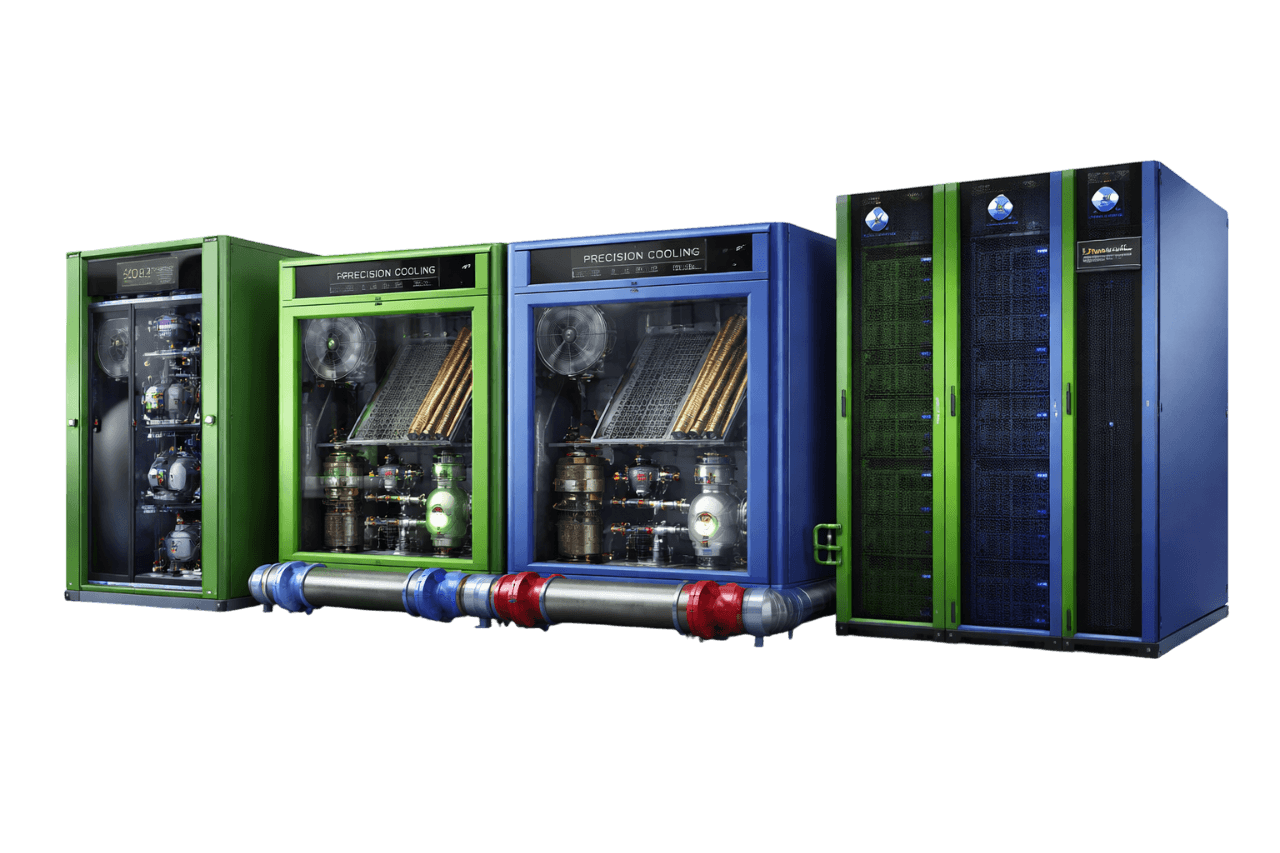
Modular Data Centre Cooling Systems
Learn MoreFrequently Asked Questions
Q1: What is a CRAC unit?
A CRAC unit (Computer Room Air Conditioner) is a precision DX air conditioner designed to maintain stable temperature and humidity in data centers, server rooms, and other IT spaces.
Q2: How does a CRAC unit work?
A CRAC unit uses a compressor and evaporator coil to cool room air, EC fans to distribute it, a humidifier and reheat to control humidity, and a remote condenser or dry cooler to reject heat outdoors.
Q3: What is the difference between CRAC and CRAH units?
A CRAC unit has its own compressor and uses DX refrigeration. A CRAH unit uses chilled water from a central chiller plant.
Q4: What is the difference between a CRAC unit and a normal comfort AC?
CRAC units are designed for 24/7 operation, high sensible cooling, and tight temperature and humidity control. Comfort ACs are designed for people and intermittent use.
Q5: What temperature and humidity should a data center maintain?
Widely followed guidelines recommend a server inlet temperature of 18°C to 27°C, with humidity controlled within recommended dew point limits and relative humidity of up to about 60%.
Q6: What is the difference between downflow and upflow CRAC units?
Downflow units discharge cool air into a raised floor. Upflow units discharge air upward into ducts or a ceiling plenum.
Q7: How is the capacity of a CRAC unit calculated for a server room?
Capacity is based on the total IT load in kW plus other heat gains, with airflow selected for the design temperature rise and extra units added for redundancy.
Q8: What is N+1 redundancy in CRAC units?
N+1 means installing one extra unit beyond what is required, so cooling continues even if one unit fails.
Q9: What is hot aisle and cold aisle containment?
It is a rack layout where cold and hot air are separated by enclosing either the cold aisle or the hot aisle, improving cooling efficiency and preventing hot spots.
Q10: How often should CRAC units be serviced?
Precision cooling units should receive preventive maintenance at least quarterly, with filters and humidifier checks done more often depending on conditions.
Q11: What is the price of a CRAC unit in India?
The price depends on capacity, unit type, heat rejection method, redundancy, and installation scope. Contact Compress India for an accurate quotation.
Q12: Does Compress India supply and install CRAC units in Mumbai?
Yes. Compress India supplies, installs, commissions, and services CRAC units across Mumbai, Navi Mumbai, and Thane, with 24/7 AMC and breakdown support.