CRAH Units (Computer Room Air Handlers)
(Design, Supply, Installation, Commissioning, Service & AMC for Chilled Water Precision Cooling Systems)
Design, Supply, Installation, Commissioning, Service & AMC for Chilled Water Precision Cooling Systems
As data centers grow larger and rack densities increase, cooling becomes one of the biggest operating costs and one of the biggest risks. For medium and large facilities with a central chilled water plant, CRAH Units (Computer Room Air Handlers) are the preferred precision cooling solution. They deliver high cooling capacity, excellent energy efficiency, and reliable 24/7 performance, with no compressors or refrigerant inside the data hall.
Compress India designs, supplies, installs, commissions, and maintains CRAH units and chilled water precision cooling systems for enterprise, colocation, and hyperscale data centers, IT parks, telecom hubs, and banks. From chilled water plant design and airflow containment to BMS or DCIM integration and 24/7 AMC, we deliver complete data center cooling solutions.
Planning a new data hall or expanding an existing facility? Share your IT load and plant details with Compress India and get a CRAH cooling design and quotation.
-Photoroom.png&w=3840&q=75)
Compress India offers complete, end-to-end solutions for CRAH units, managed by one experienced team:
- Design: IT load assessment, CRAH cooling load calculation, airflow planning, redundancy design, chilled water plant and piping design, and containment layouts.
- Supply: Chilled water CRAH units, in-row coolers, fan walls, rear door heat exchangers, valves, and controls from leading precision cooling brands.
- Installation: Unit placement, raised floor coordination, chilled water piping, drip trays, leak detection, drains, humidifier supply, and electrical work.
- Commissioning: Flushing, balancing, controller setup, heat load testing with load banks, and BMS or DCIM integration.
- Service & AMC: Quarterly preventive maintenance, 24/7 breakdown support, retrofits, and annual maintenance contracts.
What Is a CRAH Unit?
A CRAH unit, or Computer Room Air Handler, is a precision cooling unit that uses chilled water from a central chiller plant to cool data centers and server rooms. Unlike a CRAC unit, it has no compressor of its own. Instead, a chilled water coil absorbs heat from the server exhaust air, and a modulating valve controls cooling capacity.
Put simply, a CRAH unit is a computer room air handling unit designed for IT environments. It combines high airflow EC fans, precise temperature and humidity control, and intelligent controls for continuous, reliable operation.
CRAH units are also known as chilled water precision cooling units, precision air handling units, or data center air handlers.
Why Large Data Centers Use Chilled Water Precision Cooling
High IT Loads & Rack Densities
Large data halls with megawatts of IT load need cooling that scales easily. High capacity CRAH units deliver more cooling per unit than typical DX systems.
Energy Efficiency at Scale
Central chiller plants with efficient chillers, variable flow, and free cooling generally deliver lower energy use per kW of cooling than many distributed DX units.
No Compressors or Refrigerant in the Data Hall
With compressors located in the central plant, CRAH units reduce noise, maintenance, and refrigerant inside the white space.
Integration with Free Cooling
Chilled water systems integrate easily with free cooling chillers and economizers, reducing mechanical cooling hours.
How a CRAH Unit Works
Chilled Water Supply from the Central Plant
Chilled water is pumped from the central chiller plant to each CRAH unit through insulated supply piping. This CRAH chilled water system is the heart of the design.
Chilled Water Coil Absorbing Heat from Server Air
Warm return air from the server racks passes over the CRAH chilled water coil, where it is cooled before being supplied back to the cold aisle.
EC Fans Delivering High Airflow
CRAH EC fans deliver high airflow efficiently, with variable speed control that matches IT load.
Modulating Valve Controlling Cooling Capacity
A modulating CRAH chilled water control valve adjusts water flow through the coil to match the cooling demand precisely.
Humidity Control & Optional Reheat
Humidifiers add moisture when needed, while optional reheat supports dehumidification. This gives accurate CRAH humidity control.
Microprocessor-Based Control
An intelligent controller manages valve position, fan speed, humidity, alarms, redundancy, and communication.
Main Components of a CRAH Unit
Chilled Water Coil
The CRAH cooling coil is designed for high sensible cooling at the data center's chilled water temperatures.
EC Fans
An EC plug fan CRAH design, often configured as a CRAH fan array, delivers efficient, redundant airflow.
Air Filters
The CRAH air filter protects the coil and IT equipment from dust.
Control Valve & Actuator (Two-Way / Three-Way / PICV)
Two-way valves and PICVs support variable flow systems, while three-way valves maintain constant flow. A PICV for CRAH delivers stable control and simpler balancing.
Humidifier & Optional Reheat
These components maintain humidity within recommended limits.
Drain Pan & Condensate Drain
A drain pan and condensate line remove any moisture from the coil.
Microprocessor Controller & Sensors
Temperature, humidity, pressure, and flow sensors feed the controller for precise operation.
Water Leak Detection
Leak detection cables under and around the unit alert operators to any water leakage.
Types of CRAH Units by Airflow
Downflow (Underfloor) CRAH Units
A downflow CRAH unit supplies cool air into a raised floor, delivered through perforated tiles to the cold aisle. It is the most common raised floor CRAH unit and the standard for underfloor data center cooling.
Upflow CRAH Units
An upflow CRAH unit discharges air upward into ducts or a ceiling plenum, which suits rooms without a raised floor.
Frontal / Displacement Flow CRAH Units
These units supply air horizontally at low velocity, which suits non raised floor CRAH layouts.
In-Row Chilled Water Cooling Units
In-row units sit between racks and cool air at the source, making them ideal for high density data center cooling.
Fan Wall / Thermal Wall Units
Fan walls are large banks of fans and coils in a separate corridor, supplying very high airflow to large data halls, which is common in hyperscale designs.
Rear Door Heat Exchangers
Chilled water coils mounted on rack rear doors remove heat directly from the rack exhaust.
Types of CRAH Units by Configuration
Single Coil CRAH Units
Standard units with one chilled water coil served by one circuit.
Dual Coil CRAH Units (Two Chilled Water Circuits)
Two coils fed from separate chilled water circuits provide redundancy if one circuit fails.
Dual Cooling Units (Chilled Water + DX Backup)
These units combine a chilled water coil with a DX circuit, so the DX system can take over if chilled water is lost.
High-Temperature Chilled Water CRAH Units
High temperature chilled water CRAH units are designed with larger coils to deliver full capacity at elevated water temperatures, improving chiller efficiency.
CRAH vs CRAC Units
- Cooling Source: A CRAH unit uses chilled water from a central chiller; a CRAC unit uses its own compressor and DX refrigeration.
- Plant Required: CRAH units need a chilled water plant; CRAC units need only an outdoor condenser.
- Scale: CRAH units suit medium to large data centers; CRAC units suit smaller server rooms and standalone facilities.
- Efficiency: CRAH with efficient chillers and free cooling generally offers lower energy use at scale.
- Maintenance: CRAH units have no compressors in the data hall.
The difference between CRAC and CRAH comes down to the cooling source. When comparing chilled water CRAH vs DX CRAC, Compress India recommends the right option based on your facility size and infrastructure. Many facilities use CRAC and CRAH units together.
CRAH Unit vs Comfort AHU
- Design Purpose: CRAH units are designed for IT equipment; comfort AHUs are designed for people.
- Sensible Heat Ratio: CRAH units focus on high sensible cooling; comfort AHUs handle more latent loads.
- Operation: CRAH units run 24/7/365 with redundancy; comfort AHUs typically follow occupancy schedules.
- Control: CRAH units offer tight temperature and humidity control and rack-based control options.
- Monitoring: CRAH units integrate with DCIM and provide detailed alarms.
When comparing CRAH vs AHU, a CRAH unit is purpose-built for mission-critical cooling.
CRAH Unit vs In-Row Cooling
- Location: Perimeter CRAH units sit along room walls; in-row units sit between racks.
- Density: In-row cooling handles higher rack densities more effectively.
- Air Path: Perimeter CRAH units use raised floors or ducts; in-row units cool air directly at the rack.
- Scalability: In-row units can be added rack by rack.
- Best For: Perimeter CRAH for traditional data halls; in-row for high-density racks and containment designs.
When comparing CRAH vs in-row cooling, many facilities combine both. For extreme densities, such as AI and high-performance computing racks, CRAH vs liquid cooling becomes a key question. Direct liquid cooling can handle rack loads beyond the practical limits of air cooling, often alongside CRAH units for residual heat.
Chilled Water Plant Design for Data Centers
A CRAH chiller system is only as reliable as the plant behind it.
Elevated Chilled Water Temperatures
Modern data centers often use higher chilled water temperatures than comfort cooling systems, improving chiller efficiency and free cooling hours.
Free Cooling Chillers & Economizers
Free cooling chillers and water-side economizers use cool outdoor conditions to reduce compressor operation.
Chiller & Pump Redundancy (N+1)
Redundant chillers and CRAH chilled water pumps keep cooling running during failures or maintenance.
Thermal Storage Tanks for Ride-Through
Chilled water storage tanks keep cooling running for a short period during power interruptions, until chillers restart.
Dual-Path (A/B) & Ring Main Piping
Dual-path or ring main piping allows maintenance or repair without interrupting cooling to the data hall.
Temperature & Humidity Standards for Data Centers
ASHRAE TC 9.9 Thermal Guidelines
ASHRAE TC 9.9 publishes widely followed thermal guidelines for data processing environments.
Recommended Inlet Temperature & Humidity
For most IT equipment, the recommended server inlet temperature range is 18°C to 27°C, with humidity controlled within recommended dew point limits and relative humidity of up to about 60%. Always check the latest guidelines and equipment requirements.
Sensible Heat Ratio (SHR)
Data center loads are almost entirely sensible, so a high CRAH sensible cooling capacity is essential.
CRAH Unit Design & Sizing
IT Load (kW) Calculation
CRAH unit sizing starts with total IT load in kW, plus other heat gains in the room.
Airflow per kW & CFM Selection
CRAH airflow is selected based on the temperature rise across IT equipment, typically around 120–160 CFM per kW depending on design delta-T.
Chilled Water Supply & Return Temperature
Supply and return temperatures are selected to balance coil size, chiller efficiency, and free cooling potential. Many modern designs use supply temperatures in the mid-teens °C or higher.
Coil Capacity at Elevated Water Temperatures
Coils are selected to deliver full capacity at the design water temperatures, since capacity falls as water temperature rises.
Redundancy – N+1 & 2N
N+1 CRAH redundancy adds one extra unit beyond what is required, while 2N provides a fully duplicated system.
Hot Aisle / Cold Aisle Layout
Racks are arranged in alternating hot and cold aisles for efficient hot aisle cold aisle cooling.
Raised Floor & Perforated Tile Planning
Floor height and tile layout are planned for even airflow to every rack.
Airflow Management & Containment
Cold Aisle Containment
Enclosing the cold aisle keeps cool air in front of the racks.
Hot Aisle Containment
Enclosing the hot aisle captures exhaust air and returns it directly to the CRAH units, increasing CRAH return air temperature and coil efficiency.
Blanking Panels & Cable Cut-Out Sealing
Blanking panels and sealed floor openings prevent air bypass and recirculation.
Preventing Hot Spots
Containment, correct tile placement, and rack inlet monitoring eliminate hot spots.
Energy Efficiency in CRAH Units
EC Fans & Variable Airflow
EC fans adjust airflow to match IT load, cutting fan energy significantly.
Higher Chilled Water Temperatures
Warmer chilled water improves chiller efficiency and increases free cooling hours.
High Delta-T Operation
A higher CRAH chilled water delta T reduces water flow and pumping energy.
Variable Flow with PICVs
A variable flow CRAH system with PICVs delivers stable control and lower pumping energy.
Improving PUE with Chilled Water Cooling
Energy efficient CRAH units for data centers, combined with efficient chillers, free cooling, and containment, help lower PUE.
CRAH Controls, Monitoring & DCIM Integration
Valve & Fan Speed Control Logic
Controllers modulate the valve and fan speed together to meet cooling and airflow demand, maintaining the desired CRAH supply air temperature.
Rack Inlet & Underfloor Pressure-Based Control
Fan speed can be controlled by underfloor pressure or rack inlet temperature for precise, efficient CRAH temperature control.
Lead-Lag Rotation & Standby Changeover
Units rotate duty and start standby units automatically if a unit fails.
BMS & DCIM Integration (SNMP / Modbus / BACnet)
CRAH BMS integration and CRAH DCIM integration through SNMP, CRAH Modbus, or CRAH BACnet provide full visibility.
Remote Monitoring & Alarms
CRAH remote monitoring sends instant alerts for faults, high temperatures, and leaks.
Water Leak Detection
Leak detection under raised floors provides early warning of water leaks.
Benefits of CRAH Units
Higher Energy Efficiency in Large Data Centers
Chilled water systems offer lower energy per kW of cooling at scale.
No Refrigerant Inside the Data Hall
Refrigerant stays in the central plant, reducing risk in the white space.
High Cooling Capacity per Unit
Large coils and fan arrays deliver high cooling per unit.
Lower Maintenance – No Compressors
No compressors in the data hall means fewer components to maintain.
Easy Integration with Free Cooling
Chilled water systems work seamlessly with free cooling chillers and economizers, enabling CRAH free cooling.
Quiet Operation
Without compressors, CRAH units run quieter than DX units.
Scalable for Growing IT Loads
Additional units can be added as IT load grows, which is ideal for colocation and hyperscale growth.
Limitations of CRAH Units
Requires a Chilled Water Plant
CRAH units need a central chiller plant with pumps and piping.
Water Inside the Data Hall
Chilled water piping in the data hall requires drip trays and leak detection.
Higher Infrastructure Cost for Small Server Rooms
For small rooms without a chiller plant, CRAC units are usually more practical.
Dependence on Chiller Plant Reliability
Cooling depends on plant uptime, so redundancy is essential.
Underfloor Piping Space
Chilled water pipes under raised floors need space planning to avoid airflow obstruction.
Compress India designs each CRAH installation to manage these limitations effectively.
Where CRAH Units Are Used
Enterprise Data Centers
Large corporate data centers use CRAH units for efficient, scalable cooling.
Colocation Data Centers
A CRAH for colocation data centers supports scalable, multi-tenant IT loads.
Hyperscale Data Centers
A CRAH for hyperscale data centers, often with fan walls, handles very high IT loads efficiently.
IT Parks with Central Chilled Water
Data rooms in IT parks connect to existing central chilled water plants.
Telecom Hubs & Exchanges
Large telecom facilities use CRAH units for reliable equipment cooling.
Control Rooms
Control rooms in utilities and industries use CRAH units where chilled water is available.
Banks & Financial Data Centers
Financial institutions rely on redundant CRAH systems for critical operations.
Hospitals & Labs with Central Plants
Hospital and lab server rooms connect to the building's chilled water system, making a server room CRAH unit a practical choice.
Top CRAH Unit Brands in India
Compress India supplies and installs CRAH units from leading precision cooling brands, recommending the best-fit option for your capacity, redundancy, and budget.
Vertiv (Liebert)
Vertiv CRAH units, including the Liebert CRAH range, are widely used in Indian data centers.
Schneider Electric (Uniflair)
Schneider Electric's Uniflair range offers perimeter and in-row chilled water precision cooling.
STULZ
STULZ CRAH units are known for precision chilled water cooling solutions for data centers.
Rittal
Rittal offers rack-based and room-level chilled water cooling solutions.
Mitsubishi Electric (Climaveneta)
Mitsubishi Electric, through its Climaveneta range, offers chilled water precision cooling units.
Blue Star
Blue Star offers precision cooling solutions for data centers and server rooms in India.
Other Precision Cooling Brands
Other manufacturers also offer chilled water precision units. Compress India recommends the best-fit brand for your project.
CRAH Unit Installation Guide
CRAH installation requires expertise in both precision cooling and chilled water systems.
Room Sealing & Vapour Barrier
The data hall is sealed with a vapour barrier to maintain stable humidity.
Raised Floor & Floor Stands
Units are installed on floor stands aligned with the raised floor, with proper levelling.
Unit Placement Relative to Racks
Units are positioned at the ends of hot aisles or perpendicular to rack rows for effective airflow.
Chilled Water Piping Connections & Valves
Chilled water piping is connected with isolation valves, strainers, control valves, and flexible connectors, and fully insulated.
Drip Trays & Leak Detection
Drip trays and leak detection cables protect the data hall from water damage.
Condensate Drain & Humidifier Water Supply
Drain and humidifier water lines are installed with traps and isolation valves.
Dual Power Supply & Electrical Protection
Units are connected to dual power feeds for continuous operation.
Flushing, Testing & Commissioning
Piping is flushed and pressure tested, and units are commissioned with controller configuration.
Heat Load Testing with Load Banks
Load banks simulate IT load to verify cooling performance before the data hall goes live.
CRAH Service, Maintenance & AMC
CRAH maintenance is critical for uptime. Compress India offers preventive maintenance and 24/7 AMC plans for CRAH units of all major brands.
Quarterly Preventive Maintenance
Scheduled quarterly visits cover inspections, cleaning, testing, and performance checks.
Filter Replacement
Filters are replaced regularly to maintain airflow.
Coil Cleaning
Chilled water coils are cleaned to maintain heat transfer.
Valve & Actuator Checks
Control valves and actuators are checked for correct response and leaks.
Humidifier Maintenance
Humidifier components are inspected and replaced as needed.
Sensor Calibration & Leak Detection Testing
Sensors are calibrated and leak detection systems tested.
24/7 Breakdown Support
Our team provides round-the-clock support for critical failures.
Common CRAH Unit Problems & Solutions
High Temperature Alarms
Causes: low chilled water flow, high water temperature, fan failure, or airflow issues.
Solution: Check water supply, valves, fans, and airflow management.
Insufficient Chilled Water Flow
Causes: clogged strainers, pump issues, or incorrect balancing.
Solution: Clean strainers, check pumps, and rebalance flow.
High Chilled Water Supply Temperature
Causes: chiller issues or high plant load.
Solution: Check chiller operation and plant capacity.
Valve or Actuator Failure
Causes: actuator motor failure, wiring faults, or valve blockage.
Solution: Repair or replace valves and actuators.
Water Leakage Under the Raised Floor
Causes: pipe joint leaks, condensation, or drain blockages.
Solution: Repair joints, improve insulation, and clean drains.
Condensation on Pipes
Causes: damaged insulation or humid conditions.
Solution: Repair insulation and vapour barriers.
Hot Spots in Server Racks
Causes: poor airflow management or missing blanking panels.
Solution: Add containment and blanking panels, and rebalance tiles.
Fan Failure
Causes: EC fan motor or electronics failure.
Solution: Replace fans. Fan arrays maintain redundancy during repair.
CRAH Retrofit & Upgrades
EC Fan Retrofit
Replacing old fans with EC fans improves efficiency and airflow control.
Replacing CRAC Units with CRAH Units
Facilities with a chilled water plant can replace DX CRAC units with CRAH units to improve efficiency.
Adding Aisle Containment
Containment improves cooling efficiency and removes hot spots.
PICV & Control Upgrades
Upgrading to PICVs and modern controllers improves control and reduces pumping energy.
Raising Chilled Water Temperature for Efficiency
Increasing chilled water temperatures, with suitable coil upgrades, improves chiller efficiency and free cooling.
CRAH Unit Price in India
The CRAH unit price in India depends on cooling capacity, airflow configuration, coil design, fans, controls, and installation scope. Compress India provides a detailed quotation after understanding your requirements.
CRAH Price by kW Capacity
Higher capacity units cost more. Dual coil, dual cooling, and high-temperature designs add to the cost.
Chilled Water Piping & Installation Cost
Chilled water piping, valves, drip trays, leak detection, electrical work, and commissioning form part of the installed cost.
Factors Affecting Total Project Cost
Brand, capacity, number of units, redundancy, containment, controls, and chilled water plant scope all affect the final price.
Share your IT load and facility details with Compress India to receive an accurate CRAH unit quotation.
CRAH Unit Supply, Installation & Service in Mumbai, Navi Mumbai & Thane
As an experienced CRAH unit supplier, Compress India provides precision cooling design, supply, installation, commissioning, and 24/7 AMC across Mumbai, Navi Mumbai, and Thane. The region is one of India's largest data center hubs, and we understand the reliability, efficiency, and scalability that modern data centers need.
From enterprise data rooms to large colocation facilities, our local team offers fast response and dependable support.
Why Choose Compress India for CRAH Units?
Data Center Cooling Design
We design CRAH systems based on IT load, rack density, redundancy, and future growth.
Chilled Water Plant & Piping Expertise
We design and install chilled water plants, piping, pumps, and valves for reliable CRAH operation.
Multi-Brand Precision Cooling Supply
We work with leading brands and recommend the best-fit CRAH unit for your facility.
Airflow Management & Containment
We design and install containment, blanking, and tile layouts for efficient airflow.
BMS & DCIM Integration
We integrate CRAH units and chilled water plants with BMS and DCIM platforms.
Testing & Commissioning
Every installation is commissioned with load bank testing and controller configuration.
24/7 AMC & Breakdown Support
We provide preventive maintenance and round-the-clock breakdown support.
Get a CRAH Unit Solution from Compress India
Build a data center cooling system that is efficient, scalable, and reliable. Compress India delivers complete chilled water CRAH unit solutions for data centers, from design and supply to installation, commissioning, and 24/7 service.
Connect with Our HVAC Team
Share your IT load, rack layout, and chilled water plant details with our team. Call us or fill in the enquiry form to schedule a site survey and receive a detailed design and quotation.
Related Precision Air Conditioning & Chiller Solutions
Along with CRAH units, Compress India offers CRAC units, in-row cooling, chillers, cooling towers, chilled water piping, and complete HVAC solutions for mission-critical facilities.
-Photoroom.png&w=3840&q=75)
CRAC Units
Learn More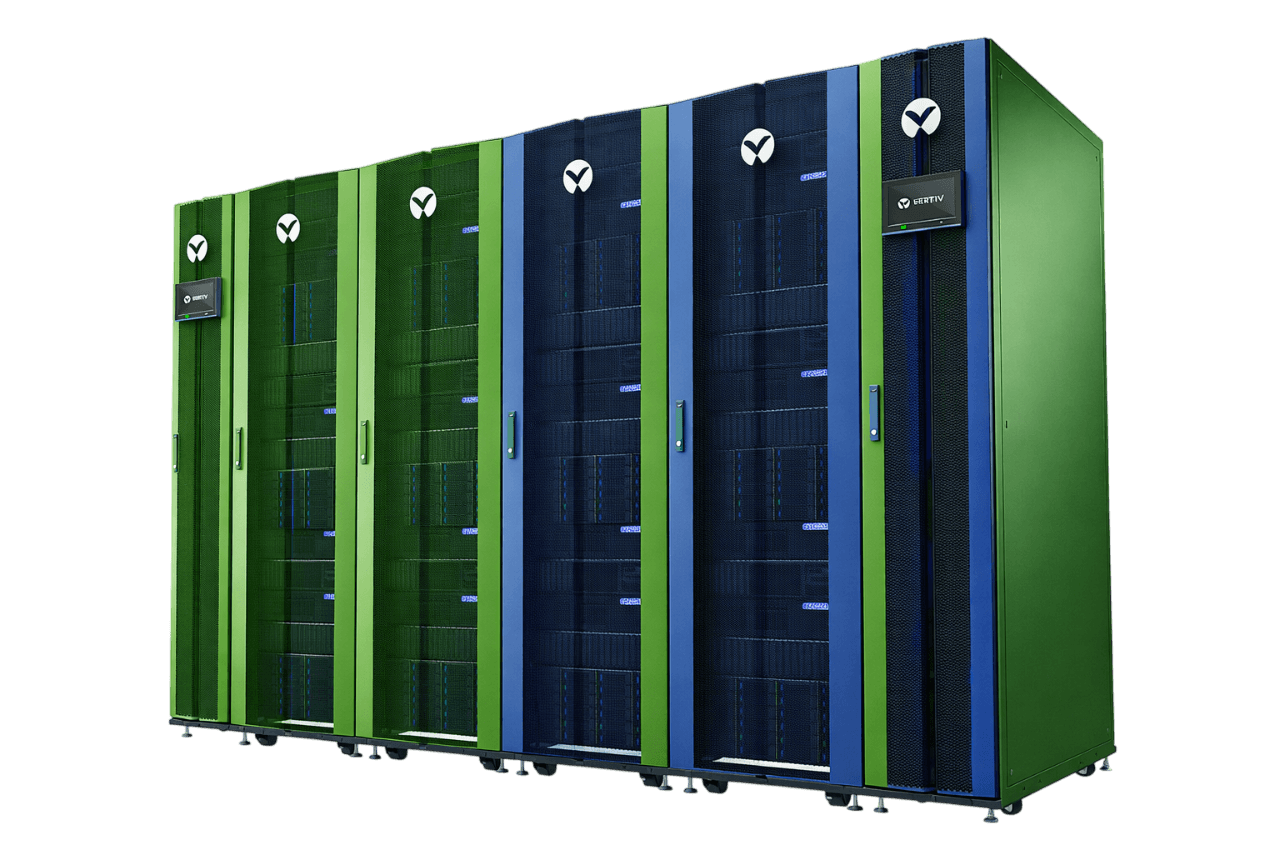
In-Row Cooling Systems
Learn More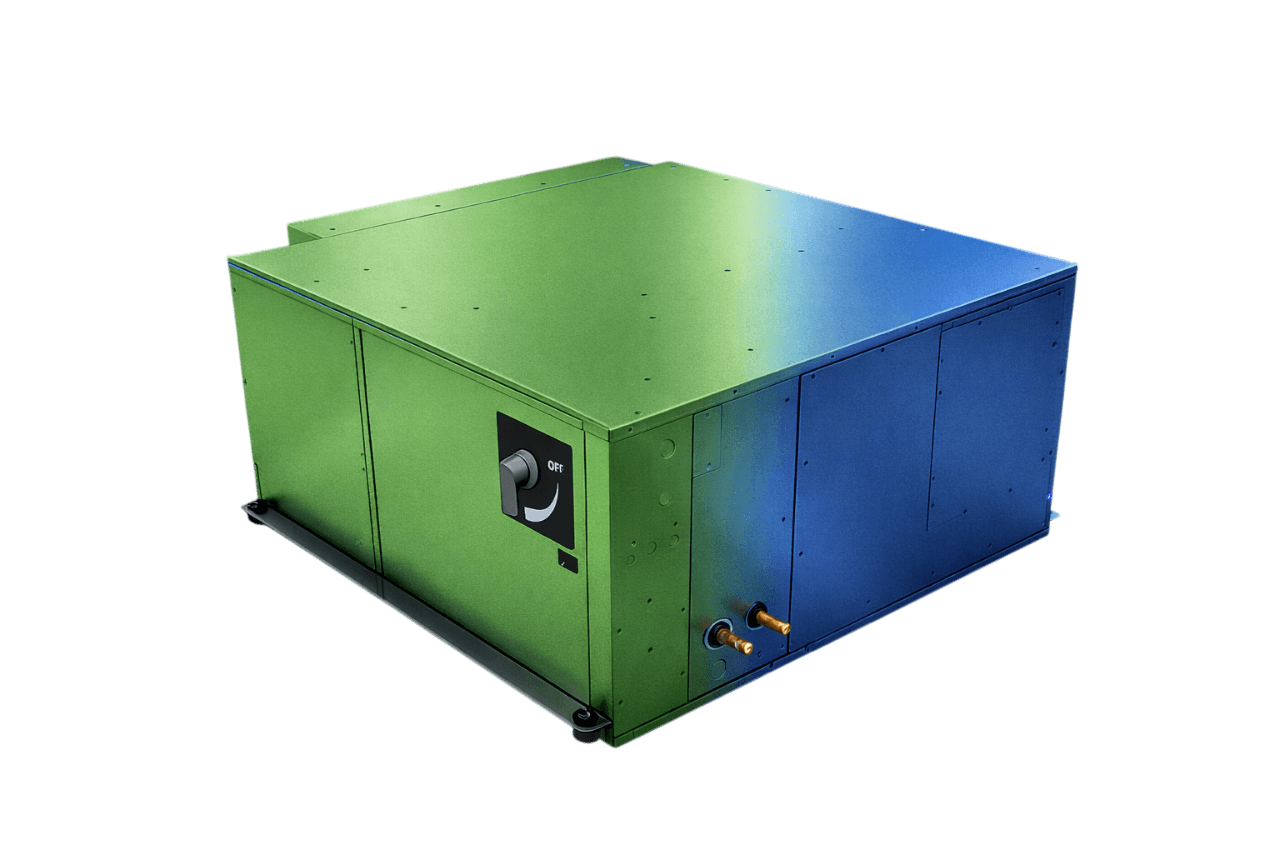
Ceiling Mounted Precision Units
Learn More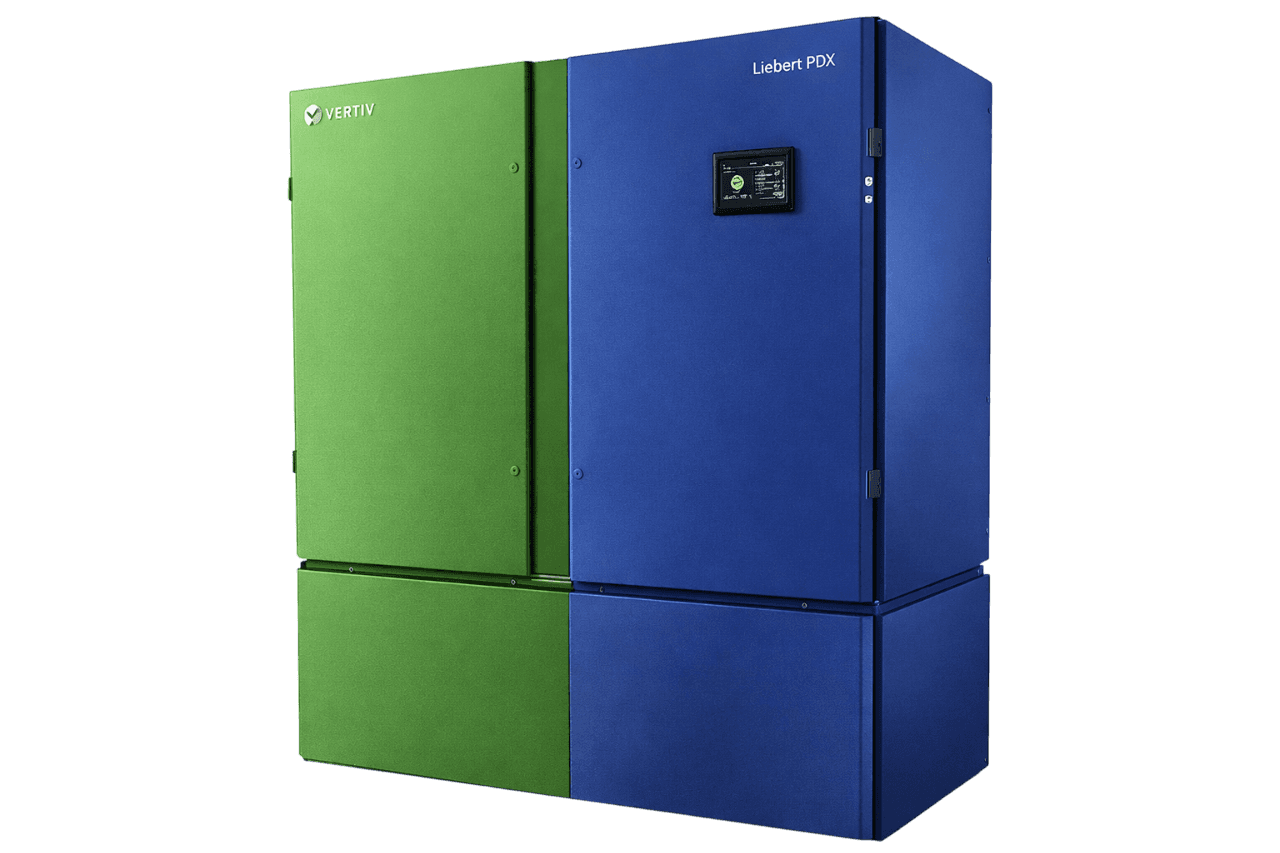
Floor Mounted Close Control Units
Learn More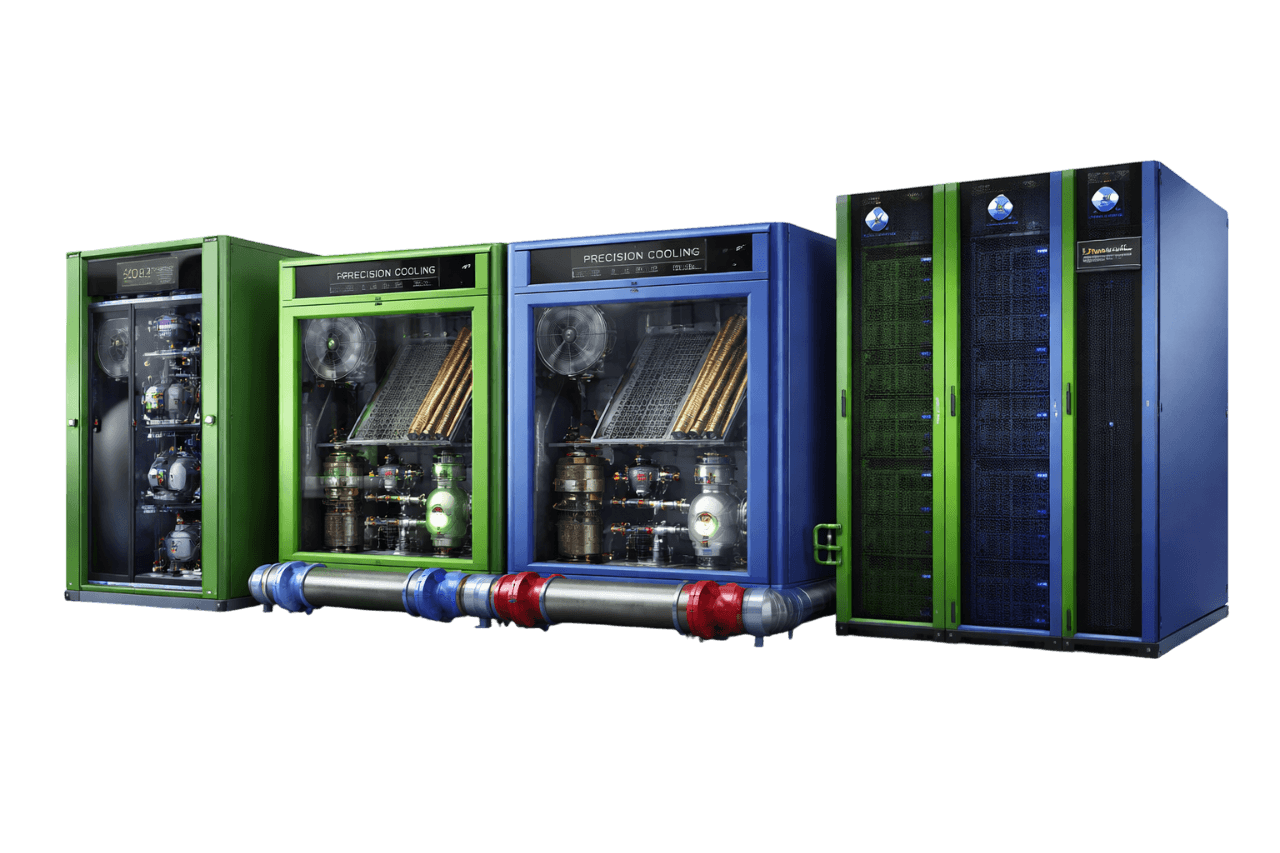
Modular Data Centre Cooling Systems
Learn MoreFrequently Asked Questions
Q1: What is a CRAH unit?
A CRAH unit (Computer Room Air Handler) is a precision cooling unit that uses chilled water from a central chiller plant to cool data centers and server rooms, with no compressor inside the unit.
Q2: How does a CRAH unit work?
Warm air from server racks passes over a chilled water coil, and EC fans supply the cooled air back to the racks. A modulating valve controls cooling capacity based on demand.
Q3: What is the difference between CRAH and CRAC units?
A CRAH unit uses chilled water from a central plant. A CRAC unit has its own compressor and uses DX refrigeration.
Q4: Does a CRAH unit need a chiller?
Yes. CRAH units rely on chilled water from a central chiller plant.
Q5: Is a CRAH unit more energy efficient than a CRAC unit?
In medium and large data centers with efficient chillers and free cooling, CRAH systems generally use less energy per kW of cooling than CRAC units.
Q6: What chilled water temperature is used for CRAH units?
It depends on the design. Many modern data centers use elevated supply temperatures, often in the mid-teens °C or higher, to improve chiller efficiency and free cooling.
Q7: What is the difference between a CRAH unit and a normal AHU?
A CRAH unit is designed for 24/7 IT cooling with high sensible capacity, tight control, redundancy, and DCIM integration. A normal AHU is designed for comfort cooling.
Q8: How is the capacity of a CRAH unit calculated?
Capacity is based on IT load in kW, airflow for the design temperature rise, chilled water temperatures, and the required redundancy.
Q9: Is there a risk of water leakage with CRAH units in data centers?
The risk is managed through drip trays, leak detection, quality piping, insulation, and regular maintenance.
Q10: How often should CRAH units be serviced?
CRAH units should receive preventive maintenance at least quarterly, with filters and leak detection checked more frequently.
Q11: What is the price of a CRAH unit in India?
The price depends on capacity, configuration, controls, and installation scope. Contact Compress India for an accurate quotation.
Q12: Does Compress India supply and install CRAH units in Mumbai?
Yes. Compress India supplies, installs, commissions, and services CRAH units across Mumbai, Navi Mumbai, and Thane, with 24/7 AMC and breakdown support.