Modular Data Centre Cooling Systems
(Design, Supply, Installation, Commissioning, Service & AMC for Modular & Prefabricated Data Centre Cooling)
Design, Supply, Installation, Commissioning, Service & AMC for Modular & Prefabricated Data Centre Cooling
Data centres no longer grow in one big step. IT loads increase rack by rack, AI and GPU workloads push densities higher every year, and businesses want to invest only in the capacity they need today. Traditional room-level cooling, sized for a future load that may take years to arrive, often wastes capital and energy along the way.
Modular Data Centre Cooling Systems solve this. Cooling is delivered in factory-built, pre-tested modules that are added in step with IT growth, from a single micro data centre rack to multi-megawatt facilities. Compress India designs, supplies, installs, commissions, and maintains modular data centre cooling for enterprise data centres, colocation facilities, edge sites, AI and GPU clusters, banks, telecom, and industrial IT.
Planning a new data centre or expanding an existing one? Share your IT load and growth plans with Compress India and get a scalable cooling design and quotation.
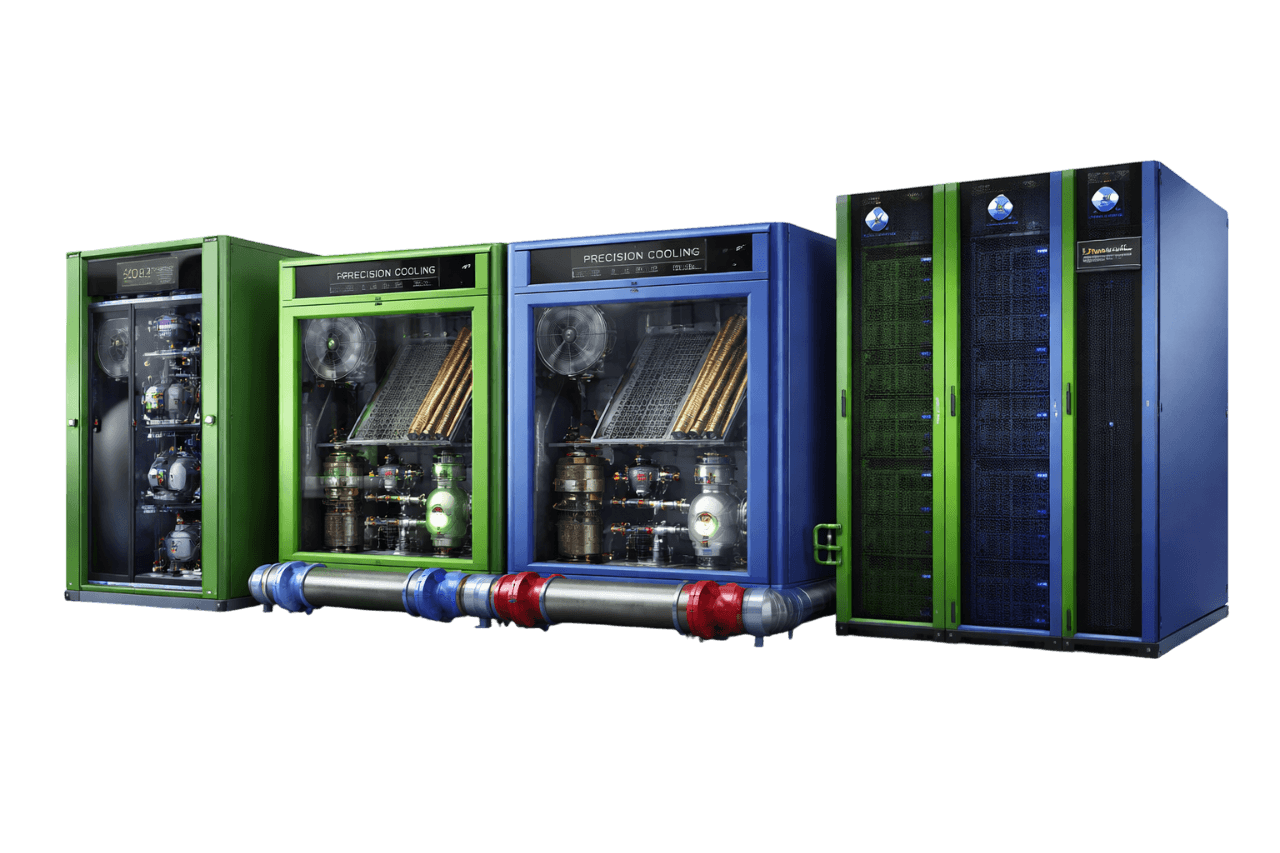
Compress India offers complete, end-to-end solutions for modular and prefabricated data centre cooling, managed by one experienced team:
- Design: Current and future IT load planning, rack density analysis, module sizing and phasing, redundancy, and heat rejection strategy.
- Supply: In-row units, smart row and pod systems, rack-integrated cooling, rear door heat exchangers, modular chillers, indirect evaporative modules, and CDUs from leading brands.
- Installation: Module placement, containment assembly, chilled water or refrigerant piping, outdoor heat rejection, power and control wiring, and leak detection.
- Commissioning: Load bank testing, controls configuration, and DCIM or BMS integration.
- Service & AMC: Preventive maintenance, remote monitoring, 24/7 breakdown support, expansion, and annual maintenance contracts.
What Is a Modular Data Centre Cooling System?
A modular data centre cooling system is a scalable cooling solution built from standardised, factory-built modules that can be deployed and expanded in stages. Instead of installing all cooling capacity on day one, cooling modules are added as racks and IT loads grow.
Modular cooling typically uses close-coupled cooling, placing cooling units at the row or rack level, combined with containment. This delivers efficient, targeted cooling right where the heat is generated. Heat is rejected through condensers, dry coolers, modular chillers, or evaporative systems.
The result is an integrated data centre cooling system that is faster to deploy, easier to scale, and more efficient than traditional room-level approaches.
What Is a Modular Data Centre?
Prefabricated & Containerised Data Centres
Prefabricated and containerised data centres are complete IT facilities, including racks, power, cooling, and fire protection, built in a factory and delivered to site. Containerised data centre cooling is integrated into the enclosure.
Smart Row & Pod-Based Data Centres
Smart row and pod solutions combine racks, in-row cooling, containment, UPS, and monitoring into a single pre-engineered row or pod inside an existing building.
Micro & Edge Data Centres
Micro data centres are self-contained racks or small enclosures with built-in cooling, power, and monitoring, which are ideal for branch offices, factories, and edge sites.
Why Businesses Are Choosing Modular Cooling
Pay-As-You-Grow Scalability
Scalable data centre cooling lets you invest in cooling capacity as IT load grows, rather than all at once.
Faster Deployment
Factory-built modules shorten design and installation time, enabling fast deployment of modular data centres.
Rising Rack Densities & AI Workloads
Close-coupled and liquid cooling modules handle the high rack densities of modern servers, GPUs, and AI clusters.
Predictable Performance with Factory-Tested Modules
Pre-engineered and factory-tested modules deliver consistent, predictable cooling performance.
Lower Upfront Investment
Phased deployment reduces initial capital cost and aligns spending with business growth.
How Modular Data Centre Cooling Works
Cooling Modules Added in Step with IT Load
Cooling capacity is deployed in modules. As racks are added, additional cooling modules are installed.
Close-Coupled Cooling at Rack or Row Level
In-row units, rear door heat exchangers, or rack-integrated coolers remove heat right at the source, which is the core of data centre rack cooling.
Hot & Cold Aisle Containment Within Modules
Containment separates hot and cold air within each pod or row, improving efficiency and eliminating hot spots.
Heat Rejection Through Condensers, Dry Coolers or Chillers
DX modules reject heat through outdoor condensers. Chilled water modules connect to data centre chillers or modular chiller plants. Some designs use dry coolers or evaporative cooling.
Integrated Controls & Monitoring
Built-in controllers and monitoring software manage cooling, alarms, and integration with DCIM and BMS.
Types of Modular Data Centre Cooling Systems
Understanding the types of data centre cooling systems helps you choose the right modular approach.
Modular In-Row Cooling
In-row cooling units placed between racks provide targeted, scalable cooling. Modular in-row cooling is ideal for high-density rows.
Smart Row & Pod Cooling with Containment
Pre-engineered rows and pods combine racks, in-row cooling, and containment for plug and play modular data centre deployment.
Rack-Integrated Cooling for Micro Data Centres
Enclosed racks with built-in cooling provide rack level cooling for micro and edge data centres.
Rear Door Heat Exchangers
A modular rear door heat exchanger, or RDHx, removes heat directly at the rack exhaust. It suits high-density racks.
Containerised Data Centre Cooling
Containerised data centres integrate DX or chilled water cooling within the container for rapid deployment anywhere.
Prefabricated Air Handling & Indirect Evaporative Cooling Modules
Prefabricated air handling units and indirect evaporative cooling modules supply large volumes of cool air to data halls with significantly reduced compressor use. Where climate allows, free air cooling and evaporative cooling for data centres can lower energy use dramatically.
Skid-Mounted Modular Chiller Plants
Factory-built chiller plants on skids provide scalable chilled water for data centres. Modules can be added as capacity needs grow, along with cooling towers for data centres where required.
Liquid Cooling Modules & Coolant Distribution Units (CDUs)
A modular CDU, or coolant distribution unit, delivers liquid coolant to direct-to-chip cold plates in AI and HPC servers. Immersion cooling for data centres is another liquid cooling approach for very high densities.
DX vs Chilled Water Modular Cooling
- Cooling Source: DX modular data centre cooling uses built-in compressors and outdoor condensers. Chilled water modular data centre cooling uses a central or modular chiller plant.
- Scale: DX suits small to medium facilities and edge sites; chilled water suits medium to large facilities.
- Efficiency: Chilled water systems with free cooling are generally more efficient at scale.
- Infrastructure: DX needs only outdoor condensers; chilled water needs chillers, pumps, and piping.
- Deployment: Direct expansion modular cooling is quicker for small sites; modular chilled water cooling scales well for larger growth.
When comparing DX modular cooling vs chilled water modular cooling, Compress India recommends the best fit for your facility size and growth plans.
Modular Cooling vs Traditional Room-Level Cooling
- Capacity Planning: Modular cooling grows with IT load; traditional cooling is sized for future peak load from day one.
- Efficiency: Modular close-coupled cooling reduces air mixing; room-level cooling often wastes energy at partial load.
- Density: Modular cooling handles higher rack densities.
- Deployment: Modular cooling uses factory-built modules; traditional cooling requires more site work.
- Best For: Modular cooling for growing, high-density, and edge data centres; traditional perimeter cooling for stable, lower-density rooms.
When comparing modular data centre cooling vs a traditional data centre, modular cooling delivers better flexibility, efficiency, and speed.
Modular Cooling for AI & High-Density Racks
Cooling High kW per Rack Loads
Modern AI and GPU racks demand far more cooling per rack than traditional servers. High density modular data centre cooling uses in-row units, RDHx, and containment to manage these loads.
Direct-to-Chip Liquid Cooling
Direct to chip modular cooling circulates coolant through cold plates on processors, removing heat far more efficiently than air.
Hybrid Air & Liquid Cooling
Most AI deployments combine liquid cooling for processors with air cooling for the remaining heat. When comparing modular air cooling vs liquid cooling, hybrid designs often deliver the best balance of performance and cost for modular AI data centre cooling.
Main Components of a Modular Cooling System
In-Row & Rack Cooling Units
Close-coupled units deliver cooling directly at the row or rack.
Containment Panels, Doors & Roofs
Containment systems separate hot and cold air within each pod.
Outdoor Condensers, Dry Coolers or Modular Chillers
Heat rejection equipment is sized for current and future capacity.
Piping Modules & Manifolds
Pre-fabricated piping modules and manifolds simplify chilled water or refrigerant distribution.
Sensors, Controllers & Monitoring Software
Rack-level sensors and controllers enable precise, efficient operation.
Leak Detection & Fire Suppression Integration
Leak detection and fire suppression are integrated for safety and protection.
Modular Data Centre Cooling Design & Sizing
Current & Future IT Load Planning
Modular data centre cooling design starts with today's IT load and a realistic growth roadmap.
Rack Density (kW per Rack)
Rack density cooling and kW per rack determine the type of cooling modules needed.
Cooling Module Sizing & Phasing
Modules are sized and phased to match IT deployment stages, defining modular data centre cooling capacity.
Redundancy – N+1 & 2N
N+1 modular cooling or 2N redundancy keeps cooling running during failures or maintenance.
Heat Rejection Strategy
Condensers, dry coolers, chillers, or evaporative systems are selected based on scale, climate, and efficiency goals.
Space, Structural & Power Requirements
Data centre power and cooling must be planned together, along with space and structural needs for future modules.
Site Conditions & High Ambient Temperatures
Outdoor equipment is selected for local climate, including high ambient temperatures in Indian summers.
Temperature & Humidity Standards for Data Centres
ASHRAE TC 9.9 Thermal Guidelines
ASHRAE TC 9.9 publishes widely followed data centre cooling standards for IT environments.
Recommended Rack Inlet Temperature & Humidity
For most IT equipment, the recommended data centre cooling temperature at rack inlet is 18°C to 27°C, with humidity controlled within recommended dew point limits and relative humidity of up to about 60%. Always check the latest guidelines and equipment requirements.
Energy Efficiency & PUE
Close-Coupled Cooling Efficiency
Short air paths reduce fan energy and air mixing.
Containment & Airflow Management
Modular data centre airflow management with hot aisle containment or cold aisle containment raises efficiency and eliminates hot spots.
EC Fans & Variable Speed Compressors
EC fans and inverter compressors match cooling to IT load.
Free Cooling & Economizers
Modular data centre free cooling uses cool outdoor conditions to cut compressor energy. Free cooling in data centres is one of the most effective ways to reduce energy use.
Higher Supply Air & Water Temperatures
Operating at higher recommended temperatures improves chiller and compressor efficiency.
Improving PUE with Modular Cooling
Energy efficient modular data centre cooling helps achieve a low PUE modular data centre by reducing cooling energy relative to IT load.
Monitoring, Controls & DCIM Integration
Rack-Level Temperature & Humidity Sensors
Sensors at each rack provide accurate, real-time conditions.
Integrated Cooling Controls
Cooling modules work together, sharing load and responding to failures automatically.
DCIM & BMS Integration (SNMP / Modbus / BACnet)
Modular data centre DCIM and modular data centre BMS integration provide full visibility of cooling, power, and IT.
Remote Monitoring, Alarms & Mobile Alerts
Remote monitoring sends instant alerts for temperature, leaks, and equipment faults.
Benefits of Modular Data Centre Cooling
Scale Cooling as IT Load Grows
Add cooling modules only when needed.
Faster Deployment & Commissioning
Factory-built modules reduce on-site work and timelines.
Lower Initial Capital Cost
Phased investment reduces upfront spending.
High Efficiency & Lower PUE
Close-coupled cooling and containment improve efficiency.
Supports High-Density & AI Workloads
Modular cooling handles GPU rack cooling and HPC data centre cooling needs.
Ideal for Edge & Remote Sites
Modular edge data centre cooling suits remote and space-limited sites.
Easy Relocation & Expansion
Containerised and prefabricated modules can be relocated or expanded easily.
Limitations of Modular Data Centre Cooling
Higher Cost per kW at Very Large Scale
For very large, fully built-out facilities, traditional central plants may cost less per kW.
Vendor-Specific Integration
Some modular systems are designed around specific vendor ecosystems.
Space Planning for Future Modules
Space for future modules, piping, and heat rejection must be planned from the start.
Water or Refrigerant Near IT Equipment
Close-coupled cooling brings water or refrigerant near IT, requiring leak detection and careful installation.
Compress India designs modular systems to manage these limitations and keep future expansion simple.
Where Modular Data Centre Cooling Is Used
Enterprise Data Centres
Enterprises use modular cooling to grow IT capacity in phases.
Colocation Facilities
A modular colocation data centre adds cooling as tenants move in.
Edge Data Centres
Edge data centre cooling supports compact, distributed sites.
AI, GPU & HPC Clusters
Modular data centre cooling for AI servers handles high rack densities with air and liquid cooling.
Banks & Financial Institutions
Banks use modular solutions for reliable, redundant IT cooling.
Telecom & 5G Sites
Telecom operators deploy modular cooling at network and 5G sites.
Hospitals & Healthcare IT
Hospitals use modular data centres for critical healthcare systems.
Government & Defence IT
Government and defence facilities use modular solutions for secure, rapid deployment.
Manufacturing & Industrial IT Rooms
Factories use micro data centres and modular cooling for industrial IT.
Educational & Research Institutions
Universities and research centres use modular cooling for HPC and research computing. For the largest deployments, modular hyperscale data centre cooling and multi MW modular data centre cooling scale to very high capacities.
Top Modular Data Centre Cooling Brands in India
Compress India supplies and installs modular data centre cooling from leading brands, recommending the best-fit solution for your capacity, density, and growth plans.
Vertiv
Vertiv offers modular and prefabricated data centre solutions, including in-row cooling, smart rows, and integrated cooling modules.
Schneider Electric
Schneider Electric offers modular data centre cooling, including in-row and pod-based solutions. Schneider cooling for data centres is widely used across India.
STULZ
STULZ offers modular precision cooling and data centre thermal management solutions.
Rittal
Rittal offers rack-based cooling and modular data centre solutions.
Delta Electronics
Delta Electronics offers modular data centre infrastructure, including cooling and power solutions.
Other Modular Data Centre Solution Providers
Other providers, including Nortek, offer data centre cooling solutions. Compress India recommends the best-fit brand for your project.
Modular Data Centre Cooling Installation Guide
Modular data centre cooling installation requires precise coordination between cooling, power, and IT teams.
Site Survey & Layout Planning
We survey the site and plan module layout, piping routes, and heat rejection locations.
Module Delivery & Placement
Modules are delivered, positioned, and levelled according to the layout.
Containment Assembly
Containment panels, doors, and roofs are assembled and sealed.
Chilled Water / Refrigerant Piping Connections
Chilled water or refrigerant piping is connected with proper brazing, testing, and insulation.
Outdoor Heat Rejection Equipment Installation
Condensers, dry coolers, or modular chillers are installed with proper airflow and structural support.
Power & Control Wiring
Power and control wiring is installed and tested.
Leak Detection & Fire Suppression Integration
Leak detection and fire suppression are integrated with cooling controls.
Commissioning & Load Bank Testing
Modular data centre cooling commissioning includes load bank testing to verify performance before IT goes live.
Modular Cooling Service, Maintenance & AMC
Modular data centre cooling maintenance protects uptime and efficiency. Compress India offers preventive maintenance and 24/7 AMC plans.
Preventive Maintenance Schedules
Scheduled maintenance covers inspections, cleaning, testing, and performance checks.
Filter, Coil & Fan Maintenance
Filters, coils, and fans are maintained for optimal airflow and cooling.
Refrigerant & Chilled Water Checks
Refrigerant charge, chilled water flow, and temperatures are checked regularly.
Sensor Calibration & Software Updates
Sensors are calibrated and controller software updated.
24/7 Remote Monitoring & Breakdown Support
Remote monitoring and round-the-clock support ensure fast response to issues.
Common Modular Cooling Problems & Solutions
Hot Spots in High-Density Racks
Causes: insufficient cooling capacity or airflow issues.
Solution: Add cooling modules, RDHx, or liquid cooling, and improve containment.
High Inlet Temperature Alarms
Causes: cooling unit failure, blocked airflow, or increased load.
Solution: Check units, clear airflow paths, and review capacity.
Containment Air Leakage
Causes: gaps, open doors, or missing blanking panels.
Solution: Seal gaps and install blanking panels.
Cooling Unit or Compressor Failures
Causes: component wear, refrigerant issues, or electrical faults.
Solution: Repair or replace components. Redundancy maintains cooling during repairs.
Water Leaks
Causes: pipe joints, condensate issues, or CDU faults.
Solution: Repair leaks and verify leak detection.
Monitoring & Communication Errors
Causes: network or configuration issues.
Solution: Check network connections and reconfigure monitoring systems.
Expansion & Upgrades
Adding Cooling Modules as IT Load Grows
Additional modules can be added with minimal disruption.
Upgrading to Liquid Cooling for AI Racks
CDUs and direct-to-chip liquid cooling can be added for AI and GPU racks.
Converting Legacy Server Rooms to Modular Pods
Existing server rooms can be upgraded to modular pods with in-row cooling and containment.
Adding Free Cooling
Free cooling options can be added to reduce energy use.
Modular Data Centre Cooling Cost in India
The modular data centre cooling price in India depends on capacity, rack density, cooling type, redundancy, and installation scope. Compress India provides a detailed quotation after understanding your requirements.
Cost per Rack & per kW
Cost is typically assessed per rack or per kW of cooling. Higher densities and liquid cooling increase cost per rack but improve space utilisation.
Micro vs Row vs Containerised Solution Cost
Micro data centres cost the least overall, smart rows and pods sit in the middle, and containerised solutions include full infrastructure.
Installation & Integration Cost
Piping, heat rejection, containment, power, controls, and commissioning form part of the total cost.
Factors Affecting Total Project Cost
Brand, capacity, density, redundancy, heat rejection type, liquid cooling, and site conditions all affect the final price.
Share your IT load and growth plans with Compress India to receive an accurate quotation.
Modular Data Centre Cooling Design & Installation in Mumbai, Navi Mumbai & Thane
Mumbai, Navi Mumbai, and Thane form one of India's largest and fastest-growing data centre hubs. As an experienced modular data centre cooling supplier, Compress India provides design, supply, installation, commissioning, and 24/7 AMC across the region.
We understand the region's high ambient temperatures, humidity, and space constraints, and we design modular cooling that delivers reliable performance and efficiency.
Why Choose Compress India for Modular Data Centre Cooling?
Data Centre Cooling Design Expertise
We design modular cooling based on IT load, density, redundancy, and growth plans.
Scalable & Phased Cooling Planning
We plan cooling in phases so you invest only in what you need, when you need it.
Multi-Brand Modular Cooling Supply
We work with leading brands and recommend the best-fit solution.
Chilled Water & Refrigerant Piping Execution
We install piping to data centre standards with leak protection.
Containment & Airflow Management
We design and install containment for maximum efficiency.
DCIM & BMS Integration
We integrate cooling with DCIM and BMS for full visibility.
24/7 AMC & Breakdown Support
We provide preventive maintenance, remote monitoring, and round-the-clock support.
Get a Modular Data Centre Cooling Solution from Compress India
Build a data centre that grows with your business. Compress India delivers scalable modular data centre cooling solutions, from design and supply to installation, commissioning, and 24/7 service.
Connect with Our HVAC Team
Share your IT load, rack count, density, and growth plans with our team. Call us or fill in the enquiry form to schedule a consultation and receive a detailed design and quotation.
Related Precision Cooling Solutions
Along with modular data centre cooling, Compress India offers CRAC units, CRAH units, in-row cooling, ceiling mounted precision units, close control units, data centre chillers, and complete data centre HVAC solutions.
-Photoroom.png&w=3840&q=75)
CRAC Units
Learn More-Photoroom.png&w=3840&q=75)
CRAH Units
Learn More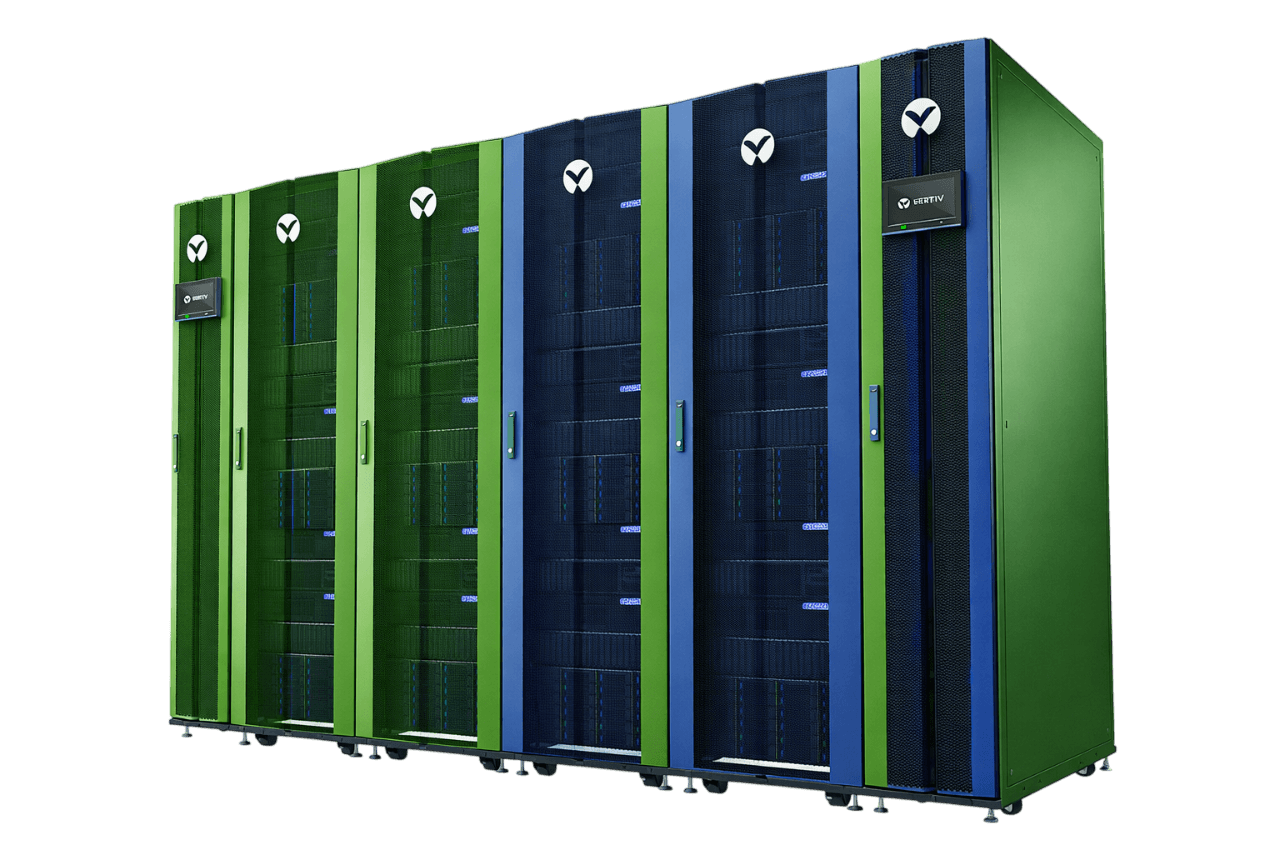
In-Row Cooling Systems
Learn More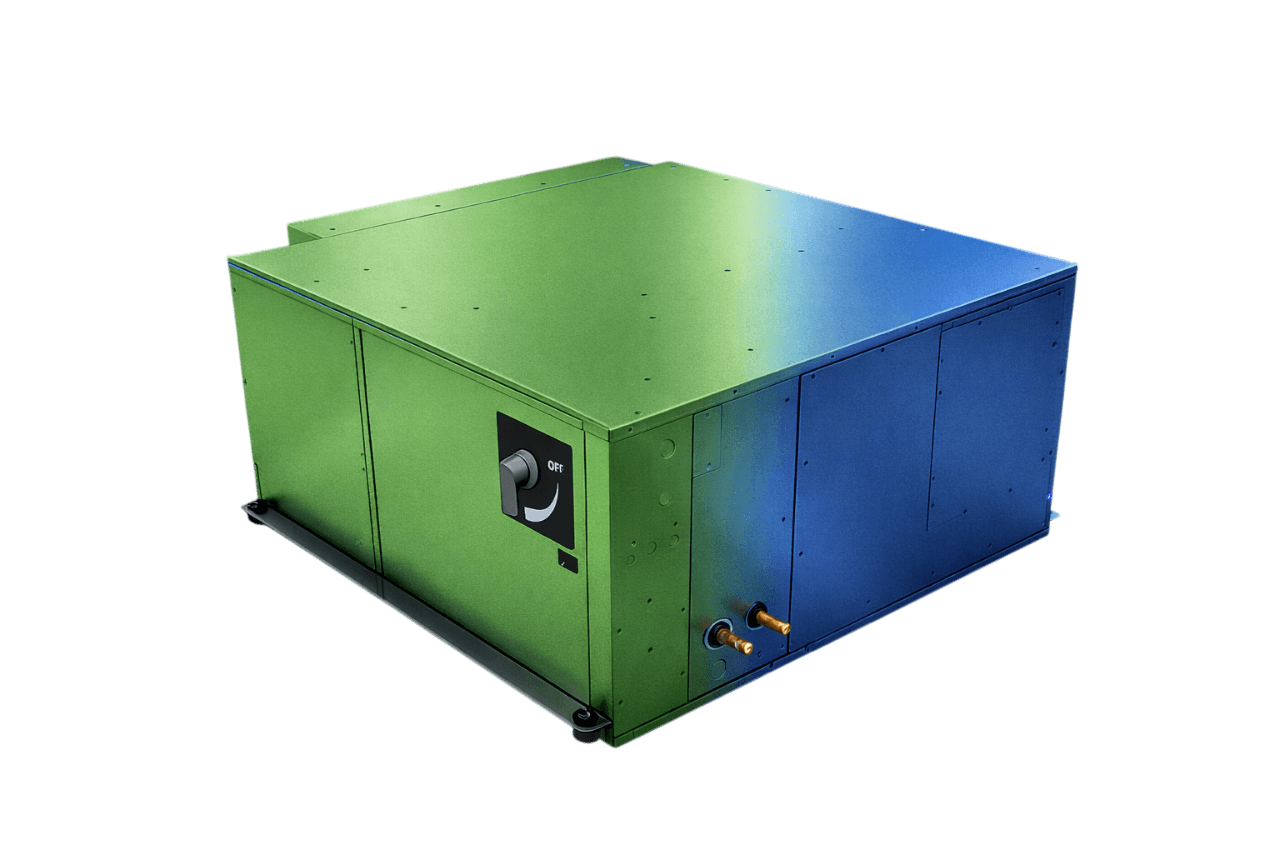
Ceiling Mounted Precision Units
Learn More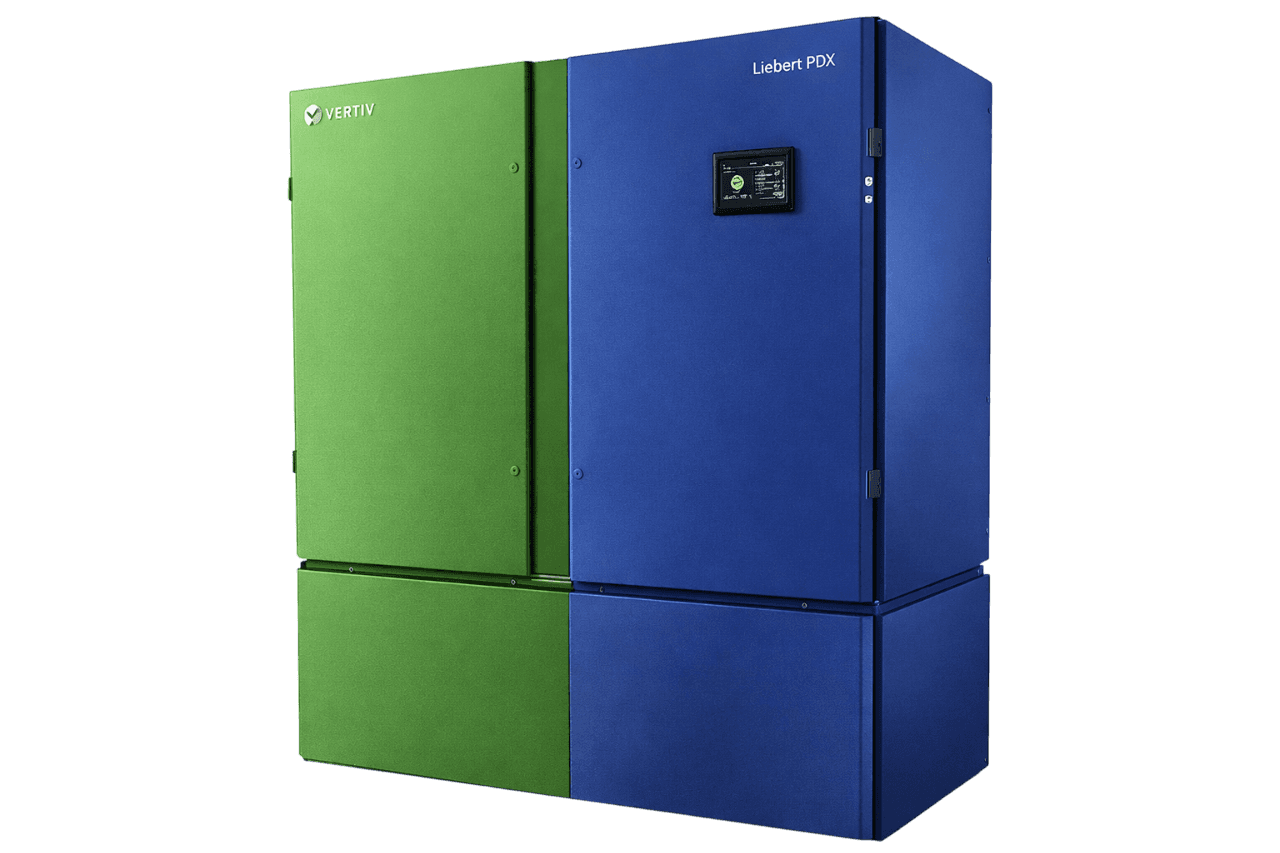
Floor Mounted Close Control Units
Learn MoreFrequently Asked Questions
Q1: What is a modular data centre cooling system?
It is a scalable cooling solution built from factory-built modules, such as in-row units, pods, or containerised systems, that can be added as IT load grows.
Q2: How does modular data centre cooling work?
Cooling modules are placed at row or rack level with containment, removing heat at the source and rejecting it through condensers, dry coolers, or chillers. More modules are added as IT load increases.
Q3: What is the difference between modular cooling and traditional room cooling?
Modular cooling grows with IT load and uses close-coupled units at row or rack level. Traditional cooling is sized for full future load and cools the whole room from the perimeter.
Q4: What is a micro data centre?
A micro data centre is a self-contained rack or small enclosure with built-in cooling, power, and monitoring, which is ideal for branch offices and edge sites.
Q5: What is a smart row or pod-based data centre?
It is a pre-engineered row or pod that combines racks, in-row cooling, containment, UPS, and monitoring into a single integrated solution.
Q6: Can modular cooling be expanded as the IT load grows?
Yes. That is its main advantage. Cooling modules can be added in stages as racks and loads increase.
Q7: Is modular cooling suitable for AI and high-density racks?
Yes. In-row cooling, rear door heat exchangers, and liquid cooling modules can handle high-density AI and GPU racks.
Q8: What is the difference between DX and chilled water modular cooling?
DX modular cooling uses built-in compressors and outdoor condensers. Chilled water modular cooling uses a central or modular chiller plant.
Q9: How does modular cooling improve PUE?
Close-coupled cooling, containment, EC fans, variable speed compressors, and free cooling reduce cooling energy, lowering PUE.
Q10: How often should modular data centre cooling systems be serviced?
Modular cooling systems should receive preventive maintenance at least quarterly, supported by continuous remote monitoring.
Q11: What is the cost of modular data centre cooling in India?
The cost depends on capacity, rack density, cooling type, redundancy, and installation scope. Contact Compress India for an accurate quotation.
Q12: Does Compress India design and install modular data centre cooling systems in Mumbai?
Yes. Compress India designs, supplies, installs, and services modular data centre cooling systems across Mumbai, Navi Mumbai, and Thane, with 24/7 AMC and support.