Smoke Management Systems
(Installation, Commissioning, Testing & Life-Safety Smoke Control Services)
Smoke Management Systems – Engineering Execution & Field Services
Smoke Management Systems are life-safety ventilation systems engineered to control, extract, or contain smoke during fire emergencies. Their primary objective is to maintain tenable conditions for safe evacuation, protect escape routes, assist firefighting operations, and limit structural damage.

Unlike normal ventilation systems, smoke management systems operate under emergency fire conditions and are governed by strict regulatory frameworks such as the National Building Code (NBC), fire department guidelines, and local authority approvals.
These systems are typically installed in:
- High-rise residential buildings
- Commercial towers
- Shopping malls
- Atriums
- Airports
- Hospitals
- Industrial buildings
- Basements and enclosed parking
- Large assembly halls
Smoke control engineering involves detailed fire load assessment, smoke extraction rate calculation, temperature classification of fans, duct fire rating compliance, and automatic integration with fire alarm systems.
Compress India provides complete engineering execution services for Smoke Management Systems including installation, testing, commissioning, retrofitting, automation integration, preventive maintenance, and AMC services in full compliance with fire safety standards.
Smoke Management System Installation & Site Execution
We execute fire-rated smoke extraction and control systems with strict compliance.
Scope of work includes:
Smoke extraction fan installation (axial / centrifugal)
High-temperature rated fan installation
Fire-rated duct fabrication and erection
Smoke dampers and motorized fire dampers installation
Fresh air make-up system integration
Automatic control panel installation
Integration with fire alarm system
Pressure relief damper installation
Smoke shaft construction coordination
Electrical wiring and emergency power integration
Vibration isolation mounting
Engineering focus areas:
Smoke extraction rate calculation (m³/hr or CFM)
Temperature classification (e.g., 300°C / 2 hours rated fans)
Fire-rated duct routing compliance
Atrium smoke control design
Basement smoke exhaust design
Zoning strategy implementation
Emergency activation logic configuration
Commissioning & Fire Compliance Testing
Regulatory approval requires comprehensive testing and documentation.
Our commissioning services include:
- Airflow and extraction rate measurement
- Smoke simulation testing
- Temperature endurance validation (as per rating)
- Fire alarm interlock testing
- Automatic activation testing
- Emergency power supply testing
- Damper functionality testing
- Pressure differential verification (where applicable)
Compliance Reports
Detailed commissioning reports are prepared for fire authority submission.
Types of Smoke Management Systems
We install and maintain:

Atrium Smoke Extraction Systems
Learn More
Basement Smoke Exhaust Systems
Learn More
Corridor Smoke Control Systems
Learn More
Mechanical Smoke Ventilation Systems
Learn More
Natural Smoke Ventilation Systems
Learn More
Zoned Smoke Extraction Systems
Learn MoreSystem configuration depends on building design, occupancy type, and fire strategy requirements.
Smoke Management Repair & Troubleshooting
We provide corrective services for:
- Non-operational smoke extraction fans
- Damper malfunction
- Control panel faults
- Pressure imbalance
- Inadequate extraction performance
- Emergency power failure
- Fire alarm interlock malfunction
- Duct leakage in smoke shafts
Root Cause Analysis
Root cause analysis ensures restoration of life-safety compliance.
Retrofitting & Fire Safety Upgradation
Existing buildings may require smoke control upgrades to meet current regulations.
We execute:
- Retrofitting smoke extraction systems
- High-temperature fan replacement
- Fire-rated duct upgrades
- Zoning modification
- Control system modernization
- Integration with upgraded fire alarm systems
- Compliance enhancement works
Improved Life Safety
Retrofitting ensures improved life safety and regulatory approval.
Automation & Fire Alarm Integration
Smoke management systems must operate automatically during fire events.
We provide:
- Fire alarm panel integration
- Automatic activation logic programming
- Emergency override controls
- Pressure and temperature sensor integration
- BMS monitoring integration
- Alarm and fault indication setup
Automation & Fire Alarm Integration
Automation ensures immediate response during fire emergencies.
Preventive Maintenance & AMC Services
Life-safety smoke systems require strict periodic maintenance.
Our AMC and maintenance services include:
- Fan inspection and lubrication
- High-temperature motor testing
- Damper inspection and functional testing
- Fire alarm interlock verification
- Emergency power testing
- Shaft and duct inspection
- Compliance readiness checks
Preventive Maintenance & AMC Services
Customized Annual Maintenance Contracts (AMC) are structured to ensure uninterrupted fire safety compliance.
Energy & Operational Optimization
Although emergency systems operate during fire events, periodic testing and standby readiness require efficiency.
We conduct:
- Pressure optimization
- Fan performance analysis
- Leakage reduction studies
- Standby power efficiency assessment
- System performance benchmarking
Energy & Operational Optimization
Optimized systems maintain readiness while minimizing operational cost during testing cycles.
Connect with Our HVAC Engineering Team
For professional installation, commissioning, repair, retrofitting, automation integration, preventive maintenance, or AMC services for Smoke Management Systems, connect with our HVAC engineering team for code-compliant and life-safe smoke control solutions.
Related HVAC Systems & Engineering Services
Smoke Management Systems are closely associated with:

Staircase & Lobby Pressurisation Systems
Learn More
Car Park Ventilation Systems
Learn More
Exhaust & Dilution Ventilation
Learn More
Industrial Ventilation Systems
Learn More
Comfort Ventilation Systems
Learn More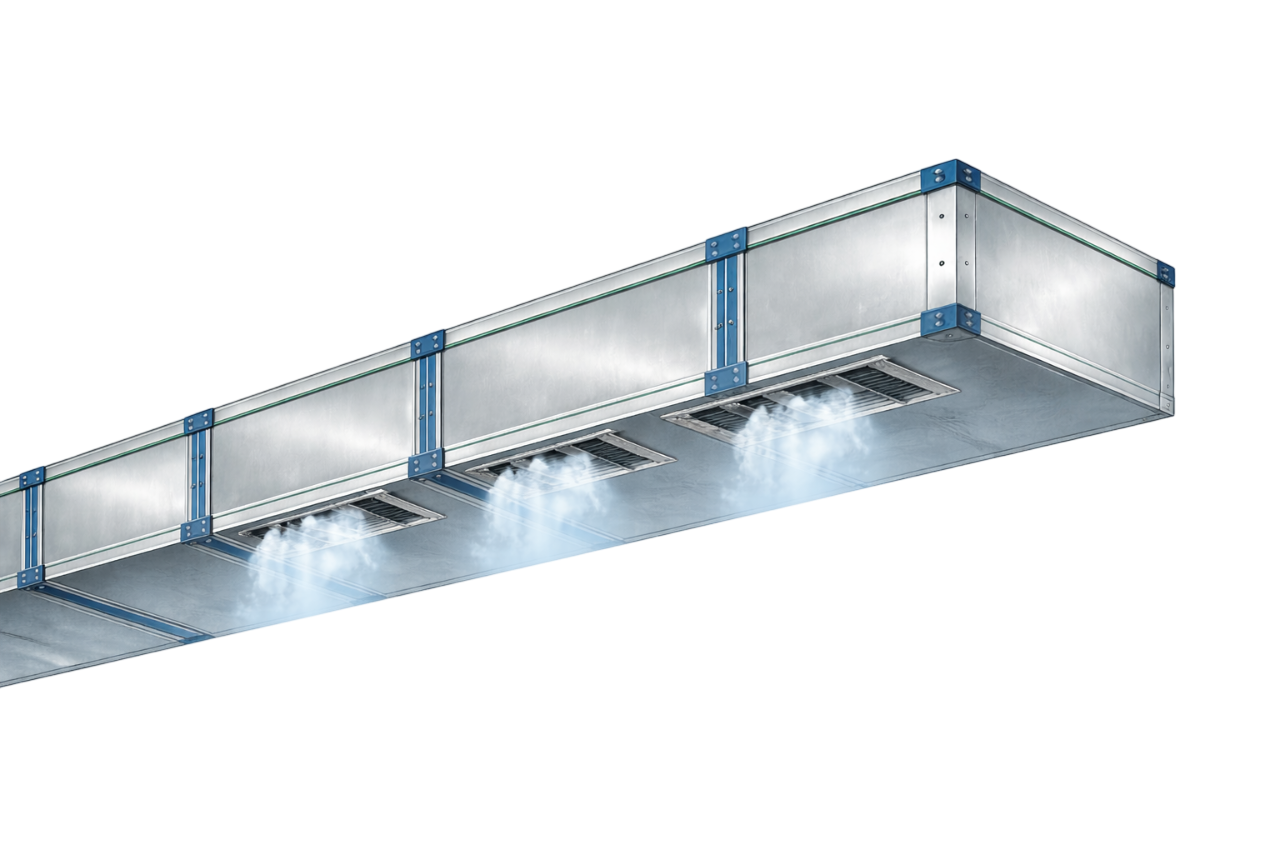
Ducting & Air Distribution
Learn More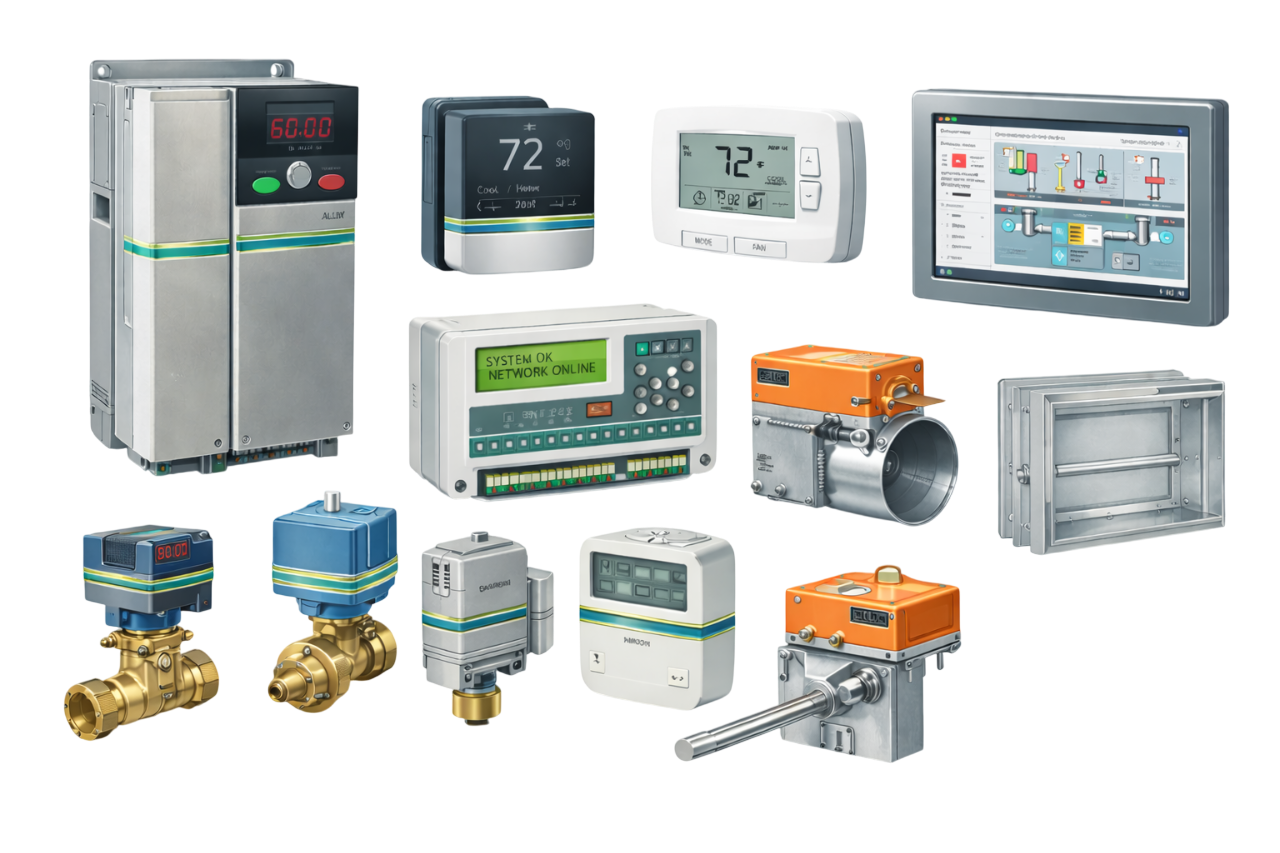
HVAC Automation & Instrumentation
Learn MoreFrequently Asked Questions
What is a Smoke Management System?
Smoke Management Systems are life-safety ventilation systems engineered to control, extract, or contain smoke during fire emergencies. Their primary objective is to maintain tenable conditions for safe evacuation, protect escape routes, assist firefighting operations, and limit structural damage.
What types of smoke management systems do you install?
We install and maintain Atrium Smoke Extraction Systems, Basement Smoke Exhaust Systems, Corridor Smoke Control Systems, Mechanical Smoke Ventilation Systems, Natural Smoke Ventilation Systems, and Zoned Smoke Extraction Systems. System configuration depends on building design, occupancy type, and fire strategy requirements.
Do you provide AMC for Smoke Management Systems?
Yes, we offer comprehensive Annual Maintenance Contracts (AMC) for smoke management systems including fan inspection and lubrication, high-temperature motor testing, damper inspection and functional testing, fire alarm interlock verification, emergency power testing, shaft and duct inspection, and compliance readiness checks. Customized AMC plans ensure uninterrupted fire safety compliance.
What causes smoke extraction system failure?
Smoke extraction system failure is commonly caused by non-operational fans, damper malfunction, control panel faults, pressure imbalance, inadequate extraction performance, emergency power failure, fire alarm interlock malfunction, or duct leakage in smoke shafts. We provide rapid corrective maintenance with root cause analysis to restore life-safety compliance.
What does smoke management system installation include?
Our installation includes smoke extraction fan installation (axial/centrifugal), high-temperature rated fan installation, fire-rated duct fabrication and erection, smoke dampers and motorized fire dampers installation, fresh air make-up system integration, automatic control panel installation, fire alarm system integration, pressure relief damper installation, smoke shaft construction coordination, electrical wiring, emergency power integration, and vibration isolation mounting. Engineering focus includes smoke extraction rate calculation, temperature classification, and fire-rated duct routing compliance.
What is included in smoke management system commissioning?
Our commissioning services include airflow and extraction rate measurement, smoke simulation testing, temperature endurance validation (as per rating), fire alarm interlock testing, automatic activation testing, emergency power supply testing, damper functionality testing, and pressure differential verification where applicable. Detailed commissioning reports are prepared for fire authority submission.
Can existing buildings be retrofitted with smoke management systems?
Yes, we execute retrofitting services including installation of smoke extraction systems in existing buildings, high-temperature fan replacement, fire-rated duct upgrades, zoning modification, control system modernization, integration with upgraded fire alarm systems, and compliance enhancement works. Retrofitting ensures improved life safety and regulatory approval.
How are smoke management systems integrated with fire alarms?
We provide fire alarm panel integration, automatic activation logic programming, emergency override controls, pressure and temperature sensor integration, BMS monitoring integration, and alarm/fault indication setup. Automation ensures immediate response during fire emergencies.
How can energy efficiency be improved in smoke management systems?
Although emergency systems operate during fire events, energy efficiency during testing cycles is improved through pressure optimization, fan performance analysis, leakage reduction studies, standby power efficiency assessment, and system performance benchmarking. Optimized systems maintain readiness while minimizing operational cost during testing cycles.
What preventive maintenance is required for smoke management systems?
Life-safety smoke systems require strict periodic maintenance including fan inspection and lubrication, high-temperature motor testing, damper inspection and functional testing, fire alarm interlock verification, emergency power testing, shaft and duct inspection, and compliance readiness checks. This ensures uninterrupted fire safety compliance.